Captive State
"The revolution is a slow-burning fuse."

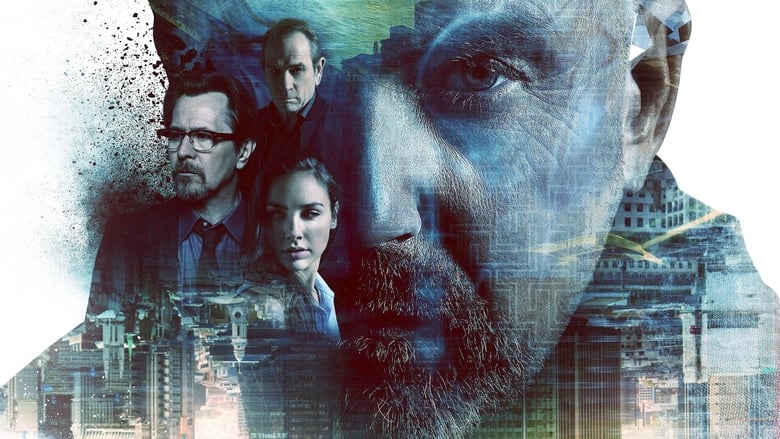
In most alien invasion movies, we get to see the White House explode or a brave pilot punch a creature in the face. We get the "before" and the "during." Captive State is different. It starts ten years after we’ve already lost. There are no soaring anthems here, just the sound of a humid Chicago summer and the persistent, low-frequency hum of a tracking chip embedded in the back of your neck. It’s a film where the aliens—referred to as "The Legislators"—are largely invisible, living in subterranean bunkers and ruling through a puppet government of human bureaucrats and police officers. It turns the genre into a gritty, low-fi espionage thriller that feels less like Independence Day and more like The Battle of Algiers.
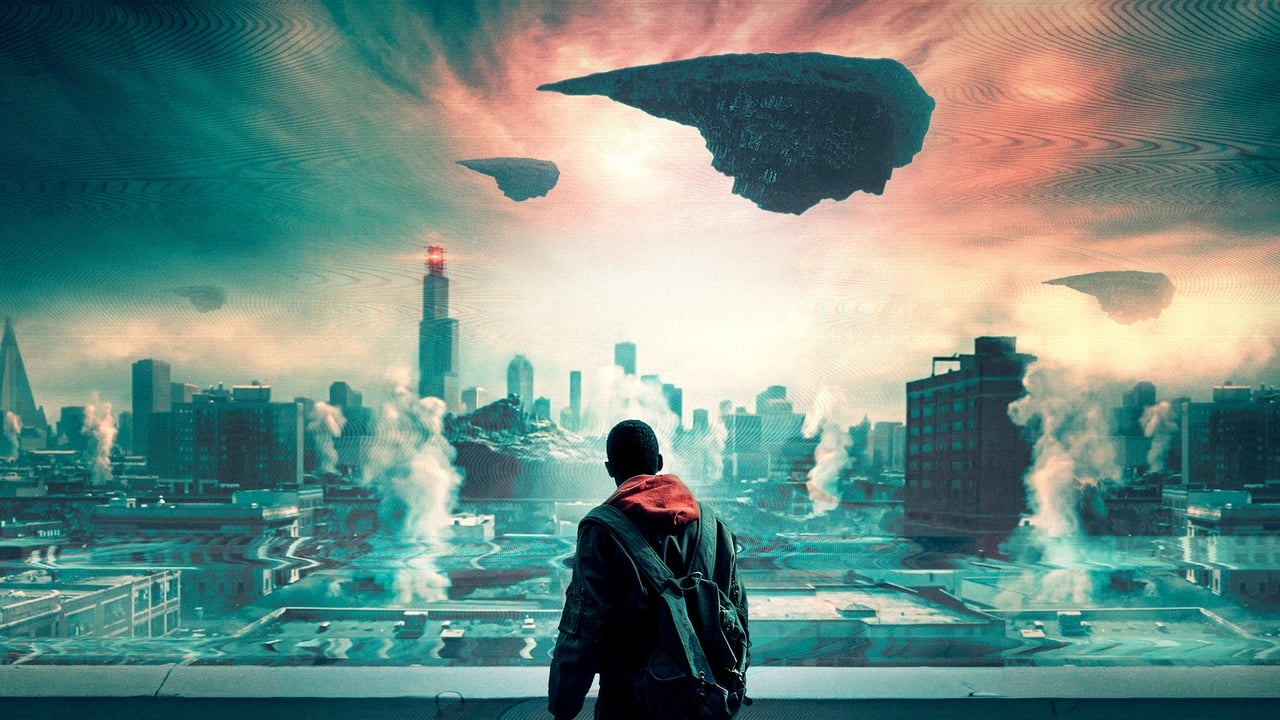
I watched this for the second time on a Tuesday afternoon while my neighbor was power-washing his driveway, and the rhythmic shush-shush of the water actually blended perfectly with the movie’s industrial, ticking-clock soundscape. It’s that kind of film; it seeps into the room.
A Spy Thriller in Sci-Fi Clothing
The story follows Gabriel (Ashton Sanders), a young man trying to survive in a Chicago "Closed Zone." His brother, Rafe (Jonathan Majors), was a legendary resistance leader presumed dead, but whispers of his return are beginning to crack the facade of the new world order. On the other side is William Mulligan (John Goodman), a weary, rumpled detective tasked with hunting down these dissidents.
What makes the screenplay by Rupert Wyatt and Erica Beeney so effective is its refusal to hold your hand. It trusts the audience to keep up with a dense web of code words, secret handshakes, and dead drops. This isn't about laser battles; it’s about the logistics of rebellion. How do you coordinate a strike when every phone is tapped and every street corner has a camera? You use carrier pigeons. You use classified ads in the newspaper. You use the shadows.
The film's centerpiece is a sequence at a massive public rally in Soldier Field. It’s an incredible piece of action choreography, but not in the way we usually see in contemporary blockbusters. There are no "hero shots" or physics-defying stunts. Instead, Rupert Wyatt builds tension through the silent coordination of multiple teams moving in sync. It’s a sequence of whispered countdowns and frantic, handheld camerawork that makes your heart race because the stakes feel genuinely physical. When things inevitably go wrong, the violence is sudden, messy, and loud.
The Goodman Masterclass
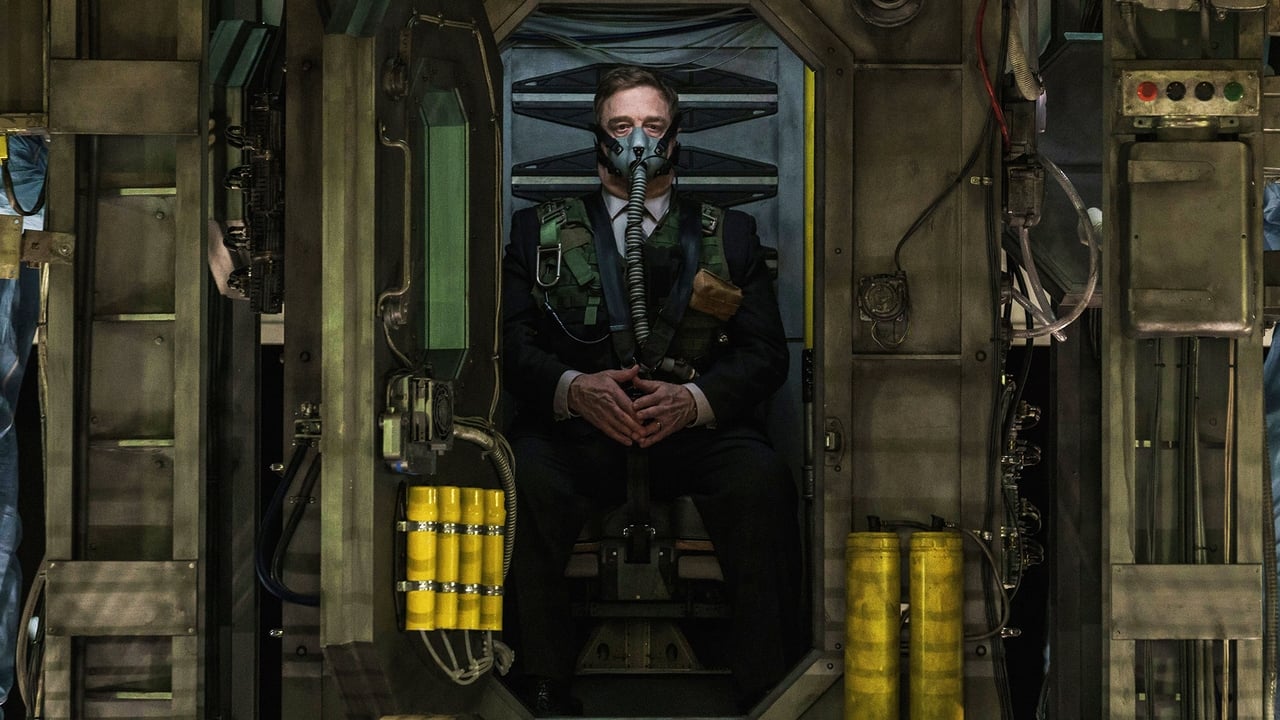
John Goodman is the soul of this movie. He plays Mulligan with a layer of mournful exhaustion that keeps you guessing about his true loyalties until the final frame. He’s a man who has clearly traded his soul for stability, but there’s a flicker of something else behind his eyes. In an era where many franchise films rely on quippy, one-dimensional villains, John Goodman provides a complex, tragic figure who represents the "collaboration" side of the occupation. He's a reminder that the scariest part of an invasion isn't the monsters, it's the neighbors who help them.
The supporting cast is equally sharp, though some, like Vera Farmiga, are criminally underused in roles that feel like they might have been meatier in an earlier cut of the film. Ashton Sanders brings a desperate, twitchy energy to Gabriel, making him feel like a real kid caught in a machine he doesn't fully understand, rather than a "chosen one" protagonist.
Why This Faded into the "Closed Zone"
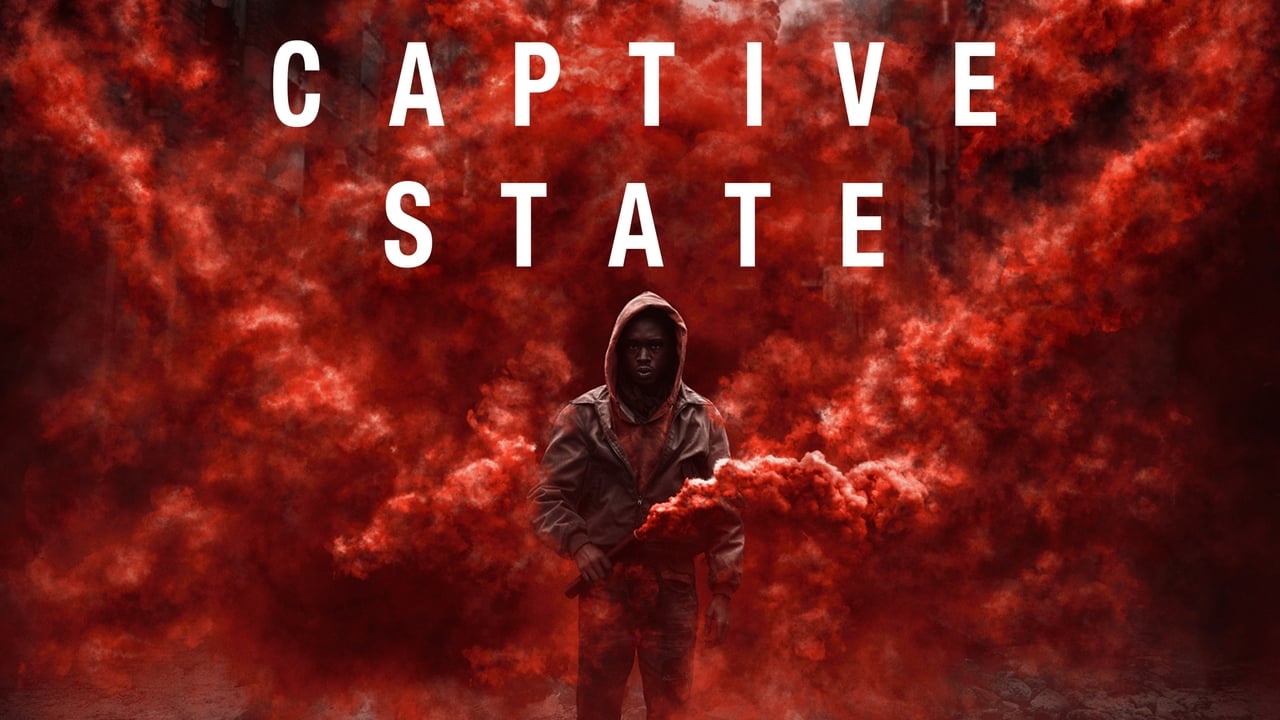
Looking back from our current vantage point of 2024, it’s baffling that Captive State vanished so quickly from theaters. It was a massive box office bomb, recouping less than half of its $25 million budget. Part of the blame lies with the marketing, which tried to sell it as a high-octane action movie with "Today, we take it back!" as a tagline. Audiences went in expecting Transformers and got a slow-burn procedural about the ethics of domestic terrorism.
Released in 2019, it also hit theaters right as franchise fatigue was starting to set in, yet it didn't have the "event" status of something like Avengers: Endgame. It’s a mid-budget original sci-fi film—a breed that is becoming increasingly rare in the streaming era. Today, a movie like this would likely be dumped onto a streaming platform on a Friday night with zero fanfare, buried under an algorithm within forty-eight hours.
However, the film’s themes of surveillance, civil liberties, and the crushing weight of an authoritarian system feel even more pointed now. Alex Disenhof’s cinematography uses a muted, sickly color palette of greys and sickly yellows that captures a world that has simply given up. It’s a movie that rewards repeat viewings, not for the "Easter eggs," but for the way it layers its world-building.
Captive State is a rare bird: a smart, cynical, and ultimately hopeful piece of speculative fiction that cares more about how a revolution is funded than how a spaceship flies. It’s a tactile experience that favors the sound of a clicking lighter or a rustling newspaper over a CGI explosion. While it occasionally trips over its own ambition—leaving a few subplots feeling like frayed wires—it’s a film that lingers in your mind long after the credits roll. It deserves a life beyond its initial failure, especially for those who like their sci-fi with a side of Cold War paranoia.

Keep Exploring...
-
Kin
2018
-

Elevation
2024
-
Spectral
2016
-
Extinction
2018
-
Hotel Artemis
2018
-
Outside the Wire
2021
-
Self/less
2015
-

Underworld: Blood Wars
2016
-
Boss Level
2021
-
Heist
2015
-
Terminator Genisys
2015
-

Geostorm
2017
-

Jurassic World: Fallen Kingdom
2018
-
Gemini Man
2019
-
Terminator: Dark Fate
2019
-
Survivor
2015
-

Wild Card
2015
-
Criminal
2016
-

Morgan
2016
-

Kidnap
2017