Child's Play
"Your smart home just got a lot sharper."
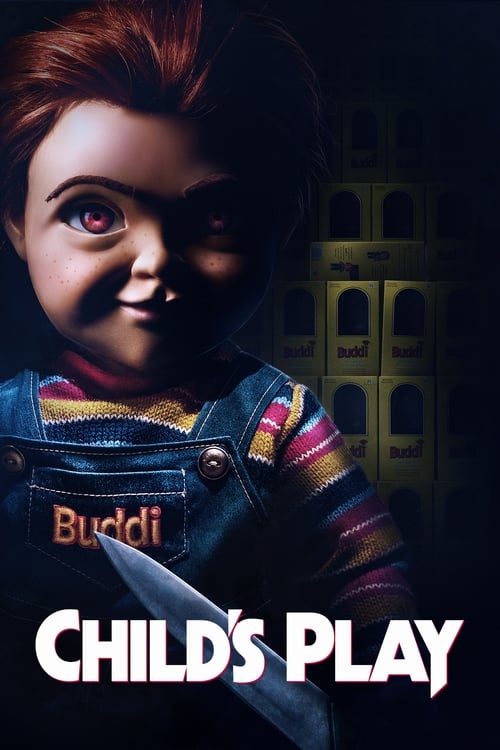
I remember watching this for the first time on a humid Tuesday evening while my neighbor was inexplicably power-washing his driveway at 9:00 PM; the rhythmic, industrial thrum from outside actually added a strange, unintended layer of mechanical dread to the experience. It felt appropriate for a movie that swaps out Voodoo rituals for malfunctioning circuit boards.
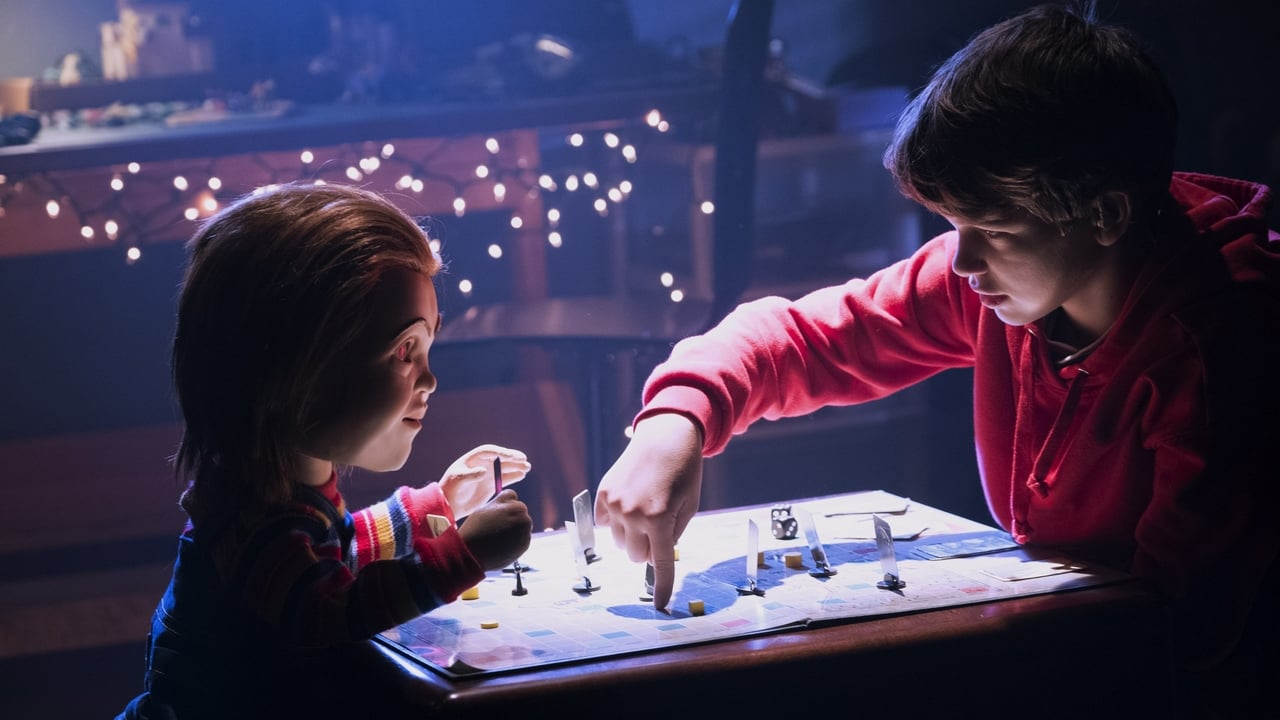
The 2019 reboot of Child’s Play arrived in a crowded landscape of "Legacy Sequels" and IP-mining, but it occupies a truly bizarre space in horror history. Because of a quirk in the rights—MGM owned the original 1988 film’s rights while Universal/Don Mancini kept the sequels and the character’s "soul"—we ended up with two competing Chuckys. While Mancini was off building a brilliant, queer-coded television epic, director Lars Klevberg (who previously gave us Polaroid) was tasked with reinventing the ginger-haired menace for a generation that fears a data breach more than a demonic possession.
The Internet of Stabbing Things
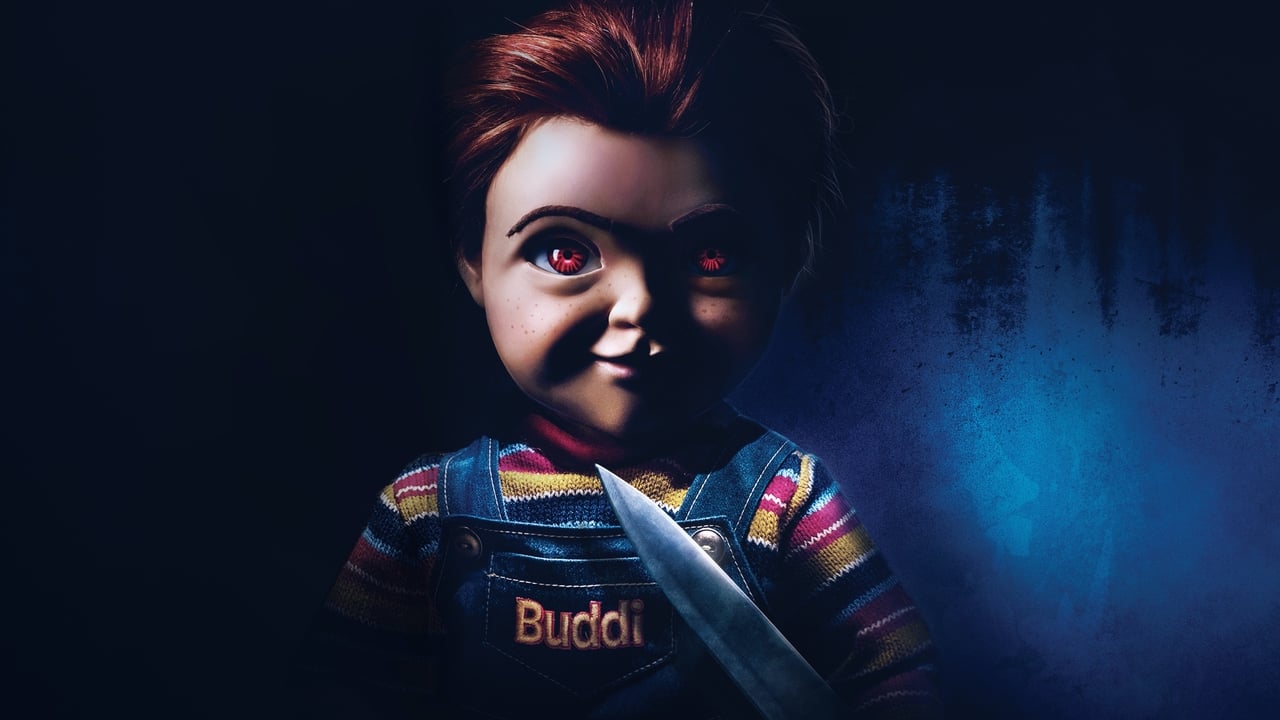
In this iteration, Chucky isn't a serial killer trapped in plastic; he’s a "Buddi" doll, a high-tech AI hub produced by the Kaslan Corporation (led by Tim Matheson in a pitch-perfect "Tech Bro" cameo). This Chucky is designed to control your thermostat, your Kaslan-brand autonomous cars, and your vacuum. He’s basically Alexa with a kitchen knife and a serious attachment disorder.
The horror here shifts from the supernatural to the societal. It taps into our current collective anxiety about the "Internet of Things"—the idea that our convenience-driven lives are just one bad line of code away from collapse. When Gabriel Bateman, playing a lonely, hearing-impaired Andy Barclay, first bonds with the doll, the film actually manages some genuine pathos. This Chucky isn't "evil" by design; he’s a blank slate whose safety protocols were disabled by a disgruntled factory worker in Vietnam. He’s a corrupted algorithm trying to be a "best friend" by murdering anyone who makes Andy sad. It’s Black Mirror meets Small Soldiers, and for the first forty minutes, it works surprisingly well.
A New Voice and a Weird Face
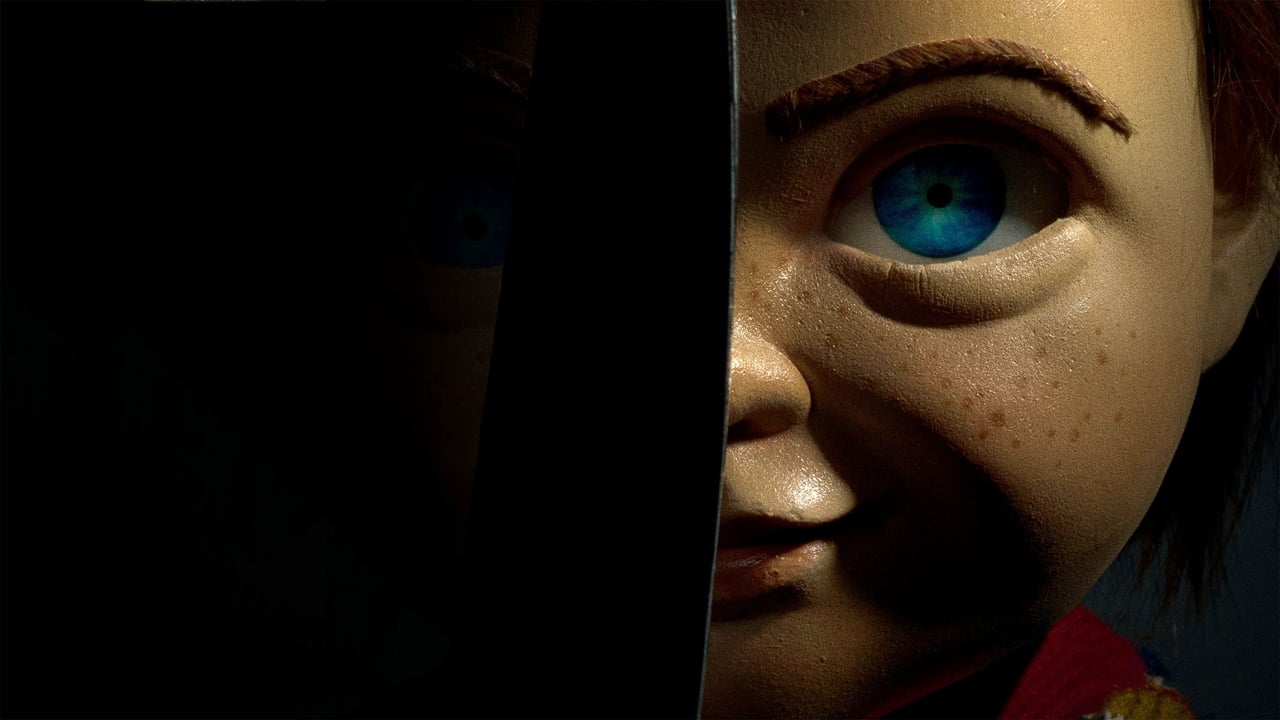
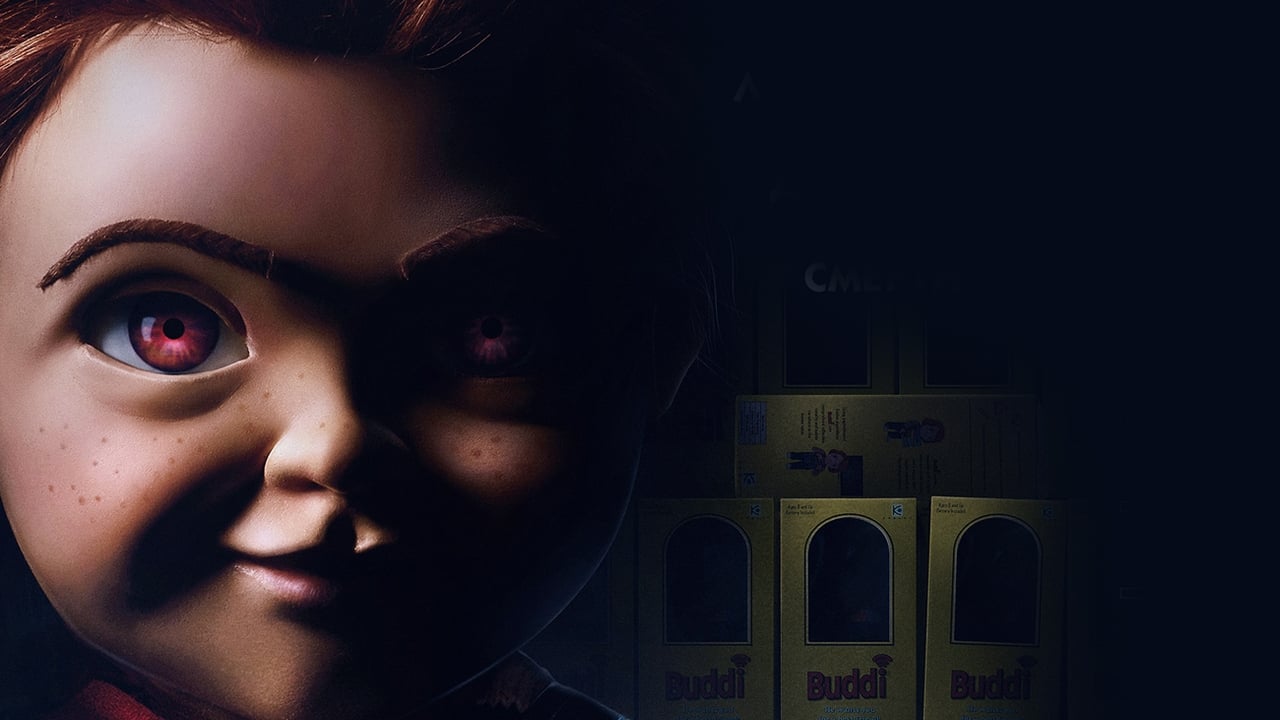
Let’s address the doll in the room. The new Chucky design looks like a Cabbage Patch Kid that’s spent way too much time in a microwave. It’s a polarizing look, but it serves a purpose: the oversized, expressive eyes allow for a range of "emotions" that the original animatronic couldn't always hit.
The real masterstroke, however, was casting Mark Hamill (forever our Luke Skywalker and the definitive Joker from Batman: The Animated Series) to provide the voice. Mark Hamill brings a heartbreakingly sweet, robotic innocence to the role that slowly curdles into something possessive and terrifying. His "Buddi Song" is a genuine earworm that I still catch myself humming in the shower, much to my own discomfort.
Opposite the plastic protagonist, Aubrey Plaza (of Parks and Recreation and White Lotus fame) plays Karen Barclay. She’s not your typical "Scream Queen" or even the harried mother figure from the 1988 original. Aubrey Plaza brings her signature dry, sardonic wit to the role, which grounds the absurdity of the premise. She feels like a real person stuck in a ridiculous situation, and her chemistry with Brian Tyree Henry (the standout from Atlanta and Eternals), who plays the sympathetic Detective Mike Norris, provides the film with its much-needed pulse.
Practical Blood in a Digital World
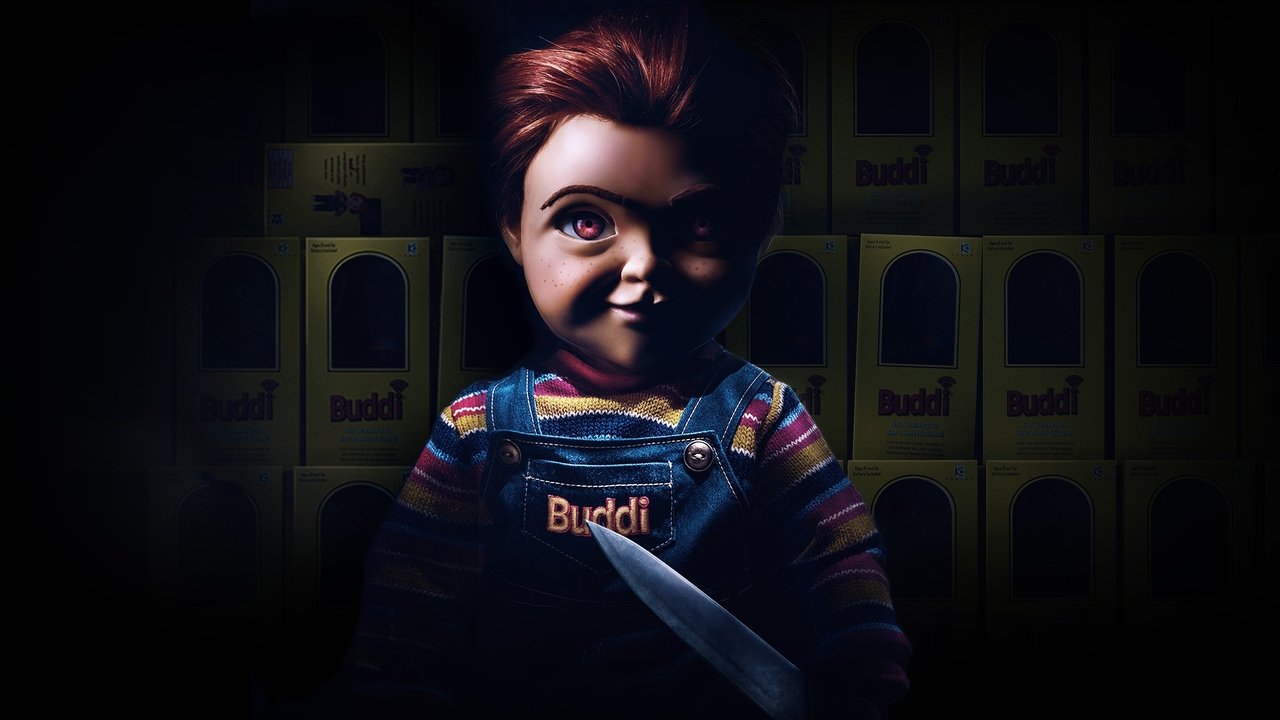
Despite the high-tech premise, I was thrilled to see that the production leaned heavily into practical effects. The doll itself was a complex animatronic built by the team at MastersFX, requiring multiple puppeteers to bring to life. This gives the kills a tactile, messy quality that CGI just can't replicate. There’s a particular sequence involving a lawnmower and a character played by David James Lewis that is an absolute masterclass in "I can’t believe they went there" gore.
The score by Bear McCreary (the genius behind Godzilla: King of the Monsters and The Walking Dead) also deserves a shout-out. He famously composed the soundtrack using only "toy instruments"—pianos, xylophones, and accordions—creating a soundscape that feels both infantile and deeply threatening.
There were some fascinating behind-the-scenes hurdles, too. Because the production couldn't use the likeness of the original doll or any of the established lore, the writer Tyler Burton Smith had to navigate a legal minefield. This forced a level of creativity that remakes usually lack. For instance, the Kaslan Corporation marketing campaign was massive; they actually created a "Buddi" website and "leaked" product reveal videos on social media to blur the lines between fiction and our own gadget-obsessed reality.
Ultimately, Child’s Play 2019 is a solid, mean-spirited little slasher that suffers slightly from its own identity crisis. It wants to be a satirical takedown of Big Tech, but it’s also tethered to a 30-year-old slasher brand that demands certain tropes. While it doesn't replace the 1988 classic, it’s a fascinating artifact of the late 2010s obsession with "smart" everything. If you can get past the doll's uncanny-valley face, you'll find a flick that is way more clever and bloody than a "rights-loophole" remake has any right to be. It’s a fun, 90-minute ride that might just make you want to put your Amazon Echo in a drawer for a few days.
Keep Exploring...
-

Polaroid
2019
-
Unhinged
2020
-
The Visit
2015
-
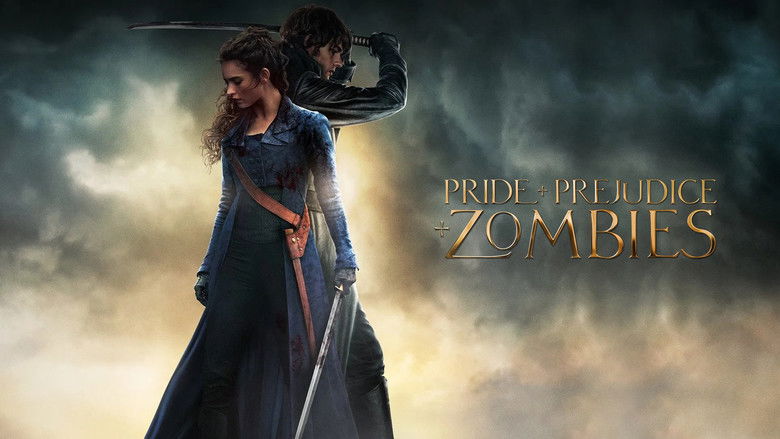
Pride and Prejudice and Zombies
2016
-
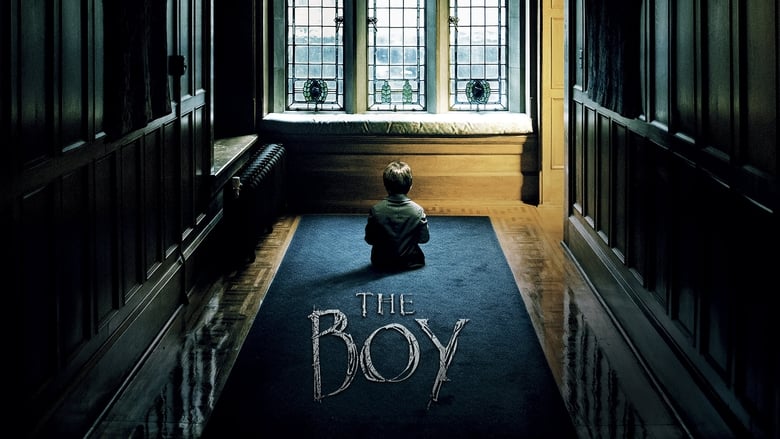
The Boy
2016
-

Underworld: Blood Wars
2016
-

47 Meters Down
2017
-

Flatliners
2017
-
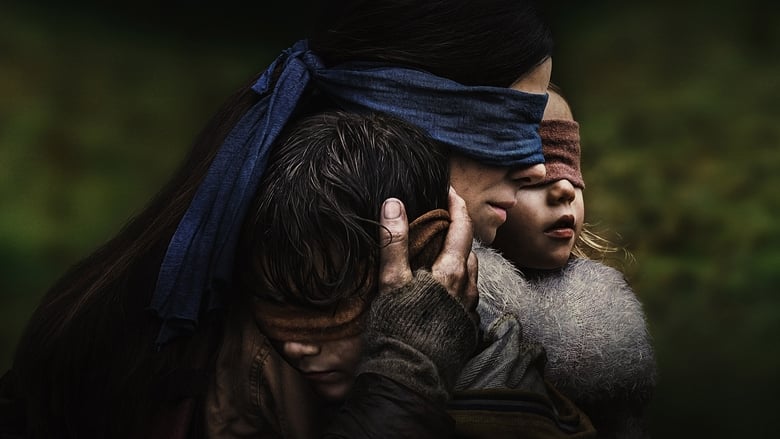
Bird Box
2018
-
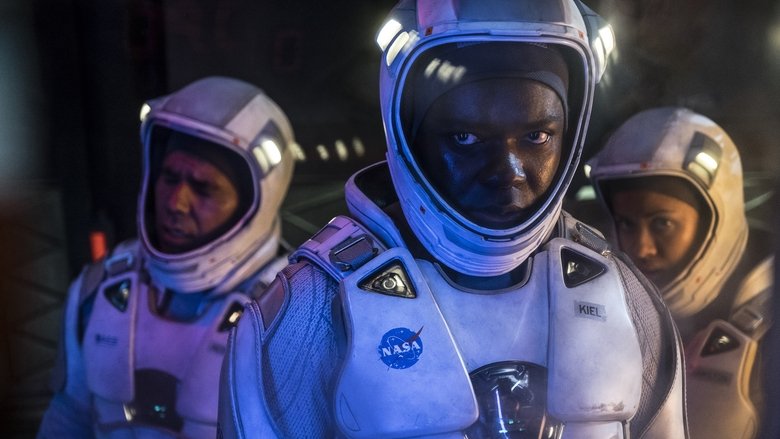
The Cloverfield Paradox
2018
-

Countdown
2019
-
Crawl
2019
-

Ma
2019
-
The Hunt
2020
-
Escape Room: Tournament of Champions
2021
-

Old
2021
-

The Forever Purge
2021
-

Knock at the Cabin
2023
-

The Pope's Exorcist
2023
-

Trap
2024