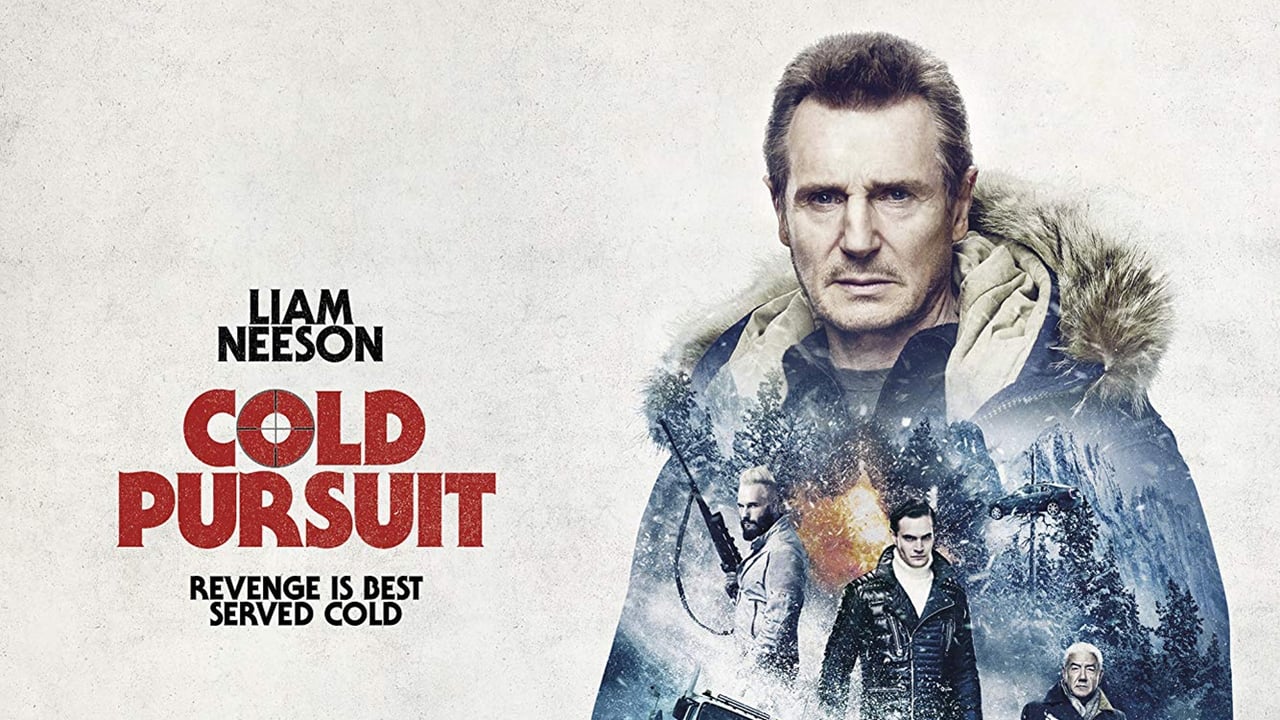
Cold Pursuit
"Revenge is a dish best served frozen."
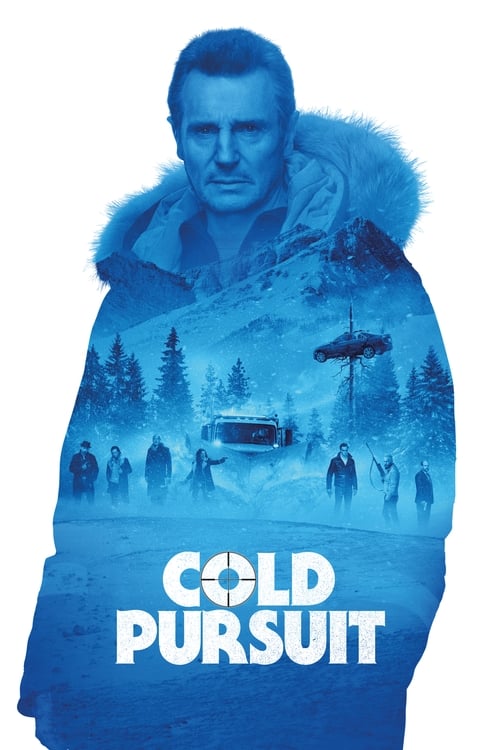
I watched Cold Pursuit on a Tuesday night while my apartment’s radiator was making a rhythmic, metallic clanking sound—not unlike a wrench hitting a frozen pipe—and honestly, that mechanical shivering only added to the experience. You don't just watch this movie; you feel the need to wrap yourself in a heavy wool blanket and check your toes for frostbite.
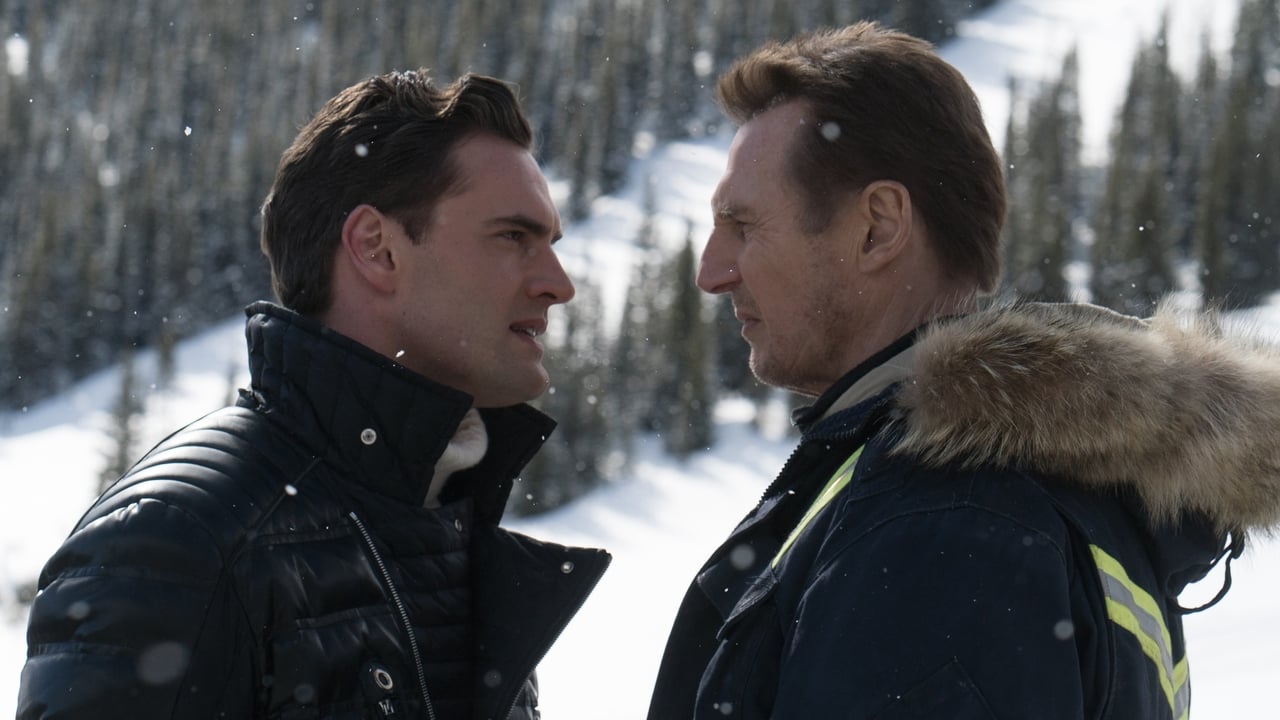
On the surface, it looks like just another entry in the "Liam Neeson Has a Particular Set of Skills" cinematic universe. You know the drill: an aging, grizzled man’s family is wronged, he finds a leather jacket, and he proceeds to dismantle a criminal empire with his bare hands. But Cold Pursuit is a weird, prickly, and surprisingly funny beast. It’s actually a remake of the 2014 Norwegian film In Order of Disappearance, directed by the same man, Hans Petter Moland. By moving the setting from the Norwegian wilderness to the jagged peaks of the Rockies, Moland created something that feels like a Coen Brothers flick filtered through a bottle of expensive, icy schnapps.
A Different Kind of Snow Job
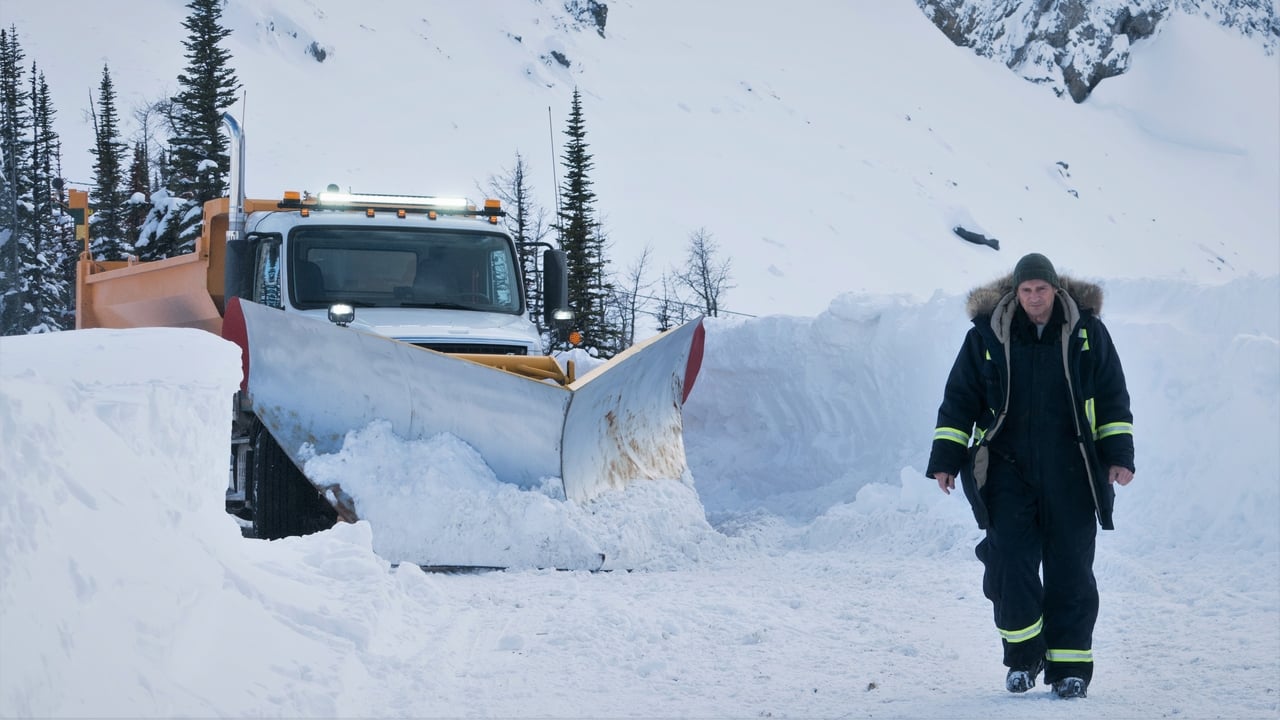
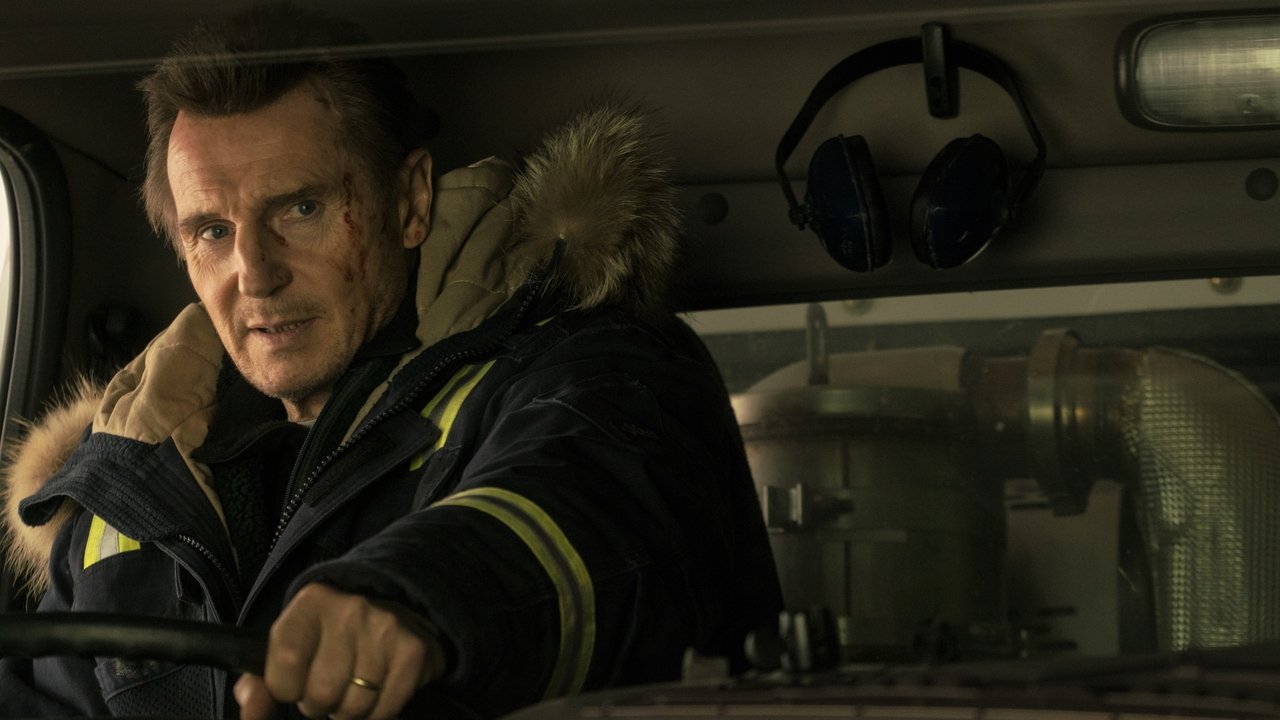
Liam Neeson plays Nels Coxman, a man who spends his days driving a massive snowplow to keep the roads of a glitzy Colorado resort town open. He’s so good at it that he’s just been named "Citizen of the Year." He’s a man of few words and even fewer hobbies, until his son is murdered by a drug cartel. At this point, the audience expects Taken 4: The Big Freeze. Instead, we get a pitch-black comedy where the revenge is methodical, messy, and occasionally absurd.
What I love about Nels is that he isn't a retired super-assassin. He’s just a guy who knows how to use heavy machinery and a sawed-off shotgun. He learns how to dispose of bodies by reading a crime novel. It’s a subversion of the action-hero trope that feels incredibly refreshing in an era of invincible superheroes. It’s a movie that effectively hates its own protagonist’s genre, choosing to mock the machismo of the "angry dad" movie rather than celebrate it.
The film’s most iconic flourish is its handling of death. Every time a character is killed—and many, many people are killed—the screen cuts to a black title card with the character’s name and a religious symbol (crosses, stars of David, etc.). It’s a macabre tally that turns the mounting body count into a running gag. It’s these little stylistic choices that have earned the film a cult following among people who like their violence served with a side of irony.

The Villain Who Counts His Almonds
While Liam Neeson provides the stoic center, Tom Bateman absolutely steals the show as the villain, Trevor 'Viking' Calcote. He’s not your typical gritty drug lord; he’s a neurotic, health-conscious, CrossFit-obsessed narcissist who micromanages his son’s diet and education with terrifying intensity. Watching him navigate a gang war while arguing about school lunches is easily the highlight of the film’s second act.
Then you have Tom Jackson as White Bull, the head of a rival Ute gang. The film spends a surprising amount of time on the internal politics of these two criminal organizations. As Nels’ quest for vengeance accidentally triggers a war between the white drug dealers and the indigenous gang, the movie transforms into a satire about legacy and systemic violence.
Apparently, the production faced some real-world friction when filming. They originally wanted to shoot in Banff National Park, but Parks Canada reportedly denied them a permit because the script featured an indigenous gang leader as a "villain." It’s a bit of an ironic twist, considering Tom Jackson is a legendary First Nations activist and musician who praised the role for its depth. The production eventually moved to Fernie and Fortress Mountain in Alberta, which frankly looks more intimidating anyway.
Behind the Frozen Scenes
If you’re looking for why this film has lingered in the cultural conversation despite a rocky release, look no further than these curiosities:
Family Ties: The young man playing Nels' son is actually Micheál Richardson, Neeson's real-life son. This adds a genuine, somber weight to the early scenes of grief. The Director’s Double: It is rare for a director to remake their own film in another language (think Hitchcock with The Man Who Knew Too Much). Hans Petter Moland insisted on maintaining the dry, Scandinavian wit of the original. The Neeson Effect: This movie was released right as a controversial interview with Neeson surfaced, which almost buried the film’s theatrical run. In the years since, however, fans of dark comedy have rediscovered it on streaming as a hidden gem that’s far smarter than its marketing suggested. Snow Logistics: The massive snowplow Nels drives is a real 300-horsepower beast. The crew had to deal with genuine blizzards during production, making the "cold" in the title feel less like a metaphor and more like a medical condition. * The Body Count: By the end of the film, there are 36 "death cards" shown on screen.
Cold Pursuit is the perfect "Dad Movie" for dads who also like Fargo. It delivers the bone-crunching impact you expect from a contemporary action film, but it seasons the violence with a heavy dose of "what-the-heck-was-that" humor. It’s a film about how revenge doesn't just destroy the target; it creates a chaotic, snowy mess that nobody—not even a Citizen of the Year—can fully plow away. If you can handle the shift from tragedy to slapstick, it’s a journey well worth taking.
Keep Exploring...
-
Run All Night
2015
-
Blackhat
2015
-
Point Break
2015
-
Jack Reacher: Never Go Back
2016
-

Baywatch
2017
-
Triple Frontier
2019
-

Army of the Dead
2021
-
Hitman's Wife's Bodyguard
2021
-

Red Notice
2021
-
Samaritan
2022
-
Honest Thief
2020
-
Memory
2022
-

Triple 9
2016
-

Logan Lucky
2017
-
Death Wish
2018
-
Den of Thieves
2018
-

21 Bridges
2019
-
Polar
2019
-
Ava
2020
-
Project Power
2020