Dark Phoenix
"The fire burns out with a whimper."
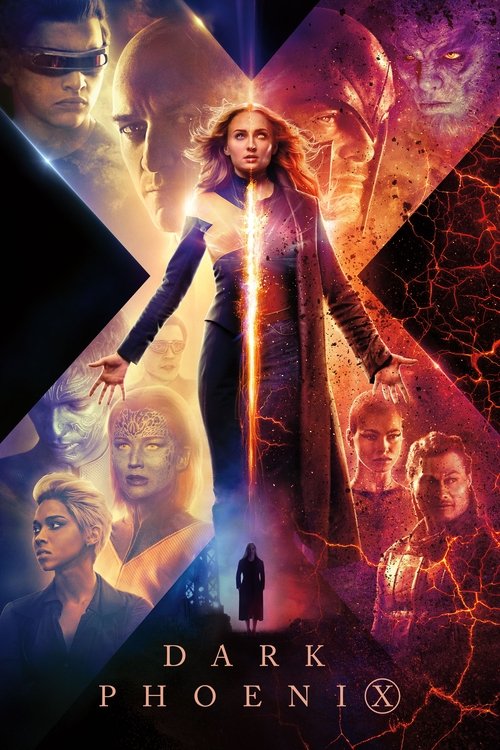
I watched Dark Phoenix for the third time last week while trying to fix a leaky faucet in my kitchen, and honestly, the sheer awkwardness of the dialogue was more distracting than the spray of cold water hitting my face. There is a strange, magnetic pull to this movie, not because it’s a misunderstood masterpiece, but because it feels like a $200 million funeral for a franchise that forgot to invite the guests of honor.
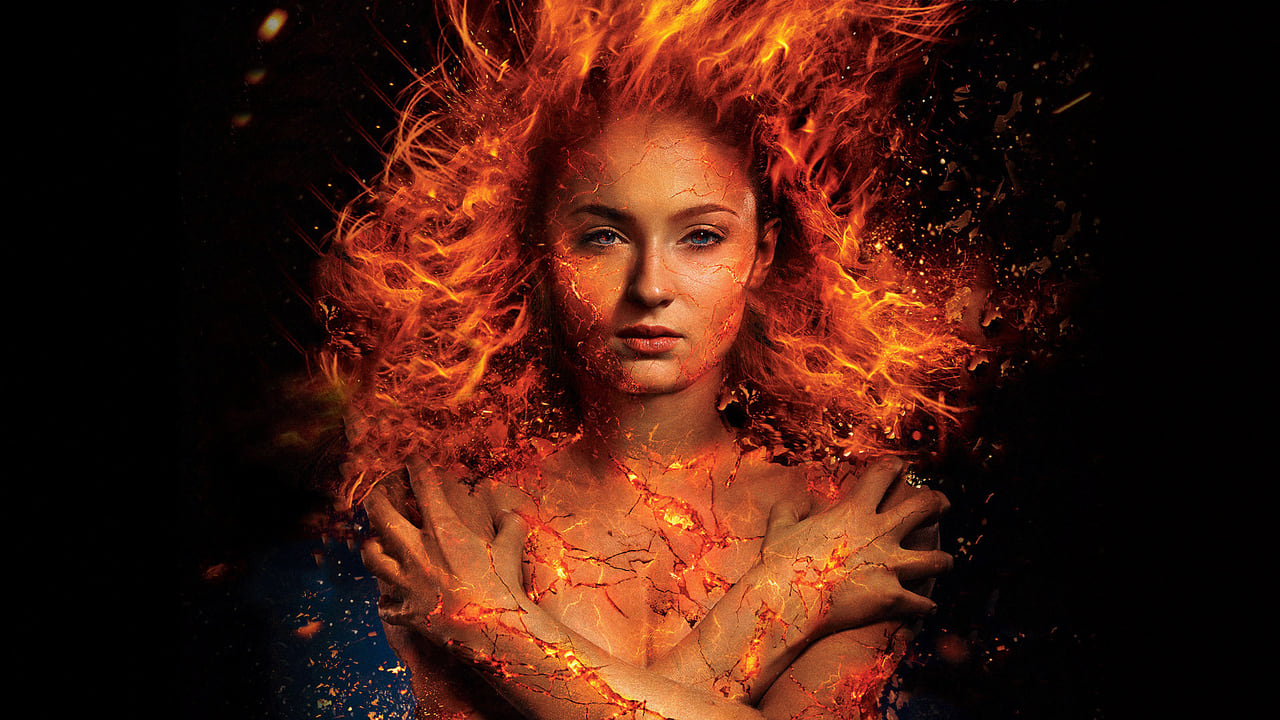
Released in 2019, Dark Phoenix arrived at a bizarre crossroads in cinema history. The Disney-Fox merger was finalized just months before its release, meaning everyone in the theater—and likely everyone on screen—knew this was a dead end. We were watching the "Greatest Hits" of the X-Men get packed into cardboard boxes while the moving truck for the Marvel Cinematic Universe was already idling in the driveway. It’s a film defined by its "end of an era" gloom, yet it’s burdened by the fact that we’d already seen this exact story told (and botched) thirteen years earlier in The Last Stand.
The Ego of Charles Xavier
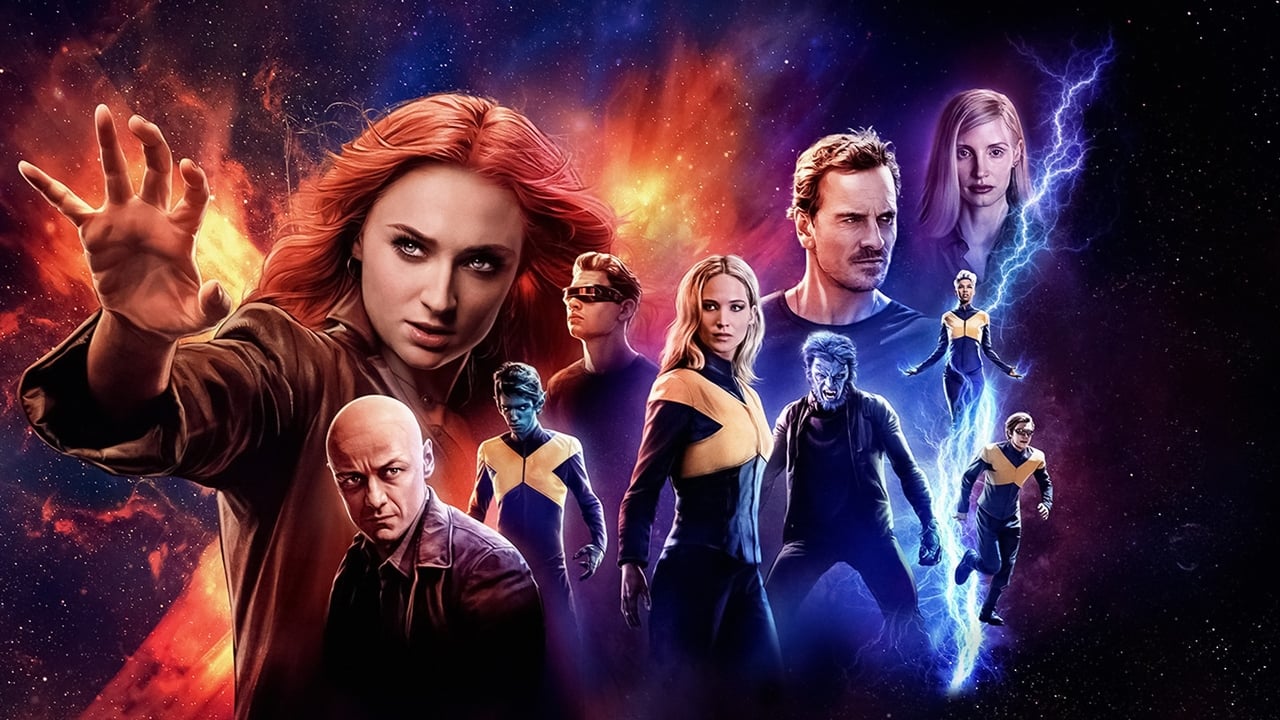
The most fascinating thing about this iteration of the Phoenix saga isn't actually Jean Grey—it's James McAvoy as Charles Xavier. I’ve always had a soft spot for McAvoy’s take on the character, but here, he leans into a version of Professor X that is essentially a high-functioning narcissist. He’s got a direct line to the President, his face is on every magazine, and he’s putting his students in mortal danger just to maintain the X-Men’s PR standing. James McAvoy's Professor X is the true villain of this entire franchise, and seeing the movie call him out for his hubris is the one narrative risk that actually lands.
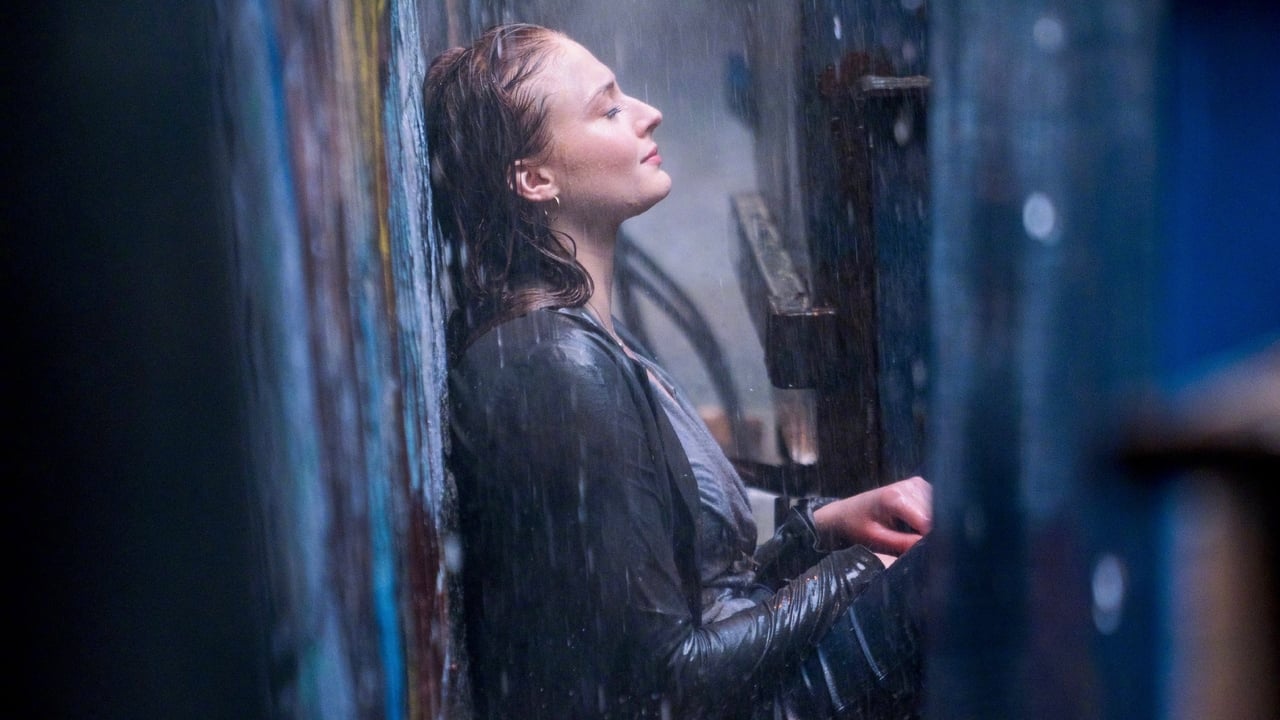
Sophie Turner steps into the role of Jean Grey with a lot of heavy lifting to do. Coming off the back of Game of Thrones, she brings a palpable sense of dread to the role, but the script gives her very little to work with beyond "I’m scared" and "I’m angry." When she gets hit by the solar flare in the opening act—a sequence that actually looks quite stunning thanks to Mauro Fiore’s cinematography—you expect the movie to explode into a cosmic horror story. Instead, it retreats into a somber, muted drama that feels like it’s trying to emulate the grit of Logan (2017) without having earned the emotional weight.
A Production in Freefall
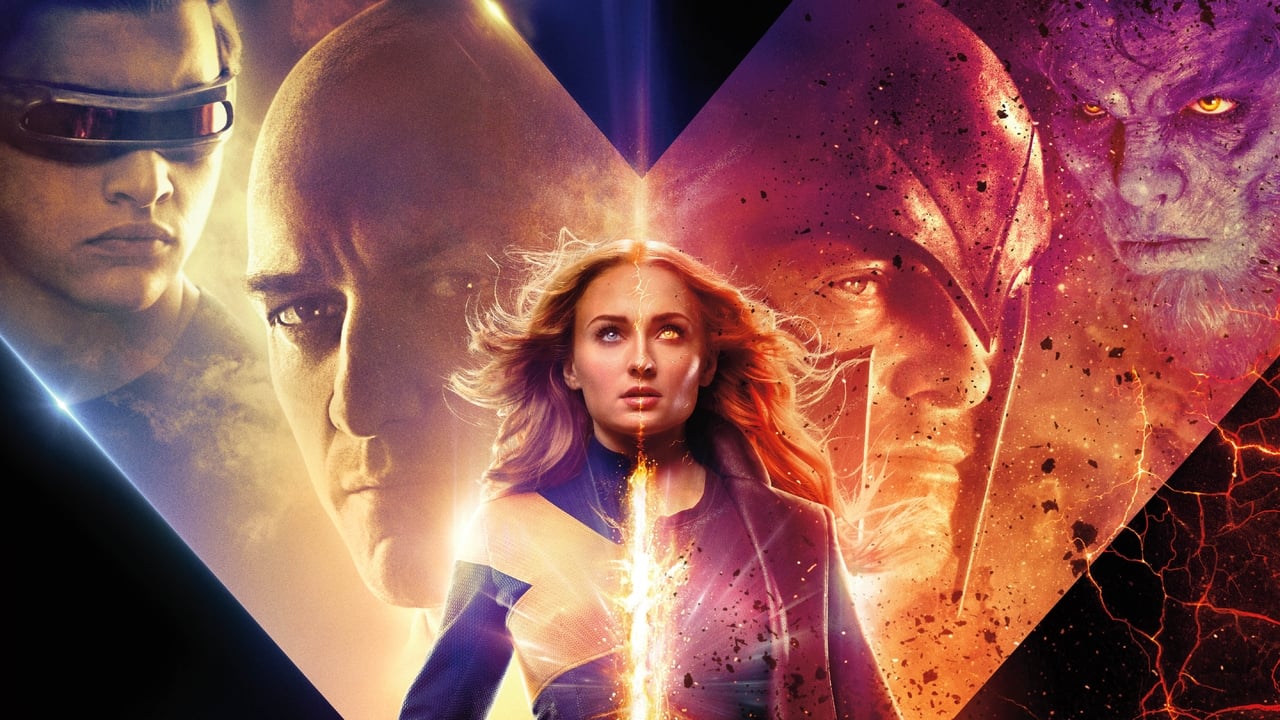
If you want to understand why Dark Phoenix feels so disjointed, you have to look at the behind-the-scenes chaos. This was Simon Kinberg’s directorial debut, and he was essentially trying to fix the mistakes he made as a writer on The Last Stand. But the production was plagued by massive reshoots. Originally, the film was supposed to be a two-parter, and the third act originally took place in space with a full-scale alien invasion.
Apparently, the original ending looked too much like Captain Marvel (2019) and Captain America: Civil War (2016), so the studio ordered a total overhaul. This led to the creation of the train sequence—which, ironically, is the best part of the movie. The train fight is the only time the film actually remembers it’s a superhero movie, featuring some genuinely creative use of Michael Fassbender’s Magneto powers. Watching him pull a literal subway car through a field or manipulate a dozen rifles simultaneously is a reminder of why we fell in love with these characters in the first place. Fassbender is, as always, over-qualified for the material, playing Erik Lensherr as a man who just wants to garden in peace but keeps getting dragged back into the drama by his toxic best friend, Charles.
The Mystery of the Bland Aliens
Then there are the villains. Jessica Chastain is a phenomenal actress, but here she is relegated to playing a silver-haired alien leader who spends the entire movie walking slowly and whispering about "destiny." It’s one of the most egregious wastes of talent in modern blockbuster history. In the comics, the Phoenix is a cosmic entity intertwined with the Shi'ar Empire; here, the antagonists are the D'Bari, a group of shapeshifters who feel like a placeholder for a better idea.
The film lacks the "franchise innovation" we’ve come to expect from the post-2015 era. While Spider-Man: Into the Spider-Verse was reinventing visual language and Black Panther was deepening cultural conversations, Dark Phoenix felt like a relic of the mid-2000s trying to wear a 2019 suit. It’s a movie that was caught in the gears of a corporate merger, edited to death by committee, and released into a market that had already moved on to Avengers: Endgame.
Even the score by Hans Zimmer—who reportedly came out of "superhero retirement" because he loved Kinberg’s pitch—feels like it belongs to a much more epic movie. It’s atmospheric, pulsing, and occasionally haunting, providing a sense of scale that the actual plot never quite reaches.
Ultimately, Dark Phoenix is a fascinating autopsy of a franchise. It’s a movie that tries to be a character study but forgets to give its characters consistent motivations. It’s a sequel that feels like a remake of a movie no one liked the first time. Yet, for all its flaws, I can’t help but find it watchable as a "cult of the curious" artifact—a glimpse into the messy, complicated end of the 20th Century Fox era of Marvel. It’s not a firebird rising; it’s a spent match, but sometimes there’s a strange beauty in watching the smoke drift away.
Keep Exploring...
-
X-Men: Apocalypse
2016
-
X-Men: Days of Future Past
2014
-

X-Men: The Last Stand
2006
-

X-Men: First Class
2011
-

The 355
2022
-
Terminator Genisys
2015
-

Justice League
2017
-
Transformers: The Last Knight
2017
-
Pacific Rim: Uprising
2018
-
Gemini Man
2019
-
Men in Black: International
2019
-
Star Wars: The Rise of Skywalker
2019
-
Terminator: Dark Fate
2019
-
Eternals
2021
-
Black Adam
2022
-
Jurassic World Dominion
2022
-
Moonfall
2022
-
Ant-Man and the Wasp: Quantumania
2023
-

Rebel Moon - Part One: A Child of Fire
2023
-
The Flash
2023