Dark Waters
"Your kitchen is a crime scene."
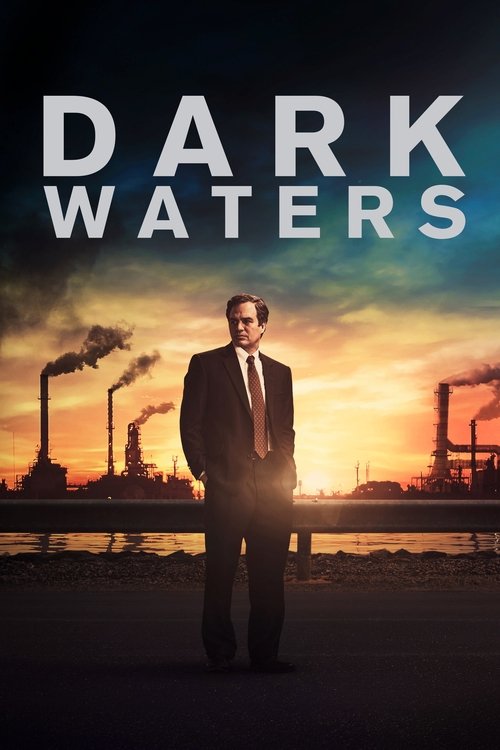
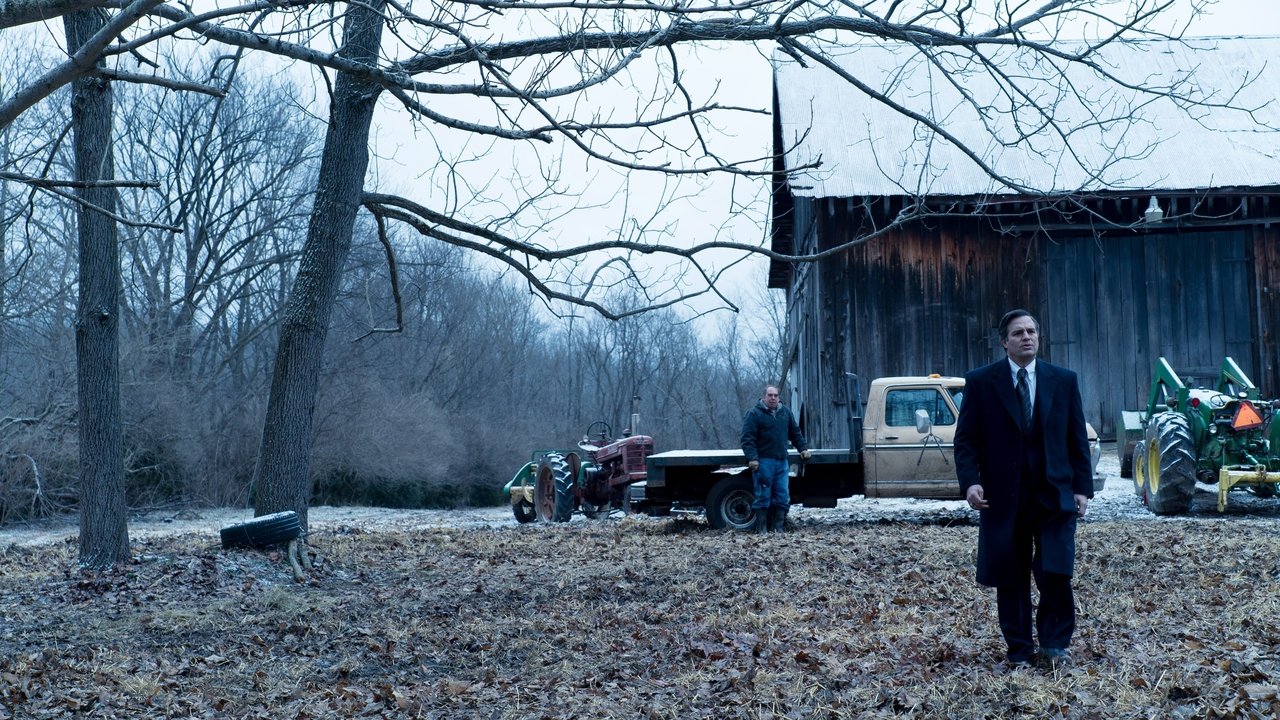
The first thing I noticed about Dark Waters wasn’t the plot or the famous faces, but the color. Everything in this movie looks like it was filmed through a glass of contaminated tap water. There is a sickly, jaundiced hue to the West Virginia landscapes and a cold, fluorescent sterility to the corporate offices that makes you feel like you need a tetanus shot just for watching. It’s an intentional, oppressive choice by director Todd Haynes (Carol, Far from Heaven), and it sets the stage for one of the most quietly infuriating legal thrillers of the last decade.
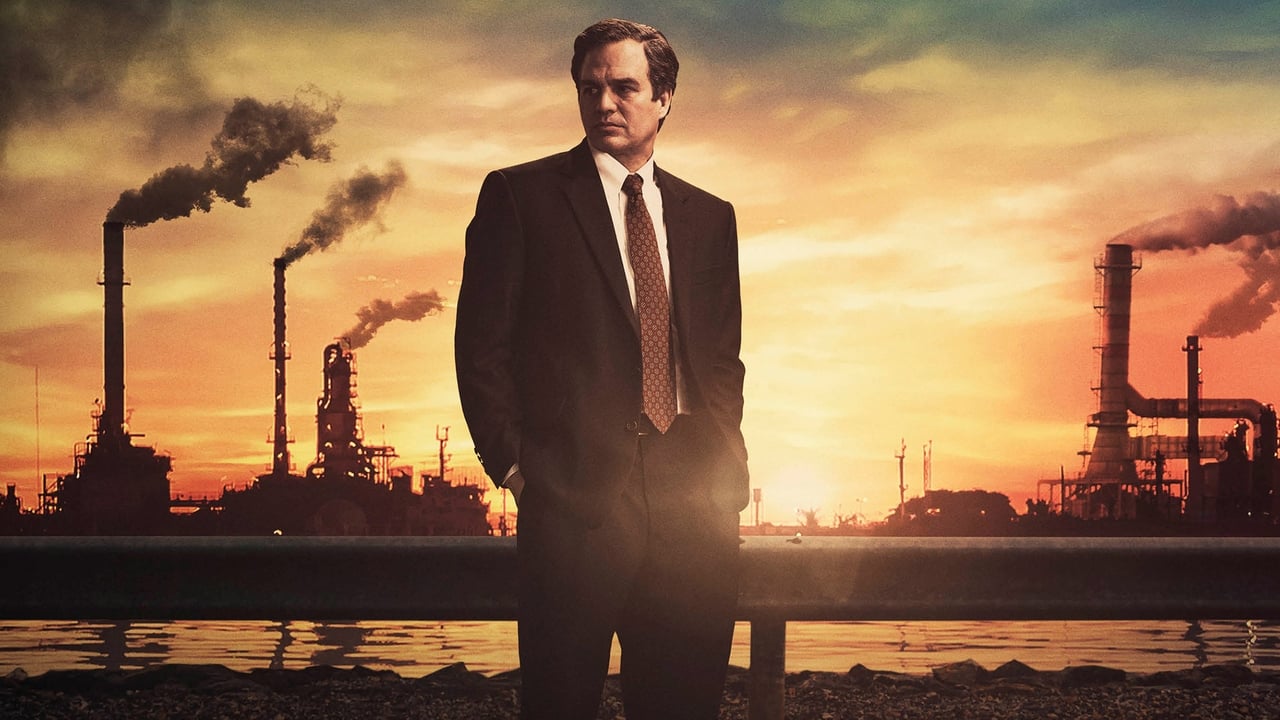
I sat down to watch this on a Tuesday night with a lukewarm sparkling water that I suddenly felt very suspicious of. Halfway through, I actually paused the film to check the brand of my non-stick frying pans, only to realize I was wearing socks with massive holes in them and felt a sudden, sharp wave of unrelated shame. That’s the effect this movie has—it makes you scrutinize the mundane details of your life until the very ground you stand on feels like a betrayal.
The Weight of the Slouch
Mark Ruffalo plays Robert Bilott, a corporate defense attorney who spends his days protecting chemical companies. He’s a "man of the system" until a frantic farmer from his grandmother’s hometown, played with soul-crushing desperation by Bill Camp (Joker, The Queen’s Gambit), shows up with a box of videotapes and a field full of dead cows.
What follows isn't a fast-paced courtroom drama with theatrical "Gotcha!" moments. It’s a slow, agonizing grind. Ruffalo is spectacular here because he refuses to be a traditional hero. He plays Bilott with a perpetual, burdened slouch, his jaw set in a way that suggests he’s constantly swallowing back bile. He isn't charismatic; he’s tenacious. He’s a man who decides to pull a single loose thread on a sweater and realizes, over the course of twenty years, that the entire world is naked.
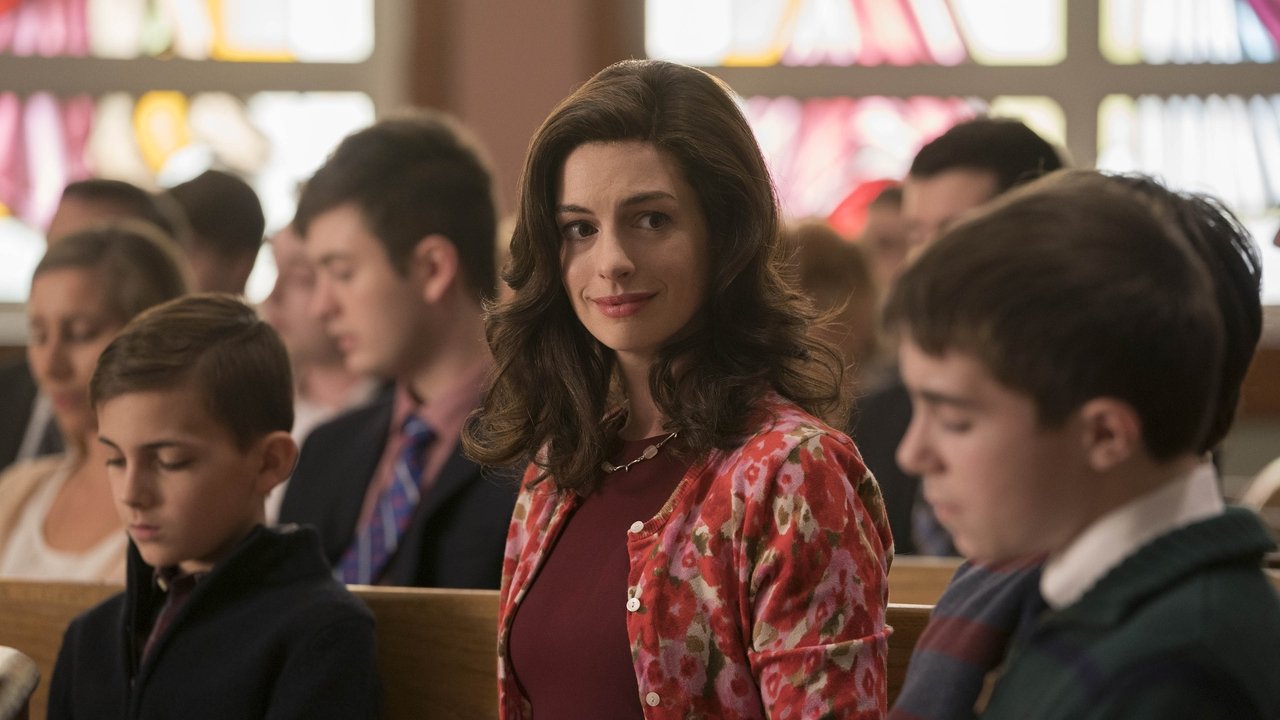
Corporate lawyers are the closest thing we have to real-life wizards, only their spells are mostly just paperwork and stalling. Watching Bilott navigate the bureaucratic sludge of DuPont’s legal department is a masterclass in controlled frustration. Tim Robbins (The Shawshank Redemption) provides a steady hand as Bilott’s boss, Tom Terp, while Anne Hathaway (Les Misérables) does what she can with the "worried wife" role. While her character feels a bit sidelined by the narrative’s focus on the case, she manages to inject a necessary human cost into the obsession that consumes her husband’s life.
The Tragedy of the Forever Chemical
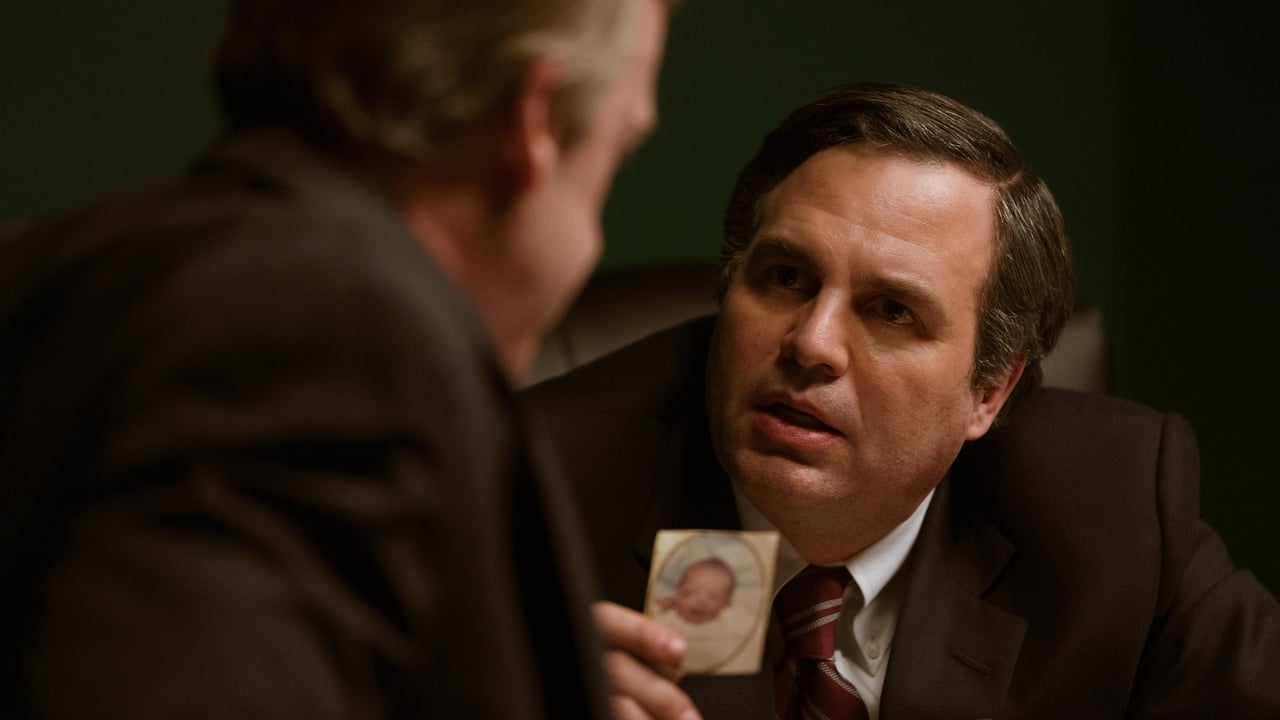
If Mark Ruffalo is the brain of the film, Bill Camp is its bleeding heart. His portrayal of Wilbur Tennant is haunting. He represents the people the system is designed to ignore—the ones without the "right" accent or the "right" connections. When he shows Bilott the blackened teeth of his cattle, the horror isn't just in the physical decay; it’s in the realization that the most terrifying thing about this movie isn't the dead cows; it's the realization that the villain is currently in your kitchen cabinet.
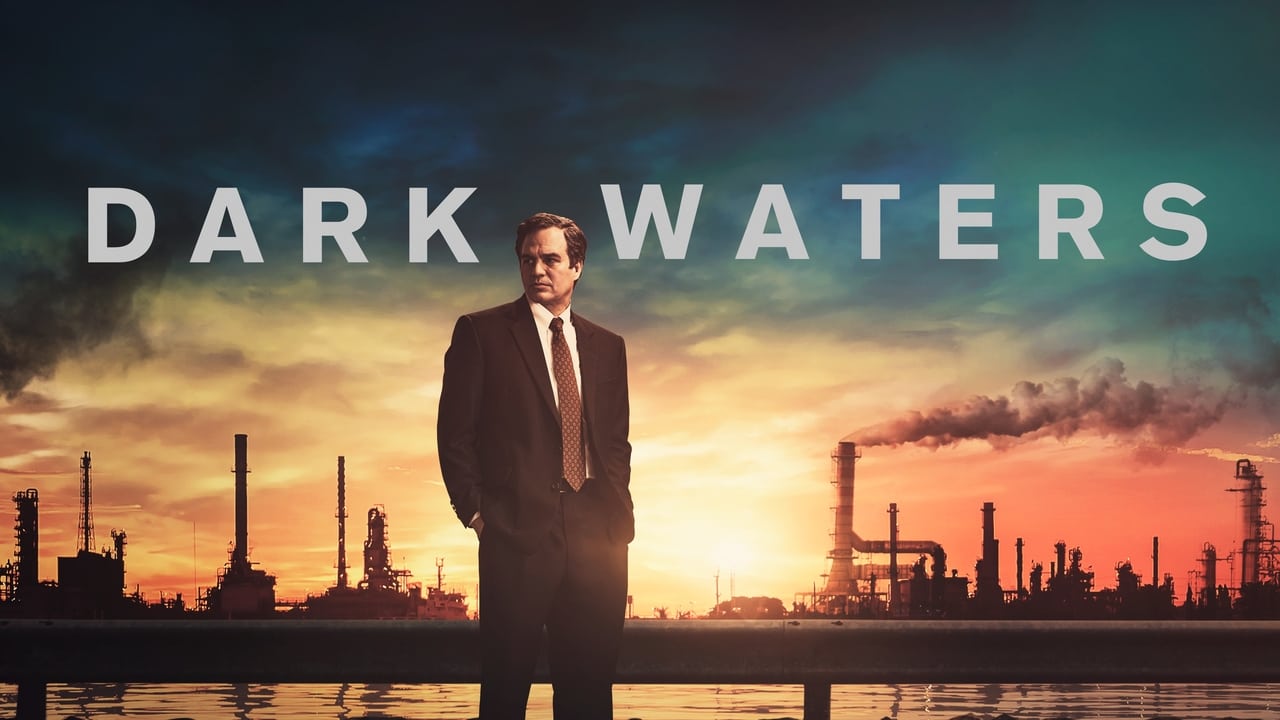
The film deals with PFOA, a "forever chemical" used in the production of Teflon. In our current era of heightened climate anxiety and a growing distrust of massive institutions, Dark Waters feels less like a historical drama and more like a horror movie. Released in late 2019, just before the world shifted on its axis, it captures a very specific contemporary dread: the suspicion that the things we’ve been told are safe are actually killing us, and that the people in charge knew about it decades ago.
Todd Haynes is usually known for his lush, stylized aesthetics, but here he strips everything back. He lets the camera linger on stacks of boxes in a dusty storage room. He makes the act of reading a discovery document feel like a high-stakes heist. It’s a film that respects the audience’s intelligence enough to know that a spreadsheet can be more frightening than a jump scare.
A Modern David and Goliath
In the context of contemporary cinema, Dark Waters stands as a rebuttal to the "instant gratification" culture of streaming. It’s a movie about the long game. It covers decades of litigation, showing the gray hairs appearing on Bilott’s head and the physical toll the stress takes on his body. It doesn't offer a clean, Hollywood ending because, in the real world, "forever chemicals" don't just go away. They are in the water, the soil, and our blood.
The film performed modestly at the box office—perhaps because people aren't always eager to pay fifteen dollars to be told their cookware is toxic—but it has found a second life on digital platforms. It fits perfectly into the current "social thriller" subgenre, where the monster isn't a ghost, but a balance sheet. It’s a grim, essential piece of work that reminds us that the truth doesn't just "come out"—it has to be dragged into the light by someone willing to lose everything.
Dark Waters is a tough sit, but an incredibly rewarding one. It’s the kind of movie that stays with you long after the credits roll, mostly because it makes you look at your kitchen sink with a newfound sense of existential dread. Mark Ruffalo delivers a career-best performance of quiet intensity, proving that sometimes the most heroic thing a person can do is refuse to stop asking questions. It’s a sobering reminder of the cost of corporate greed and the staggering weight of the truth. Just maybe don't watch it while eating a meal prepared on a non-stick pan.
Keep Exploring...
-

Carol
2015
-

Nocturnal Animals
2016
-
Patriots Day
2016
-
Snowden
2016
-
The Lighthouse
2019
-

Uncut Gems
2019
-

Promising Young Woman
2020
-
Wrath of Man
2021
-
13 Hours: The Secret Soldiers of Benghazi
2016
-

The House That Jack Built
2018
-
El Camino: A Breaking Bad Movie
2019
-

The Devil All the Time
2020
-
Sherlock: The Abominable Bride
2016
-
Dogman
2018
-

Shoplifters
2018
-

My Fault
2023
-

Joker
2019
-

Bridge of Spies
2015
-

Room
2015
-
Sicario
2015