Doctor Sleep
"The ghosts you carry never truly leave."
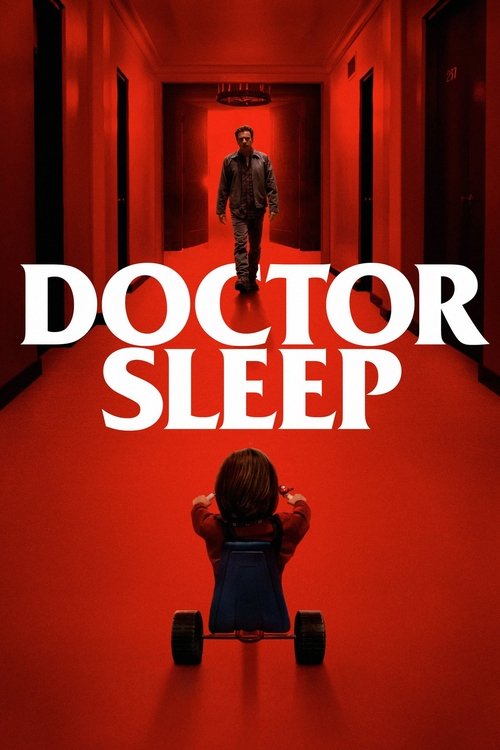
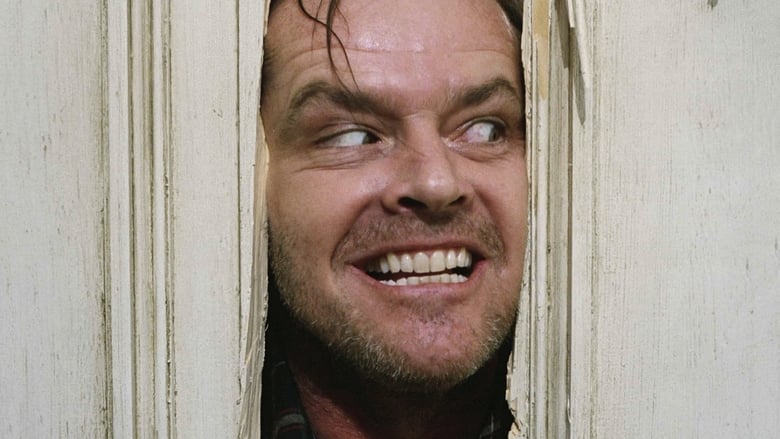
The impossible task Mike Flanagan set for himself with Doctor Sleep shouldn't have worked. It’s the cinematic equivalent of trying to mediate a decades-long blood feud between two geniuses who hated each other’s guts. On one side, you have Stephen King’s 2013 novel—a story about recovery, sobriety, and the literal psychic "steam" of the gifted. On the other, you have Stanley Kubrick’s 1980 masterpiece, a film King famously loathed for its coldness and departure from his source material. Flanagan didn't just pick a side; he built a bridge out of trauma and shadows, and somehow, he delivered the best legacy sequel of the modern era.

I watched the three-hour Director’s Cut of this on a Tuesday night while nursing a massive head cold, and the sheer amount of Vick’s VapoRub I inhaled made the psychic 'steam' scenes feel dangerously immersive. But even through a medicinal haze, the weight of this film is undeniable. It doesn’t just "return to the Overlook" for cheap nostalgia; it earns its way back into those haunted hallways by being a profoundly somber meditation on what happens to the kids who survive horror movies.
The Weight of the Shine
Ewan McGregor plays Dan Torrance with a weary, hollow-eyed brilliance that I don’t think he gets enough credit for. We find him at rock bottom, a mirroring of his father Jack’s alcoholism, using booze to "lock the boxes" on the ghosts that followed him from Colorado. This isn't the high-octane "superhero with a twist" vibe the trailers suggested. It’s a slow-burn character study. When Dan finally gets sober and begins working at a hospice—using his "shine" to comfort the dying—the film achieves a level of grace that most horror movies are too scared to touch.
Then there’s the flip side of that coin: Abra Stone, played by Kyliegh Curran in a breakout performance that is frankly intimidating. She has more power than Dan ever did, but she lacks his fear. The chemistry between them isn't mentor-and-student; it’s two veterans of a war nobody else can see. Flanagan treats the "Shine" as a curse of empathy in a world that wants to eat you alive, which feels particularly relevant in our current era of digital overstimulation and emotional burnout.
A Villain for the Ages
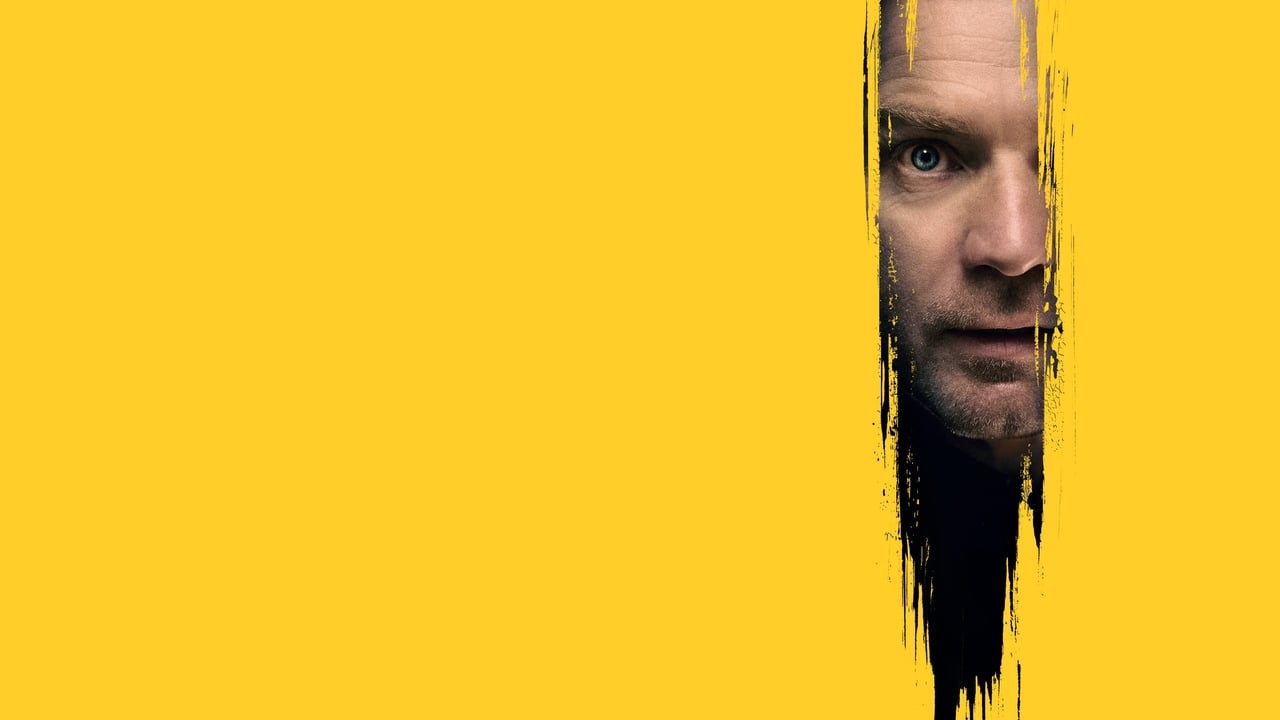
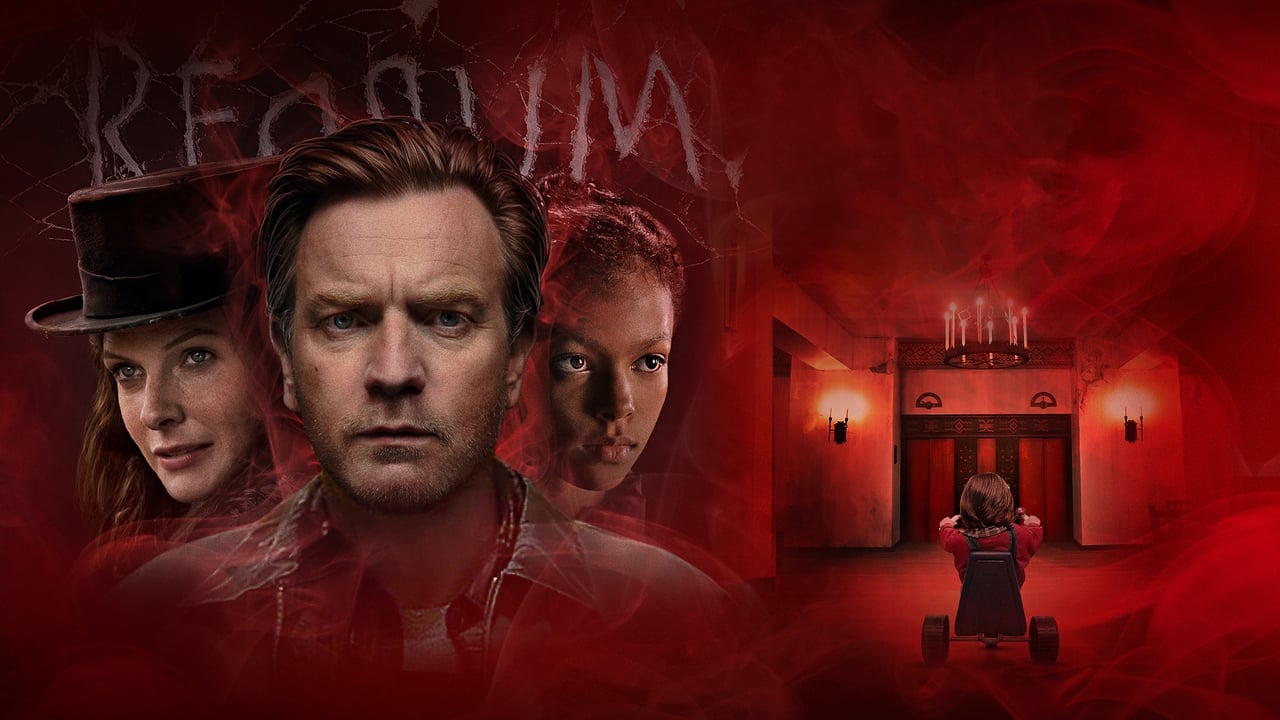
We have to talk about Rose the Hat. Rebecca Ferguson delivers a performance so charismatic and predatory that she practically walks away with the entire movie. Decked out in boho-chic layers and that tilted top hat, she leads the True Knot—a group of psychic vampires who are essentially Winnebago-driving "Bohemians from Hell."
They aren't your typical slasher villains. They are desperate, aging junkies terrified of their own mortality. There is a scene involving a young baseball player (a cameo by Jacob Tremblay) that is the most genuinely upsetting sequence in 21st-century mainstream horror. It isn't just about the gore; it’s about the prolonged, agonizing cruelty of those who think their survival justifies any atrocity. It’s dark, it’s intense, and it anchors the stakes in a way that makes the final confrontation feel like a necessity rather than a genre trope.
The Cult of the Director's Cut
While Doctor Sleep didn't exactly set the box office on fire in 2019—likely because audiences weren't sure if they wanted a three-hour sequel to a forty-year-old movie—it has rapidly ascended to cult royalty on streaming. The "Flanagan-verse" fans (fueled by The Haunting of Hill House) have rightfully reclaimed this as a masterpiece of craft.
Here are a few bits of connective tissue that make the production so special:
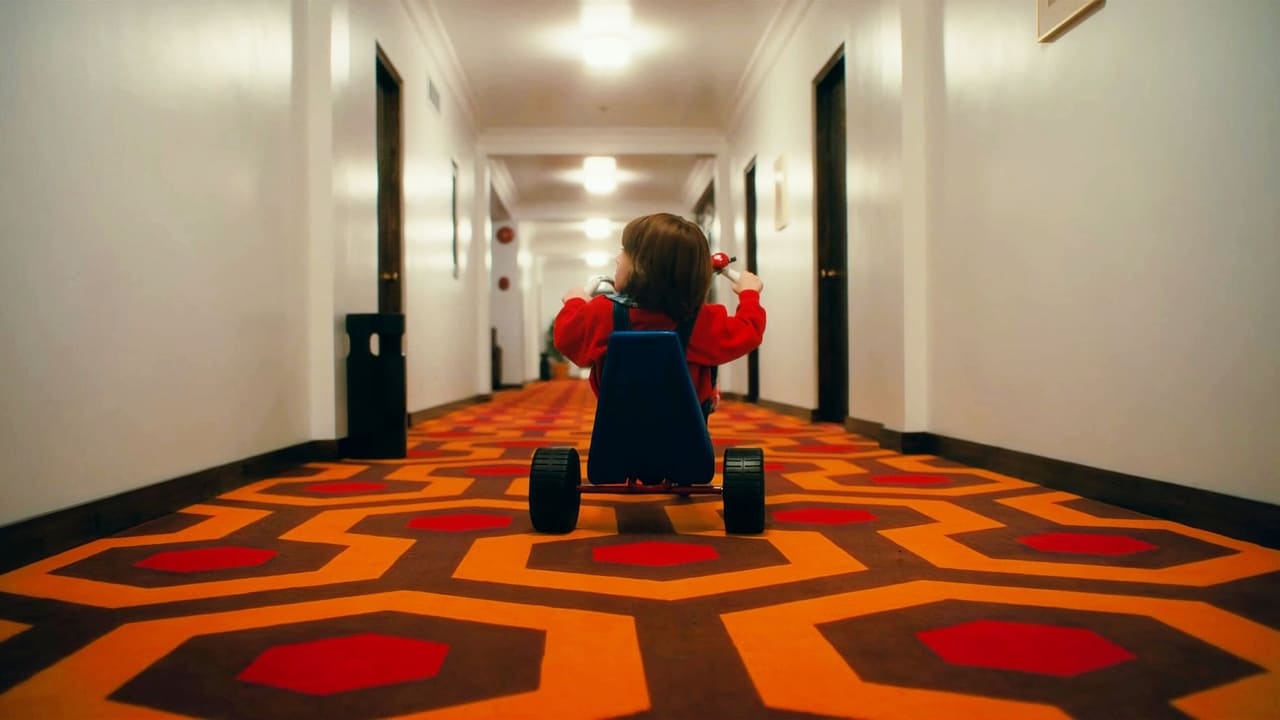
Flanagan insisted on using Kubrick’s original blueprints to recreate the Overlook Hotel sets. Every carpet pattern and door frame is an exact replica, though it’s a hot take of mine that the recreated Jack Torrance looks like a mid-tier Saturday Night Live caricature. The "Baseball Boy" scene was so intense that Rebecca Ferguson reportedly went around hugging Tremblay between takes because she felt so guilty about the "feeding" sequence. Stephen King was famously hesitant about the climax. Flanagan had to pitch him the idea of returning to the Overlook (which doesn't happen in the Doctor Sleep book) as a way to "finish" the story of the hotel that Kubrick left standing but King had burned down in his original Shining novel. The score by Taylor Stewart and The Newton Brothers uses the "Dies Irae" theme from the 1980 film but deconstructs it into a heartbeat-thumping drone that creates a sense of sustained dread. * The film features a cameo by Danny Lloyd, the original Danny Torrance from the 1980 film, sitting in the crowd during the baseball game.
In an era of "franchise fatigue" where every classic IP is being strip-mined for parts, Doctor Sleep stands as a defiant outlier. It respects the past without being enslaved by it. Mike Flanagan understood that the real horror of The Shining wasn't just a hotel; it was the cycle of addiction and the ghosts we inherit from our parents. It’s a massive, ambitious, and deeply moving film that manages to be a great Stephen King adaptation and a great Kubrick sequel simultaneously. If you’ve only seen the theatrical version, find the Director’s Cut immediately—it’s the version that truly breathes.

Keep Exploring...
-
Before I Wake
2016
-
Gerald's Game
2017
-
Ouija: Origin of Evil
2016
-
The Shining
1980
-
Hush
2016
-
Frankenstein
2025
-

Oculus
2014
-
Krampus
2015
-
Hereditary
2018
-
Midsommar
2019
-
The Lighthouse
2019
-
Fear Street: 1978
2021
-
The Menu
2022
-
Mandy
2018
-
Day Shift
2022
-
Renfield
2023
-
Train to Busan
2016
-

The House That Jack Built
2018
-
Last Night in Soho
2021
-

The Substance
2024