Downton Abbey
"The silver is polished. The drama is served."
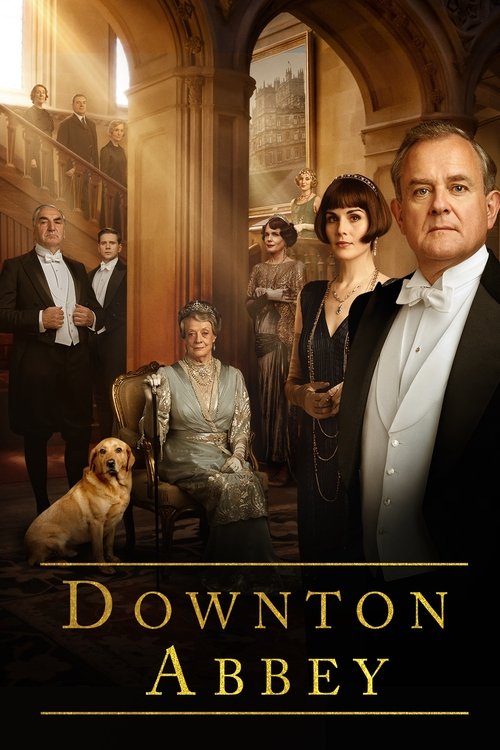
There is a specific, Pavlovian response that occurs the moment those first tinkling piano notes of John Lunn’s score hit the airwaves. It’s the sound of a high-end security blanket. For six seasons, Downton Abbey wasn't just a television show; it was a weekly ritual of low-stakes high-drama, where the gravest threat was often a misplaced letter or a poorly decanted port. When the 2019 film arrived, it didn't try to reinvent the wheel—or the horse-drawn carriage. Instead, it leaned into the sheer, unadulterated spectacle of British poshness, proving that in an era of cinematic universes and grim reboots, sometimes people just want to see a very tidy house.
I watched this film while wearing a pair of fuzzy socks that had a hole in the big toe, an sartorial failure that felt like a direct personal insult to the Crawley family’s rigid dress code. Yet, that’s the magic of this franchise: it invites you into a world of impossible standards from the comfort of your own disheveled reality.
A Royal Distraction
The plot is elegantly thin: The King and Queen are coming to visit. That’s it. That is the "inciting incident." In any other 2019 blockbuster, a royal visit might be the backdrop for an assassination plot or a secret revolution, but here, the primary tension involves whether the local staff will be allowed to serve the soup or if the "King’s People" will take over the kitchen. It is essentially a two-hour argument about who gets to pour the wine, and I was riveted.
By 2019, the "Legacy Sequel" had become a Hollywood staple, but Downton did something different. It wasn't trying to pass the torch to a younger, more diverse generation or "deconstruct" its own mythos. It was a victory lap. Director Michael Engler, a veteran of the series, treats the Yorkshire countryside with the kind of reverent cinematography usually reserved for alien planets in a Ridley Scott epic. Every shot of Highclere Castle is designed to make you gasp at the sheer scale of the upkeep.
The Upstairs/Downstairs Ensemble

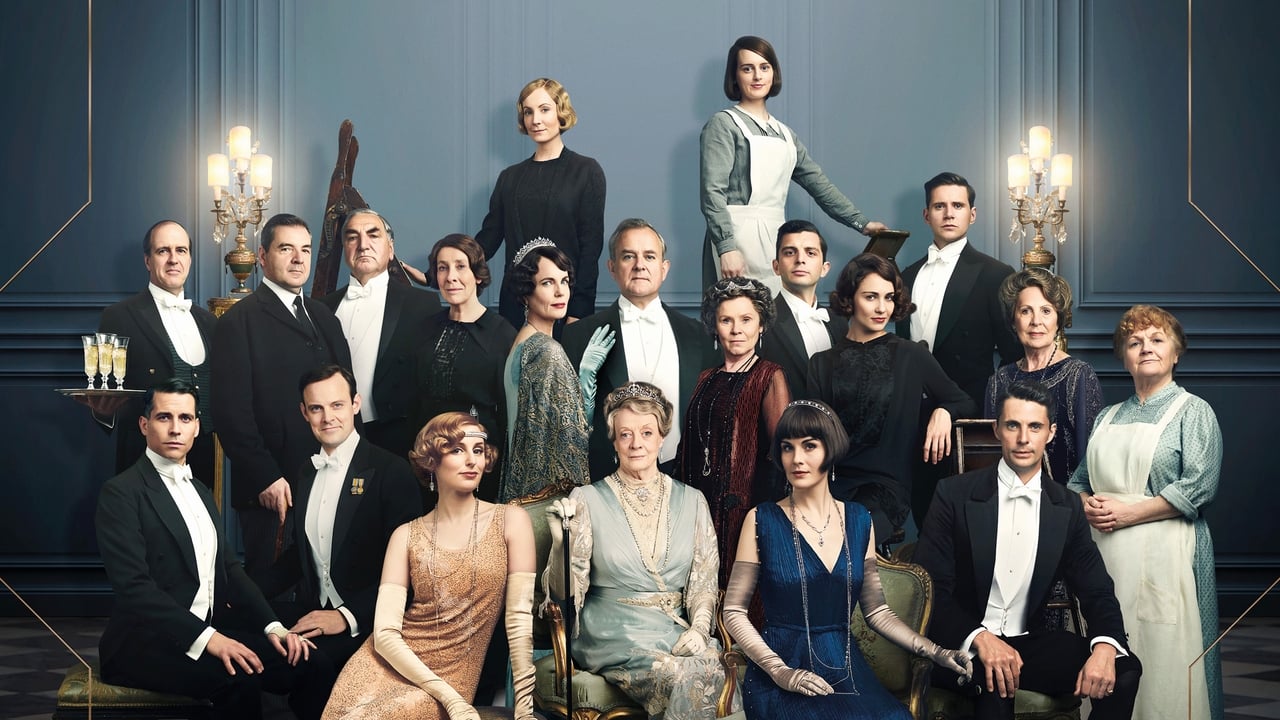
The transition from the small screen to the 1.85:1 aspect ratio gives the cast room to breathe, though the screenplay by Julian Fellowes is so densely packed with subplots it occasionally feels like a frantic game of character musical chairs. Hugh Bonneville returns as Robert Crawley, playing the Earl with that familiar blend of paternal warmth and slight bewilderment at the modern world. Meanwhile, Michelle Dockery as Mary Crawley continues to be the film’s steely spine, managing the estate’s future while delivering lines with a precision that could cut diamonds.
The real joy, however, remains below stairs. The return of Jim Carter as the retired Mr. Carson is framed like a superhero coming out of retirement for one last job. When he marches back onto the property to defend the honor of the Downton pantry, you half expect him to have a utility belt filled with silver polish. The film also finds lovely, quiet moments for Raquel Cassidy as Baxter and Brendan Coyle as Bates, though poor Laura Carmichael’s Edith still seems to be fighting for her share of the spotlight amidst the royal chaos.
The $194 Million Tea Party
From a contemporary industry perspective, Downton Abbey was a fascinating anomaly. Released in a year dominated by Avengers: Endgame and Joker, it pulled in a staggering $194 million on a modest $20 million budget. It proved that there was—and is—a massive, underserved theatrical audience that doesn't care about CGI capes but will show up in droves for well-tailored wool coats.
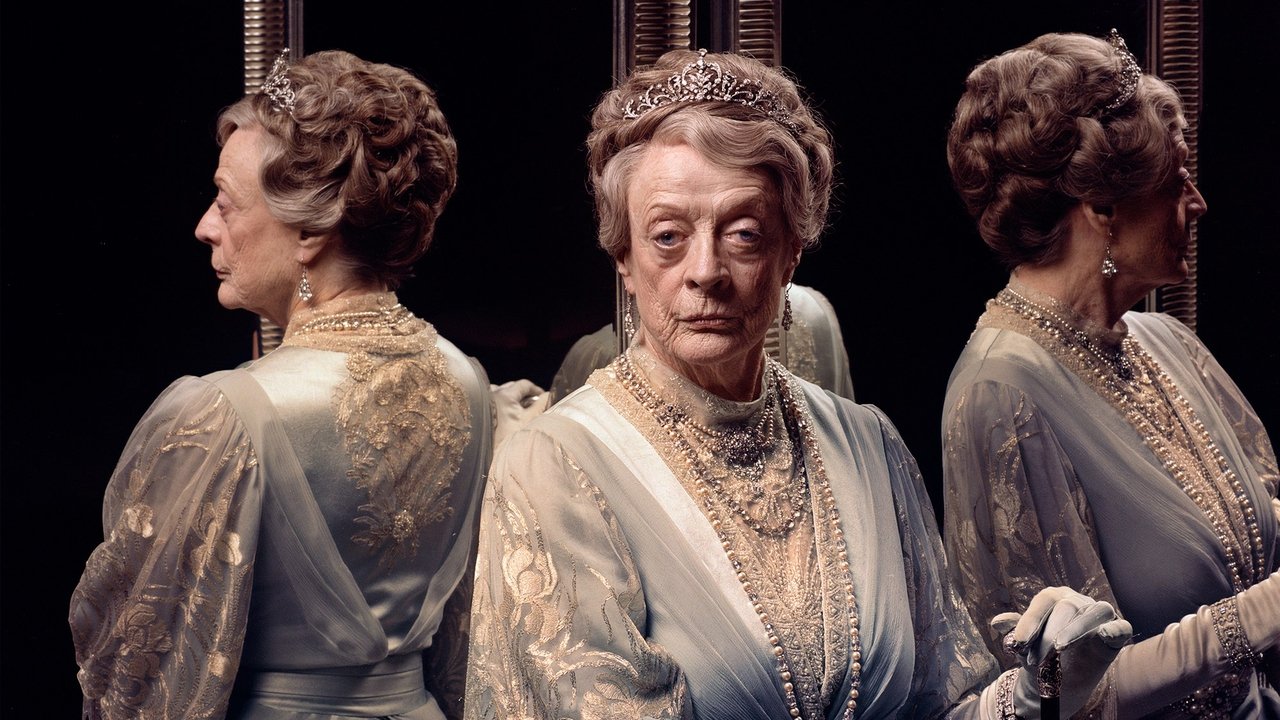
The production didn't just coast on its TV laurels, either. The "Stuff You Didn't Notice" department is deep here: the central plot of a royal visit was actually inspired by a real-life trip King George V and Queen Mary took to Wentworth Woodhouse in 1912. The filmmakers obsessed over the details, hiring "etiquette consultants" to ensure every bow and every placement of a fish knife was historically accurate. That level of craft matters because Downton is, at its heart, a procedural about a lifestyle that no longer exists.
However, looking at it through a 2024 lens, the film is unapologetically a piece of Tory-core propaganda that views the class system through the rosiest of glasses. The servants aren't fighting for higher wages; they’re fighting for the "privilege" of serving the monarchy. It’s an idealized, cozy version of history that ignores the encroaching shadows of the 20th century in favor of a well-timed quip from the Dowager Countess.
If you aren't already a fan of the series, this movie will feel like jumping into the middle of someone else’s family reunion. But for those of us who spent years worrying about Matthew Crawley’s estate taxes, it’s a gorgeous, cinematic hug. It’s a film that understands exactly what its audience wants: beautiful clothes, sharp insults, and the comforting lie that if we just polish the silver well enough, the world will stop changing for a little while. It’s not "prestige cinema" in the academic sense, but it is a masterclass in knowing your brand and delivering it with a silver spoon.
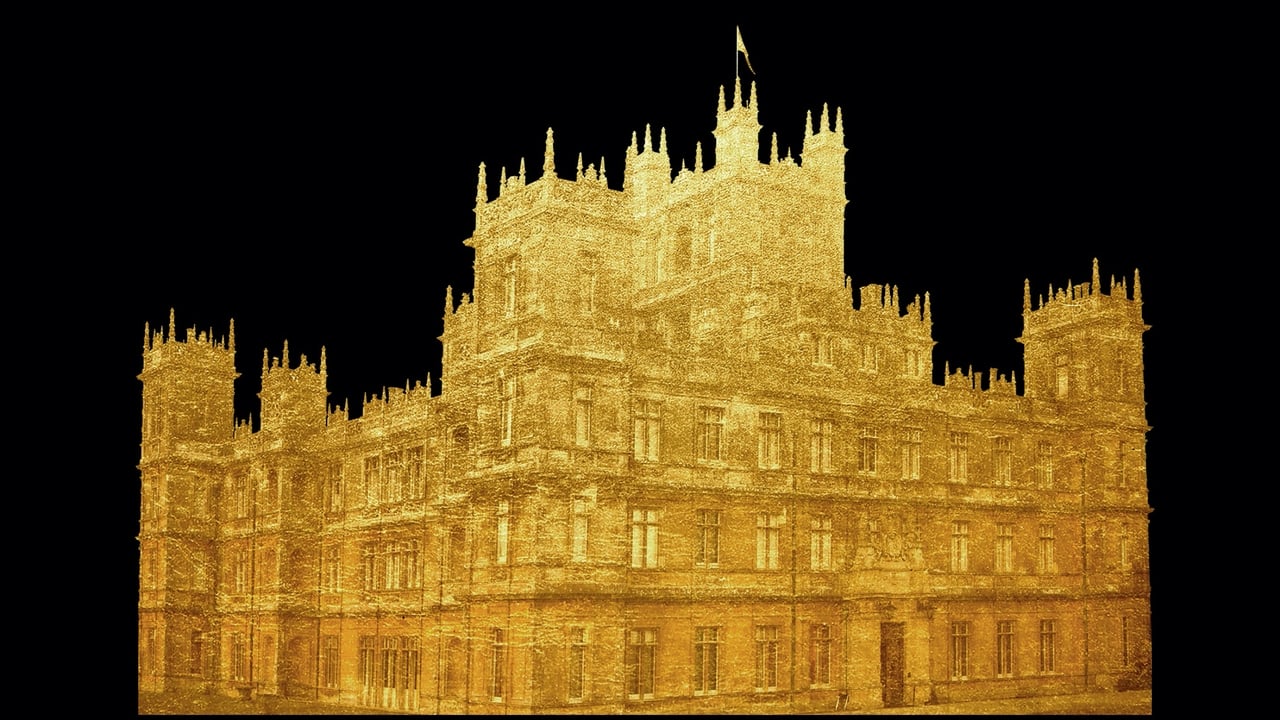
Keep Exploring...
-
Brooklyn
2015
-
Little Women
2019
-
Portrait of a Lady on Fire
2019
-
Benedetta
2021
-
Bridget Jones's Baby
2016
-
Darkest Hour
2017
-
The Guernsey Literary & Potato Peel Pie Society
2018
-
Radioactive
2020
-
Ip Man 3
2015
-
The Shape of Water
2017
-
A Star Is Born
2018
-
Ticket to Paradise
2022
-
Where the Crawdads Sing
2022
-
It Ends with Us
2024
-
Cinderella
2015
-

Everest
2015
-

Sully
2016
-
The Post
2017
-
Fifty Shades Freed
2018
-
Ip Man 4: The Finale
2019