Dragged Across Concrete
"The slowest burn ever to scorch the screen."
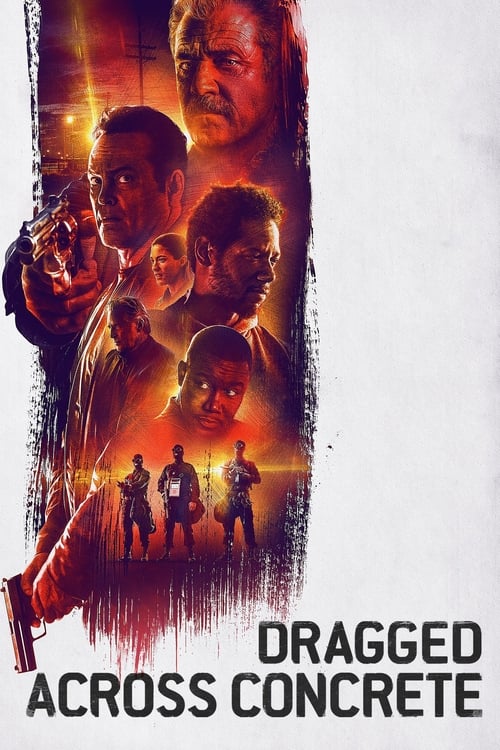
Most action movies treat time like an enemy to be conquered, sprinting through set pieces as if the projector might explode if the pace drops below eighty miles per hour. S. Craig Zahler’s Dragged Across Concrete treats time like a heavy, wet blanket. It’s 159 minutes long—a runtime usually reserved for sprawling historical epics or superhero crossovers—and yet it spends about two-thirds of that time inside a parked car. I watched this on a humid Tuesday evening while wearing a pair of wool socks with a hole in the left toe; by the end of the film, I’d managed to wiggle my entire foot through it out of sheer nervous energy.
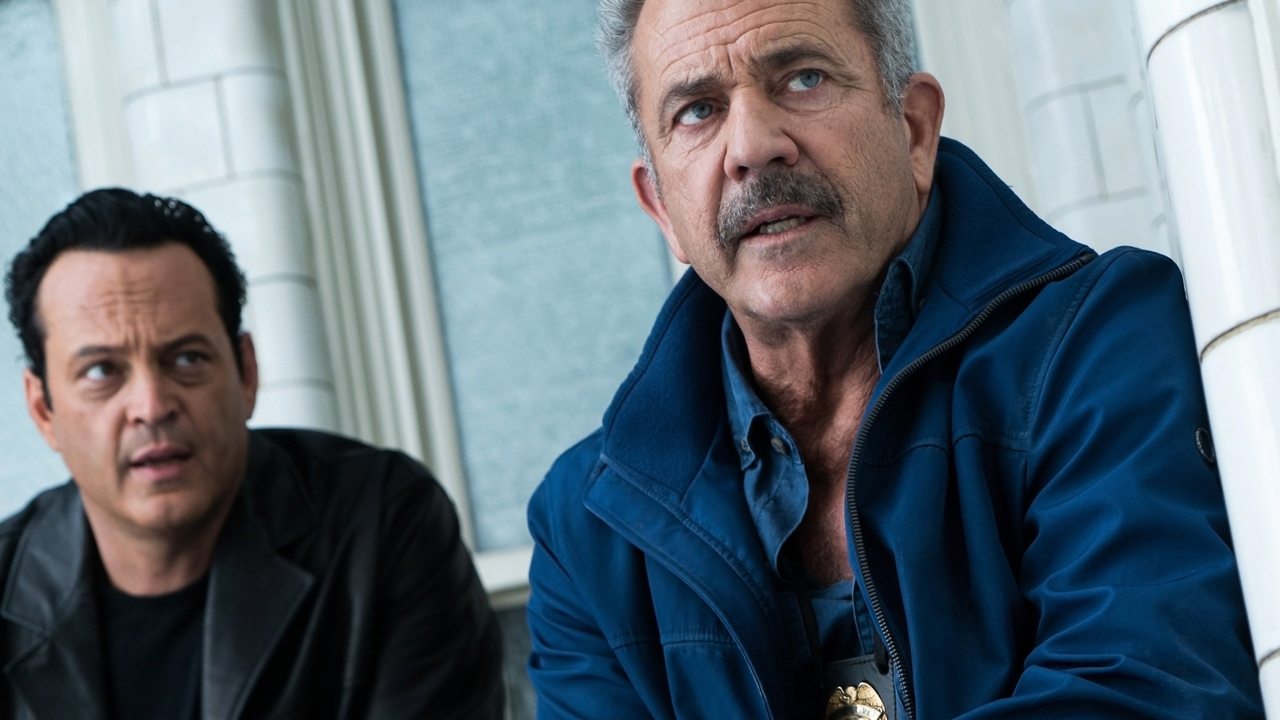
Released in 2019, just before the world hit a collective "pause" button, this film felt like a relic even when it was new. It arrived amidst a swirling vortex of social media discourse regarding police conduct and the "cancelation" of its lead, Mel Gibson. But if you step away from the Twitter-fueled firestorms, you find a crime saga that is stubbornly, almost heroically, committed to its own internal rhythm. It’s a movie that asks you to sit in the boredom of a stakeout until the boredom becomes a physical weight, only to then shatter that stillness with bursts of violence so blunt they feel like a punch to the solar plexus.
A Masterclass in Pulp Patience
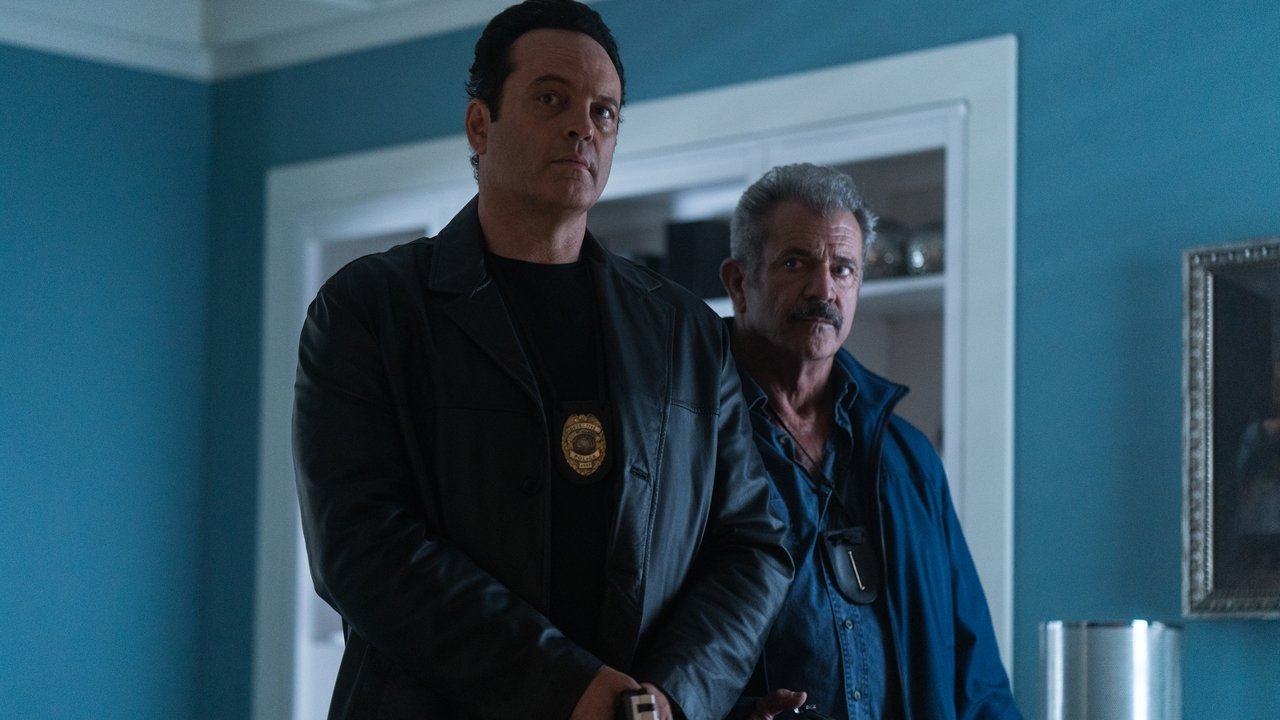
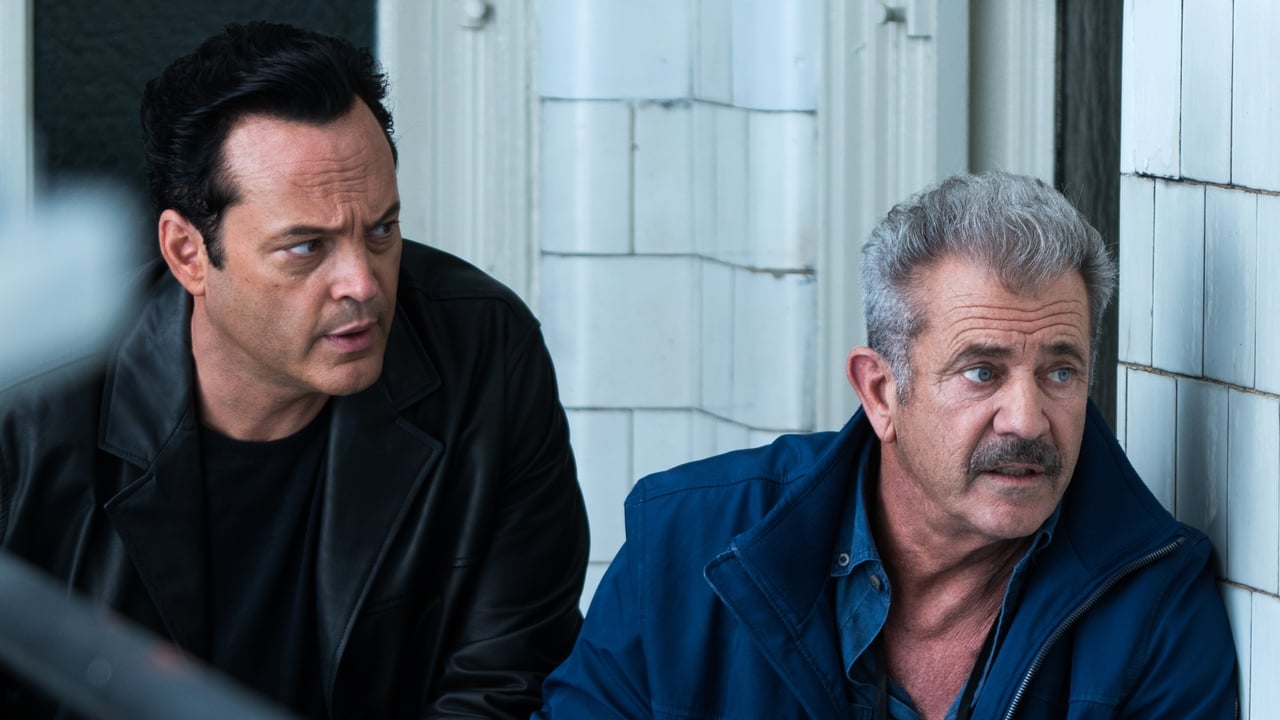
The plot is meat-and-potatoes noir: Ridgeman (Mel Gibson) and Lurasetti (Vince Vaughn) are two detectives suspended without pay after a video of them being "overly enthusiastic" during an arrest goes viral. Ridgeman, an old dog who never learned new tricks, decides to use his skill set to track a professional thief and intercept a score. Meanwhile, Henry Johns (Tory Kittles, who absolutely steals the movie from his more famous co-stars) is a recently paroled man trying to save his family from poverty by taking a job as a getaway driver.
Dragged Across Concrete is essentially a 160-minute stakeout where the coffee is cold and the morality is colder. Zahler, who also wrote the screenplay and composed the score, doesn’t do "quick cuts." He lets scenes breathe until they turn blue in the face. There is a sequence involving Vince Vaughn eating an egg salad sandwich that lasts longer than some entire fight scenes in a John Wick sequel. It sounds tedious, but it builds a strange, hypnotic intimacy. By the time the bullets actually start flying, you aren't just watching archetypes; you’re watching people whose breathing patterns you’ve practically memorized.
The Grime of Reality
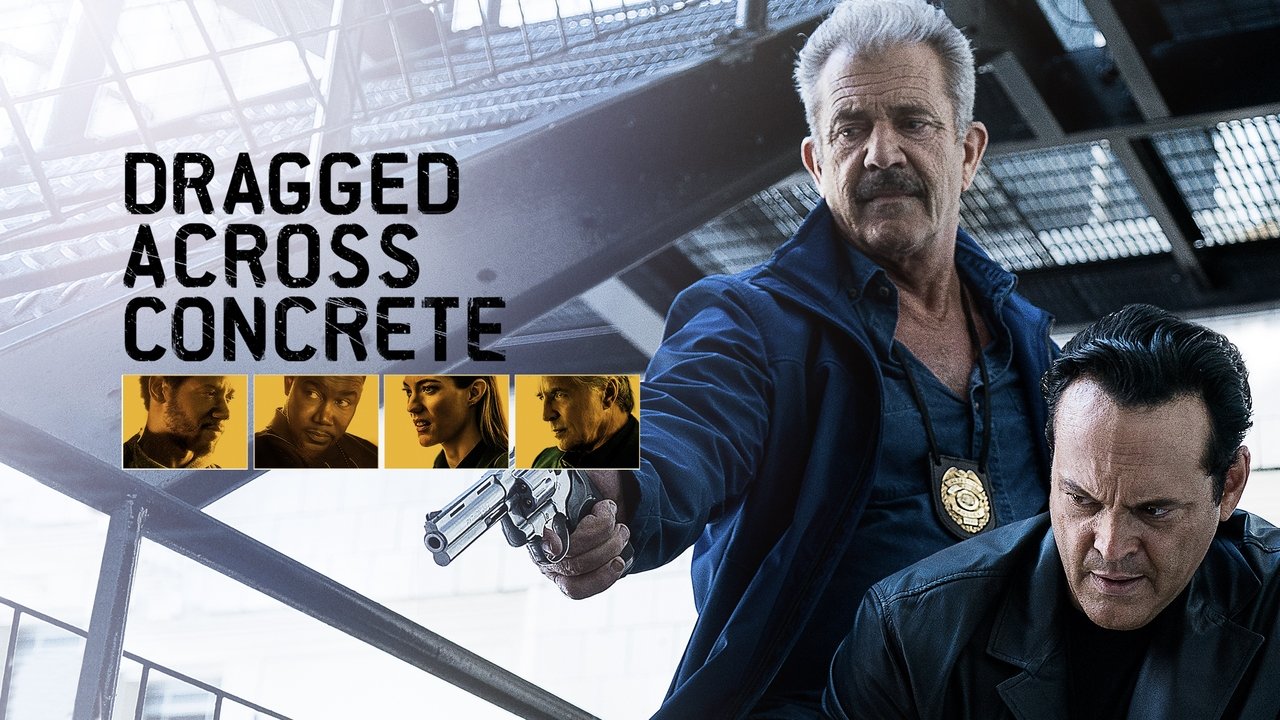
From a technical standpoint, this is "Action" in the way a car crash is action—it's about momentum, impact, and the ugly aftermath. The cinematography by Benji Bakshi (who also shot Zahler’s Bone Tomahawk and Brawl in Cell Block 99) is desaturated and oppressive. Everything looks like it’s been dusted with a layer of fine, grey soot. It’s a far cry from the neon-soaked "pulp" we usually see in contemporary thrillers like John Wick or Atomic Blonde.
The sound design is where the film’s "contemporary" edge really sharpens. There is no sweeping orchestral score to tell you how to feel. Instead, the soundtrack is dominated by the humming of car engines, the clicking of turn signals, and the horrific, wet thud of consequences. When Michael Jai White and Tory Kittles are in that armored van, the silence is more deafening than any explosion. Zahler’s background as a novelist shines through here; the dialogue is stylized, hyper-masculine, and rhythmic, sounding more like a 1950s hardboiled paperback than a 2019 screenplay.
Why It Vanished (And Why It Matters)
Financially, the film was a ghost. It pulled in less than a million dollars at the box office against a $15 million budget. In an era of franchise dominance, a three-hour, nihilistic crime drama starring a controversial Mel Gibson was never going to be a four-quadrant hit. It was dumped into a limited theatrical run and quickly funneled toward VOD platforms, where it has slowly cultivated a cult following among those who miss the "mean" movies of the 70s like The French Connection.
There’s a subplot involving Jennifer Carpenter as a mother returning to work after maternity leave that is genuinely one of the most polarizing sequences I’ve seen in modern cinema. It’s a cruel, agonizing detour that serves almost no narrative purpose other than to remind the audience that the world of this film is indifferent to your feelings. It’s the cinematic equivalent of a middle finger to "save the cat" screenwriting tropes.
The "stuff you didn't notice" department is equally fascinating. Zahler, a true polymath, co-wrote all the soul tracks heard on the radio throughout the film, specifically tailoring the lyrics to reflect the characters' inner turmoil. It’s that level of obsessive detail that makes this more than just a "cop movie." It’s a singular vision of a decaying urban landscape, captured just before the streaming algorithms decided that everything needs to be "content" rather than "cinema."
If you have the stomach for it and the patience to let it unfold, this is a rewarding, albeit exhausting, experience. It doesn't offer easy answers or likable heroes; it just offers a front-row seat to a slow-motion wreck. It’s a film that demands your attention and then punishes you for giving it, which is a rare, masochistic thrill in today’s sanitized movie landscape. Grab a sandwich—maybe not egg salad—and settle in for the long haul.
Keep Exploring...
-
Brawl in Cell Block 99
2017
-
Rebel Ridge
2024
-
Heist
2015
-

Wild Card
2015
-
Security
2017
-
Hotel Artemis
2018
-
Black and Blue
2019
-
Copshop
2021
-

Gunpowder Milkshake
2021
-
The Stronghold
2021
-
Blood Father
2016
-
Batman vs. Robin
2015
-
Honest Thief
2020
-
Lost Bullet
2020
-
Below Zero
2021
-
Silent Night
2023
-
A Working Man
2025
-
Sicario
2015
-
Survivor
2015
-
Patriots Day
2016