Dumbo
"A gothic flight through a corporate circus."
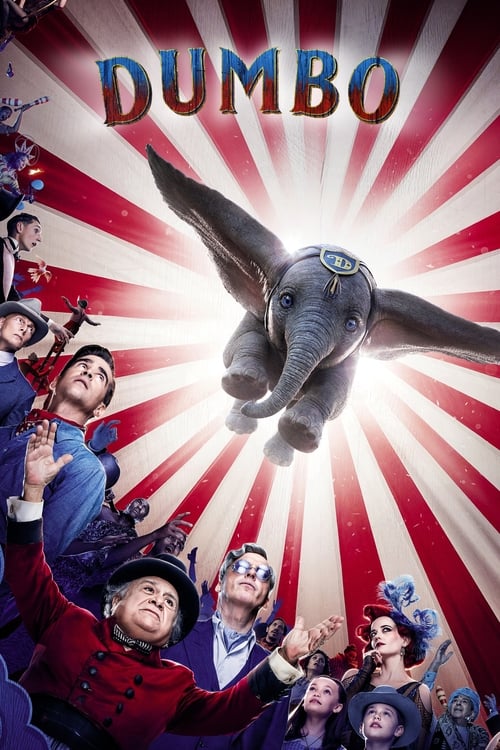
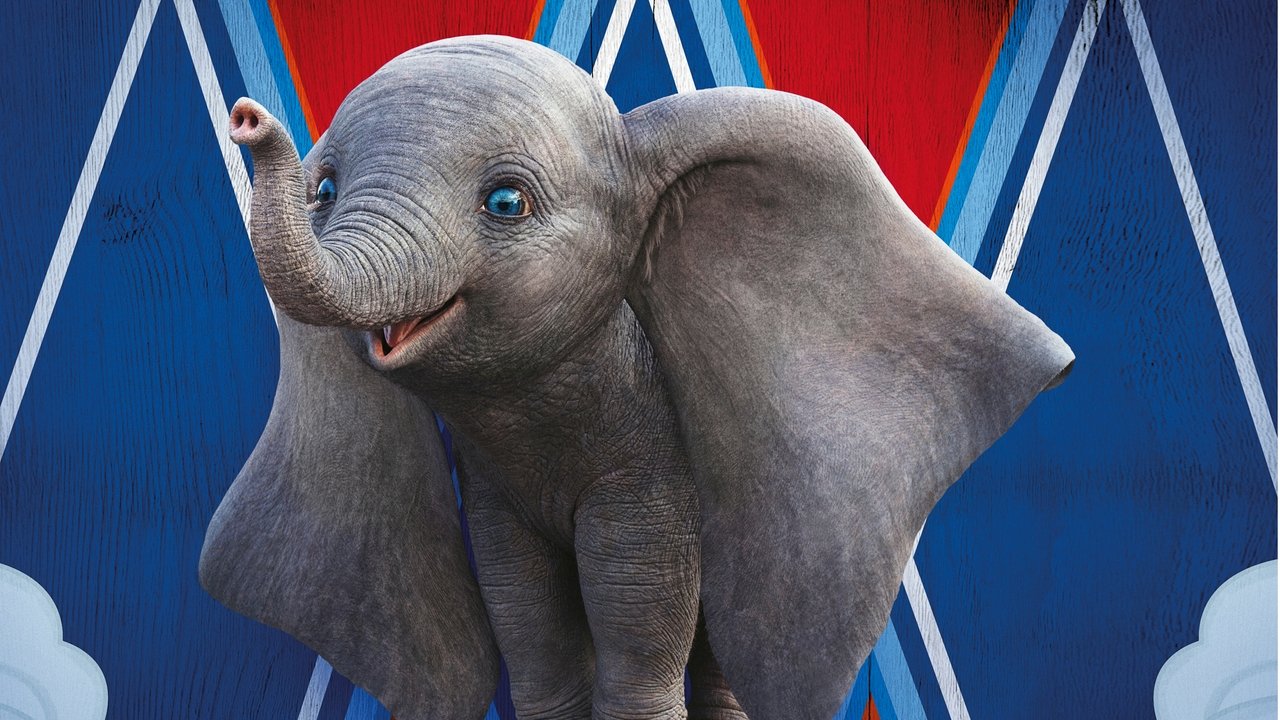
The sight of a CGI elephant with soulful, watery eyes and ears the size of patio umbrellas shouldn’t feel like a radical act of corporate sabotage, yet here we are. When Disney handed the keys to the 1941 animated classic to Tim Burton, they weren’t just buying a remake; they were inviting a high-concept goth to rearrange the furniture in their pristine Magic Kingdom. Released in 2019, a year when Disney was effectively printing money with "live-action" updates like The Lion King and Aladdin, Dumbo arrived as the strange, melancholy middle child that didn’t quite fit in at the family reunion.
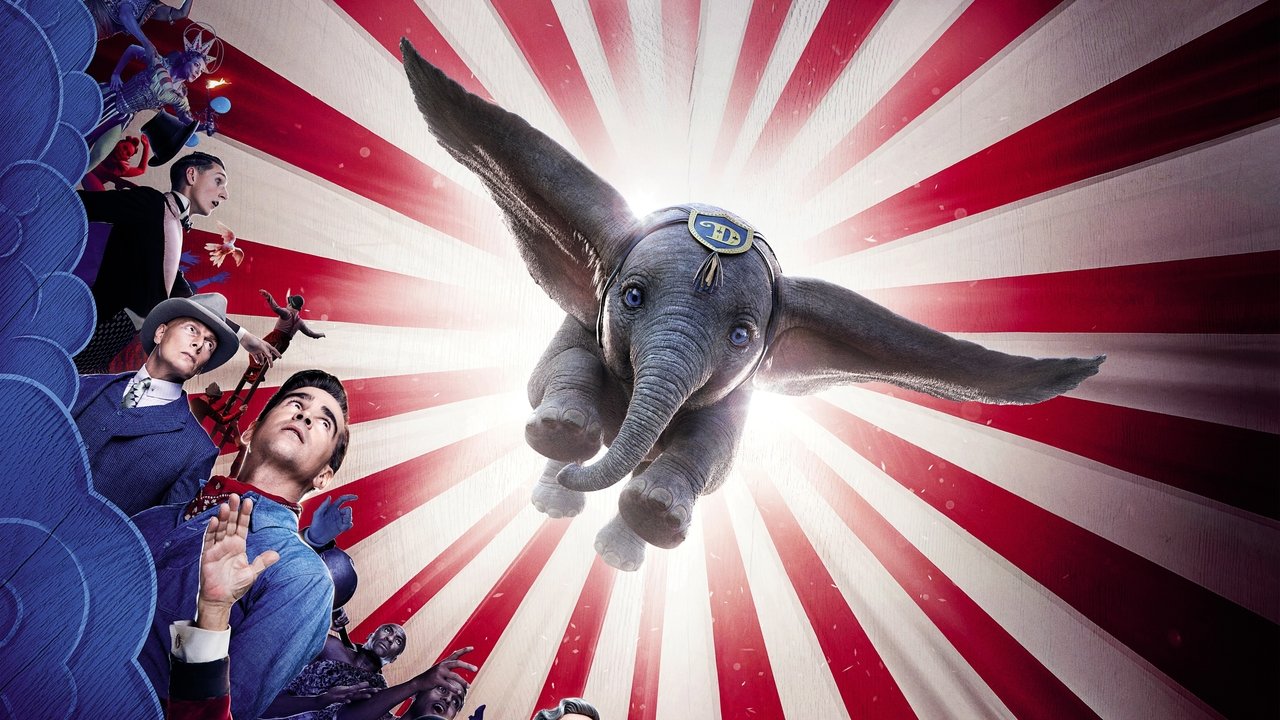
I watched this on a Tuesday night while trying to ignore the fact that my cat had just puked on a very expensive rug, and honestly, the film’s inherent gloominess matched my mood perfectly. While its contemporaries were busy tracing over original cells with surgical precision, Burton’s Dumbo decides to finish the original plot in thirty minutes and spend the rest of its runtime as a critique of the very industry that funded it. It’s an adventure film wrapped in a funeral shroud, and I find that endlessly more interesting than a frame-for-frame copy.
The Batman Returns Reunion
The real joy for me wasn't the flying elephant—though the tech used to make Dumbo look tangible is legitimately impressive—it was the casting. Seeing Danny DeVito and Michael Keaton on screen together in a Tim Burton film feels like a direct hit of 1992 nostalgia. DeVito plays Max Medici, the harried owner of a struggling circus, with a warmth that reminds me why he’s a national treasure. On the flip side, Keaton enters the frame as V.A. Vandevere, a predatory entrepreneur who wants to buy Dumbo for his massive, gleaming amusement park, "Dreamland."
Keaton is chewing so much scenery here he probably didn't need a craft services budget. He plays Vandevere with a slick, wig-wearing menace that feels like a dark reflection of Walt Disney himself. It is a wild, borderline-subversive choice. Disney essentially paid Tim Burton $170 million to make a movie about why monolithic entertainment conglomerates are evil. Watching Vandevere try to commodify wonder while Eva Green (looking like a literal emerald in her trapeze costumes) looks on with regret is the kind of meta-commentary you just don’t see in the MCU.
A Different Kind of Adventure
In this era of franchise saturation, adventure usually means "the world is ending and we need six glowing stones to stop it." Dumbo scales things back to a more intimate, human level, even if the backdrop is a massive Art Deco nightmare. The journey isn't across the globe; it’s the physical and emotional trek from the mud of a traveling circus to the cold, neon lights of corporate greed. Colin Farrell plays Holt Farrier, a war veteran who has lost an arm and his wife, trying to reconnect with his kids (Nico Parker and Finley Hobbins).
Farrell is a great actor, but he’s often at his best when he’s allowed to be weird or soulful, and here he’s the grounded heart of a very flashy machine. The adventure kicks into high gear during the third act, as the "Medici Family" has to stage a heist to rescue Dumbo’s mother. It’s a classic "let's get the gang back together" sequence that leans heavily into the camaraderie of the circus performers. While the kids are a bit stiff—a common critique of contemporary child acting in the face of massive green screens—the sheer scale of the sets helps carry the momentum. Unlike many modern films that rely on "The Volume," Burton insisted on building massive, physical sets for Dreamland, and you can feel the weight of the architecture.
The Misfit’s Manual
What makes Dumbo a bit of a cult curiosity today is how much it deviates from the 1941 version. There are no talking crows (for obvious reasons regarding modern representation and historical baggage) and the animals don't speak at all. This forces the film to rely on visual storytelling. The "Pink Elephants on Parade" sequence, which terrified me as a kid, is reimagined here as a stunning bubble-art performance. It’s a clever nod that acknowledges the history without being a slave to it.
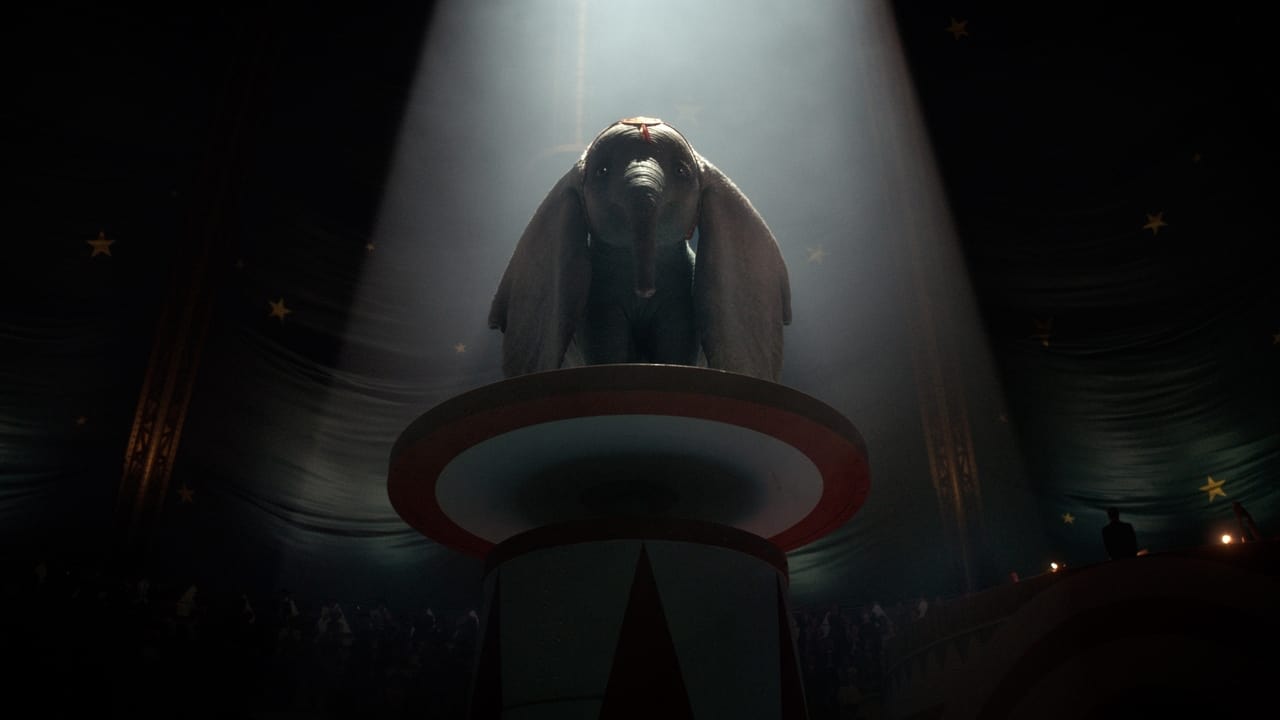
Turns out, Tim Burton actually hated his time as a young animator at Disney, and you can feel that friction in every frame of this movie. The trivia hounds will love knowing that this was the third time Keaton and Burton worked together, and the first time they’d teamed up since Batman Returns. There’s also a bit of a "lost" feel to the production; Farrell actually learned to ride a horse with one hand for the role, though much of the circus spectacle was augmented later. It’s a film that exists in the tension between practical craft and the streaming-era demand for seamless CGI.
The film isn't a masterpiece—it occasionally gets bogged down in its own shadows, and the pacing in the second act feels a bit like a slow-moving train car. However, in a decade of "safe" cinematic choices, I appreciate a film that feels this idiosyncratic. It’s a story about an outsider made by an outsider who happened to have a massive studio's checkbook. If you’re tired of the same old hero's journey and want an adventure that feels a little more gothic and a lot more cynical about the "business" of show business, this elephant still has enough lift to get off the ground.
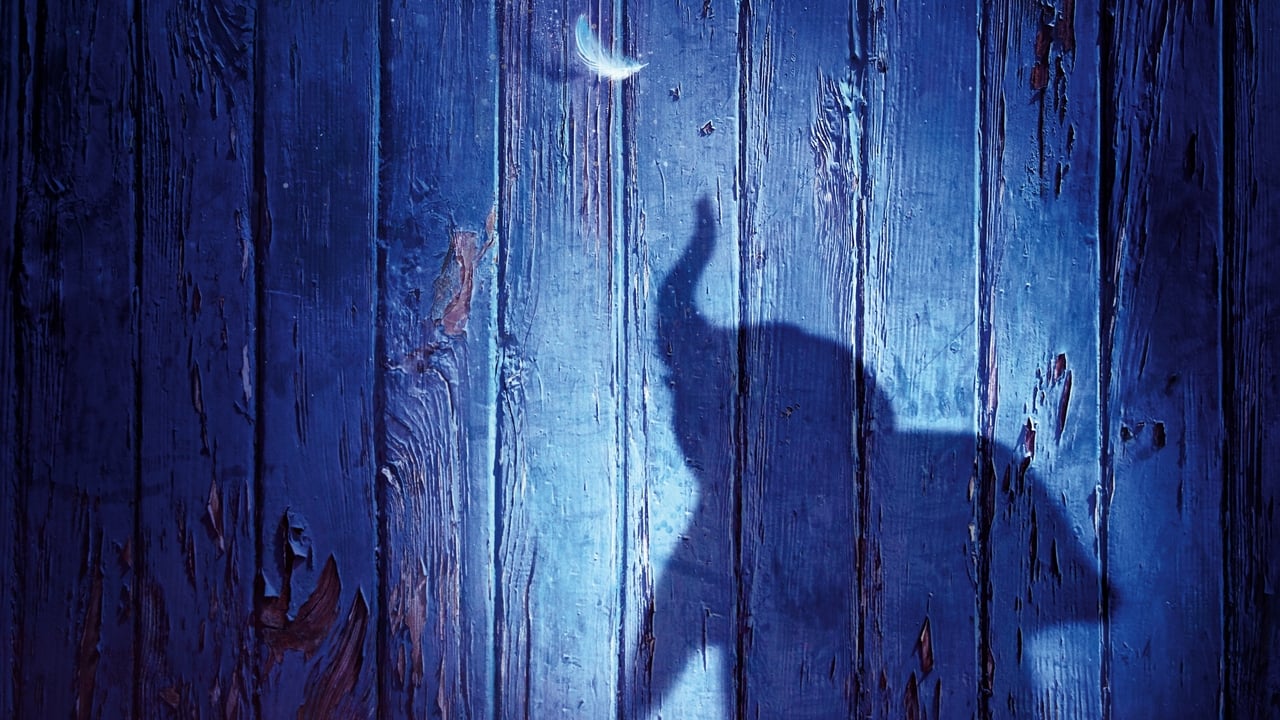
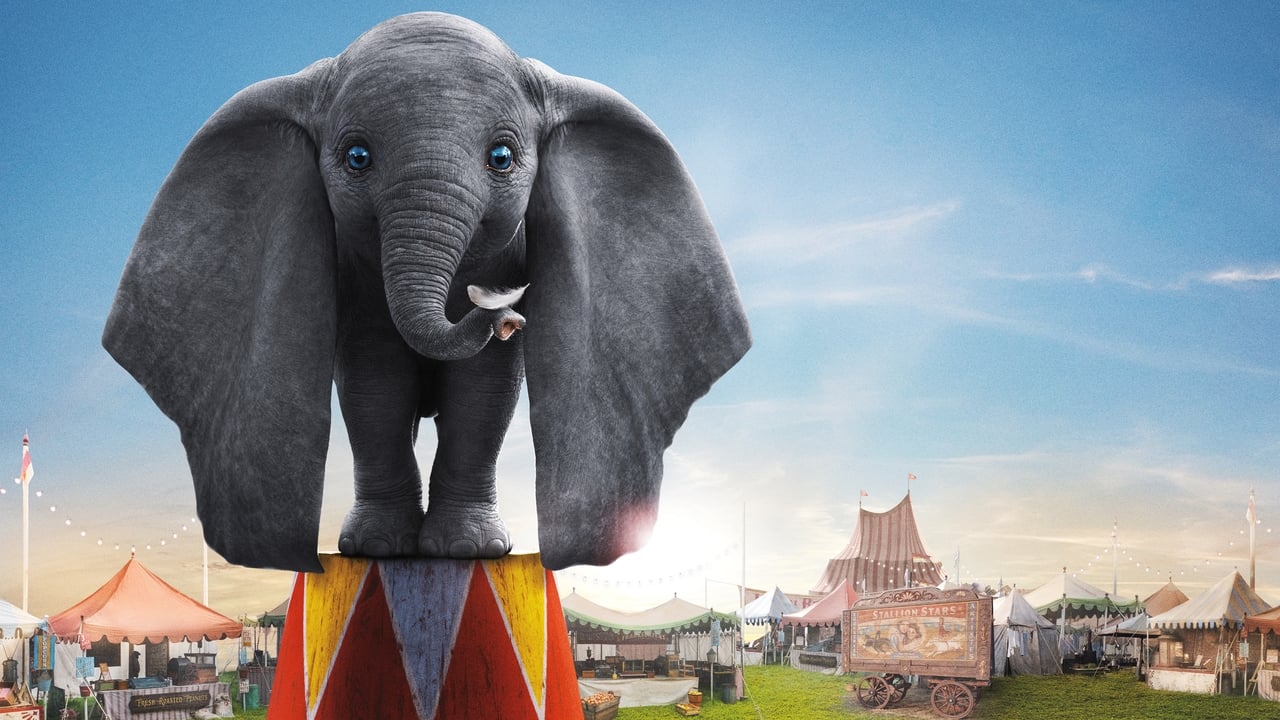
Keep Exploring...
-
Miss Peregrine's Home for Peculiar Children
2016
-
Alice Through the Looking Glass
2016
-
Pete's Dragon
2016
-

The BFG
2016
-

Trolls
2016
-
The Nutcracker and the Four Realms
2018
-
Maleficent: Mistress of Evil
2019
-
Dolittle
2020
-
Trolls World Tour
2020
-
Jungle Cruise
2021
-

Hotel Transylvania: Transformania
2022
-
The Little Mermaid
2023
-
Descendants
2015
-

Pan
2015
-
Christopher Robin
2018
-

Minions: The Rise of Gru
2022
-
A Monster Calls
2016
-
Charlie and the Chocolate Factory
2005
-
Alice in Wonderland
2010
-
The SpongeBob Movie: Sponge Out of Water
2015