El Camino: A Breaking Bad Movie
"The long, cold walk toward a clean slate."
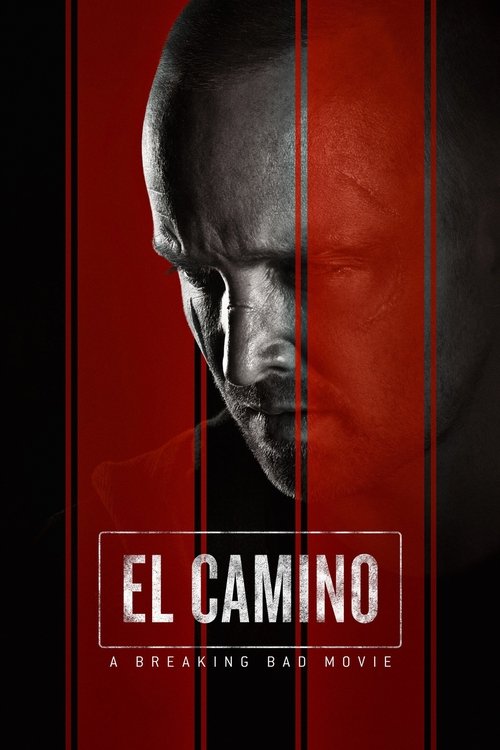
The last time we saw Jesse Pinkman in 2013, he was screaming. It wasn't a scream of victory, despite the carnage he’d just escaped; it was the harrowing, jagged sound of a man who had been hollowed out and left to rattle. For six years, that image of a scarred Jesse barreling through a chain-link fence in a stolen El Camino was the end of the road. We didn't need more, but Vince Gilligan—a man who treats narrative loose ends like unexploded ordnance—decided we deserved a proper goodbye.
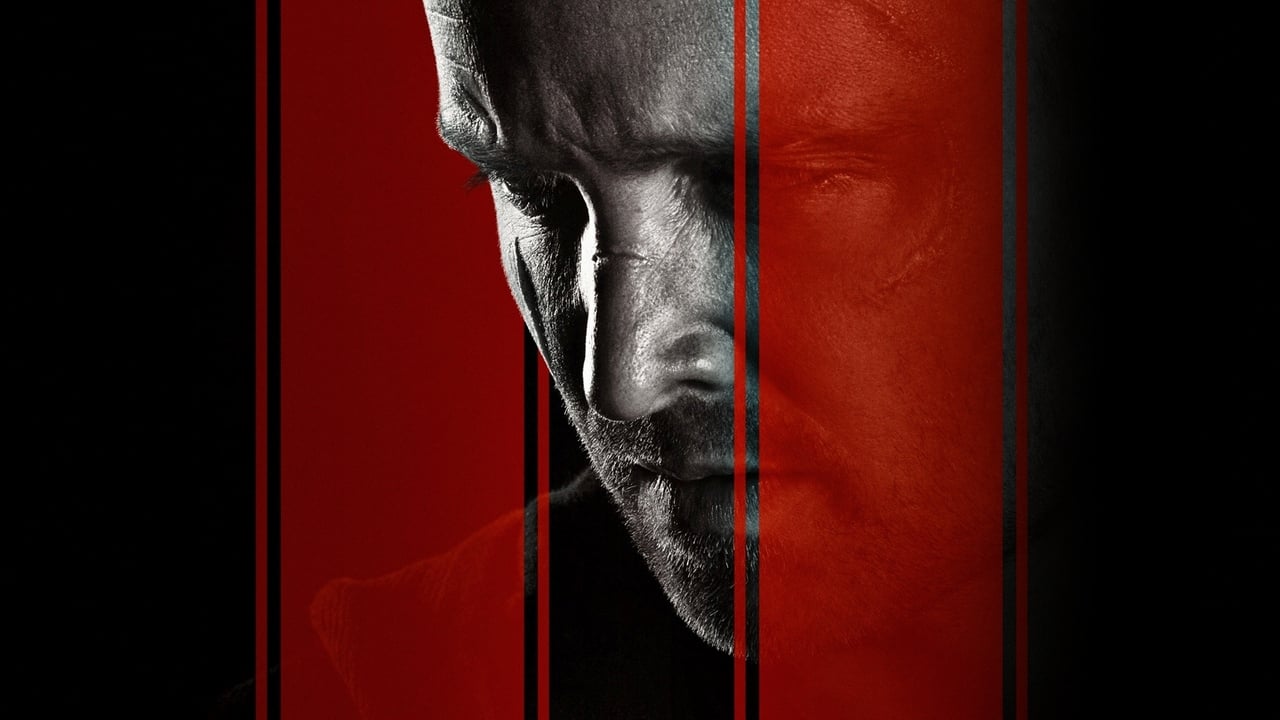
I watched El Camino on my couch at 2:00 AM the day it hit Netflix, sitting next to a half-eaten bowl of cold cereal and a cat that wouldn't stop sneezing on my leg. That mundane setting felt entirely wrong for the tension on screen. This isn't just a "long episode" of Breaking Bad; it is a somber, cinematic Western that swaps out horses for a dusty Chevy and six-shooters for the crushing weight of PTSD.
The Heavy Silence of Survival
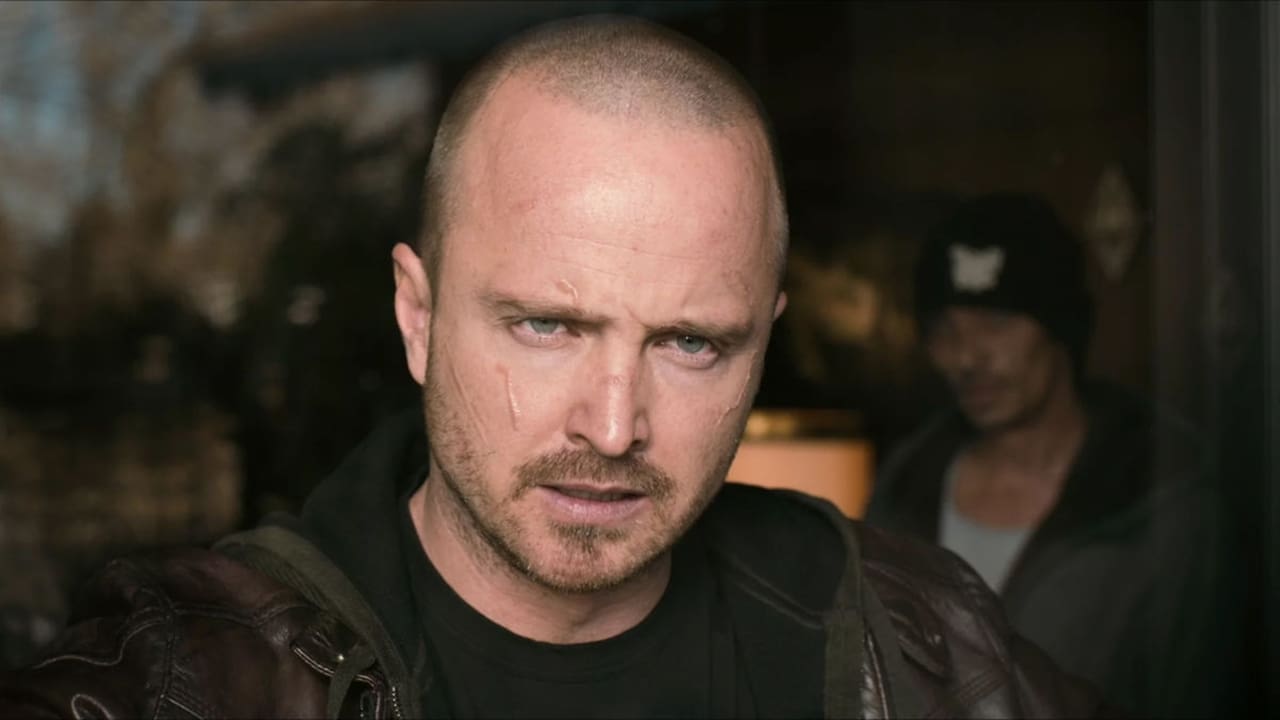
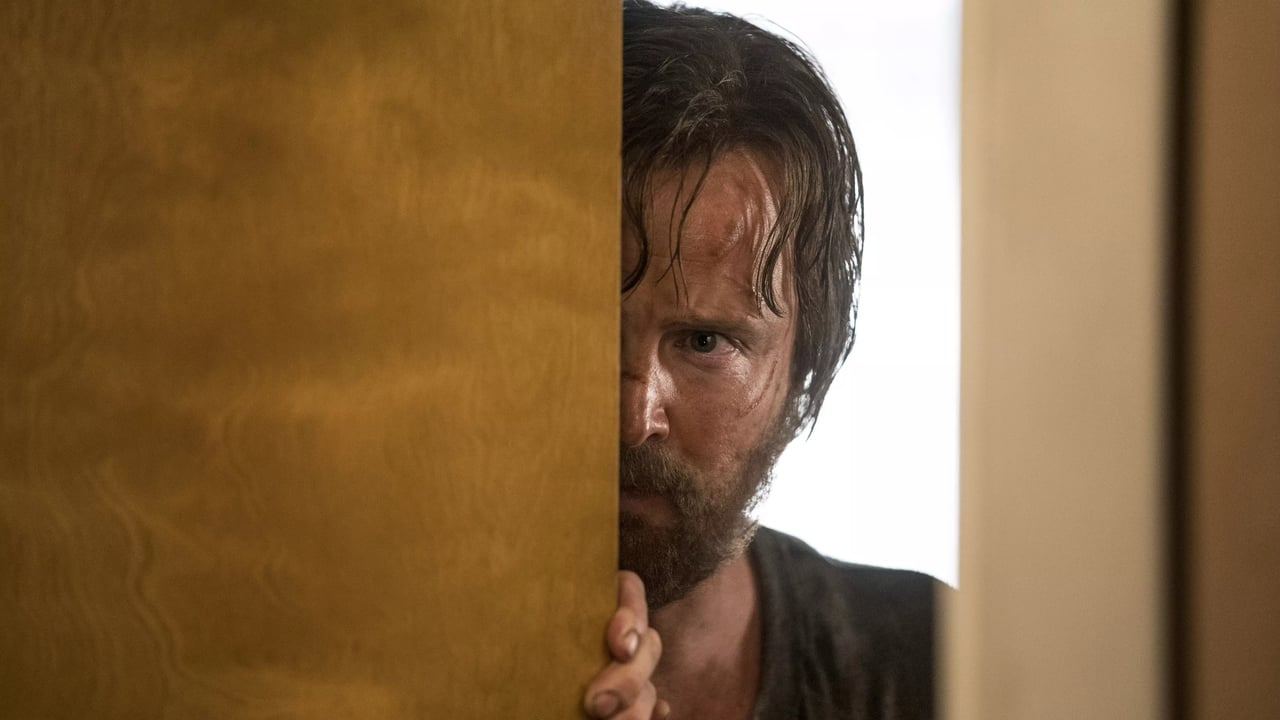
If Breaking Bad was about the explosive transformation of Walter White, El Camino is about the quiet, agonizing reconstruction of Jesse Pinkman. Aaron Paul steps back into this role with a physicality that is frankly upsetting. He isn't the "Science, bitch!" kid anymore. He carries his shoulders like he’s expecting the sky to fall, and his eyes have the thousand-yard stare of someone who has seen the bottom of a very deep, very dark hole.
The film operates on two timelines, and while the "present day" escape is a tight, high-stakes thriller, the flashbacks are where the real psychological bloodletting happens. Jesse Plemons returns as Todd, and his performance remains one of the most chilling portrayals of "polite" psychopathy ever put to film. He is the human equivalent of a beige wall that occasionally kills people, and his scenes with a captive Jesse provide a terrifying context for the trauma Jesse is trying to outrun. The chemistry between Paul and Plemons is perverse and fascinating; you can see the Stockholm syndrome battling with raw, animalistic fear in every frame.
A Masterclass in Narrative Restraint

In an era of "legacy sequels" and "fan-service" spectacles that feel like they were written by a marketing committee, El Camino feels remarkably personal. Vince Gilligan (who also directed Better Call Saul) understands that we don't need a cameo from every living character to feel the scale of the world. Instead, he focuses on the craft. The cinematography by Marshall Adams is wide, lonely, and beautiful, utilizing the New Mexico landscape to mirror Jesse’s internal isolation.
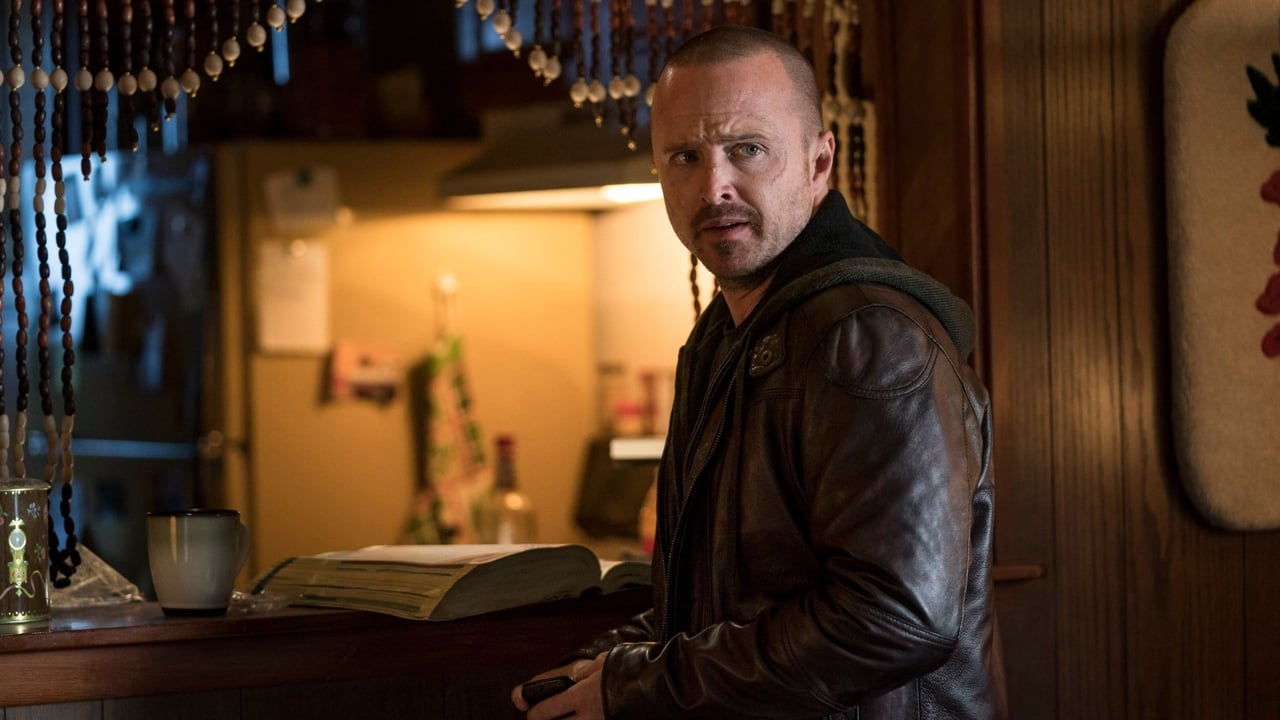
There’s a specific sequence involving a vacuum cleaner repair shop that serves as a tense standoff, and it reminded me why this universe works: it respects the intelligence of the audience. It doesn't rush. It lets the sweat bead on the characters' foreheads. The appearance of the late, great Robert Forster as Ed the Disappearer is a bittersweet highlight. Forster’s deadpan delivery and gravitas provide the perfect foil for Jesse’s desperation. It’s a reminder of what we lost when he passed, and his final scenes are a masterclass in saying everything while doing almost nothing.
Secrets from the Albuquerque Underworld
The production of this film was a miracle of modern secrecy. In a world where every casting choice is leaked via a blurry drone photo on Reddit, Gilligan managed to film this under the code name "Greenbrier." To keep the secret, Aaron Paul told locals he was filming a small "indie project," which is technically true if your indie project has the backing of Sony and a global streaming giant.
One of the best "blink-and-you'll-miss-it" details involves the return of Skinny Pete (Charles Baker) and Badger (Matt Jones). These characters could have easily been comic relief, but their role in Jesse’s escape provides the film’s most emotional beat. When Skinny Pete calls Jesse "his hero," it isn't because of the meth or the violence—it's because Jesse survived. It’s a moment that honors the "cult" status of these side characters, elevating them from stoner tropes to genuine brothers-in-arms.
Even the titular car has a story; the production had to source multiple 1978 Chevrolet El Caminos, and the one used for the iconic escape had to be meticulously distressed to match the look of the series finale from six years prior. It’s that level of obsessive detail that makes this feel like a cohesive piece of art rather than a cash grab.
El Camino doesn't reinvent the wheel, but it fixes the flat tire we didn't realize we were driving on. It is a dark, intense, and deeply moving epilogue that validates Jesse Pinkman’s humanity. It’s a film that argues that while you can never truly leave your past behind, you can at least drive far enough away to catch your breath. For anyone who spent years rooting for the "bad guy's" assistant, this is the closure you didn't know you needed.
Keep Exploring...
-
Patriots Day
2016
-

Snowden
2016
-
Uncut Gems
2019
-

Promising Young Woman
2020
-

The Devil All the Time
2020
-
Wrath of Man
2021
-

Sherlock: The Abominable Bride
2016
-

Dogman
2018
-

Shoplifters
2018
-

The House That Jack Built
2018
-

Batman vs. Robin
2015
-
The Accountant
2016
-

Good Time
2017
-

The Outfit
2022
-
Killers of the Flower Moon
2023
-
Shot Caller
2017
-
Bad Times at the El Royale
2018
-
Widows
2018
-
The Highwaymen
2019
-
I Care a Lot
2021