Eli
"The cure is deadlier than the disease."
There is a specific kind of vertigo that comes with the modern streaming experience, usually occurring around the seventy-minute mark of a movie you randomly clicked on because the thumbnail looked moody. You’re sitting there, perhaps—as I was—trying to ignore a pile of laundry that has reached sentient heights, and suddenly the film you thought you were watching pivots so hard you feel like you’ve developed whiplash. Eli is the poster child for this phenomenon. It’s a movie that starts as a sterile, claustrophobic medical thriller and ends as... well, something that probably made the executives at Paramount lose their minds before they offloaded it to Netflix.
I remember watching this while my cat was aggressively trying to eat a piece of plastic wrap in the corner of the room, and for the first hour, the tension on screen almost matched the tension of wondering if I’d have to perform a feline Heimlich maneuver. It’s a slow-burn haunting that eventually realizes it’s bored with its own premise and decides to set the house on fire just to see what happens.
Sterile Screams and Plastic Walls
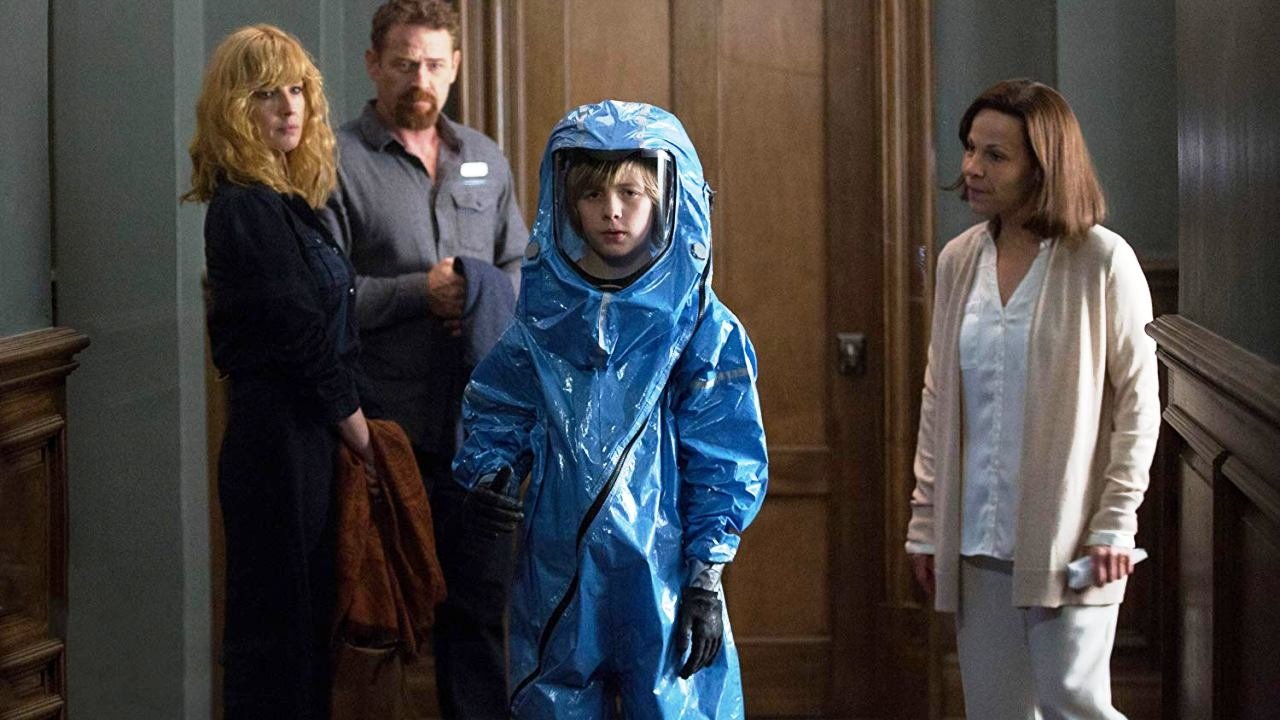
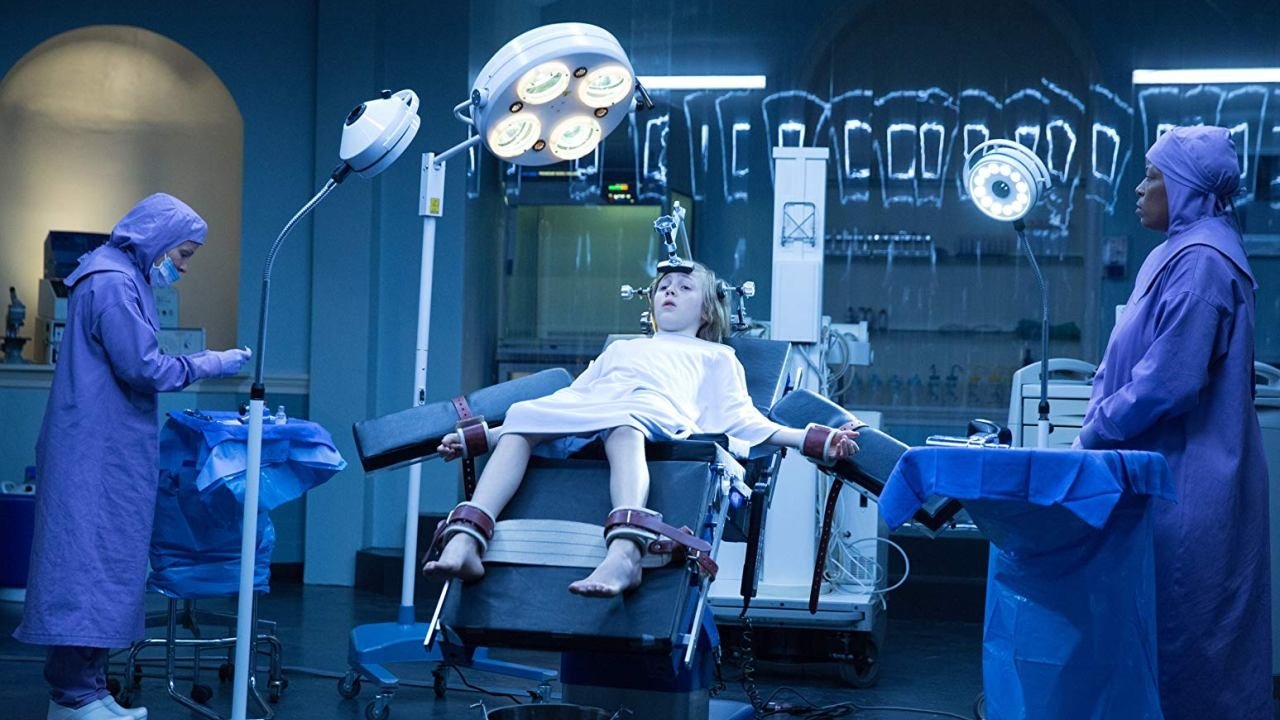
The setup is genuinely effective, tapping into that primal fear of being trapped in your own skin. Charlie Shotwell plays Eli, a kid with a rare autoimmune disorder that makes the very air he breathes a death sentence. He lives in a literal bubble, and his parents—played by a weary Kelly Reilly and a stoic Max Martini—have spent their last cent to bring him to a remote mansion owned by Lili Taylor’s Dr. Isabella Horn.
The "clinic" is a gothic nightmare dressed in antiseptic white. Director Ciarán Foy, who previously helmed Sinister 2, understands how to use a limited space. He turns the house into a maze of plastic curtains and glass partitions. The cinematography by Jeff Cutter is cold and uninviting, making the audience feel as isolated as Eli is. When the ghosts start showing up—writing names in the frost of the windows or pulling Eli out of his bed—the scares feel earned because they violate the one place that is supposed to be "clean." Charlie Shotwell is excellent here; he manages to convey a kid who is simultaneously fragile and rightfully suspicious of every adult in the room.
The Netflix Orphan Effect
Eli arrived in 2019, a peak year for what I like to call "The Orphaned Studio Movie." Originally a Paramount production, the studio reportedly struggled with how to market the film’s bonkers third act. In the theatrical world of 2019, dominated by the MCU and established horror brands like The Conjuring universe, a weird, mid-budget swing like Eli was a risky bet. Netflix, however, thrives on "The Twist Movie." They bought it, dumped it onto the platform in October, and let the social media "WTF" machine do the marketing for them.
This release strategy defines so much of the contemporary horror landscape. We’ve traded the communal gasp of a theater audience for the frantic "Did you see that?" text message. While the film lacks the polished, prestige feel of an A24 darling, it has a certain pulpy energy that feels like a throwback to 90s high-concept thrillers, despite its very modern, digital sheen. It’s the horror equivalent of a car that turns into a helicopter halfway through the morning commute—it might not be a great car, but you certainly won’t forget the ride.
A Tale of Two Movies
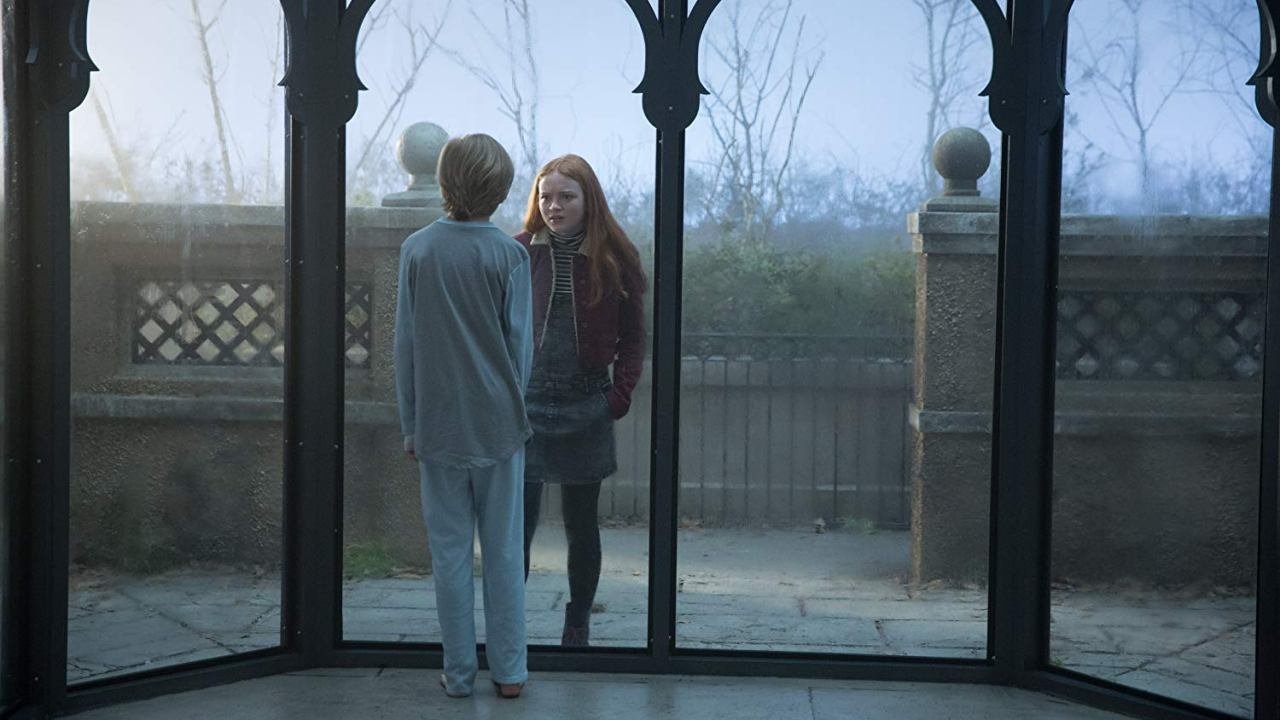
The middle section introduces Sadie Sink, fresh off her Stranger Things fame, as a mysterious girl who hangs out outside Eli’s window. She provides the necessary friction to the story, planting seeds of doubt about Dr. Horn’s "treatments." The film does a decent job of balancing the "is he crazy or is it ghosts?" trope, though it leans perhaps a bit too heavily on the "adults are hiding something" cliché. Lili Taylor is particularly fun to watch here; she has a way of delivering medical jargon that sounds like a veiled threat, reminding me why she’s been a genre staple since The Haunting.
But we have to talk about that ending without actually talking about it. The screenplay by Ian B. Goldberg and Richard Naing takes a leap of faith that will either make you applaud or throw your remote at the screen. It shifts the film from a psychological haunting into a completely different subgenre of horror in a way that feels totally unhinged. Is it successful? Narratively, it’s a bit of a mess. Is it entertaining? Absolutely. In an era where so many horror films follow a predictable beat-sheet, there is something refreshing about a movie that is willing to be this profoundly weird.
Eli is a perfectly competent haunting for sixty minutes and a glorious, logic-defying wreck for the last thirty. It’s the kind of film that flourishes on streaming because the barrier to entry is so low, yet it offers a payoff that is genuinely surprising. It won’t change the face of cinema, but if you’re looking for a midnight movie that starts with a whimper and ends with a roar of pure, chaotic energy, you could do much worse. Just keep an eye on your laundry and your cat while you watch.
Keep Exploring...
-
Sinister 2
2015
-
Hidden
2015
-
I Spit on Your Grave III: Vengeance Is Mine
2015
-
Regression
2015
-
Before I Wake
2016
-
Morgan
2016
-
The Other Side of the Door
2016
-
Cult of Chucky
2017
-
Little Evil
2017
-

Wish Upon
2017
-
Assassination Nation
2018
-
Goosebumps 2: Haunted Halloween
2018
-
Hell Fest
2018
-
Tau
2018
-
The Perfection
2018
-
The Possession of Hannah Grace
2018
-
The Strangers: Prey at Night
2018
-
Haunt
2019
-
Polaroid
2019
-
Secret Obsession
2019