Five Feet Apart
"Close enough to love, too far to touch."
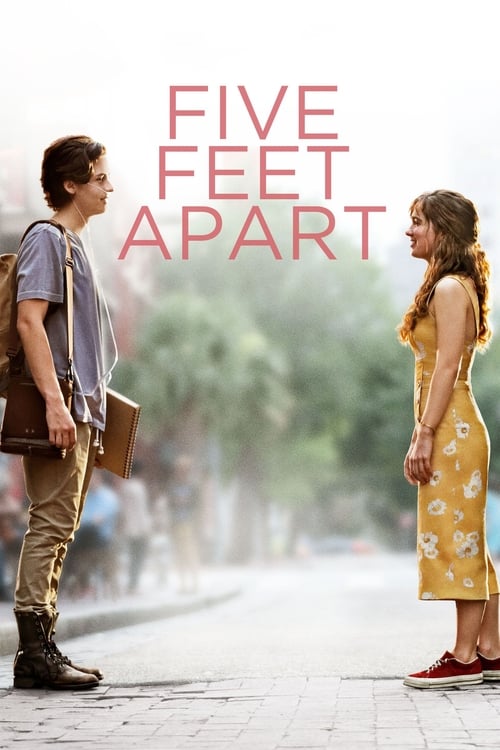
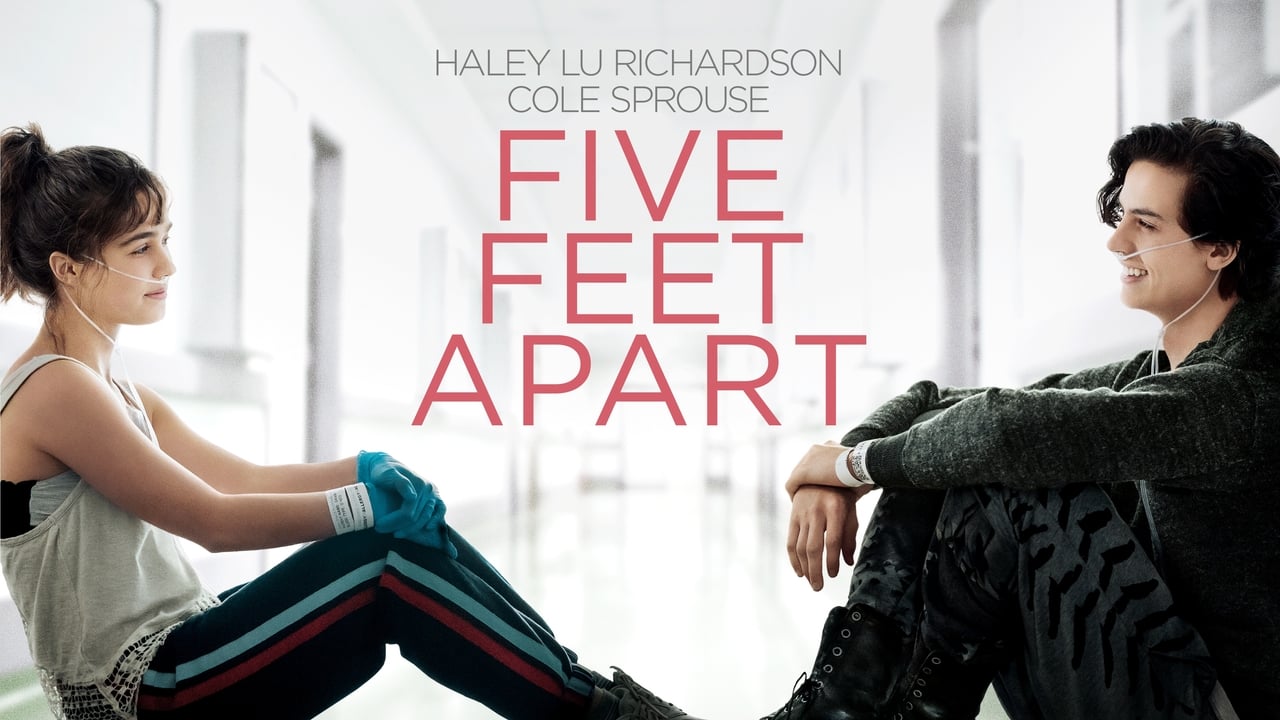
I watched Five Feet Apart while huddled under a weighted blanket that was arguably three pounds too heavy for my frame, making me feel slightly pinned down and breathless—a strangely appropriate, if accidental, way to experience a movie about Cystic Fibrosis (CF). Released just a year before "social distancing" became a global mandate, Justin Baldoni’s directorial debut feels like an accidental time capsule. It captures a specific contemporary anxiety: the realization that the thing we need most for our survival—human connection—can also be the very thing that kills us.
The Architecture of a Boundary
The premise is deceptively simple, bordering on the "sick-teen" tropes we saw explode after The Fault in Our Stars (2014). Stella (Haley Lu Richardson) is a Type-A hospital veteran who treats her CF regimen like a high-stakes engineering project. She vlogs her treatments, organizes her meds with a master’s touch, and maintains a rigid sense of control over a body that is constantly trying to betray her. Then enters Will (Cole Sprouse), the classic "bad boy" patient who has given up on the clinical trials and the rules.
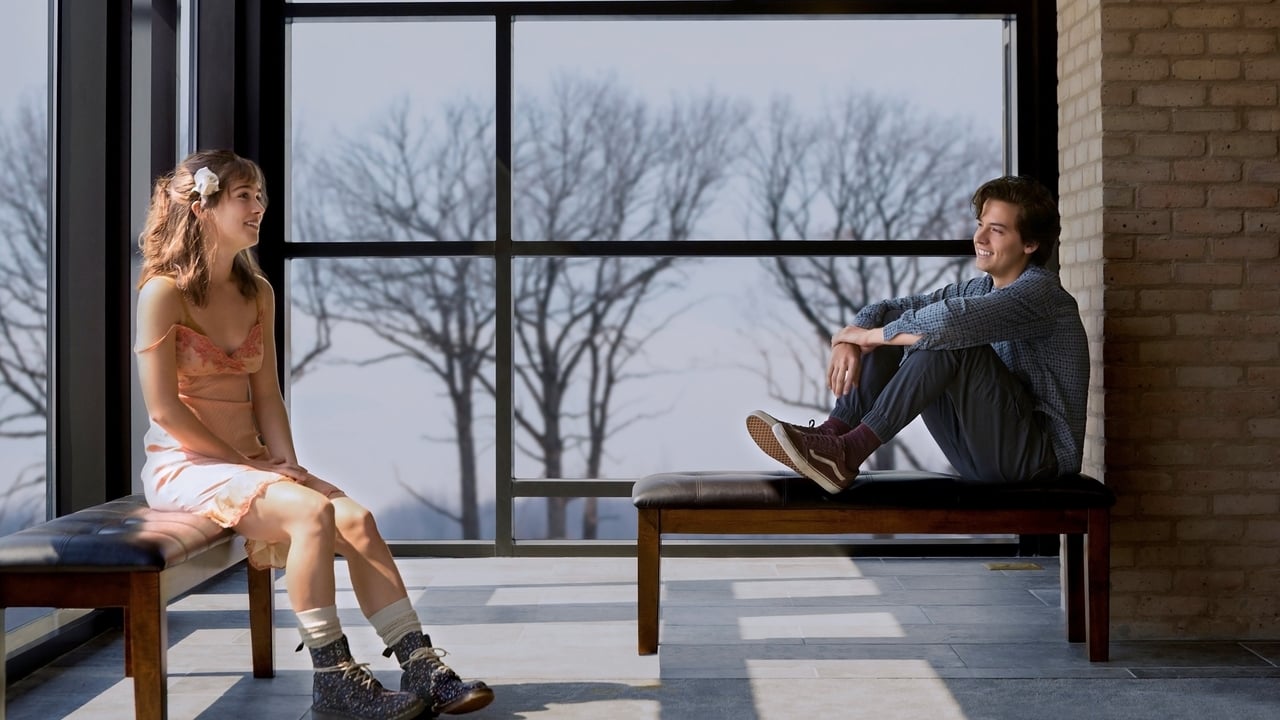
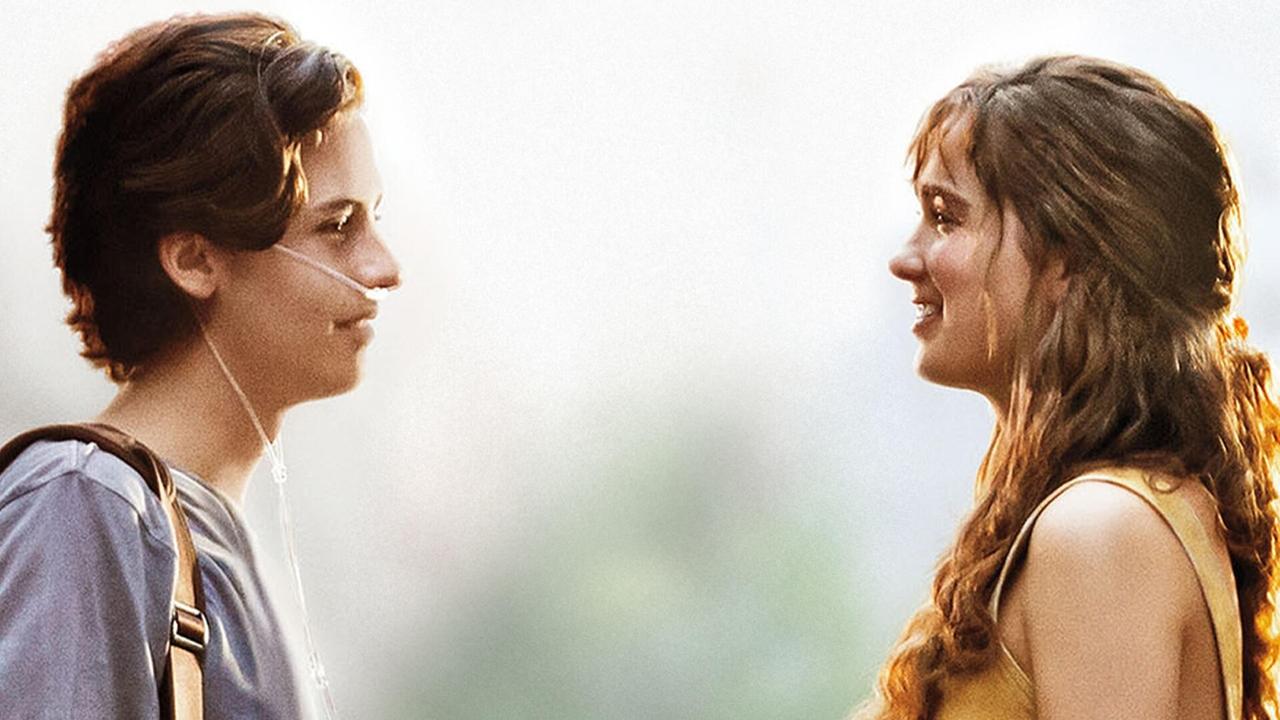
Because they both have CF, they must stay six feet apart at all times to avoid cross-infection—specifically B. cepacia, a bacteria that would effectively end their chances of a lung transplant. The film’s central philosophical inquiry isn't just "Will they fall in love?" but rather, "What is the value of a life if you cannot reach out and touch the person you love?"
It’s a cerebral take on the teen romance. It asks us to consider the physics of longing. When Stella decides to "steal" one foot back—using a five-foot pool cue to maintain their distance—it’s a radical act of rebellion against a universe that demands her isolation. I found myself wondering if I’d have the same discipline, or if I’d have thrown the pool cue into the hospital's decorative pond within the first twenty minutes.
Performance as Proximity
What elevates this from a standard tear-jerker is the sheer magnetism of Haley Lu Richardson. She has this uncanny ability to make a character’s internal monologue visible on her face without saying a word. In an era where "prestige" acting often means disappearing under prosthetics, Richardson’s work here is a masterclass in nuance. She makes Stella’s obsessive-compulsive need for order feel like a valid survival strategy rather than a quirk.
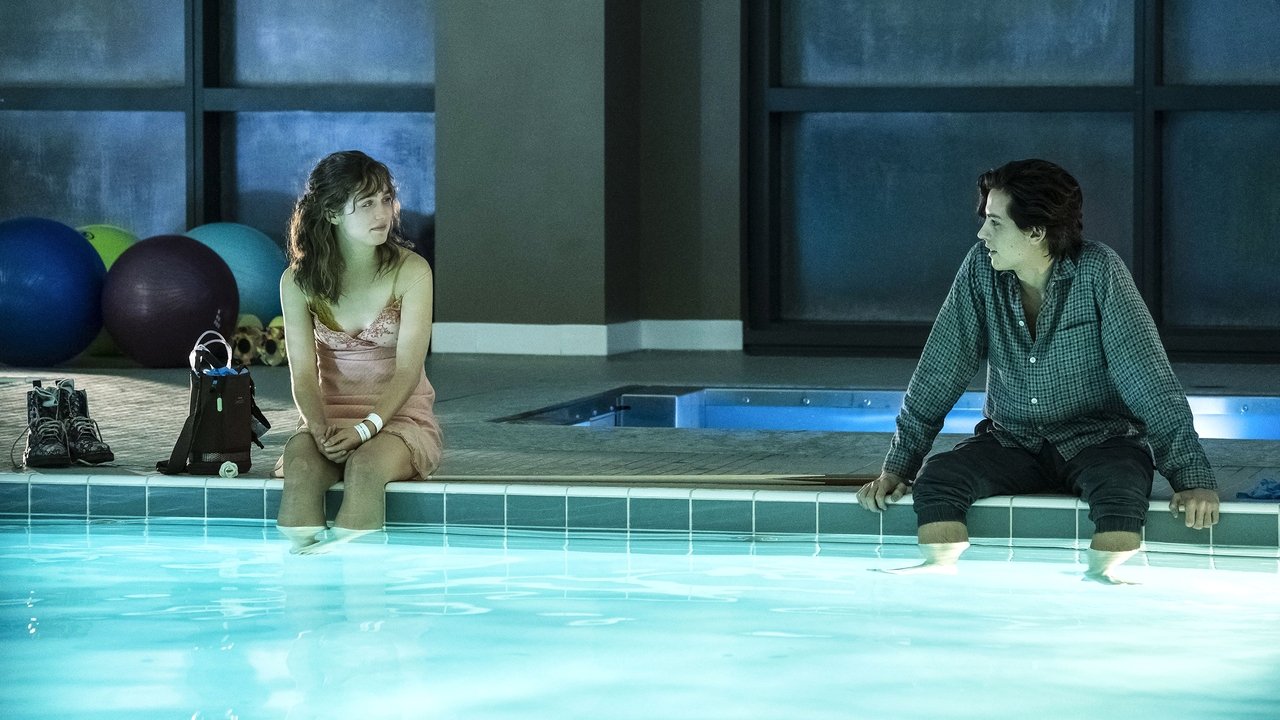
Cole Sprouse, fresh off the brooding success of Riverdale, plays Will with a cynical charm that eventually gives way to a devastating vulnerability. Their chemistry is built entirely on eye contact and shared space, which is much harder to pull off than a standard make-out scene. Moisés Arias, playing their friend Poe, provides the film’s most grounded emotional beats. He represents the tragic reality of "hospital kin"—the people you grow up with but can never hug.
The direction by Justin Baldoni (who some might know from Jane the Virgin) reveals his background in documentary filmmaking. He worked closely with the late activist Claire Wineland to ensure the medical details—the G-tubes, the vests, the coughing fits—weren't just set dressing. This focus on "important cinema" through the lens of disability representation is what pushed the film into the prestige conversation, even if it was marketed as a YA blockbuster.
A Masterclass in Clinical Atmosphere
The film’s aesthetic, crafted by cinematographer Frankie DeMarco (who worked on the beautifully shot All Is Lost), turns the hospital into a character. It’s not just white walls and fluorescent lights; it’s a labyrinth of glass, reflections, and barriers. The score by Brian Tyler avoids the melodramatic swells you’d expect, opting instead for something that feels more like a heartbeat—rhythmic, persistent, and occasionally skipping a beat.
One of the more fascinating contemporary elements is how the film handles social media. Stella isn't just "online"; her YouTube channel is her bridge to the world. It’s a very 2019 look at how we use digital avatars to claim the space our physical bodies can’t inhabit. It’s also where the film gets its most "cerebral" moments, as Stella’s videos serve as a meditation on the biological necessity of human touch—something she notes we need "almost as much as we need air."
The script by Mikki Daughtry and Tobias Iaconis does occasionally lean into the sentimental, but it’s anchored by a brutal honesty about the disease. The ending doesn't cheat with a miracle cure, and that's where the film earns its stripes. It respects the audience enough to sit in the discomfort of an unresolved future.
Five Feet Apart manages to be both a heart-wrenching romance and a thoughtful examination of the boundaries we live within. While it occasionally hits the expected emotional beats of the genre, the performances—particularly Haley Lu Richardson's—and the commitment to medical authenticity elevate it. It’s a film that asks us to look at our own lives and realize that the inches we take for granted are actually miles to someone else.
In the years since its release, the film has taken on a new layer of meaning. Watching it now, the sight of characters wearing masks and meticulously measuring the distance between them doesn't feel like a medical drama—it feels like a documentary of our collective recent history. It reminds me that while we can survive in isolation, we only truly live in the spaces where those boundaries blur. Just don't forget to bring a box of tissues—and maybe a slightly lighter blanket.
Keep Exploring...
-

Clouds
2020
-
Love, Simon
2018
-
Little Women
2019
-

Midnight Sun
2018
-

A Silent Voice: The Movie
2016
-
The Longest Ride
2015
-
The Art of Racing in the Rain
2019
-
I Still Believe
2020
-
CODA
2021
-
Where the Crawdads Sing
2022
-
Past Lives
2023
-
It Ends with Us
2024
-
La La Land
2016
-

Me Before You
2016
-

Forever My Girl
2018
-
Portrait of a Lady on Fire
2019
-

All the Bright Places
2020
-
Gabriel's Inferno: Part II
2020
-
Gabriel's Inferno: Part III
2020
-

Gabriel's Inferno
2020