Ford v Ferrari
"Corporate suits vs. grease-stained souls."
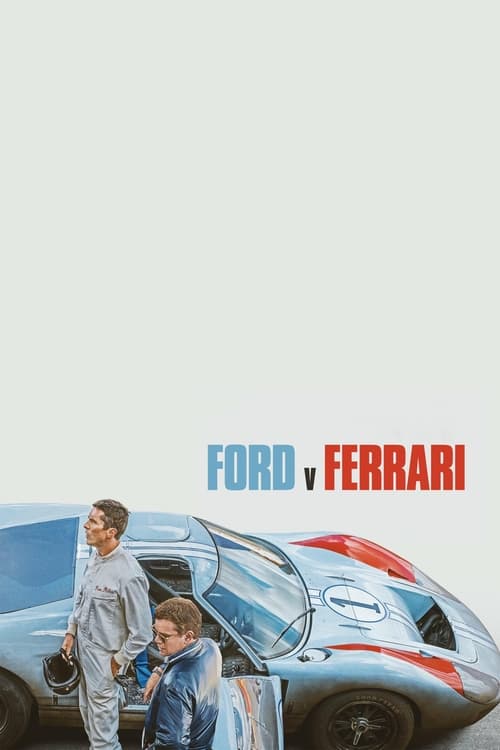
In an era where every blockbuster feels like it was assembled by a committee in a Burbank boardroom, watching Ford v Ferrari feels like finding a restored 1960s Mustang in a field of generic silver crossovers. It shouldn't be a miracle that a major studio spent $100 million on a movie about two middle-aged men arguing over a carburetor, but in our current franchise-saturated climate, it feels like a glorious act of defiance. I watched this on a Tuesday afternoon while my neighbor was aggressively leaf-blowing his driveway, and somehow the drone of his Black+Decker blended perfectly with the roar of a Ford V8.

7,000 RPM: The Zen of 200 MPH
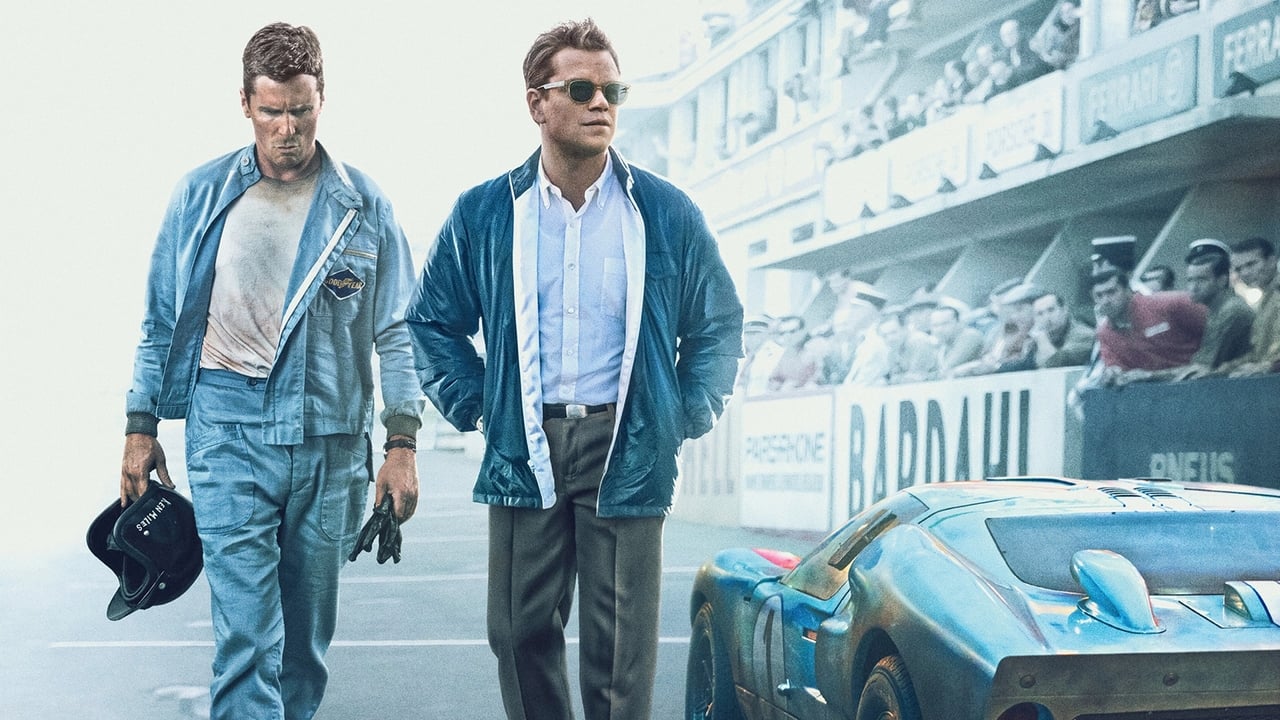
Most action movies today suffer from what I call "weightless pixels." You see a car fly off a building in a Fast & Furious flick, and your brain knows it’s just 1s and 0s dancing on a screen. There’s no consequence. Director James Mangold rejects that entirely. When Christian Bale’s Ken Miles pushes a GT40 down the Mulsanne Straight, you don’t just see the speed; you feel the structural integrity of the car screaming for mercy.
The action choreography here is a masterclass in clarity. Mangold and his cinematographer, Phedon Papamichael, keep the camera low to the asphalt, making 200 mph look as terrifying as it actually is. They rely on practical stunt work and real vehicles whenever possible, and it pays off. The sound design—which rightfully nabbed an Oscar—is the secret sauce. The engines don't just roar; they gurgle, cough, and shriek. To capture that authenticity, the sound team actually tracked down and recorded the rare, period-correct engines, ensuring that a Ferrari 330 P3 sounds distinct from a Ford 427.
But the film’s "action" isn't just about the finish line. It’s cerebral. There’s a recurring monologue about "The Perfect Lap"—the moment when you hit 7,000 RPM and everything else fades away. It’s a bit of automotive existentialism that elevates the movie from a simple sports flick to a meditation on the cost of excellence.
Corporate Vampires and Grease Monkeys
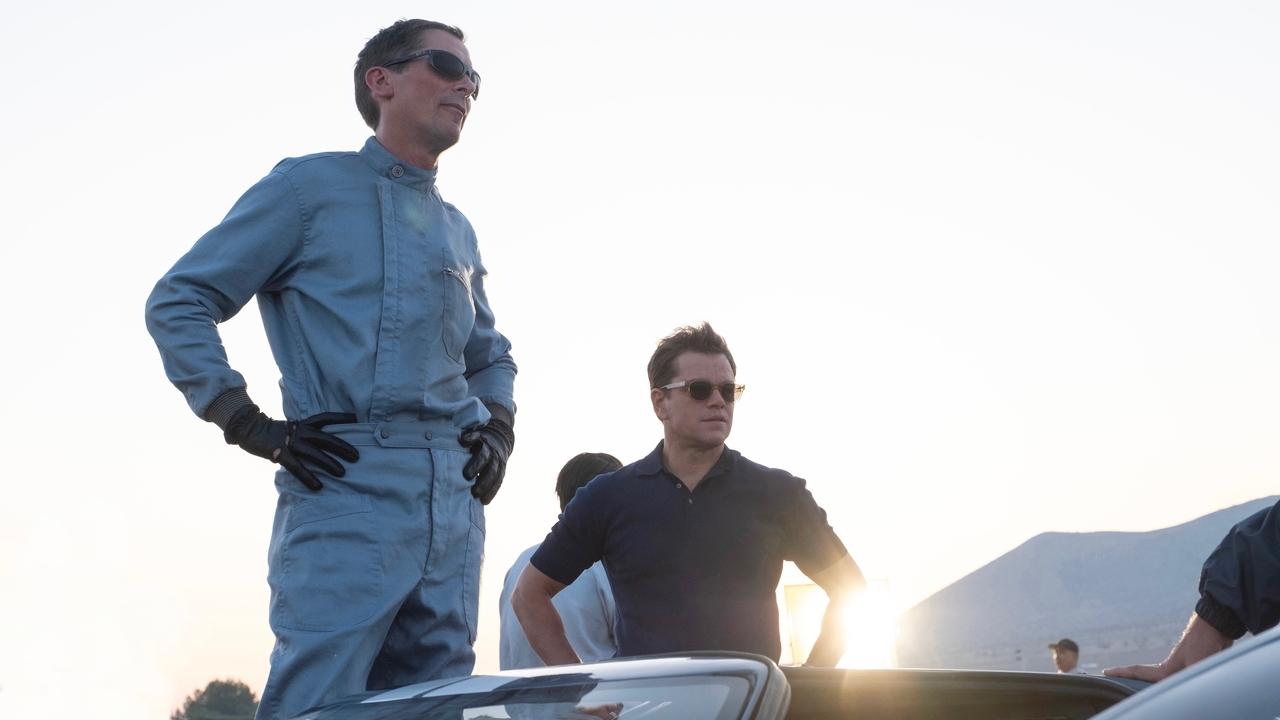
The real conflict isn't Ford vs. Ferrari; it’s the creators vs. the suits. Matt Damon plays Carroll Shelby with a charming, snake-oil-salesman swagger, but Christian Bale is the heart of the machine. Bale lost about 70 pounds for the role (having just played Dick Cheney in Vice), and he brings a wiry, combustible energy to Ken Miles that makes him feel like a man who is only truly alive when he's one gear-grind away from a fireball.
Opposing them is the "Ford bureaucracy," personified by Josh Lucas as Leo Beebe. Lucas plays this role with such punchable, country-club perfection that I found myself wanting to throw my lukewarm coffee at the screen. The film brilliantly captures that contemporary frustration we all feel: the idea that the people who actually build things (the Mileses and Shelbys of the world) are constantly being throttled by the people who just want to market things. Jon Bernthal shows up as Lee Iacocca, providing the only bridge between those two worlds, and he’s the only person in a necktie who doesn't feel like a total soul-sucking vampire.
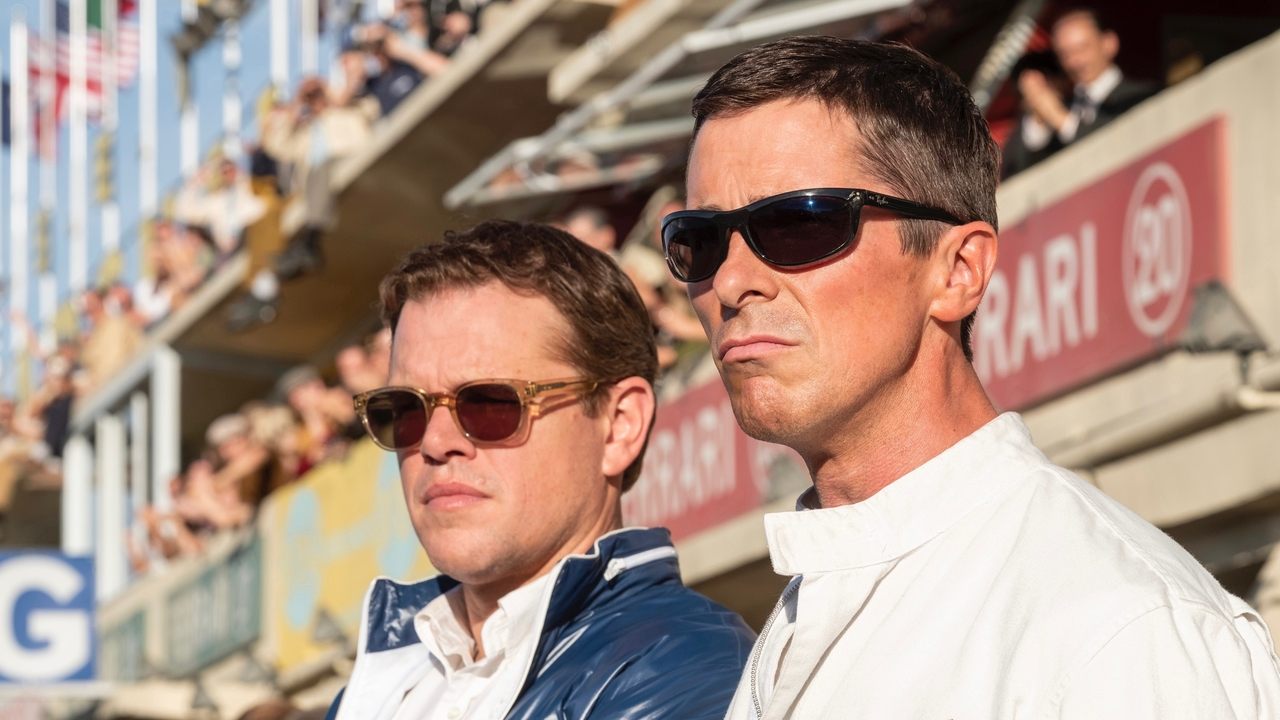
The chemistry between Damon and Bale is what grounds the spectacle. Their friendship isn't built on "I love you, man" speeches; it’s built on throwing wrenches at each other in a driveway and a shared obsession with physics. It’s a refreshing take on masculinity that values competence over bravado.
The Craft of the Prestige Race
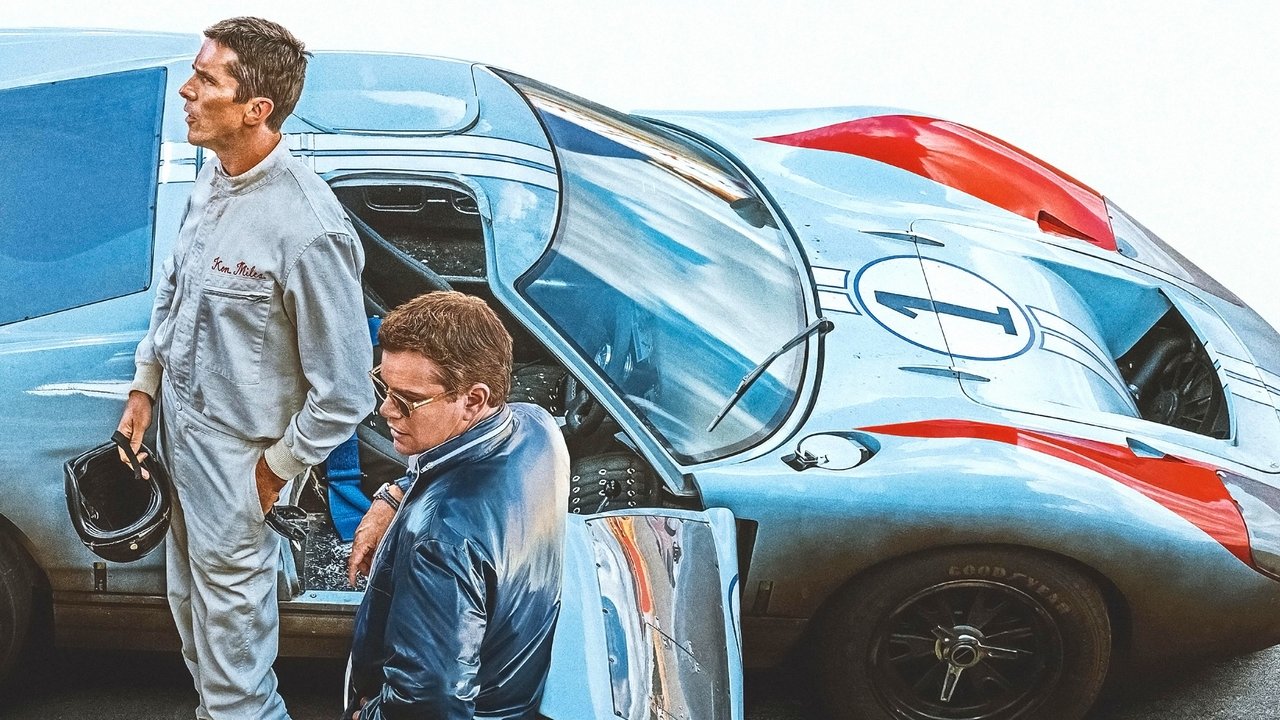
Released in the late 2010s, Ford v Ferrari arrived just as "the movies for grownups" were beginning to migrate almost exclusively to streaming platforms like Netflix or Apple TV+. Seeing this level of craft on a big screen felt like a swan song for the mid-budget studio drama. It was a massive critical success, earning four Academy Award nominations including Best Picture, eventually winning for Film Editing and Sound Editing.
The production was a massive undertaking. They couldn't actually film at the modern Le Mans circuit because it looks too contemporary, so they essentially rebuilt the 1966 pits and grandstands at an airport in California and shot the rural French roads in Georgia. That commitment to physical space is why the film works. The film’s real villain isn’t Enzo Ferrari; it’s a marketing executive’s ego, and the way Mangold balances that corporate satire with the white-knuckle racing is what makes this a "Prestige" film that doesn't feel like homework.
Even if you don't know a spark plug from a soul patch, you’ll find yourself leaning into the turns. It’s a movie about the pursuit of a singular, perfect moment, made by people who clearly pursued the same thing in their filmmaking. It’s fast, it’s loud, and it’s surprisingly human.
Ford v Ferrari is a rare beast: a high-octane blockbuster with a soul and a brain. It’s a reminder that before everything was a "cinematic universe," movies could just be about a couple of guys, a very fast car, and the sheer audacity of trying to beat the odds. It’s the kind of film that makes you want to go out, buy a manual transmission, and drive until the world turns into a blur.
Keep Exploring...
-

Logan
2017
-
The Last Duel
2021
-
The Woman King
2022
-

1917
2019
-
Little Women
2019
-

A Taxi Driver
2017
-
Spotlight
2015
-

Straight Outta Compton
2015
-

Society of the Snow
2023
-

King Richard
2021
-

F1
2025
-
13 Hours: The Secret Soldiers of Benghazi
2016
-
Air
2023
-

Gran Turismo
2023
-
Patriots Day
2016
-

Hotel Mumbai
2019
-
Ip Man 4: The Finale
2019
-

Top Gun: Maverick
2022
-
Oppenheimer
2023
-

A Complete Unknown
2024