Fyre
"Paradise found, then immediately lost in the mail."
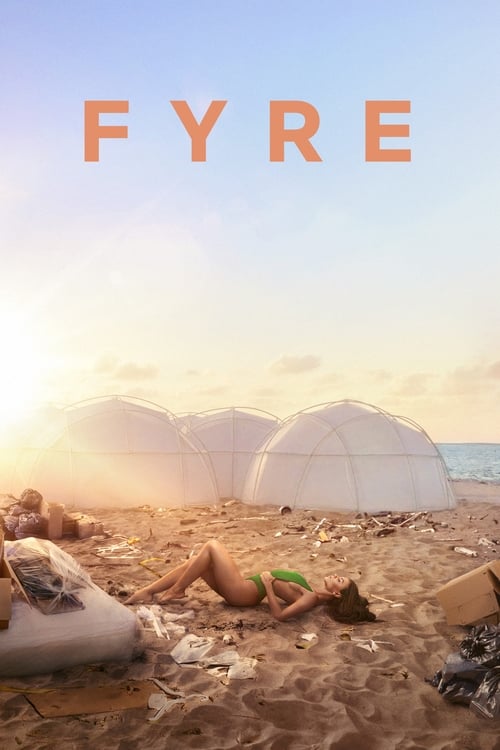
The orange square. In early 2017, that single, unadorned block of color took over Instagram, acting as a digital siren song for every "influencer" with a high limit on their parents' credit card. It promised an ultra-exclusive music festival on a private island once owned by Pablo Escobar, complete with supermodels, yachts, and luxury villas. Instead, the world watched in real-time as it dissolved into a Lord of the Flies scenario involving wet mattresses, disaster relief tents, and the most depressed-looking cheese sandwich in human history. Chris Smith’s Fyre (2019) isn't just a documentary about a failed party; it’s a forensic reconstruction of a cultural car crash that defined the peak—and the rot—of the influencer era.
I watched this while nursing a lukewarm cup of peppermint tea that I’d forgotten to steep, which felt appropriately disappointing given the subject matter. But unlike my tea, Fyre is a potent brew. It’s a horror movie disguised as a corporate post-mortem.
The Architect of the Mirage
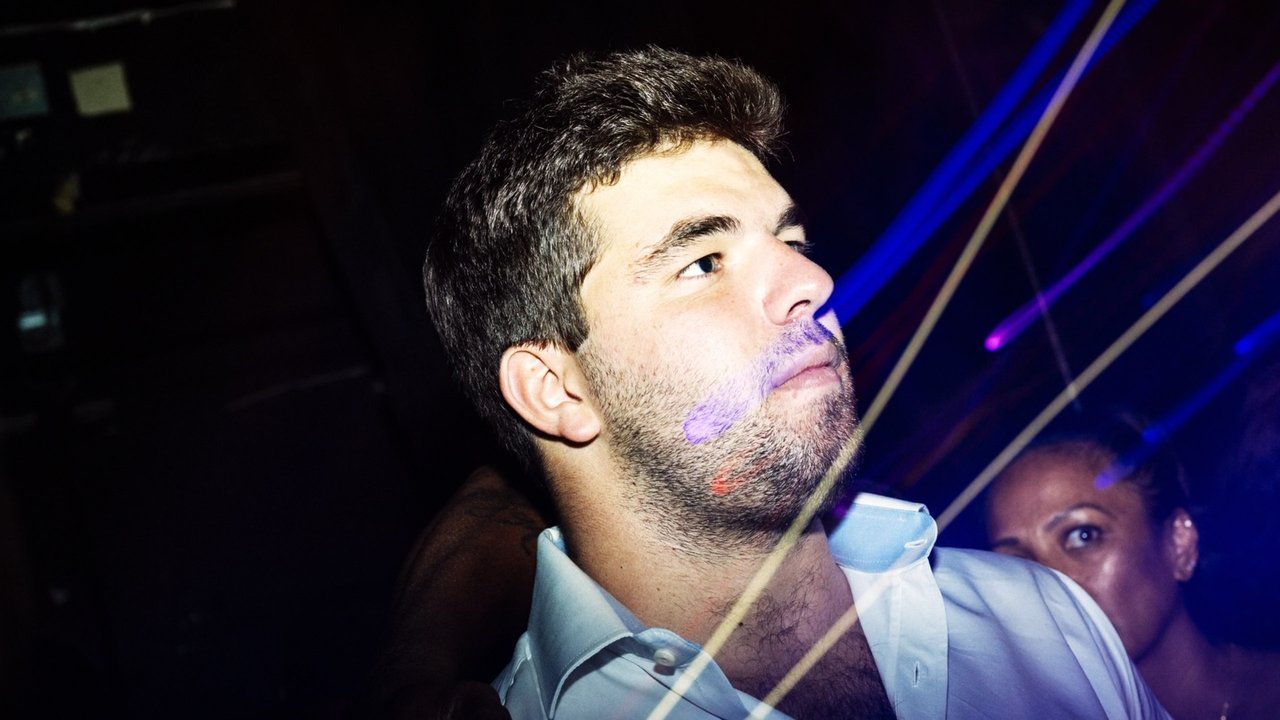
At the center of the storm is Billy McFarland, a man whose primary talent seems to be selling a future that doesn’t exist. Chris Smith, who previously gave us the cult-classic documentary American Movie, is the perfect director for this. He has a knack for finding the comedy in delusion. Through a mountain of "behind-the-scenes" footage captured by the festival's own marketing team, we see McFarland and Ja Rule basking in the glow of their own hype. McFarland has the charisma of a wet paper towel that somehow convinced a room full of venture capitalists it was high-grade silk.
The "drama" here—if we’re looking at it through the lens of performance—comes from the interviewees. These are the people who were in the trenches: the software engineers, the event planners, and the local Bahamian workers. Their faces tell the story of a slow-motion trauma. "Watching Billy McFarland navigate a crisis is like watching a man try to put out a grease fire with a leaf blower," and the documentary captures every singed eyebrow. The standout, and the man who became an instant internet legend, is Andy King. His willingness to do "whatever it took" to secure water for the festival remains one of the most shocking and oddly noble admissions ever committed to film. It’s a moment of pure, desperate humanity in a film otherwise populated by ego-driven ghosts.
The Logistics of a Pipe Dream
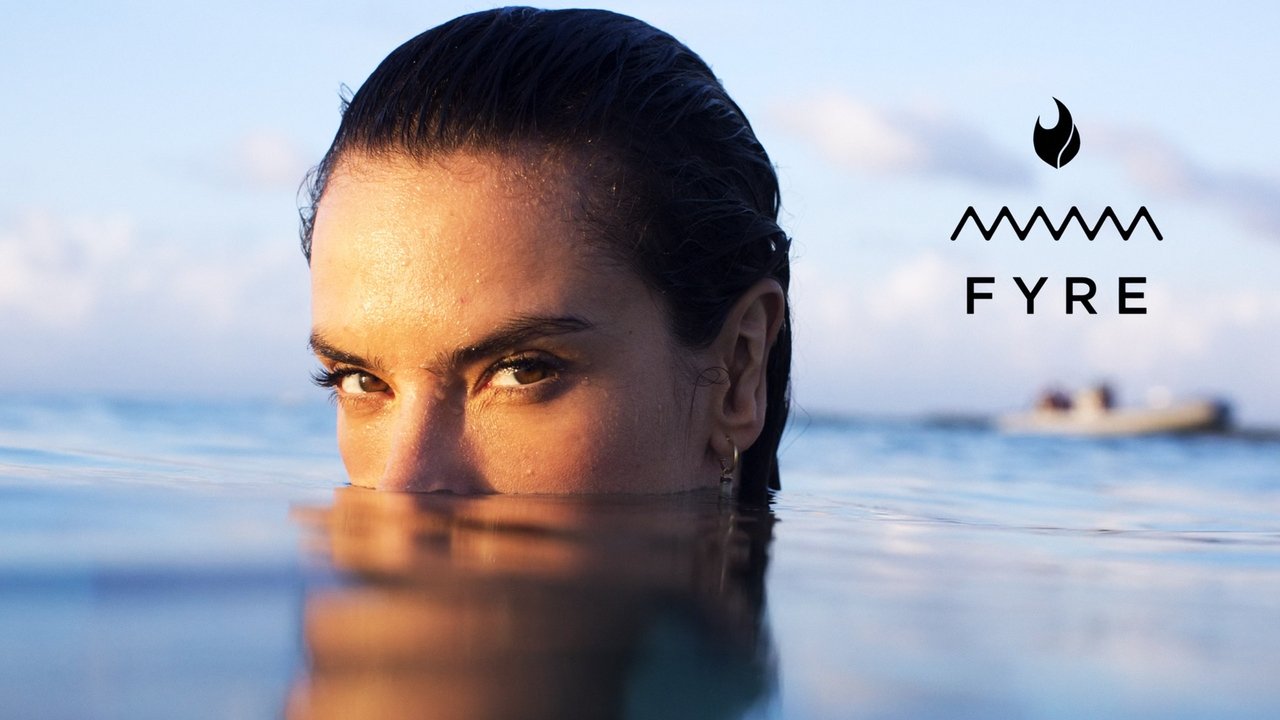
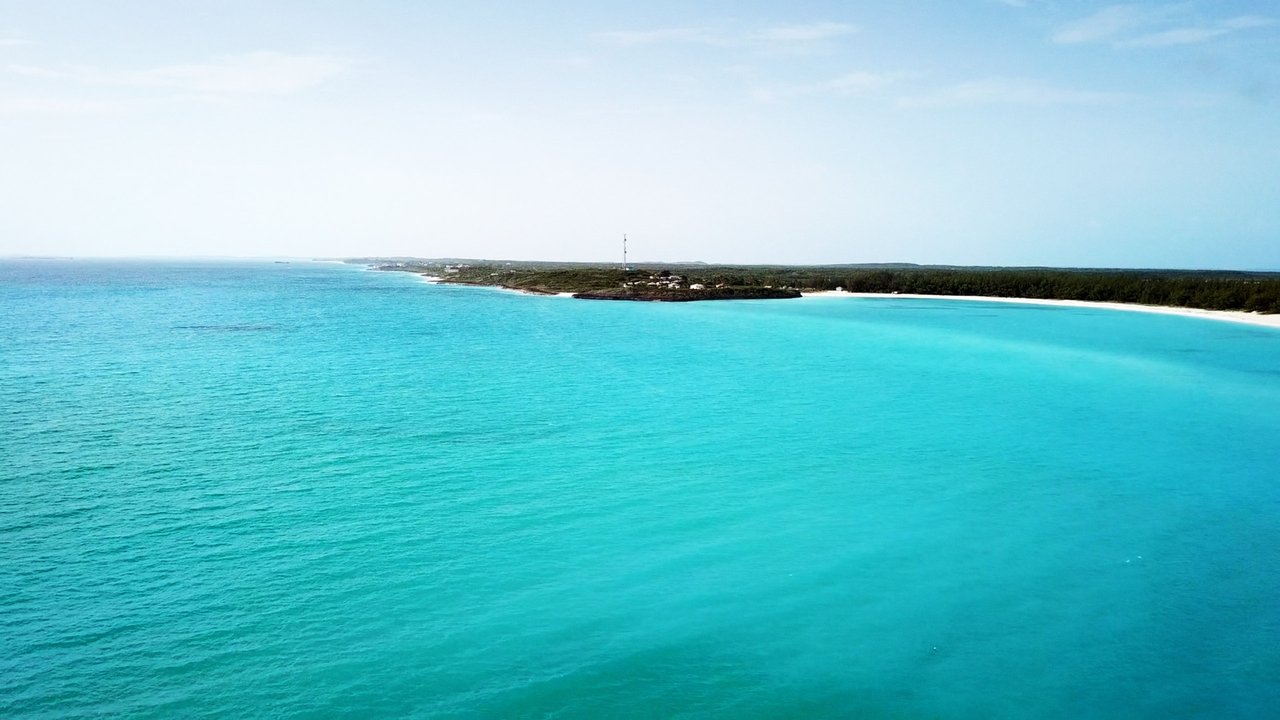
What makes Fyre so compelling for a contemporary audience is how it deconstructs the "fake it 'til you make it" ethos of the 2010s. We see Shiyuan Deng and Michael Ciccarelli trying to build a functional city in weeks, while McFarland is more concerned about whether the jet skis look cool in the promo video. The cinematography—much of it repurposed from the original promotional shoots—is gorgeous, which only heightens the irony. The blue waters and white sands look like heaven, making the eventual pivot to rain-soaked tents and gravel pits feel like a descent into purgatory.
The film also serves as a fascinating artifact of the "Streaming Wars." It’s impossible to talk about Fyre without mentioning its rival, Hulu’s Fyre Fraud, which dropped just days earlier. While Hulu’s version focused more on the psychology of the scam and featured an interview with McFarland himself, Netflix’s Fyre is the better-looking, more immersive experience. However, there’s a bit of meta-weirdness here: the documentary was co-produced by Jerry Media, the very agency that helped market the festival. It’s a bit like the fox explaining how the chickens got eaten, but Smith handles it with enough distance that the film still feels like a searing indictment.
A Modern Tragedy in Neon
While the internet laughed at the "rich kids" getting stranded, Fyre earns its emotional weight by shifting the focus to the people who couldn't just fly home. The most heart-wrenching moment involves Maryann Rolle, a local Bahamian restaurant owner who exhausted her life savings—$50,000—to pay her staff after the organizers skipped town. It grounds the "luxury disaster" in real-world stakes. This isn't just a funny story about influencers; it’s a story about the collateral damage of unchecked ego and the dark side of the "experience economy."

The film moves with a relentless, percussive pace, edited to feel like a heist movie where the heist is being committed against reality itself. By the time the festival-goers arrive and find a wasteland instead of a wonderland, the tension is unbearable. You know the crash is coming, but the sheer scale of the incompetence is still breathtaking. It’s a contemporary tragedy that says more about our need for status and social media validation than any sociology textbook ever could.
Fyre is a essential viewing for anyone who has ever felt a twinge of FOMO while scrolling through Instagram. It’s a beautifully shot, expertly edited autopsy of a disaster that felt inevitable the moment that orange square hit the feed. While it might lack the historical distance of a classic retrospective, its immediacy is its greatest strength. It’s a time capsule of 2017 hubris that still feels uncomfortably relevant in a world where the next "too good to be true" experience is always just one click away.

Keep Exploring...
-
Free Solo
2018
-
The Social Dilemma
2020
-
Friends: The Reunion
2021
-

Jackass Forever
2022
-
Obi-Wan Kenobi: A Jedi's Return
2022
-
Amy
2015
-
Money Heist: The Phenomenon
2020
-
My Octopus Teacher
2020
-
The Tinder Swindler
2022
-
American Animals
2018
-
Harry Potter 20th Anniversary: Return to Hogwarts
2022
-
Anomalisa
2015
-
Batman vs. Robin
2015
-
Beasts of No Nation
2015
-
Colonia
2015
-
Dope
2015
-
Equals
2015
-

Far from the Madding Crowd
2015
-

Frozen Fever
2015
-
Hidden
2015