Glass
"The origin story was only the beginning."
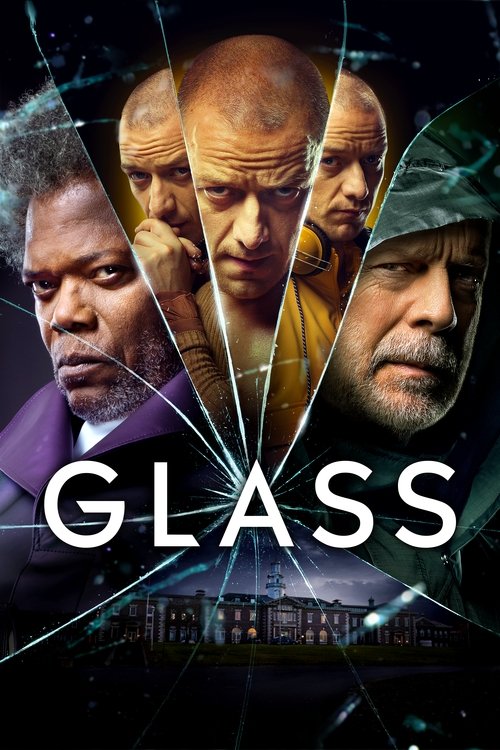
I remember sitting in a darkened theater back in 2016 for Split, having my brain leak out of my ears when the screen faded to black and Bruce Willis suddenly appeared in a diner, hummed the Unbreakable theme, and name-dropped Mr. Glass. It was the ultimate "mic drop" moment in modern cinema—a stealth sequel that turned a localized thriller into a sprawling superhero mythos. By the time M. Night Shyamalan finally brought the three titans together for Glass in 2019, the hype was so dense you could have used it as a structural support beam for a skyscraper.
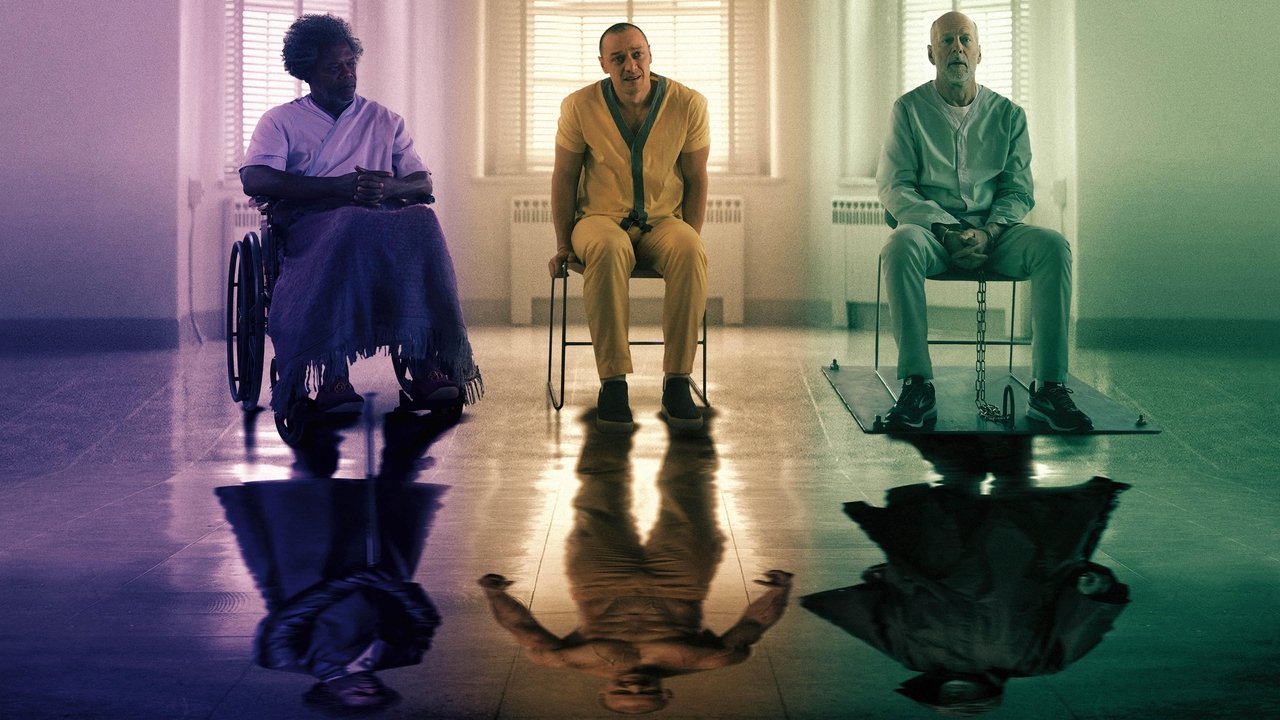
I actually watched this film for the first time while recovering from a mild case of food poisoning—specifically from a questionable shrimp taco—and there’s something about being slightly delirious that actually matches the strange, fever-dream pacing of this movie. It’s an odd, stubborn, and deeply personal conclusion to a nineteen-year long game that refuses to play by the rules established by the Marvel Cinematic Universe.
The McAvoy Masterclass and the Color of Madness
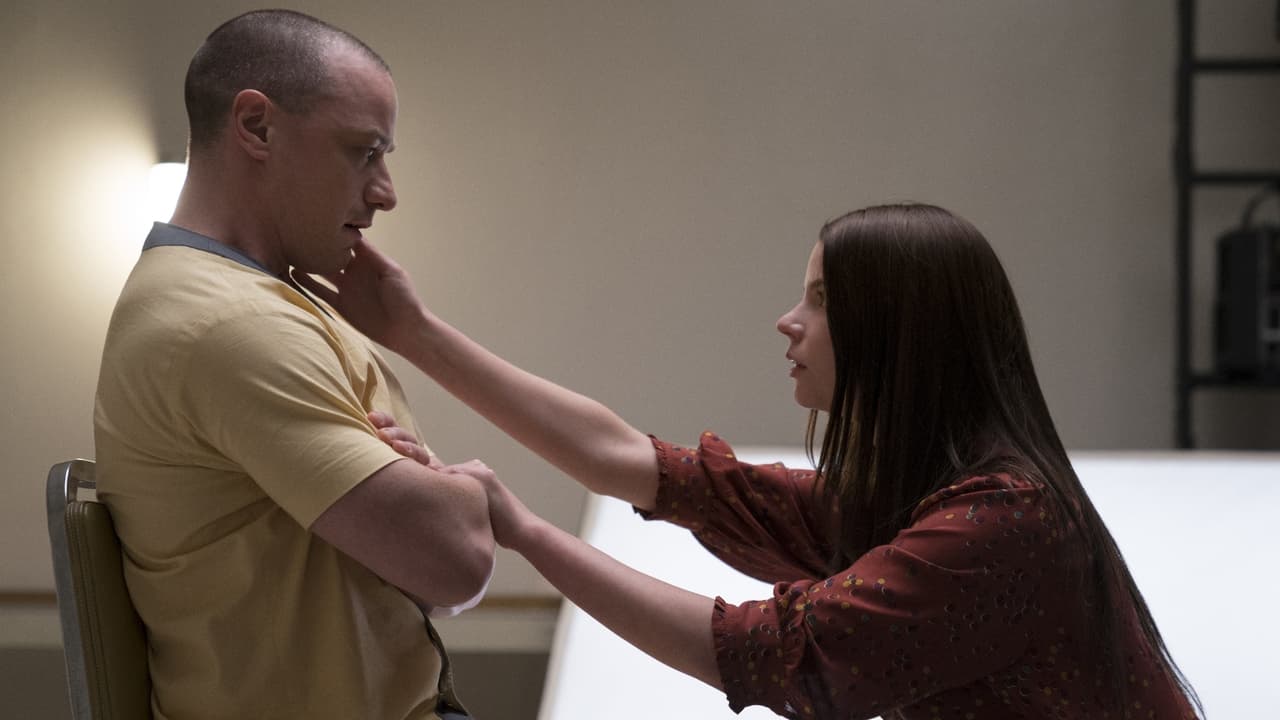
The heavy lifting here is done by James McAvoy, who honestly deserves some kind of athletic achievement award for the sheer physical exertion of jumping between twenty-four personalities. Watching him transition from the lisping, nine-year-old Hedwig to the terrifying, vein-popping Beast in a single unbroken take is a reminder that while CGI can do a lot, it can’t replace raw, theatrical talent. Anya Taylor-Joy returns as Casey Cooke, providing the emotional tether to the monster, and their chemistry remains one of the more unsettlingly tender parts of the film.
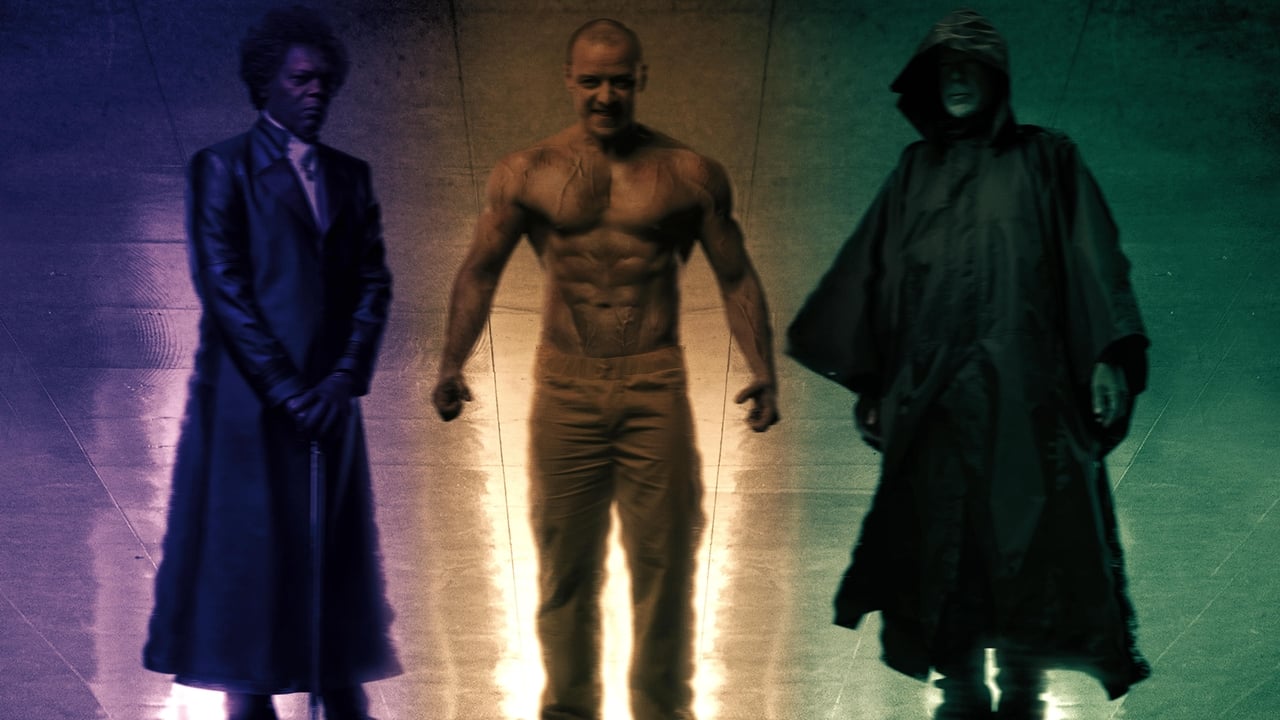
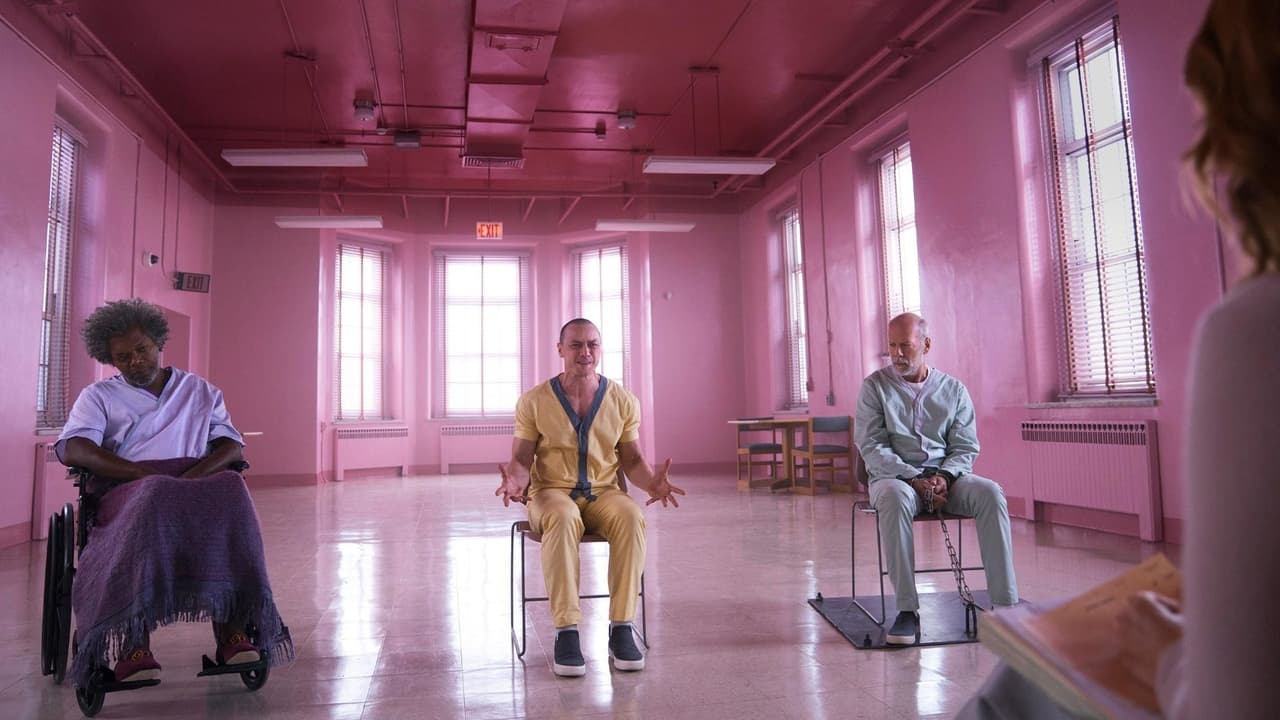
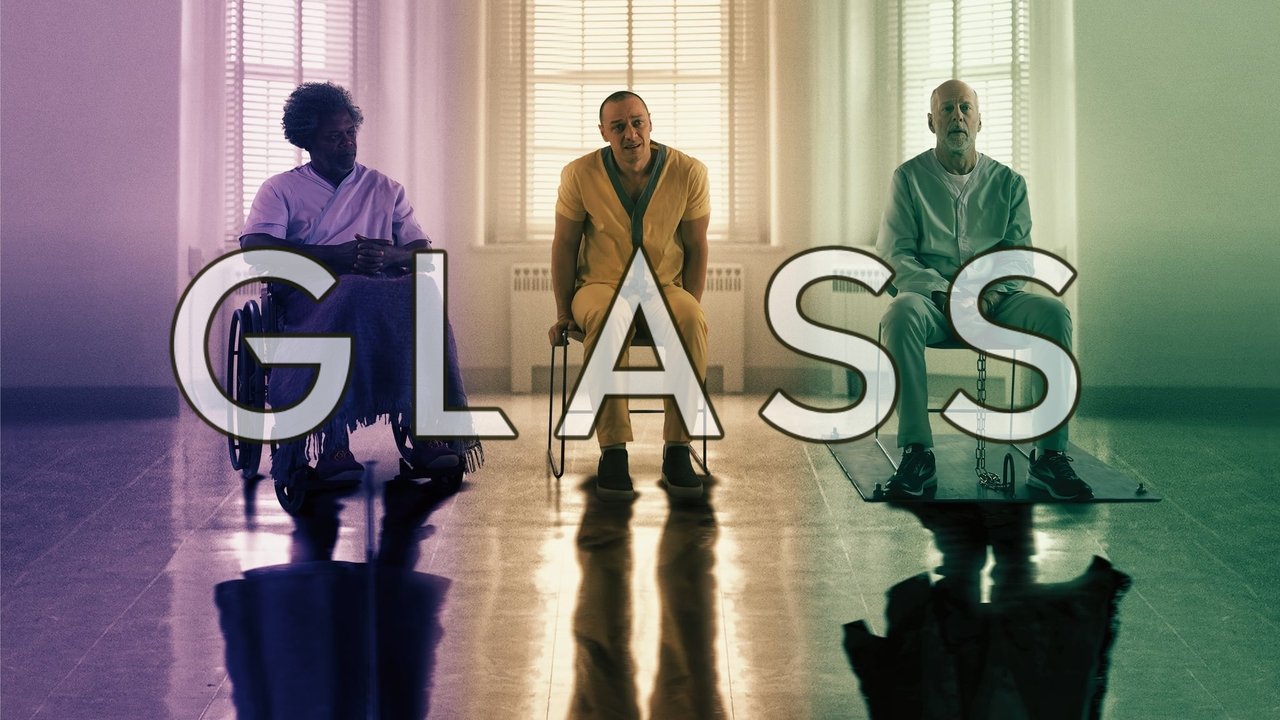
M. Night Shyamalan has always been a director obsessed with color theory, but here he cranks it to eleven. The mental institution where our three leads are held is a sterile, washed-out grey, making the pops of color—David Dunn’s forest green, Kevin’s ochre yellow, and Elijah Price’s royal purple—feel like intrusions from another dimension. It’s a gorgeous film to look at, thanks to cinematographer Mike Gioulakis, who treats every frame like a comic book panel without the distracting "BOOM" and "POW" effects.
Deconstructing the Cape and Cowl
What makes Glass so polarizing—and believe me, it divided my friend group more than a debate over pineapple on pizza—is its refusal to be a "blockbuster" in the traditional sense. In an era of $200 million spectacles where cities get leveled every third act, Shyamalan self-funded this movie for a relatively measly $20 million. He bet his own house on it, literally. Because of that, the stakes aren't about saving the world; they're about the validity of belief.
Sarah Paulson enters the fray as Dr. Ellie Staple, a psychiatrist who specializes in people who believe they are superheroes. Her job is to gaslight our protagonists into thinking their powers are just coincidences or neurological glitches. It’s a brilliant, meta-commentary on our own world’s cynicism. However, the pacing often feels like it's stuck in second gear. Samuel L. Jackson stays largely catatonic for the first half of the film, which is a bit like buying a Ferrari and keeping it in the garage. When he finally wakes up, the movie finds its rhythm, but it’s a long walk to get there.
The Most Controversial Parking Lot in History
The third act of Glass is where the "Popcornizer" community usually starts throwing things at the screen. Without spoiling the specifics, let’s just say that the final showdown is essentially a glorified budget-meeting version of the Avengers. Instead of a grand battle atop a skyscraper, we get a scrap in a wet parking lot next to a brick wall.
It’s a deliberate choice. Shyamalan is telling us that these "super" beings aren't gods; they are fragile, broken people. While I respect the audacity of the "anti-climax," I can’t deny that it feels a bit like being promised a steak dinner and being served a very high-quality protein shake. It's functional, but it doesn't quite hit the spot. Still, the way he weaves in actual deleted scenes from the original 2000 Unbreakable to show a young Spencer Treat Clark (who returns as David’s son, Joseph) is a stroke of nostalgic genius that gives the film a weight no CGI de-aging could ever match.
Cool Details
M. Night Shyamalan used his own money to pay for the film’s $20 million budget. This allowed him total creative control, which explains why the ending is so uncompromisingly weird. The film utilized never-before-seen footage from Unbreakable for the flashbacks, meaning we see a 5-year-old Spencer Treat Clark and a younger Bruce Willis from nearly two decades prior. Each of the three main characters is associated with a specific primary color that represents their "super" identity, and the set design shifts to highlight whoever is dominant in the scene. Despite the mixed critical reception, Glass was a financial juggernaut, earning nearly $247 million worldwide—a staggering return on investment for a self-funded project.
Ultimately, Glass is a film that rewards those who have lived with these characters since the turn of the millennium but might leave casual viewers scratching their heads. It’s a clunky, occasionally brilliant, and frequently frustrating deconstruction of the superhero genre that feels incredibly relevant in our current "franchise fatigue" climate. It’s not the grand finale we expected, but it’s the one Shyamalan wanted to give us, and there's something admirable about that kind of stubbornness. If you’re a fan of the "Eastrail 177" trilogy, it’s essential viewing, even if you end up arguing with your TV during the final fifteen minutes.
Keep Exploring...
-
Split
2017
-
Signs
2002
-

Victor Frankenstein
2015
-
10 Cloverfield Lane
2016
-
Unbreakable
2000
-
The Visit
2015
-
Old
2021
-
Knock at the Cabin
2023
-

Trap
2024
-
The Village
2004
-
The Discovery
2017
-
Replicas
2018
-
Batman vs. Robin
2015
-
Extinction
2018
-
Awake
2021
-
Crimes of the Future
2022
-

Bridge of Spies
2015
-
Fifty Shades of Grey
2015
-
The Accountant
2016
-
The Shallows
2016