Greta
"Kindness is a trap."

If you find a designer handbag abandoned on a New York City subway seat, the universal code of "not my problem" usually applies. You ignore it, you move to the next carriage, and you definitely don’t check the ID inside to hand-deliver it to a lonely widow’s doorstep. But Frances McCullen is a "sweetheart" in a city that eats sweethearts for breakfast, and her act of civic virtue kicks off one of the strangest, campiest, and most overlooked thrillers of the late 2010s.
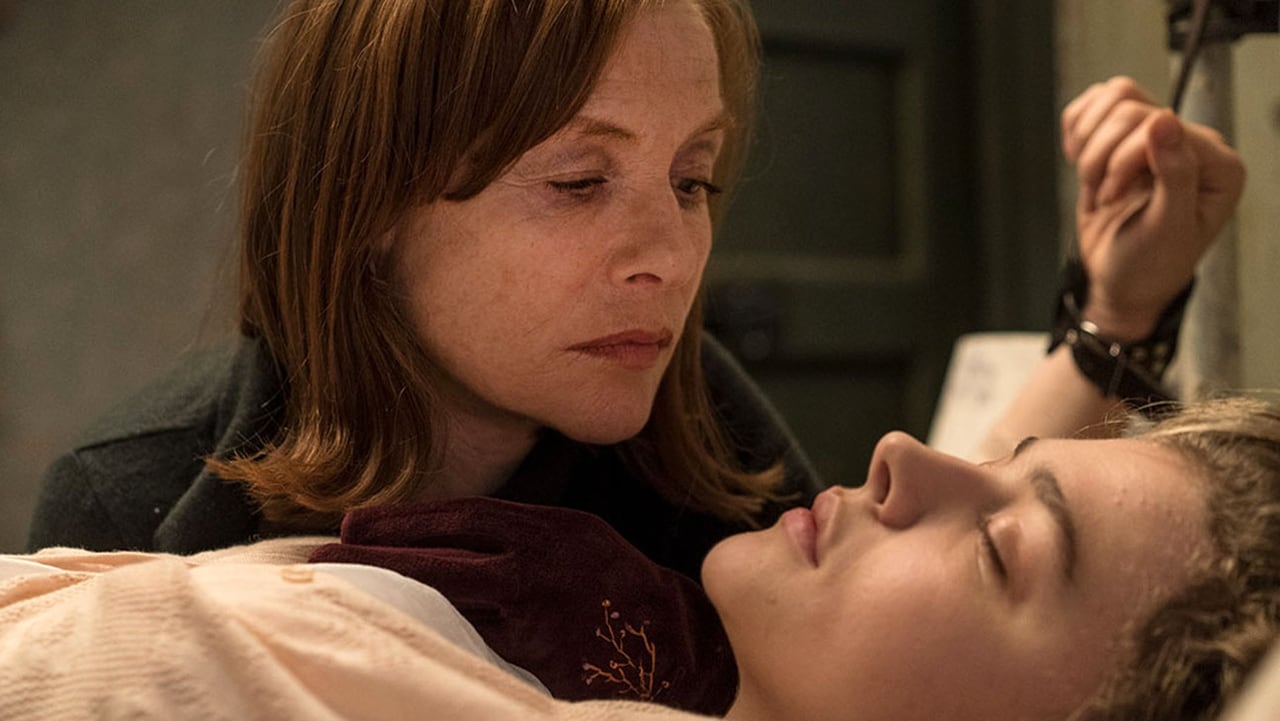
I watched this while nursing a slightly lukewarm cup of peppermint tea that had a single, lonely ant floating in it—a discovery I didn't make until the credits rolled, which honestly felt like a very Greta way to end an evening. The movie has that same vibe: something seemingly comforting that reveals a hidden, slightly repulsive surprise just when you’ve committed to it.
The Art of the "Hagsploitation" Throwback
Released in 2019, just as the mid-budget theatrical thriller was gasping its final breaths before being swallowed whole by the streaming giant, Greta feels like a deliberate throwback. It’s an "erotic thriller" without the erotica, replacing sex with a suffocating, maternal obsession. Neil Jordan—the man who gave us the haunting textures of The Crying Game and the gothic lushness of Interview with the Vampire—clearly isn't interested in a gritty, realistic procedural. Instead, he leans into a stylized, almost fairytale-like dread.
Chloë Grace Moretz plays Frances with a wide-eyed vulnerability that would be annoying if she weren't so clearly the "Red Riding Hood" to Isabelle Huppert’s "Wolf." Frances is grieving her mother and finds a surrogate in Greta Hideg (Huppert), a French piano teacher who lives in a secluded carriage house that seems to exist in a pocket dimension where the noise of Manhattan can’t reach. Their early scenes of bonding—making soup, picking out a dog—are played with a sincerity that makes the inevitable "twist" feel like a physical slap.
A Masterclass in Unhinged Elegance
The reason to watch this movie, and the reason it has gained a small but fervent cult following since disappearing from theaters, is Isabelle Huppert. She is a titan of French cinema, usually found in austere, intellectually demanding dramas like The Piano Teacher or Elle. Seeing her cut loose in a B-movie psycho-thriller is like watching a Michelin-star chef decide to make the world’s most decadent, over-the-top grilled cheese sandwich.
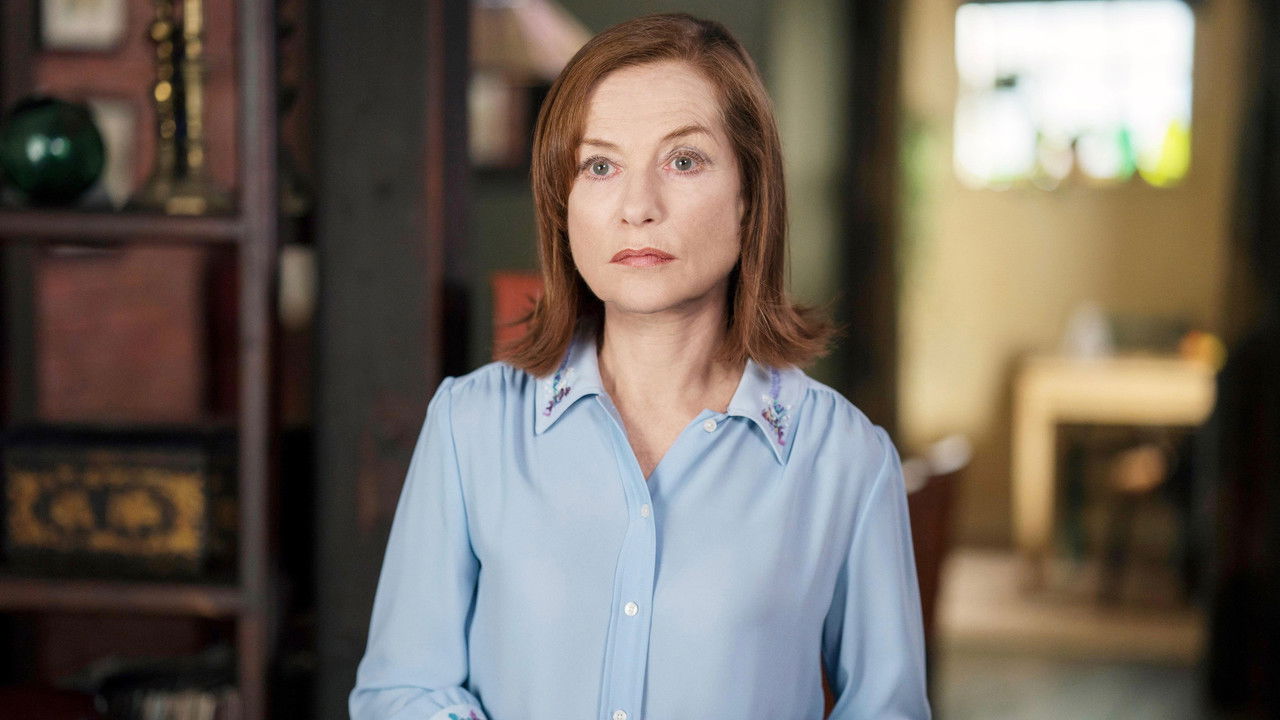
Huppert doesn't just play a villain; she plays a woman who has completely lost her grip on the internal logic of the world. There is a sequence where she stalks Frances’s best friend, Erica (played with wonderful, cynical energy by Maika Monroe, the reigning queen of modern indie horror from It Follows and Watcher), that is genuinely tense. But then, there’s a moment later in the film where Huppert does a little pirouette while disposing of a problem, and you realize she is essentially playing a Looney Tunes character trapped in a Polanski film.
It’s a bold choice that probably alienated critics who wanted a serious meditation on loneliness. But for me? Isabelle Huppert’s interpretive dancing is more terrifying than any jump scare. She understands that the most frightening thing isn't a monster in the dark; it’s a person who thinks they are being perfectly reasonable while they're pinning your thumb to a table.
Why This Lost the "Search" Results
So why did Greta vanish so quickly? It was caught in that awkward pre-pandemic transition where if a movie wasn't a franchise "event," it struggled to find an audience. It also suffered from a marketing campaign that sold it as a standard stalker flick. In reality, it’s a weird, tonal tightrope walk.
Interestingly, while the film is set in a very specific, atmospheric version of Smith Street and Tribeca, it was actually filmed almost entirely in Dublin and Toronto. This adds to the film’s disorienting, "uncanny valley" feeling. Manhattan looks just a little too clean, the shadows just a little too long.

The production also had its share of quirks. Stephen Rea, a Neil Jordan regular, shows up for a brief, ill-fated subplot as a private investigator, and his presence always signals a certain level of Irish cinematic pedigree. Apparently, the original script by Ray Wright was much more of a straightforward "horror" piece, but Jordan insisted on rewriting it to focus on the warped "romance" of the friendship. This shift is what makes the film stay with you; it’s less about a killer and more about the horror of a boundary-less relationship.
The film also serves as a time capsule for the late-2010s obsession with "elevated" genre. It uses a high-brow score by Javier Navarrete and prestige cinematography by Seamus McGarvey to tell a story that is, at its heart, total pulp. It’s the kind of movie you find on a Saturday night on a streaming service you forgot you subscribed to, and you end up texting your friends about it at 1 AM.
Greta is a beautifully shot, weirdly acted, and delightfully mean-spirited little thriller. It doesn't redefine the genre, and it certainly asks for a massive suspension of disbelief (seriously, Frances, just go to the police earlier), but it’s a blast to watch Isabelle Huppert chew the scenery until there’s nothing left but splinters. It’s a reminder that sometimes, the best movies are the ones that are just a little bit "off." If you’re looking for a suspenseful night in with a side of camp, give this one a look. Just maybe check the cupboards for handbags first.
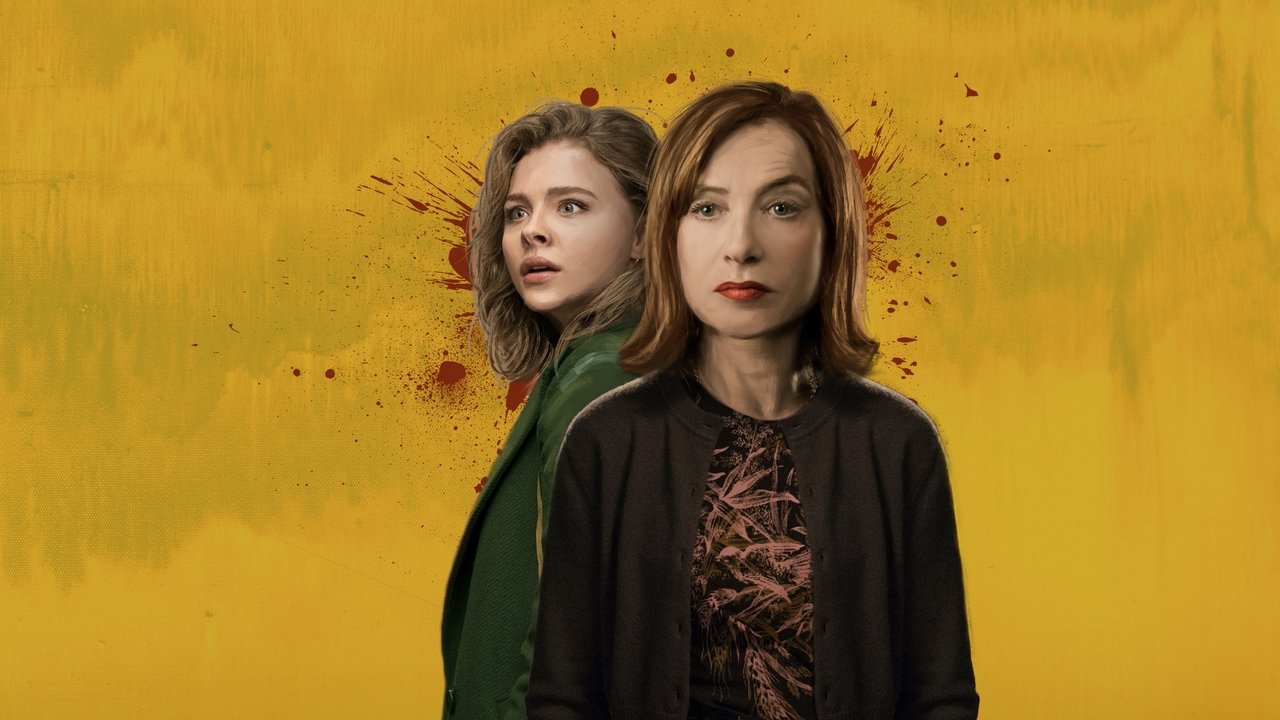
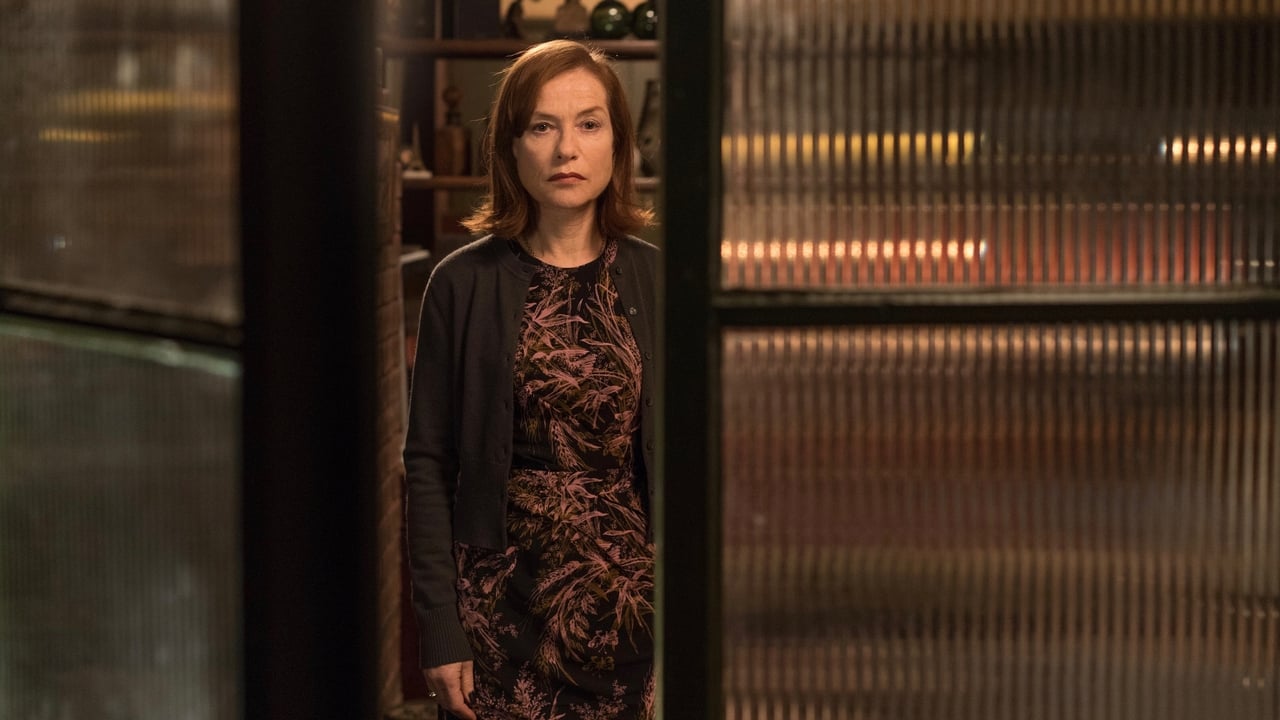
Keep Exploring...
-
The Discovery
2017
-
The Vast of Night
2019
-

The Lodge
2020
-
Deep Water
2022
-

Luckiest Girl Alive
2022
-

No Exit
2022
-
The Outfit
2022
-

Missing
2023
-

Reptile
2023
-

Dark Places
2015
-

Personal Shopper
2016
-
Thelma
2017
-
Mirage
2018
-

The Professor and the Madman
2019
-
Rebecca
2020
-

Black Box
2021
-

Black Bag
2025
-
The Gift
2015
-
Suburbicon
2017
-

Anon
2018