Harriet
"Freedom is a long, dangerous walk home."
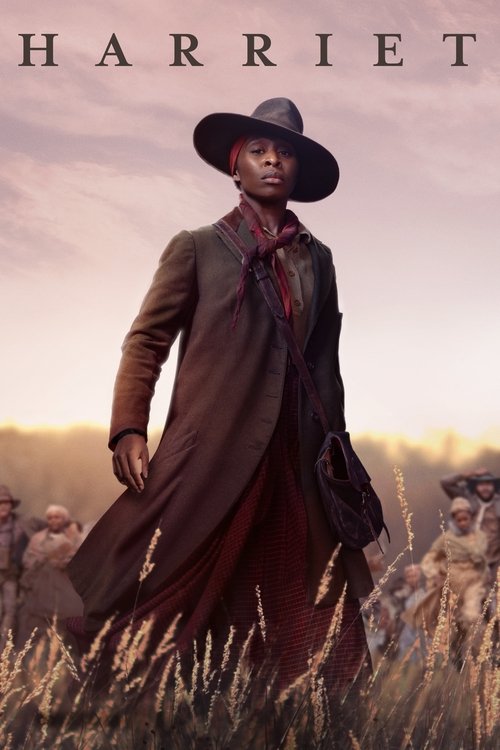
It’s genuinely wild to think that it took until 2019 for Harriet Tubman to get a major, big-budget theatrical biopic. We’ve had roughly four thousand movies about men in tights hitting each other with hammers, yet one of the most daring, tactically brilliant figures in American history was relegated to grainy history book illustrations and school assembly skits for over a century. When Kasi Lemmons (who directed the southern gothic masterpiece Eve’s Bayou) finally brought Harriet to the screen, she didn’t opt for a dusty, academic prestige piece. Instead, she gave us something that feels remarkably like a 19th-century superhero origin story.
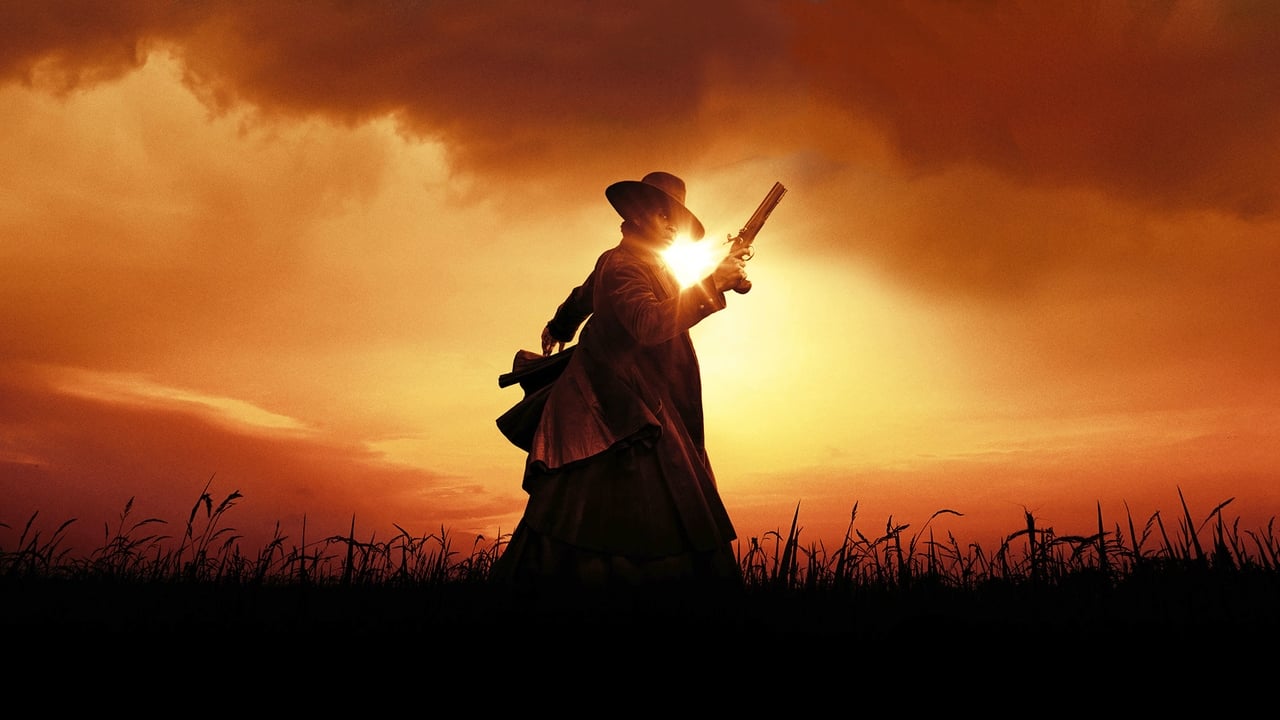
I watched this film on a Tuesday evening while my neighbor was obsessively mowing his lawn at 8:00 PM; the low, rhythmic drone of his John Deere actually added a weirdly effective layer of tension to the scenes where Minty is hiding in the tall grass. It’s those moments of quiet, agonizing suspense that define the first act, before the movie shifts gears into a high-stakes rescue thriller.
The Power of a Small Stature
The film rests entirely on the shoulders of Cynthia Erivo. If you haven't seen her on stage in The Color Purple or in the gritty heist flick Widows, you might not be prepared for the sheer intensity she radiates. She plays Harriet (born Araminta "Minty" Ross) not as a stoic saint, but as a woman vibrating with a mix of terror and divine certainty. There’s a specific way Erivo uses her height—or lack thereof—to show how Harriet was underestimated by everyone from her "masters" to the abolitionists in Philadelphia.
When she finally makes it across the border into Pennsylvania, the cinematography by John Toll (the man behind the lush looks of Braveheart and Legends of the Fall) captures a sunset that feels less like a postcard and more like a rebirth. But the movie is smart enough to know that "getting out" wasn't the end of the story. The real meat of the drama lies in her decision to go back. Leslie Odom Jr. shows up as William Still, providing a grounded, intellectual foil to Harriet’s more spiritual, instinctive approach. Their chemistry is great, though I did occasionally expect him to burst into a number from Hamilton.
Spiritual Spidey-Senses and Stylistic Choices

One of the more divisive elements of the film—and definitely my biggest "hot take" regarding the production—is how Lemmons handles Harriet’s "spells." Historically, Tubman suffered from seizures and vivid visions following a traumatic head injury as a child. The film portrays these as a literal direct line to God, giving her what is essentially a spiritual Spidey-sense that alerts her to oncoming danger. Some critics found this a bit too "comic book," but I actually dug it. In an era of franchise saturation, why shouldn't a historical icon have a "power" that sets her apart? It adds a layer of folk-magic to the grit.
The film does occasionally stumble into the "biopic trap" where secondary characters feel a bit like they’re reading from a Wikipedia page. Janelle Monáe is luminous as Marie Buchanon, a free-born woman who mentors Harriet, but I wish the script gave her more to do than just look elegant and provide plot-propelling advice. Similarly, the villains—led by Joe Alwyn as the obsessed slave owner Gideon Brodess—can feel a bit one-dimensional. They are effectively loathsome, but they lack the psychological complexity found in contemporary peers like 12 Years a Slave.
A Different Kind of Period Piece
What makes Harriet stand out in the current landscape of "representation-focused" cinema is its refusal to be a "trauma porn" movie. We’ve seen enough films that linger voyeuristically on the whip. Kasi Lemmons and co-writer Gregory Allen Howard (who also wrote Remember the Titans) are more interested in Harriet’s agency, her tactical brilliance, and her eventual role as a commander in the Civil War. It’s a film about winning, which felt incredibly refreshing in 2019 and feels even more vital now.
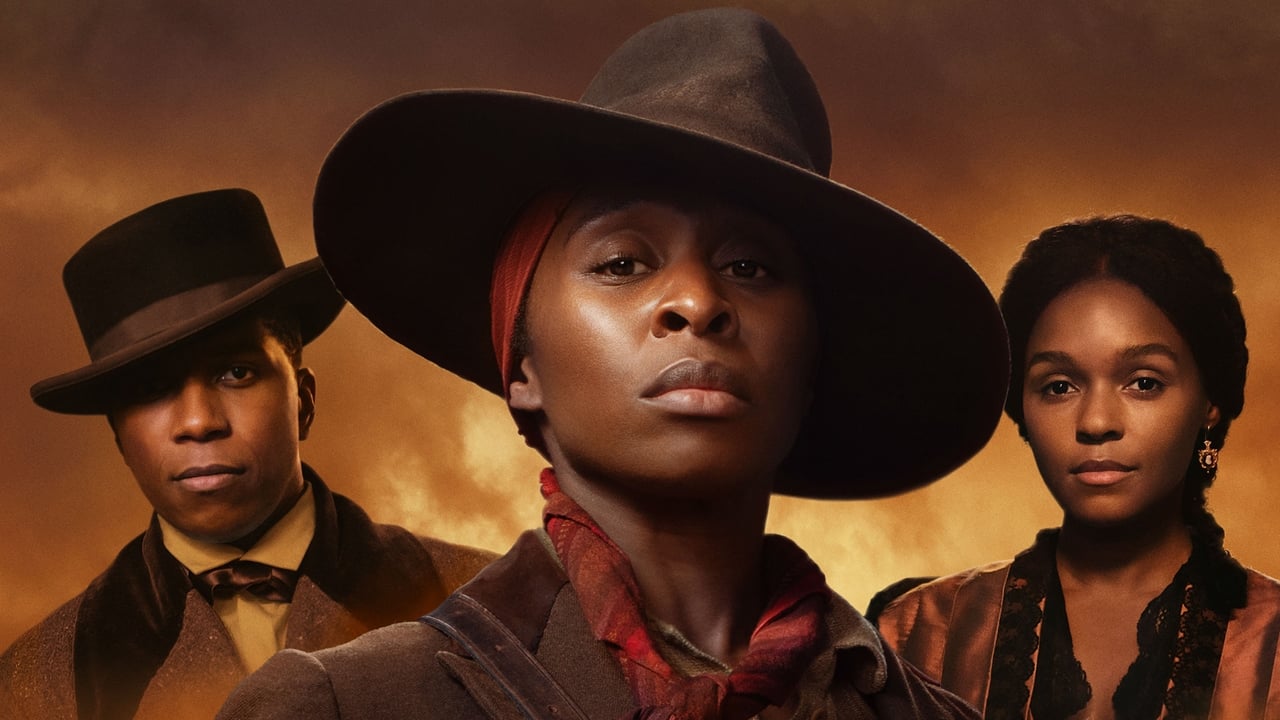
Interestingly, the path to getting this movie made was its own kind of saga. Turns out, this script was floating around Hollywood for over twenty years. At one point in the 90s, a studio executive famously suggested that Julia Roberts should play Harriet Tubman because "it was so long ago, no one will know the difference." Thankfully, the industry moved (slowly) toward a place where that kind of absurdity stayed in the boardroom. The version we got, filmed on location in Virginia with a predominantly Black creative team, feels authentic to the moment it was released.
Harriet isn't a perfect film—it plays some of its emotional beats a bit too broadly, and the musical score by Terence Blanchard occasionally works overtime to tell you exactly how to feel. However, it succeeds where so many historical dramas fail: it makes its subject feel like a living, breathing human being rather than a statue in a park. It’s a stirring, well-acted piece of cinema that proves the best "superhero" stories are the ones that actually happened.
I left the experience feeling like I finally knew the woman behind the twenty-dollar bill (or the woman who should be on the twenty-dollar bill). If you’re looking for a drama that trades cynicism for genuine inspiration without becoming overly saccharine, this is a journey worth taking. It’s a solid reminder that sometimes, the most radical thing you can do is refuse to stay where you're put.

Keep Exploring...
-
Colonia
2015
-
The 33
2015
-
All Eyez on Me
2017
-
Battle of the Sexes
2017
-

Detroit
2017
-
The Zookeeper's Wife
2017
-
Victoria & Abdul
2017
-
Mary Queen of Scots
2018
-
On the Basis of Sex
2018
-
Operation Finale
2018
-
The Current War
2018
-
A Beautiful Day in the Neighborhood
2019
-
Hotel Mumbai
2019
-
Mank
2020
-
The Outpost
2020
-

Belfast
2021
-
Judas and the Black Messiah
2021
-
The Iron Claw
2023
-

The Apprentice
2024
-
The Brutalist
2024