Hotel Mumbai
"Survival is the only reservation that matters."
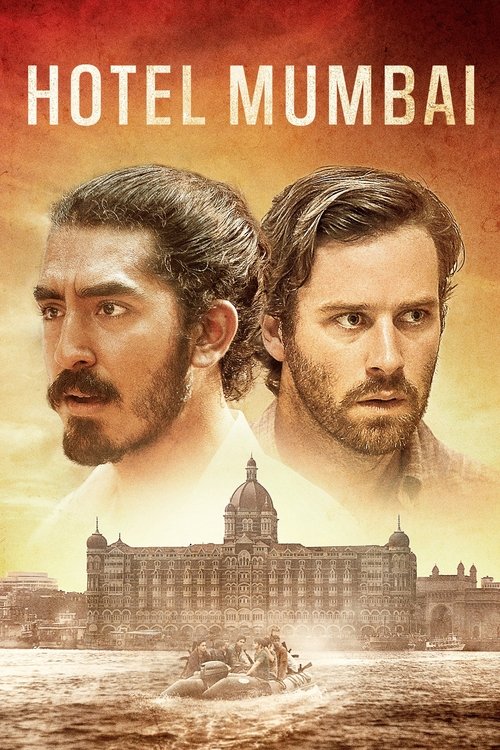
I remember watching Hotel Mumbai for the first time on a Tuesday night while nursing a lukewarm cup of herbal tea, and about twenty minutes in, I realized I’d forgotten to take a single sip. The tea went cold, my jaw stayed locked, and I felt a strange, nagging guilt for being so comfortable on my couch while the screen erupted in a meticulously staged nightmare. It is a rare film that makes your own living room feel like a fragile sanctuary.

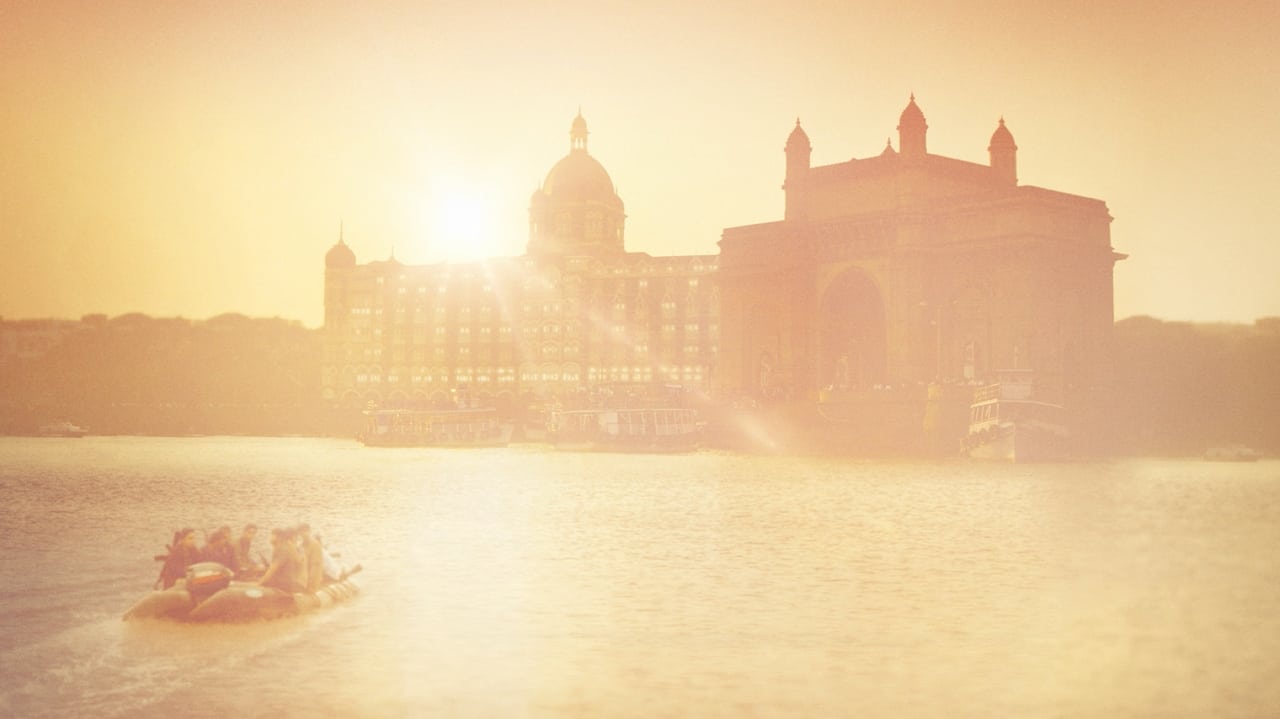
Released in that pre-pandemic pocket of 2019, Hotel Mumbai didn't exactly set the box office on fire, which is a crying shame. In an era where "action" usually involves spandex and green screens, director Anthony Maras delivered something that feels dangerously tangible. It’s a recreation of the 2008 Taj Mahal Palace Hotel siege, and it approaches the subject with a somber, terrifying intensity that refuses to let the viewer off the hook.
The Geography of Fear
What struck me most about the craft here is the sense of space. Action cinema often falls into the trap of "chaos editing," where you have no idea where the hero is in relation to the villain. Anthony Maras (who also directed the tense short The Palace) avoids this entirely. He treats the Taj Hotel like a character itself—a sprawling, opulent labyrinth that slowly transforms into a tomb.
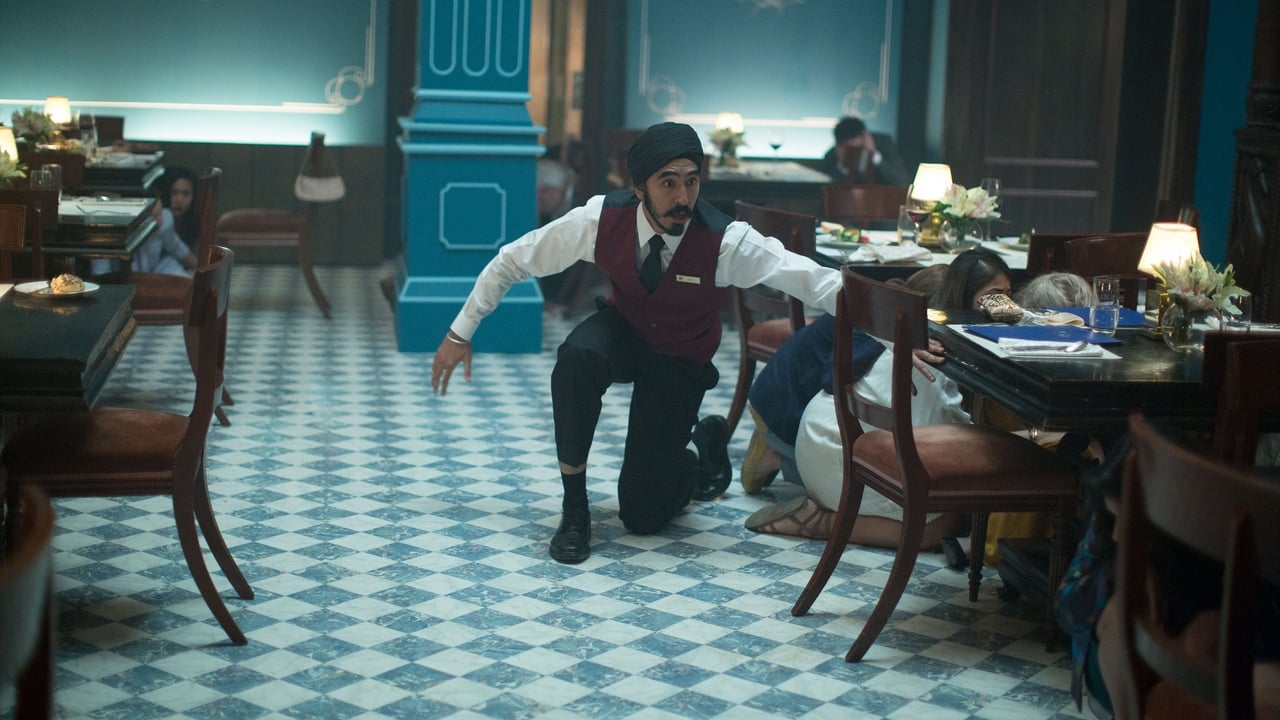
The choreography of the sequences isn't about "cool" stunts; it’s about the agonizing physics of hiding. We follow Arjun, played with a heartbreaking, quiet dignity by Dev Patel (Lion, The Green Knight), a waiter who loses a shoe in the opening minutes—a tiny, mundane detail that becomes a frantic hurdle when the bullets start flying. The sound design is the real MVP here. Each gunshot isn’t a cinematic "bang"; it’s a dry, metallic crack that echoes through the marble hallways, making the vast hotel feel suffocatingly small.
The film manages to balance multiple perspectives without losing its grip on the tension. You have the wealthy couple, David (Armie Hammer) and Zahra (Nazanin Boniadi), desperately trying to reach their infant upstairs, and the blunt, cynical Russian businessman Vasili (Jason Isaacs). Jason Isaacs is particularly fascinating here; he’s essentially playing the only person in the building with a functioning survival instinct, and his friction with the other "polite" guests provides a necessary grit to the tragedy.
"Guest is God"

The moral spine of the movie rests on the shoulders of Anupam Kher, who plays the real-life Chef Hemant Oberoi. His performance anchored the experience for me. There is a scene where he gathers his staff and reminds them of the hotel’s motto: "Guest is God." It’s a haunting sentiment when placed against the backdrop of a terrorist attack.
The film leans heavily into the dark/intense modifier, never shying away from the senselessness of the violence. It’s a difficult watch because it doesn't offer the catharsis of a typical action movie. There is no John McClane coming to save the day. Instead, we see the agonizing wait for specialized forces to arrive from Delhi, while the local police—brave but hopelessly outgunned—try to do the impossible with revolvers and old rifles.
I’ve heard some critics argue the film is "too intense" or borders on "misery porn," but I disagree. By focusing on the staff—the people who stayed to protect others when they could have run—the film becomes a study in radical empathy. The movie is essentially a slasher film where the monsters carry AK-47s, and by framing it through the eyes of the service workers, Anthony Maras elevates it from a mere thriller to a profound tribute.
The Ghost of the Box Office
So, why did this film disappear so quickly? Part of it was the timing. It was caught in the middle of a shifting theatrical landscape where mid-budget adult dramas were being squeezed out by franchise behemoths. Plus, let’s be honest: it’s a hard sell. "Do you want to spend two hours being stressed out by a true-life tragedy?" isn't a great pitch for a casual Friday night.

Interestingly, the production was a massive undertaking. To get the details right, the crew utilized actual transcripts of the intercepted phone calls between the terrorists and their handlers in Pakistan. That chilling, disembodied voice on the other end of the line, treating mass murder like a grocery list, is perhaps the scariest thing about the movie. It’s that contemporary "true crime" aesthetic applied to a siege movie, and it works with surgical precision.
I also found out later that many of the hotel’s interior shots weren’t even filmed in India, but in a repurposed psychiatric hospital in Adelaide, Australia. The fact that they recreated the Taj’s legendary opulence so convincingly on a $25 million budget is a testament to the production design team. They captured that specific "Old World" luxury that makes the subsequent destruction feel even more sacrilegious.
Hotel Mumbai is a relentless, nerve-shredding experience that honors the victims by refusing to sugarcoat the horror. It’s one of the best "forgotten" thrillers of the last decade, anchored by Dev Patel’s best performance to date and a directorial vision that understands the power of silence and shadows. It’s not a movie I’ll watch every year—it’s too draining for that—but it’s one I’m glad I saw. Just make sure you drink your tea while it’s still hot, because once the first shot is fired, you won’t be moving until the credits roll.
Keep Exploring...
-
Patriots Day
2016
-
13 Hours: The Secret Soldiers of Benghazi
2016
-

Detroit
2017
-
The Finest Hours
2016
-

Batman vs. Robin
2015
-
22 July
2018
-
Т-34
2018
-
An Officer and a Spy
2019
-

The Professor and the Madman
2019
-
The Courier
2020
-

Boyka: Undisputed IV
2016
-

Official Secrets
2019
-

Escape from Pretoria
2020
-

Tetris
2023
-

The Count of Monte Cristo
2002
-

United 93
2006
-

Snowden
2016
-

In the Heart of the Sea
2015
-
Operation Finale
2018
-

Black and Blue
2019