How to Train Your Dragon: The Hidden World
"The hardest part of flying is letting go."
I watched How to Train Your Dragon: The Hidden World while recovering from a wisdom tooth extraction, clutching a bag of frozen peas to my jaw. Perhaps it was the painkillers, or perhaps it was the sheer vulnerability of being unable to chew a taco, but the final ten minutes of this film absolutely wrecked me. I wasn’t just watching a dragon and a Viking say goodbye; I was watching my own childhood pack its bags and move into a storage unit.
In the landscape of 2019—a year dominated by the world-shaking finality of Avengers: Endgame and the slightly more divisive thud of Star Wars: The Rise of Skywalker—Dean DeBlois managed to pull off something surprisingly rare: a perfect landing. This wasn't just another sequel squeezed out to satisfy a corporate quota; it felt like a necessary, albeit painful, closing of a circle.
A Neon-Soaked Farewell
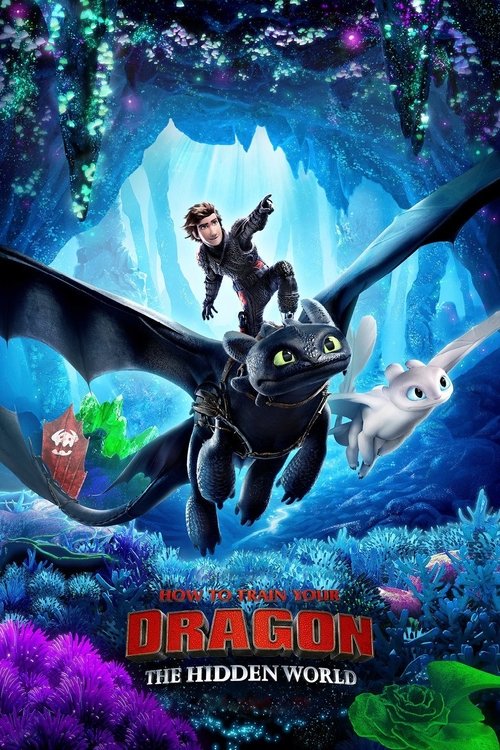
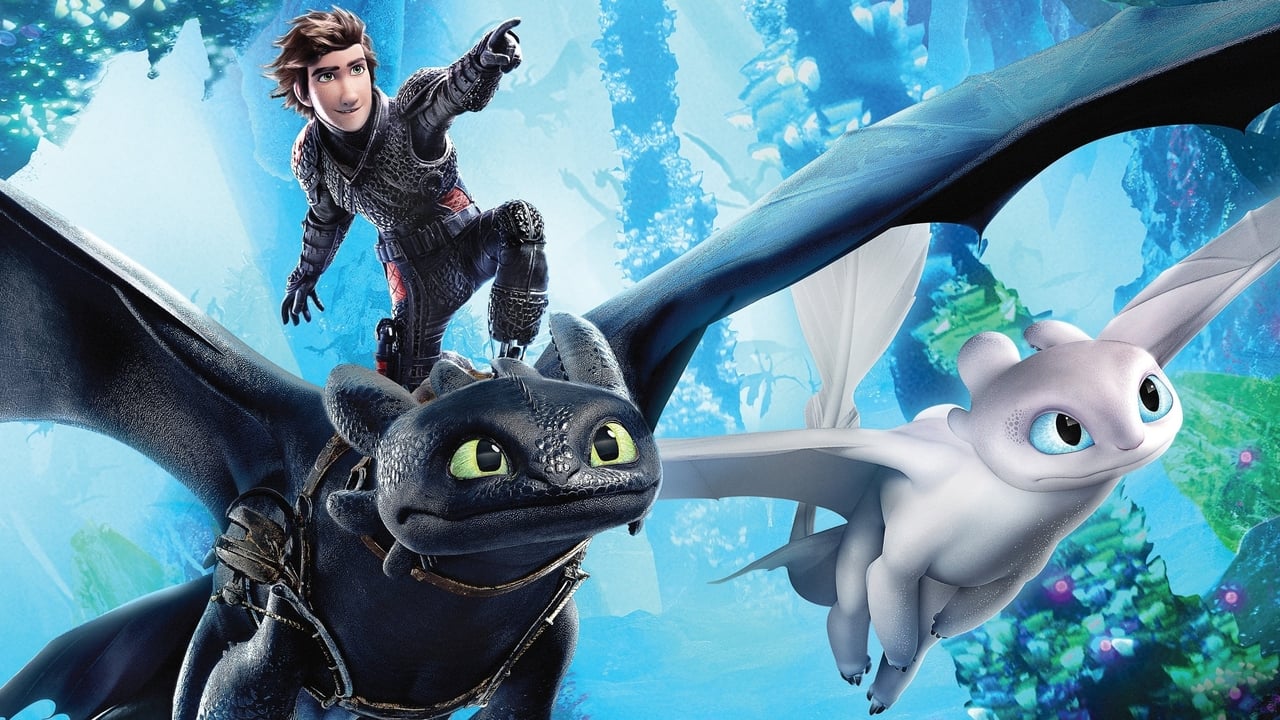
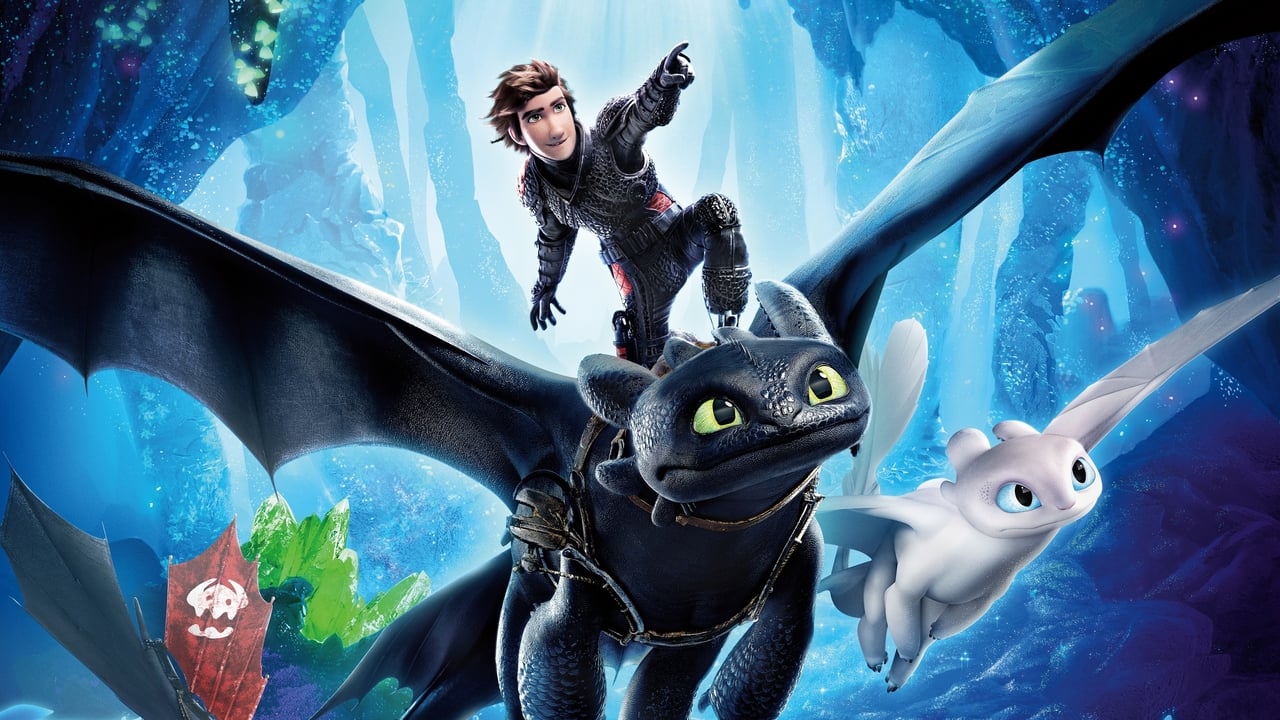
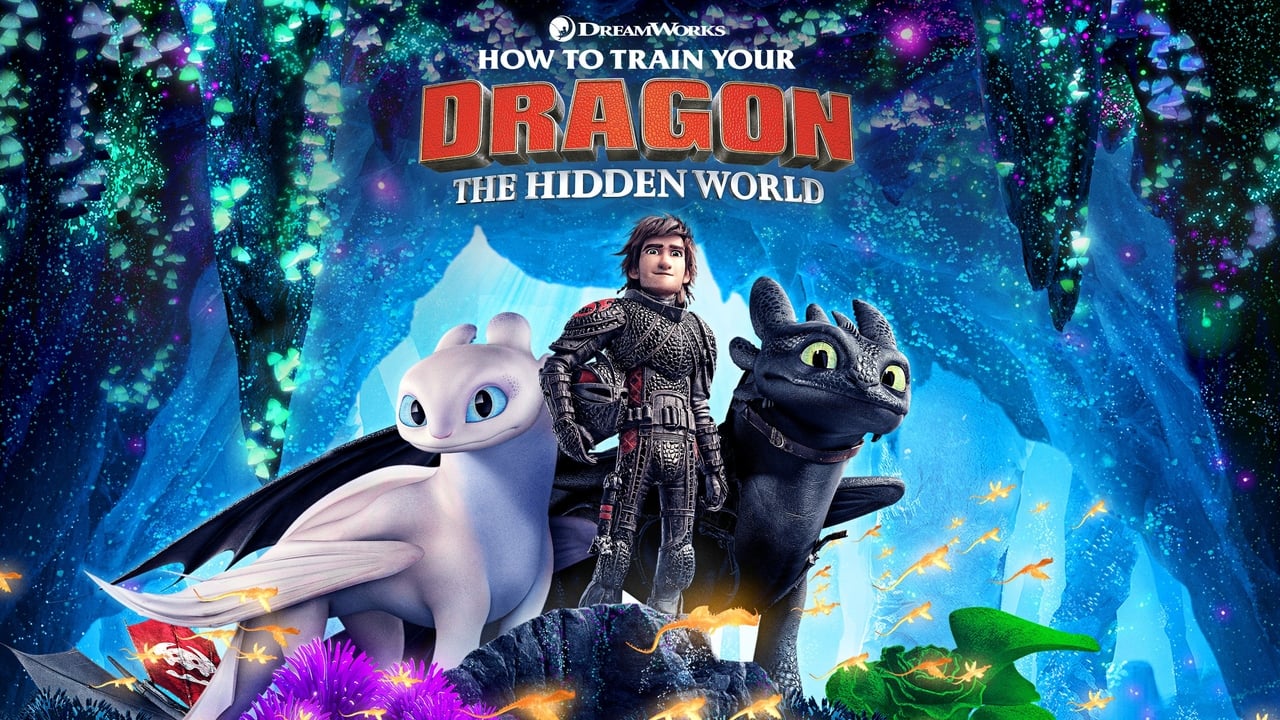
The first thing that hits you about The Hidden World is that it is staggeringly beautiful. DreamWorks used this film to debut their "MoonRay" ray-tracing engine, and the results make the first film from 2010 look like a collection of polite polygons. There is a sequence where Jay Baruchel (Hiccup) and America Ferrera (Astrid) fly into the titular Hidden World—a bioluminescent subterranean wonderland—that feels like Roger Deakins (who actually consulted on the first two films) had a fever dream about Avatar.
But the spectacle serves a specific purpose. This era of cinema is obsessed with "the volume" and seamless CGI, but here, the technology is used to emphasize the scale of what is being lost. The "Adventure" genre is traditionally about discovery, but DeBlois flips the script. This journey isn't about finding a new land to conquer; it’s about discovering a place where humanity doesn't belong.
The Philosophy of the Wild
If you look past the adorable mating dance of Toothless and the "Light Fury"—which, let’s be honest, is essentially a fire-breathing Golden Retriever trying to impress a high-end runway model—there is some heavy philosophical lifting going on. The film grapples with the idea of stewardship versus ownership.
Hiccup’s dream of a dragon-human utopia is revealed to be a beautiful, selfish lie. He believes he’s saving dragons by bringing them to Berk, but the villainous Grimmel (voiced with a delicious, smug cruelty by F. Murray Abraham) reminds us that as long as dragons are with humans, they are targets. Grimmel is basically a dragon-hunting middle manager with a god complex, and while he isn’t the most complex antagonist in the trilogy, he represents a cynical reality: the world isn't ready for peace yet.
The film asks a deeply "contemporary" question: Can we truly love something if we refuse to let it be wild? In an age where we track every movement of endangered species via satellite and curate every inch of our "natural" world, the movie’s answer is surprisingly radical. It suggests that the ultimate act of love is a total withdrawal of our presence.
The Business of Endings
From a production standpoint, this film arrived at a fascinating crossroads. It was the first DreamWorks Animation film to be distributed by Universal Pictures after the Comcast acquisition. Despite the corporate shuffling, the film was a massive commercial win, pulling in over $539 million globally. It proved that in a franchise-saturated market, audiences will still show up for a "legacy sequel" if the emotional stakes feel earned rather than manufactured.
Interestingly, the production was a bit of a marathon. Dean DeBlois had been steering this ship for nearly a decade, and the fatigue of maintaining such high visual standards is a real thing in the industry. The animators reportedly spent over a year just perfecting the look of the Light Fury’s "shimmer" effect. That’s the kind of obsessive detail that usually gets lost in the streaming shuffle today, but on a big theatrical screen, it feels like every cent of that $129 million budget is staring back at you.
A Final Flight
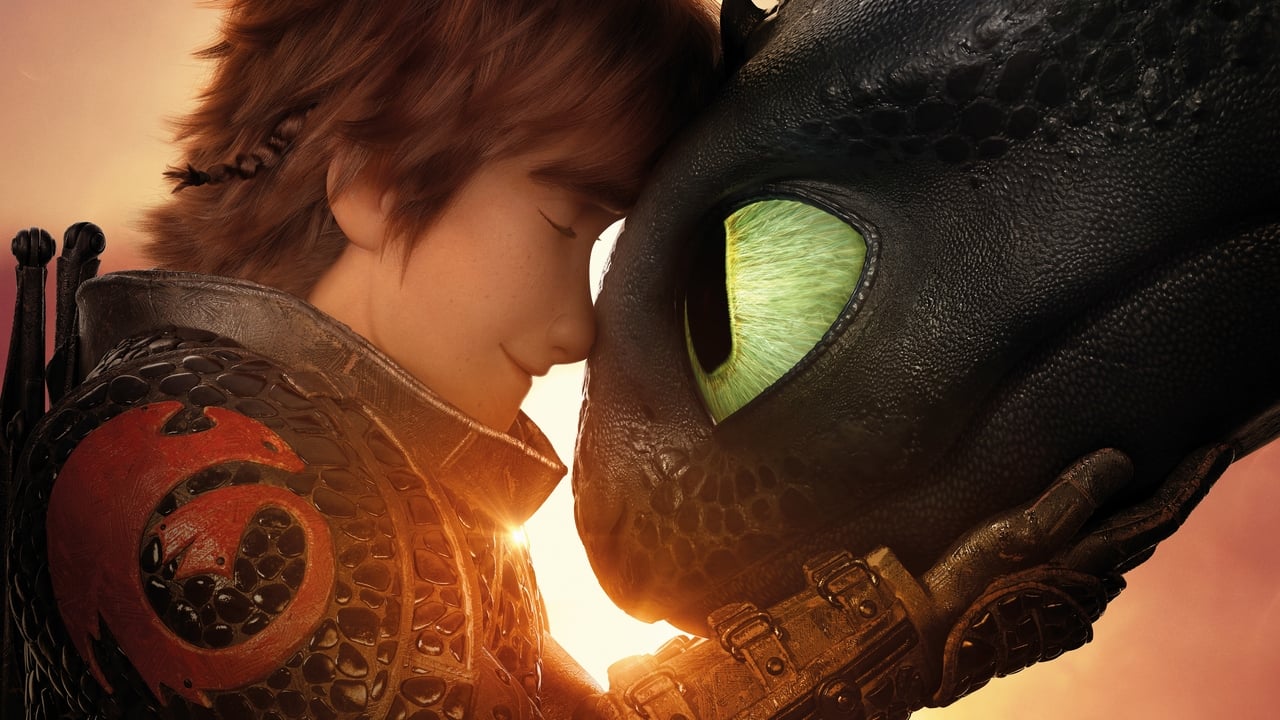
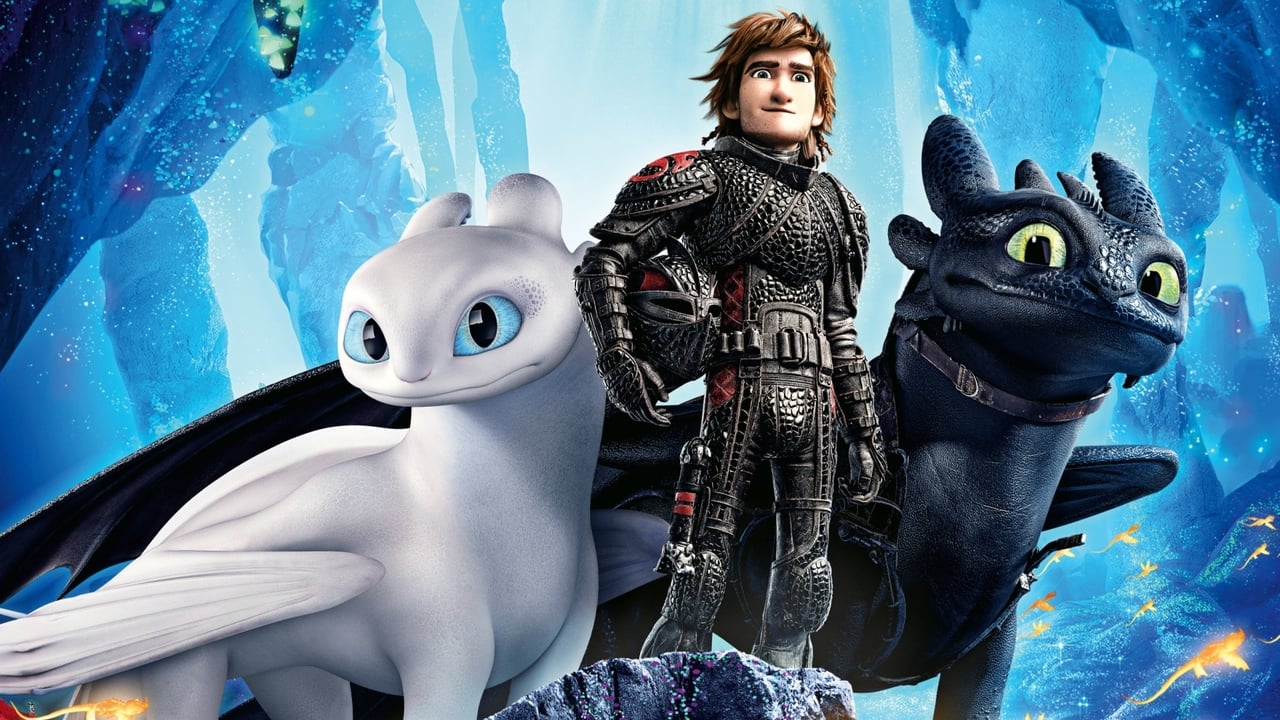
I’ve always appreciated that this series allowed Hiccup to age. We saw him as a scrawny teen, a grieving son, and now, a weary leader. Jay Baruchel’s voice has matured alongside the character, losing some of that frantic nasality and replacing it with a quiet, paternal weight. When he finally realizes that his bond with Toothless has become a gilded cage for the dragon, the movie transcends its "family adventure" label.
The score by John Powell (who did incredible work on The Bourne Identity and Solo: A Star Wars Story) is the secret weapon here. He brings back themes from the first film but twists them into something elegiac. It’s a reminder that while we often celebrate "cinematic universes" for their interconnectedness, there is a special power in a story that knows when to stop.
The film isn't perfect—the "Warlords" sub-villains are forgettable, and the comic relief from characters like Tuffnut can occasionally feel like it’s aimed at a much younger audience than the rest of the script—but its heart is indestructible. It manages to be a blockbuster that advocates for its own disappearance. It tells us that the dragons are gone, and that’s okay, because we’re the ones who have to grow up. If you don't find yourself at least a little misty-eyed during the final montage, you might want to check your chest for a heart of stone—or maybe just some frozen peas.
Keep Exploring...
-
How to Train Your Dragon 2
2014
-
How to Train Your Dragon
2010
-

How to Train Your Dragon: Homecoming
2019
-

How to Train Your Dragon
2025
-
Kubo and the Two Strings
2016
-
Raya and the Last Dragon
2021
-
The Wild Robot
2024
-
Transformers One
2024
-
Finding Dory
2016
-
Kung Fu Panda 3
2016
-
Moana
2016
-
Zootopia
2016
-
Coco
2017
-
Incredibles 2
2018
-
Ralph Breaks the Internet
2018
-
Frozen II
2019
-
The Secret Life of Pets 2
2019
-
Toy Story 4
2019
-
The Croods: A New Age
2020
-

Minions: The Rise of Gru
2022