I See You
"The walls are watching. So should you."
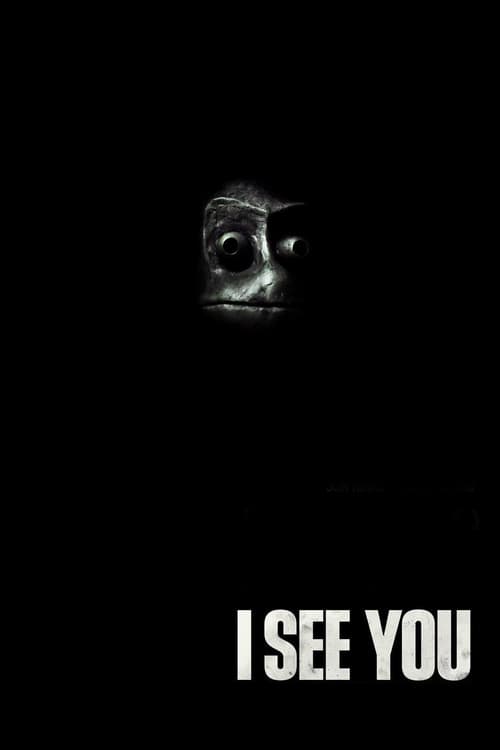
I went into I See You expecting a bargain-bin Insidious knock-off—one of those mid-budget thrillers you put on while folding laundry—and I walked away feeling like I’d just survived a cinematic car crash in the best way possible. I watched this on a rainy Tuesday while nursing a slightly cold cup of peppermint tea, and by the forty-minute mark, I’d completely forgotten the tea existed.
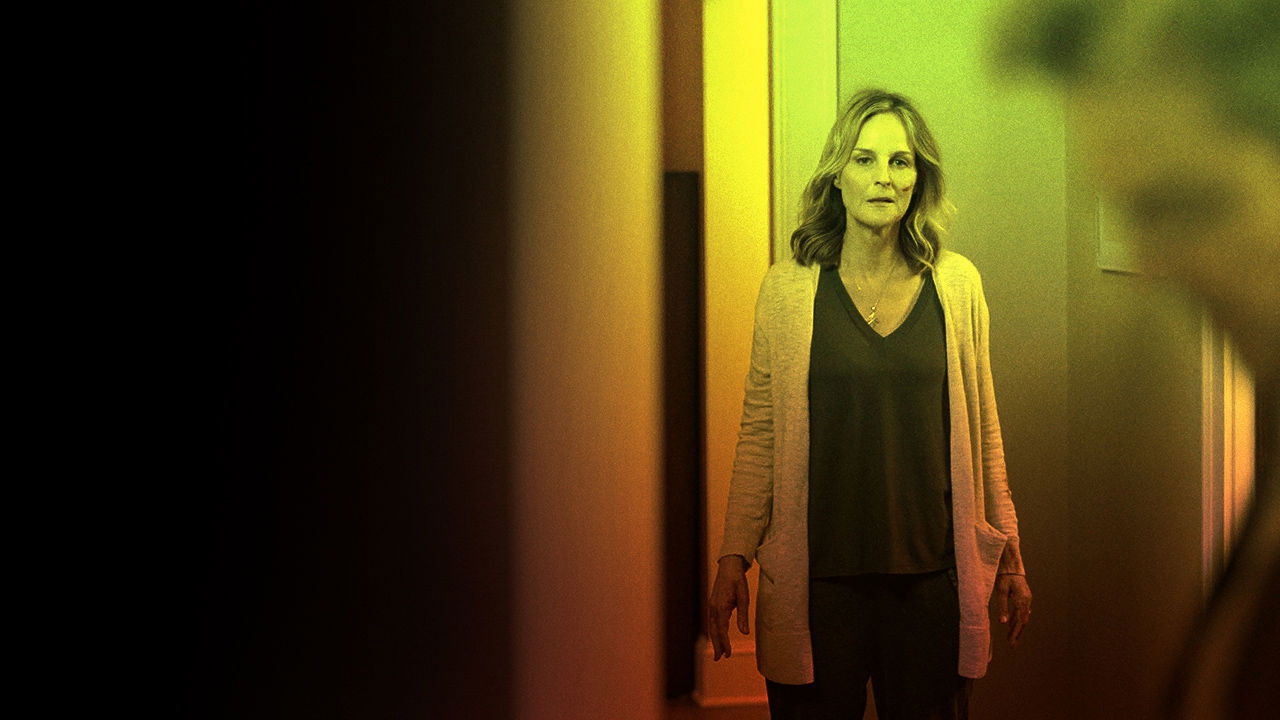
Released in 2019, right as the "prestige horror" wave was starting to settle into a predictable rhythm, Adam Randall’s twisty little nightmare feels like it was built specifically to mess with the audience's internal GPS. It starts as a somber, grey-toned procedural about a missing boy in a wealthy suburb, but then it mutates. Twice.
The House That Secrets Built
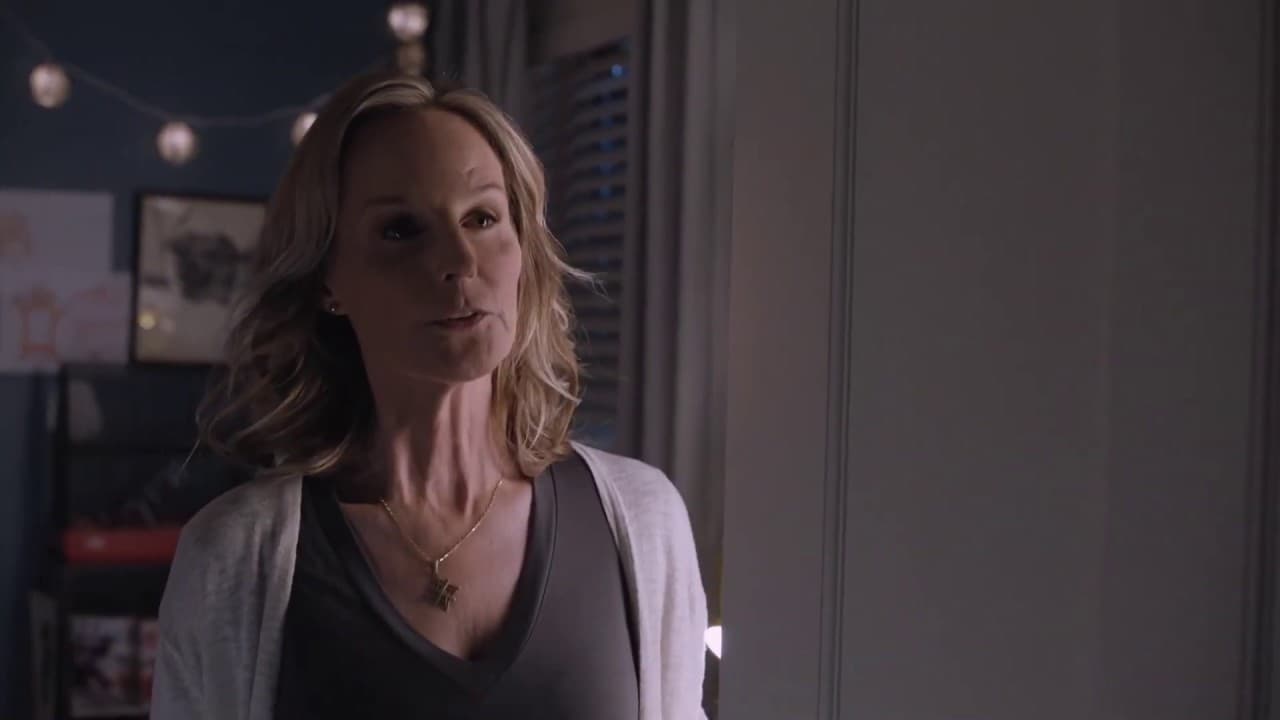
The setup is deceptively simple. Jon Tenney plays Greg Harper, a lead investigator on a child abduction case that looks eerily similar to a series of crimes from years prior—crimes for which the "right" man is supposedly already in prison. At home, things are worse. His wife, Jackie (played by Helen Hunt), has recently been caught in an affair, and their teenage son, Connor (Judah Lewis), is channeling his rage through slamming doors and silent glares.
At first, I found the pacing a bit... off. There are these strange, lingering shots of the Harper’s sprawling, ultra-modern home that feel like they belong in a ghost story. Mugs disappear. TVs turn on by themselves. A repairman claims a woman let him in when Jackie was out. I remember thinking, "Oh, great, another 'haunted house as a metaphor for a broken marriage' movie." I was wrong. I See You is actually the cinematic equivalent of a Russian Nesting Doll designed by a sadist.
When the film finally reveals its hand at the midpoint, it literally rewinds. We see the same events from a different perspective, and the "supernatural" elements are replaced by something much more grounded and significantly more unsettling: phrogging. For the uninitiated (and the now-paranoid), that’s the practice of living in someone’s house without them knowing.
Indie Ingenuity and the Pivot
This is where the movie’s $3 million budget actually becomes its secret weapon. Directed by Adam Randall and written by Devon Graye (who fans might remember as the teenage version of the titular killer in Dexter), the film uses its limited locations to create a feeling of total surveillance. Philipp Blaubach’s cinematography relies on slow-creeping drone shots that look down on the neighborhood like a hawk hunting a field mouse. It’s an effective way to make a small-scale indie feel expansive and predatory.
The performances really anchor the shift. While Helen Hunt’s casting drew a lot of headlines (and unfortunately, some unkind internet discourse about her appearance), she brings a brittle, frantic energy to Jackie that works perfectly for a woman who knows she’s the villain in her own family’s story. But the real standout for me was Owen Teague as Alec, one of the "phroggers" hiding in the Harper’s attic. Owen Teague has this incredible ability to look both vulnerable and absolutely terrifying with just a tilt of his head. Along with his partner-in-crime Mindy (Libe Barer), they provide the human element that makes the second half of the film feel so urgent.
Interestingly, the production was a bit of a "hustle." It was shot in Cleveland, Ohio, over just 20 days. They used a real house for the majority of the shoot, which adds a layer of lived-in claustrophobia you just don't get on a soundstage. Adam Randall reportedly encouraged the actors to treat the house as a character, and you can feel that—the way the floors creak and the way the light hits the weirdly positioned windows.
Why It Hits Different Now
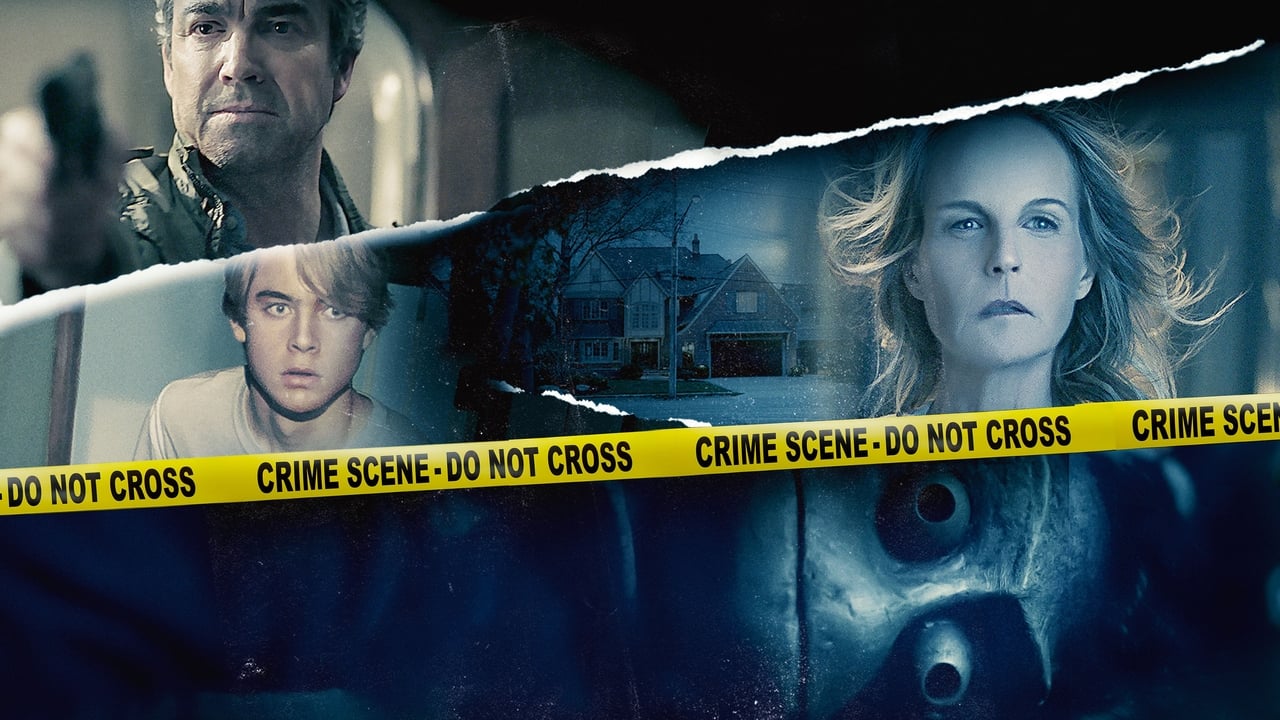
In our current era of "social thriller" saturation, I See You feels like a refreshing throwback to the era of the high-concept 90s thriller, but filtered through a modern, cynical lens. It doesn’t benefit from the nostalgic glow of the 80s; instead, it engages with the modern anxiety of being watched. Whether it’s through a hidden camera, a social media feed, or a stranger living in your crawlspace, the film taps into the idea that privacy is a total illusion.
The film’s journey is also a classic "streaming era" success story. It had a very quiet theatrical and VOD release before exploding on Netflix, where audiences rediscovered it and turned it into a word-of-mouth hit. It’s the kind of movie that rewards a second viewing—once you know the final, gut-punch reveal involving Gregory Alan Williams' Detective Spitzky and the truth about Greg Harper, you’ll want to go back and see all the clues you missed.
I See You isn't a "perfect" movie—some of the subplots feel a bit rushed, and the final five minutes move at such a breakneck speed you might get whiplash. However, it is a masterclass in how to subvert expectations. It takes a tired genre—the suburban mystery—and flips it upside down so many times you lose track of which way is up. If you're looking for a thriller that actually respects your intelligence and isn't afraid to get genuinely dark, this is a top-tier choice for your next "what should we watch?" night. Just maybe check the attic before you go to bed.

Keep Exploring...
-
Circle
2015
-
Vivarium
2019
-
Get Out
2017
-

Summer of 84
2018
-
The Autopsy of Jane Doe
2016
-
The Ritual
2017
-
Goodnight Mommy
2015
-
Marrowbone
2017
-

Ghostland
2018
-
Hereditary
2018
-
Escape Room
2019
-
Polaroid
2019
-
Color Out of Space
2020
-
Gretel & Hansel
2020
-
I'm Thinking of Ending Things
2020
-

The Lodge
2020
-
Escape Room: Tournament of Champions
2021
-

Old
2021
-
The Conjuring: The Devil Made Me Do It
2021
-
The Pale Blue Eye
2022