In the Shadow of the Moon
"Every nine years, the future bleeds into the past."
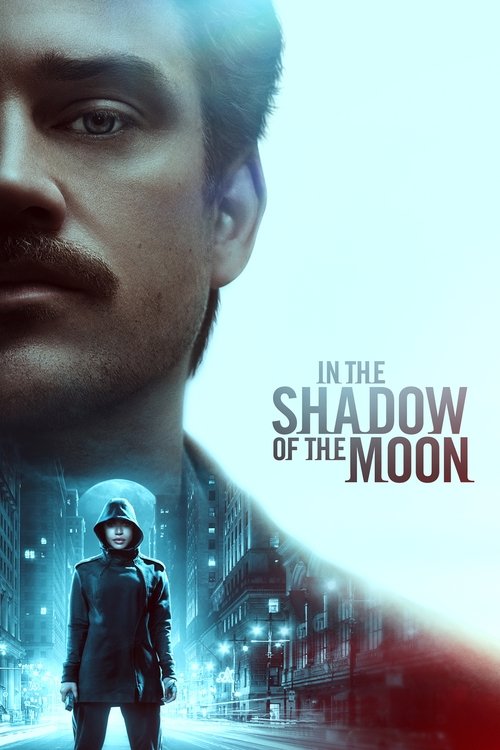
The 1988 segment of In the Shadow of the Moon starts with a sequence that feels like a fever dream: a concert pianist’s fingers start bleeding mid-performance, her eyes turn into red pools, and her brain effectively liquifies and leaks out of her nose. It’s a grisly, attention-grabbing opening that promises a hardcore horror-slasher. But then, police officer Thomas Lockhart—played with a hungry, twitchy energy by Boyd Holbrook (Logan, The Sandman)—steps onto the scene, and the film shifts gears into a police procedural. Then it shifts again into a time-bending sci-fi head-scratcher.

I watched this late on a Tuesday night while nursing a lukewarm cup of peppermint tea that I’d forgotten to add honey to, and that slightly bitter, medicinal vibe actually suited the film’s descending spiral into obsession. It’s the kind of movie that feels like it was discovered in the "Sci-Fi/Thriller" aisle of a Blockbuster in 1996, despite being a glossy Netflix original from 2019.
The Nine-Year Itch
The hook is genuinely clever. Every nine years, a mysterious woman—the enigmatic Rya, played with chilling composure by Cleopatra Coleman (Infinity Pool)—reappears in Philadelphia to commit a series of impossible murders. The victims all die from the same hemorrhagic brain-melt, and they all have three tiny puncture marks on their necks. For Locke, catching her isn't just a job; it becomes a life-consuming quest that spans decades.
We see Locke in 1988 as a beat cop, in 1997 as a rising detective, in 2006 as a disheveled private investigator, and finally in 2015 as a man who has completely lost the plot. Director Jim Mickle, who also gave us the excellent Cold in July, handles these time jumps with impressive visual storytelling. He doesn't just rely on "Old Man" makeup—though there is plenty of that—he changes the very texture of the film to match the era. The 80s segments feel tactile and grimy; the later years feel colder and more sterile.
A Genre Gumbo that Mostly Works

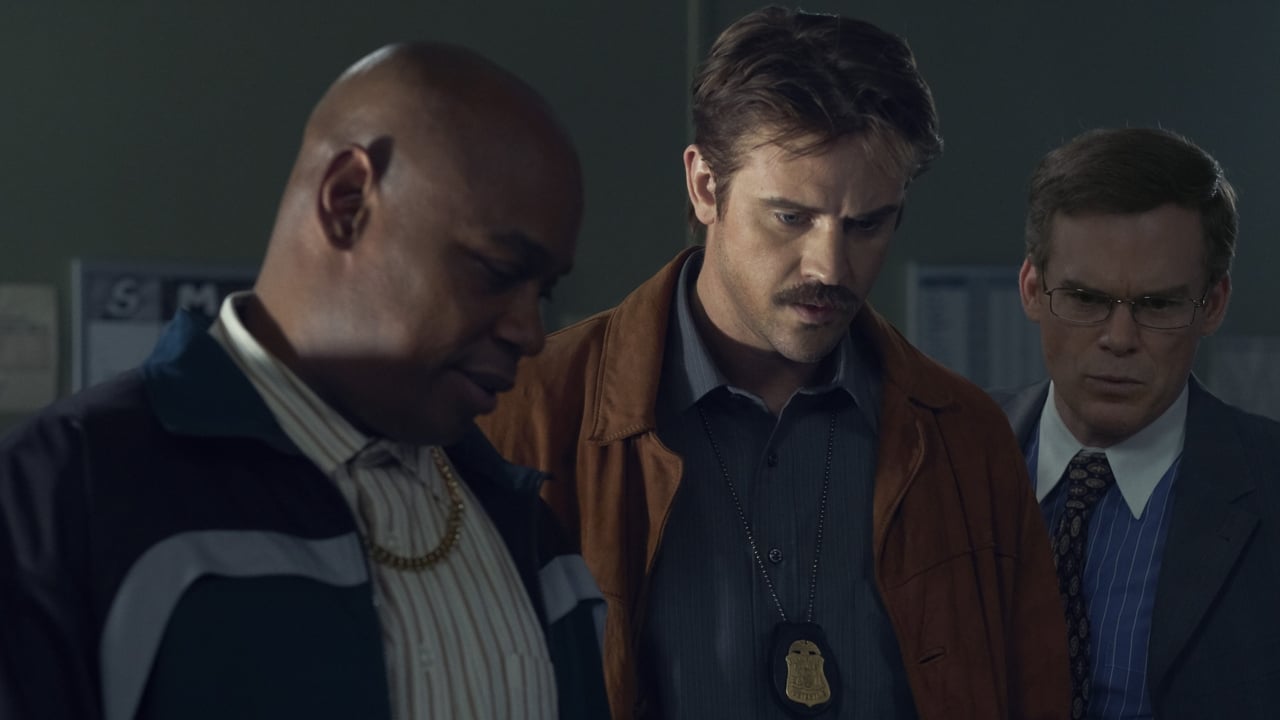
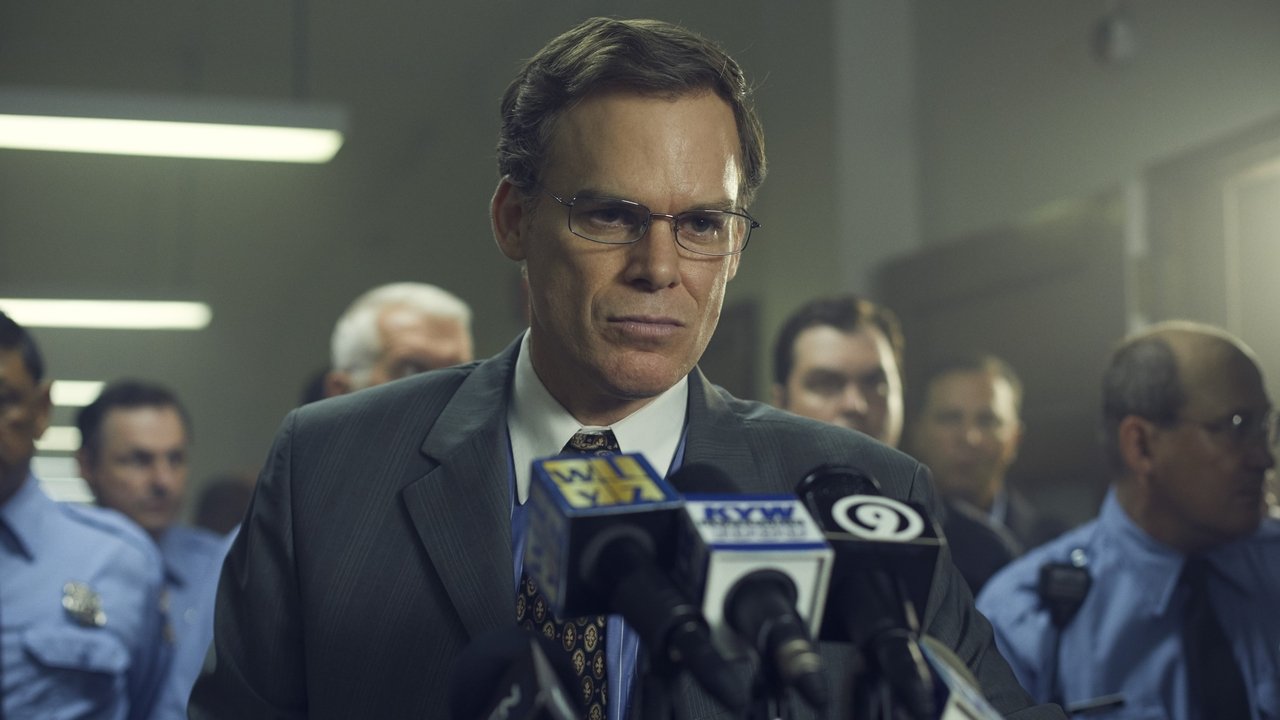
What makes this film such a curious artifact of the late-2010s streaming boom is how it refuses to settle into one lane. It’s trying to be Se7en, The Terminator, and 12 Monkeys all at once. Usually, that’s a recipe for a tonal disaster, but Jim Mickle manages to keep the plates spinning. He’s aided by a solid supporting cast, including Bokeem Woodbine (Fargo) as Locke’s skeptical partner, Maddox, and Michael C. Hall (Dexter) as his brother-in-law, Holt. Hall, in particular, is doing some interesting work here, playing a character who is essentially the "voice of reason" but ends up looking like a villain because he won't indulge Locke’s increasingly wild theories.
The sci-fi elements are "soft," meaning the movie cares more about the emotional toll of time travel than the physics of it. It uses the lunar cycle as a hand-wavy explanation for why the killer only appears every nine years, which is just the right amount of "movie science" for a 5-minute bus ride conversation. The central "What If?" is a classic ethical trolley problem: if you could kill a few people now to prevent a massive societal collapse in the future, would you? Most Netflix movies have the visual texture of unflavored oatmeal, but this one actually has some grit and asks some genuinely uncomfortable questions about political polarization and the seeds of domestic extremism.
Lost in the Algorithm
It’s fascinating to look at In the Shadow of the Moon as a product of the mid-to-late 2010s streaming strategy. Released in 2019, it was part of a wave of "mid-budget" genre films that studios had largely stopped making for theaters but that Netflix was hungry to host. It didn't have a massive franchise hook, and it wasn't a "prestige" Oscar play, so it largely vanished into the "Recommended for You" abyss within a month of its release.
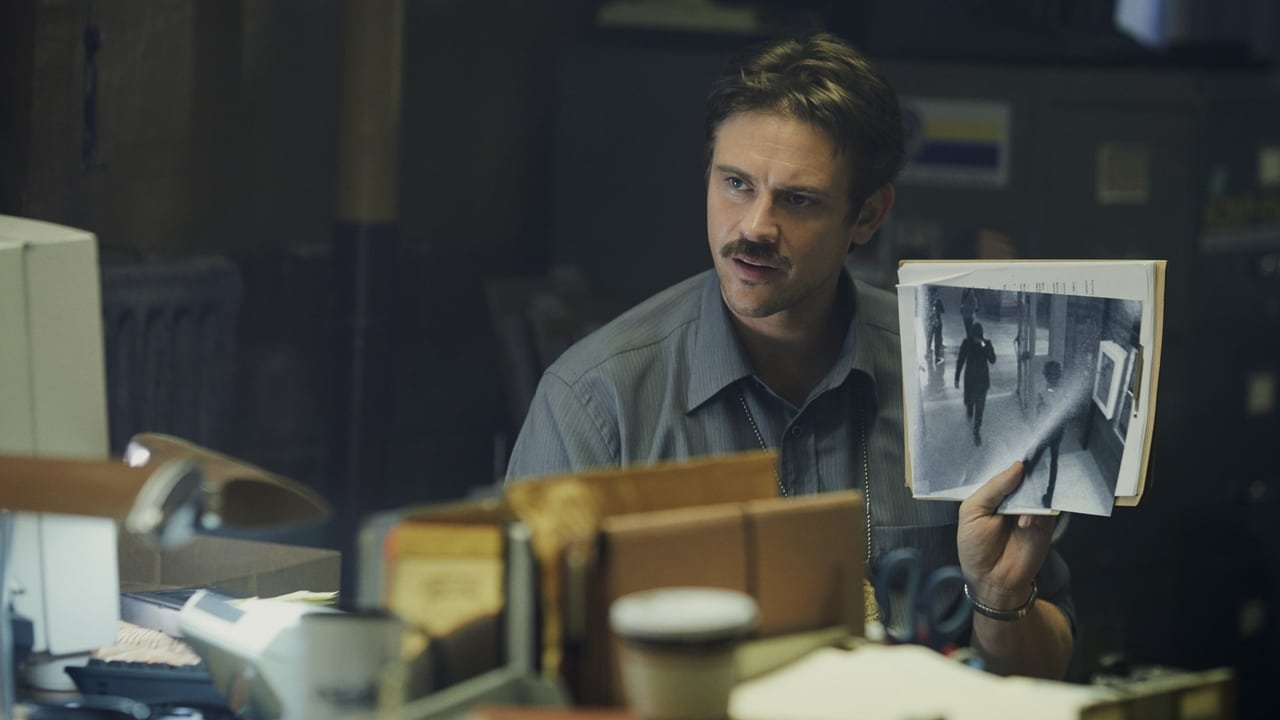
That’s a shame because it’s a remarkably ambitious film. It deals with the cost of obsession in a way that reminded me of David Fincher’s Zodiac, even if it lacks that film’s surgical precision. Boyd Holbrook’s performance is the anchor; he goes from a charming, ambitious young cop to a man who looks like he’s been living in a basement eating nothing but canned tuna and conspiracy theories. It’s a physical transformation that feels earned rather than gimmicky.
The ending is where the movie will likely lose some people. It pivots hard into a sentimental register that clashes with the grim-dark tone of the first two acts. However, I found it strangely moving. It recontextualizes everything we’ve seen, turning a story about a hunt for a monster into a tragic family drama. It’s a bold swing, and even if it doesn't quite clear the fences, I appreciate a movie that tries to be about something rather than just being a delivery vehicle for CGI explosions.
In the Shadow of the Moon is a sturdy, creative thriller that deserves a second look. It’s the perfect "hidden gem" for a rainy Saturday when you want something that engages your brain without requiring a PhD in temporal mechanics. It treats its audience with respect, avoids the typical jump-scare clichés of the genre, and features a powerhouse performance from Boyd Holbrook that should have made him a much bigger star. Give it a shot—just maybe skip the peppermint tea.
Keep Exploring...
-
The Predator
2018
-
Crimes of the Future
2022
-
Z for Zachariah
2015
-

Morgan
2016
-

Spectral
2016
-
2:22
2017
-
The Discovery
2017
-

Anon
2018
-
Extinction
2018
-
Hotel Artemis
2018
-

Kin
2018
-
Mute
2018
-
Tau
2018
-

Captive State
2019
-
The Vast of Night
2019
-
Color Out of Space
2020
-

Synchronic
2020
-
Boss Level
2021
-

Outside the Wire
2021
-
Oxygen
2021