Ip Man 4: The Finale
"One final stand for the legend of Wing Chun."
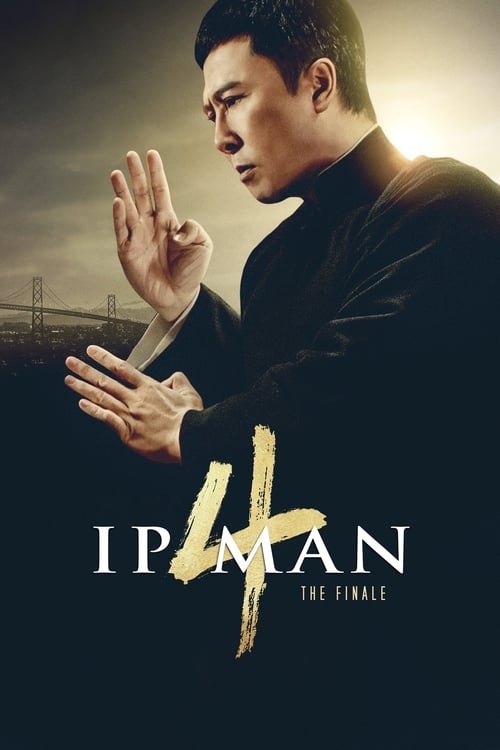
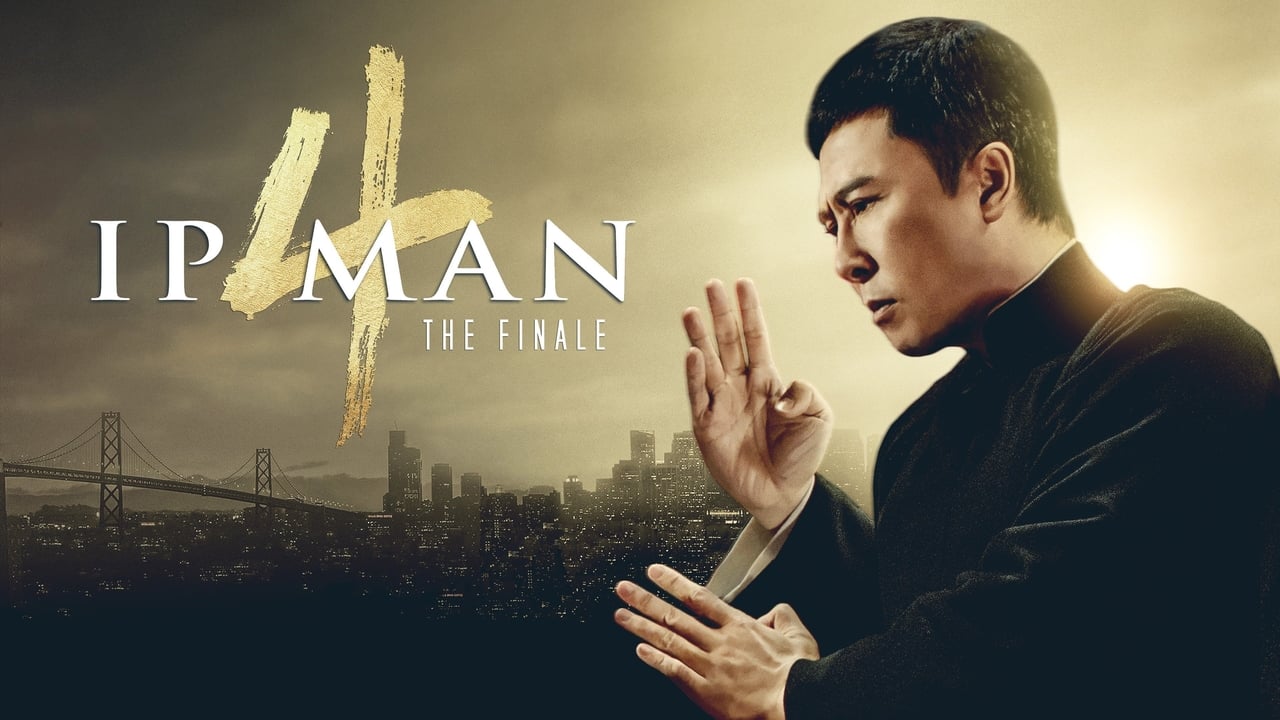
There is a specific, heavy weight that comes with watching a legendary character grow old, especially when that character has spent the last decade teaching the world the quiet power of Wing Chun. By the time we reach Ip Man 4: The Finale, Donnie Yen has inhabited the role of the grandmaster for eleven years. He’s no longer the spry, untouchable fighter from the 2008 original; he’s a widower with a cancer diagnosis and a rebellious son, looking for a future in a 1964 San Francisco that doesn't particularly want him there. It’s a somber, reflective setup for a film that nonetheless manages to pack enough bone-crunching choreography to remind us why this franchise became a global phenomenon.
I watched this on a rainy Tuesday afternoon while my neighbor was inexplicably power-washing their driveway for three hours, and the rhythmic thrum-thrum-thrum of the water against the pavement weirdly synced up with the wooden dummy training sequences. It added a strange, industrial texture to Ip Man’s solitude that I didn't hate.
The Grandmaster’s Last Lesson
In this final outing, Director Wilson Yip takes the series to America, leaning heavily into the immigrant experience and the systemic racism of the 1960s. While some of the secondary American characters are written with all the nuance of a Saturday morning cartoon villain, the central conflict remains grounded in Donnie Yen’s stoic performance. Yen has mastered the art of saying everything with a slight tilt of his head or a weary sigh.
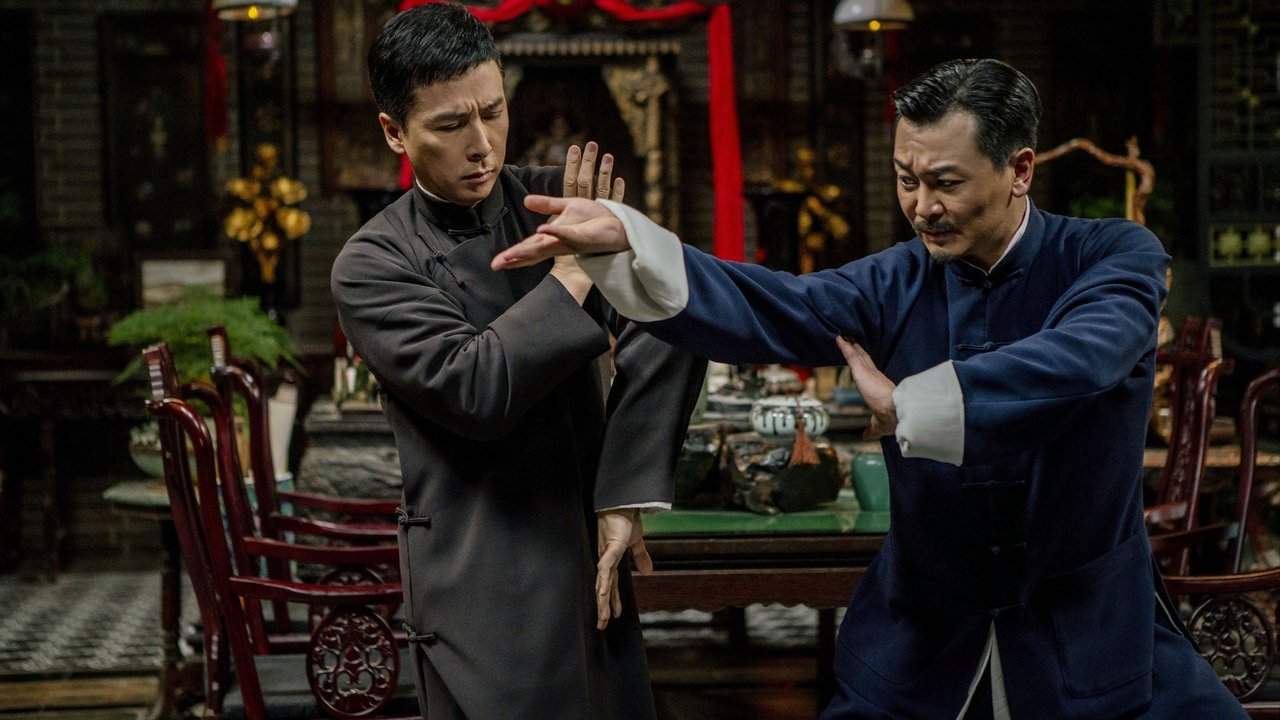
The plot follows Ip Man as he attempts to secure a school for his son, which requires a letter of recommendation from the Chinese Consolidated Benevolent Association. This leads him into a philosophical and physical clash with Wu Yue, who plays a Tai Chi master convinced that kung fu should be kept secret from Westerners. This internal friction within the Chinese community provides a necessary counterweight to the external threats, showing that the "finale" isn't just about fighting outsiders, but about deciding what the legacy of martial arts should actually be.
A Collision of Styles
For the action junkies, the main event is undeniably the showdown between Wing Chun and the brutal, efficiency-focused Karate of the U.S. Marines. Scott Adkins enters the fray as Barton Geddes, a racist Gunnery Sergeant who treats martial arts like a weapon of pure subjugation. Scott Adkins’ American accent is as subtle as a roundhouse kick to the larynx, but his physical prowess is undeniable. He is perhaps the most formidable screen opponent Yen has faced since Mike Tyson showed up in the third installment, and their climactic fight is a masterstroke of pacing.
The choreography, handled by the legendary Yuen Woo-ping, avoids the "wire-fu" excesses that sometimes plague the genre. Instead, it focuses on the tactical brilliance of Ip Man’s close-quarters combat. You see him adjusting to Geddes’ superior reach and raw power, using the rapid-fire "chain punches" not just for show, but to dismantle his opponent's rhythm. It’s a reminder that these films have always been about the triumph of technique and discipline over brute force.
The Blockbuster Legacy
When we talk about the Ip Man series, we’re talking about a genuine contemporary blockbuster success story. Produced on a budget of $52 million—a significant sum for a Hong Kong production—it went on to rake in over $239 million globally. It didn't just succeed in China; it became a cultural touchstone for martial arts fans everywhere, revitalizing interest in Wing Chun to the point where "Ip Man" is now a household name alongside Bruce Lee.
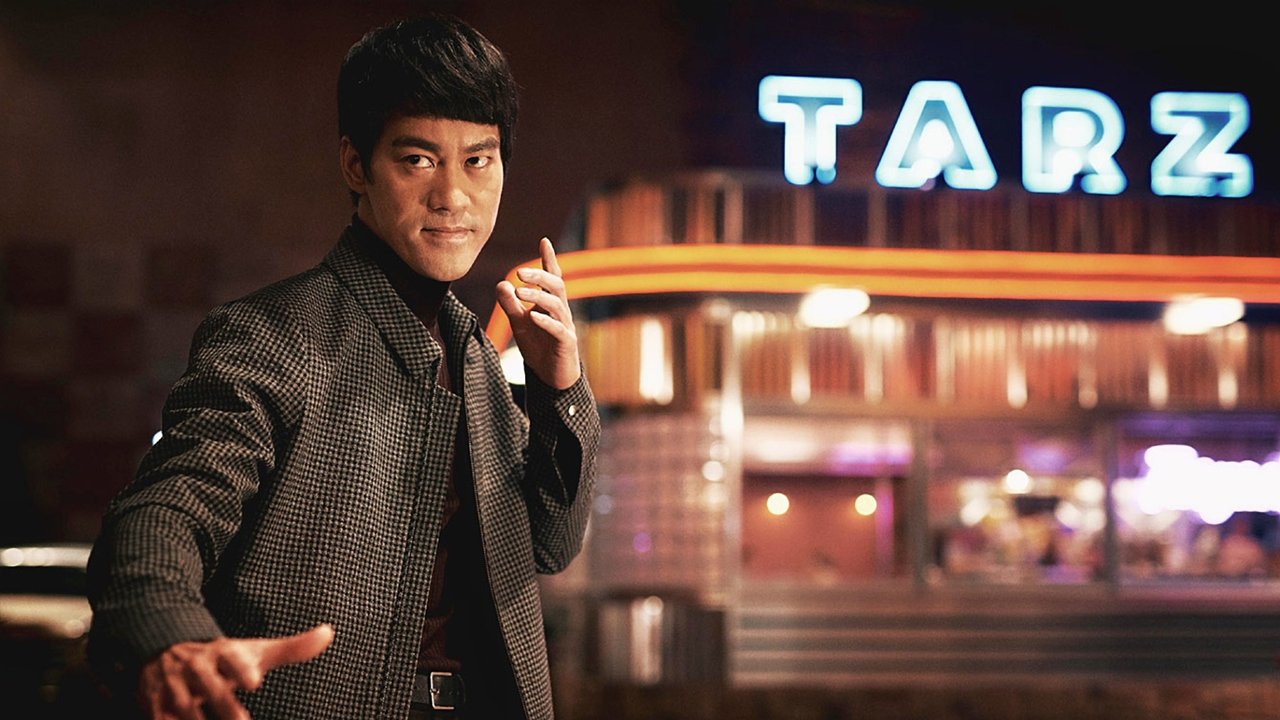
Speaking of the Little Dragon, Danny Chan Kwok-Kwan returns as Bruce Lee, and his sequence in an alleyway—complete with nunchucks and that iconic high-pitched yell—is pure fan service done right. It serves as a bridge between the historical Ip Man and the global pop-culture explosion that followed him. The film smartly uses this connection to show that while Ip Man’s personal story is ending, the influence of his teachings is just beginning to go viral in the pre-internet sense.
The production value here is top-tier for modern action cinema. The recreation of 1960s San Francisco (much of it filmed on sets in China and locations in the UK) feels lived-in and atmospheric, aided by Cheng Siu-Keung’s warm, nostalgic cinematography. It captures that specific "end of an era" sunset glow that permeates the entire 105-minute runtime.
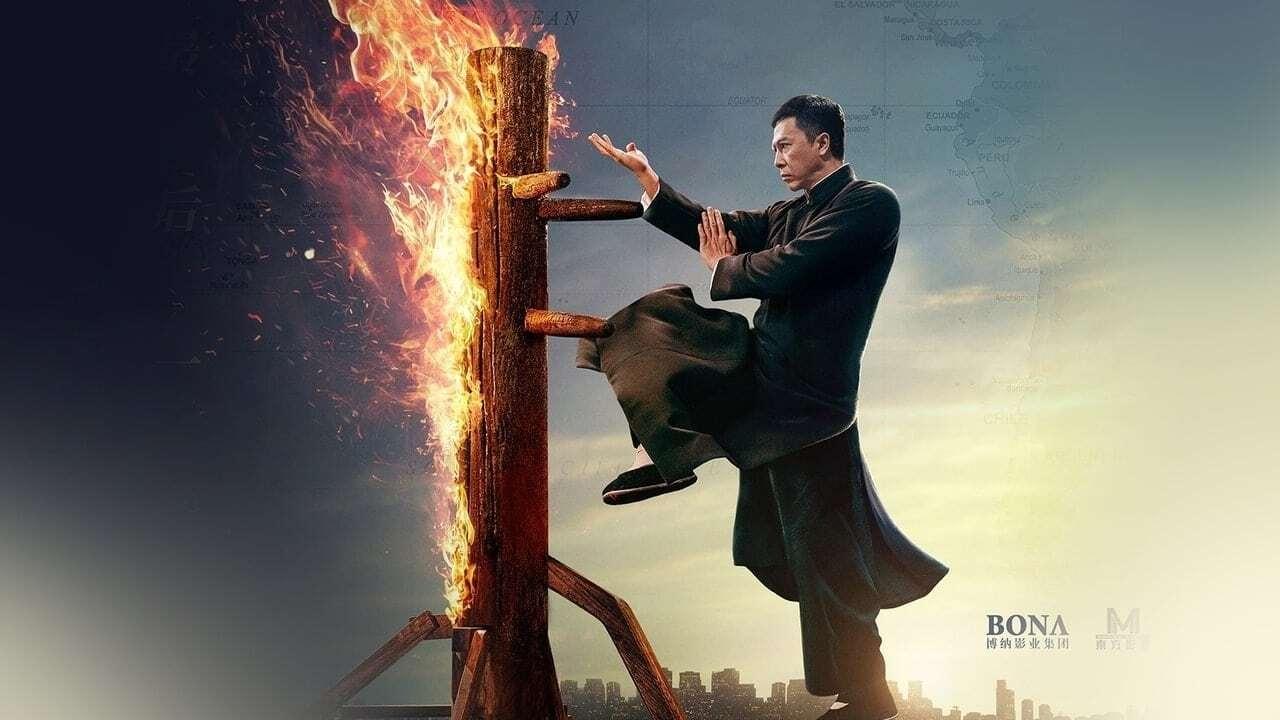
Ip Man 4: The Finale succeeds because it understands it’s a eulogy. It leans into the melodrama, yes, and the Western villains are one-dimensional, but the core of the film—the dignity of a man who refuses to stay down—is incredibly moving. Donnie Yen gives the character a graceful exit, proving that you don't need a cape or a billion-dollar suit to be a cinematic hero; sometimes, you just need a wooden dummy and a lot of heart. It’s a fitting end to one of the most consistent action franchises of the last twenty years.
Keep Exploring...
-
Ip Man 3
2015
-
Ip Man 2
2010
-
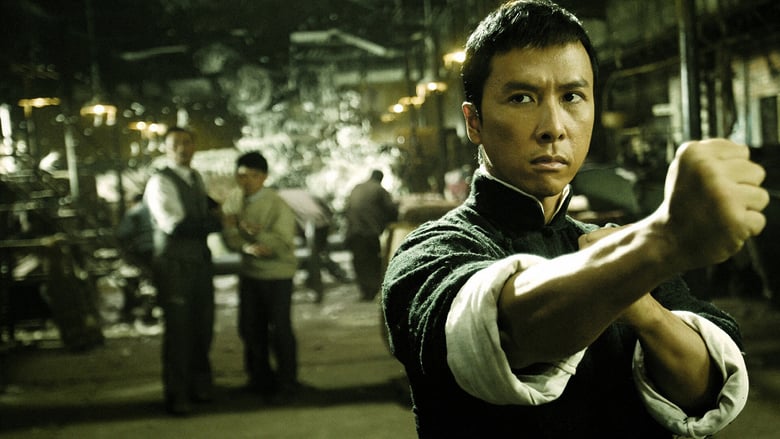
Ip Man
2008
-

In the Heart of the Sea
2015
-
13 Hours: The Secret Soldiers of Benghazi
2016
-
The Finest Hours
2016
-
1917
2019
-
Ford v Ferrari
2019
-
The Last Duel
2021
-
The Woman King
2022
-
Patriots Day
2016
-
A Taxi Driver
2017
-
12 Strong
2018
-
Т-34
2018
-
Hotel Mumbai
2019
-
The Outpost
2020
-
The Three Musketeers: D'Artagnan
2023
-
Everest
2015
-
Sully
2016
-
Dunkirk
2017