John Wick: Chapter 3 - Parabellum
"Tick tock, Mr. Wick. The world is watching."
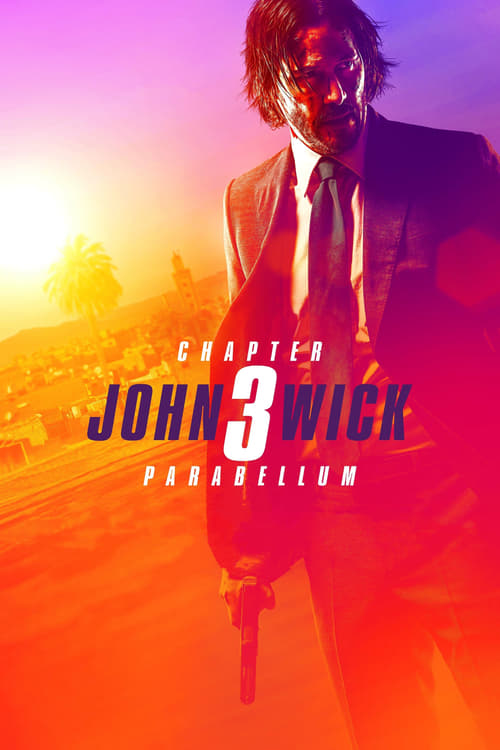
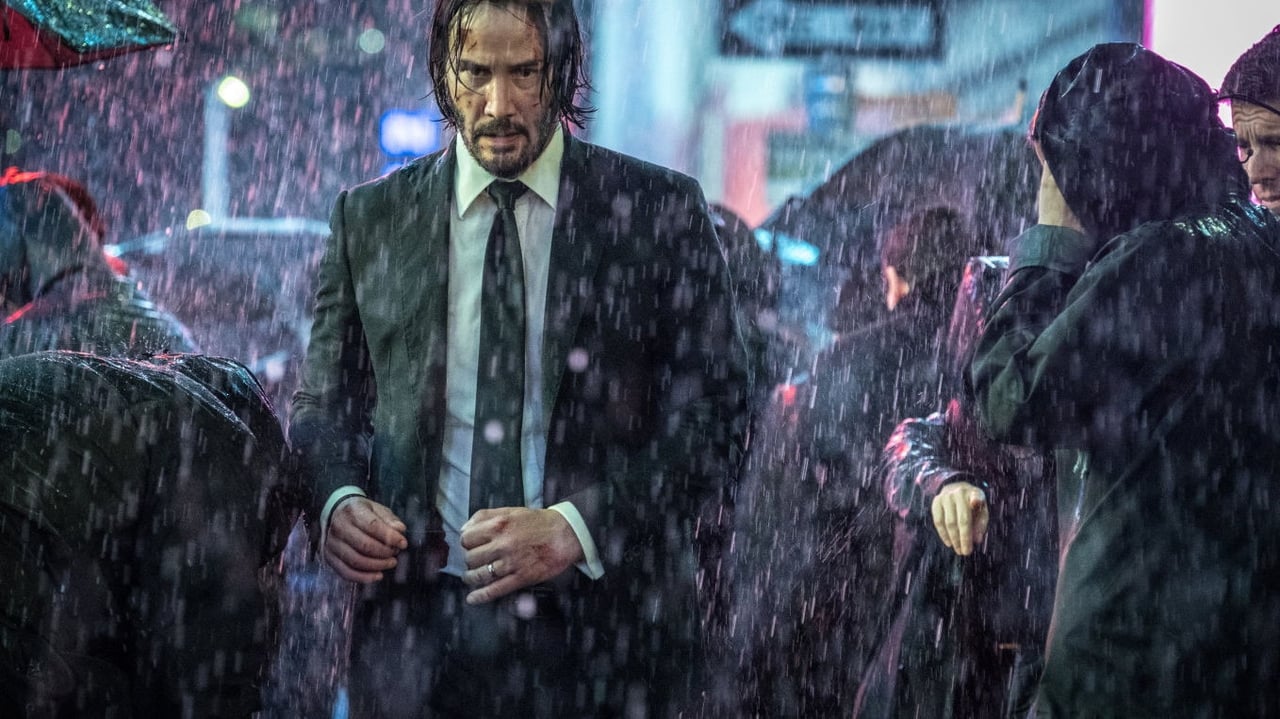
The third installment of the John Wick saga begins exactly where its predecessor left us: on the run, breathless, and with a crushing sense of inevitability. I watched this for the first time in a theater where the air conditioning was failing on a humid July night, and honestly, the oppressive heat only added to the experience. As Keanu Reeves limped through a rain-slicked Manhattan, I felt every bead of sweat and every jagged breath. It wasn't just a movie; it was an endurance test.
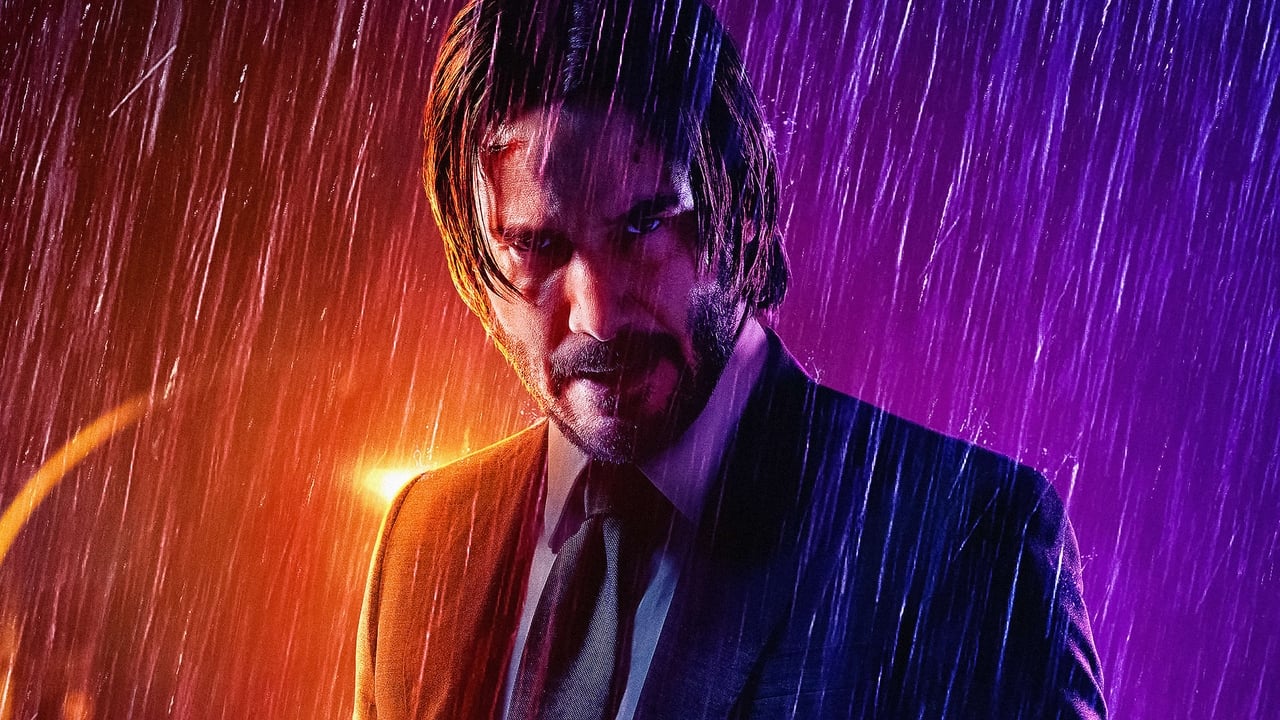
By the time John Wick: Chapter 3 – Parabellum hit screens in 2019, the franchise had transformed from a "dead dog" revenge flick into a sprawling neo-noir mythos. In our current era of "Content" with a capital C, where every intellectual property is milked until it’s a dry husk, Parabellum felt like a defiant middle finger to the status quo. It proved that you could build a massive, lore-heavy universe without sacrificing the bone-crunching reality of practical stunt work.
The Rhythmic Brutality of 87eleven
The secret sauce here isn't just the guns; it’s the choreography. Directed by Chad Stahelski, who spent years as Reeves’ stunt double in The Matrix (directed by the Wachowskis), the film treats violence like a gruesome, high-stakes stage play. There is a clarity to the action that puts the "shaky-cam" era of the mid-2000s to shame. When John enters a library and uses a book as a lethal weapon, you see every impact. You feel the weight of the paper against the skull.
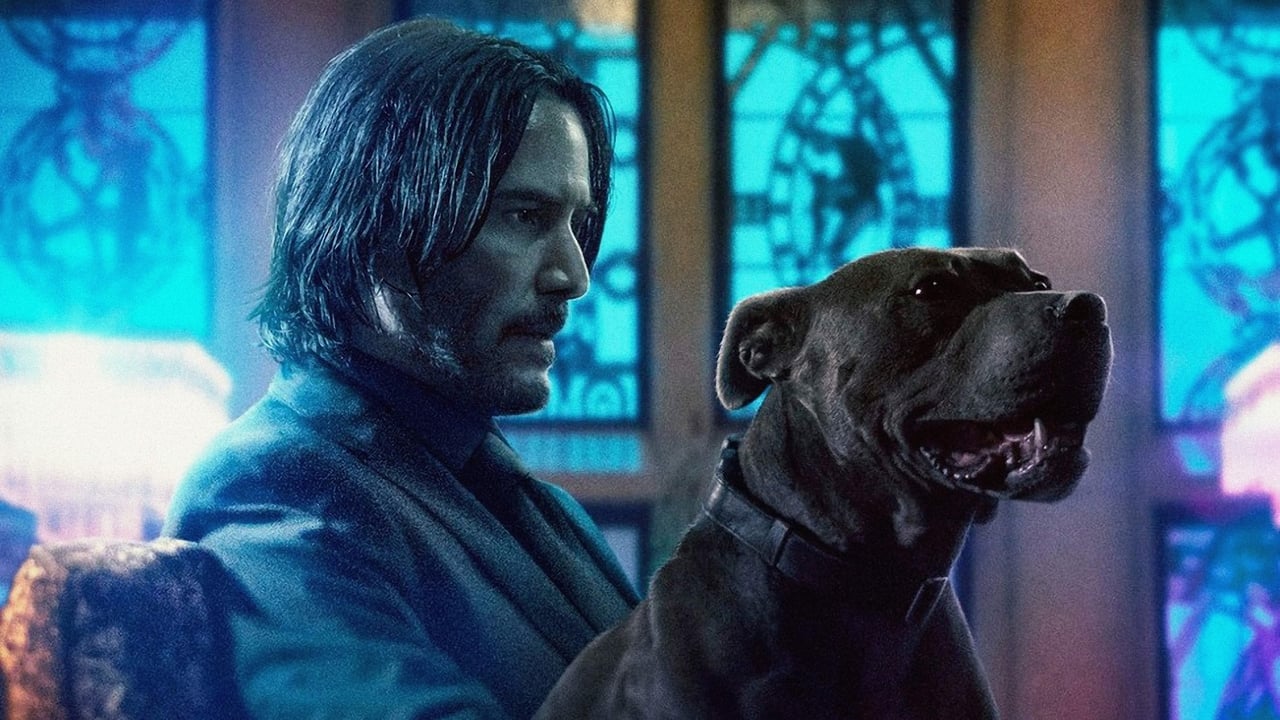
This film also expanded the visual palette of the series. Cinematographer Dan Laustsen, who brought such a haunting atmosphere to Guillermo del Toro’s The Shape of Water, uses neon blues and aggressive magentas to make New York look like a beautiful, electrified tomb. The "Glass Gallery" fight at the end is a masterpiece of spatial awareness and lighting. It’s a sequence that must have been a nightmare to film—reflections everywhere, breaking glass, and the constant fear of seeing a camera crew in a mirror—but it results in a climax that feels genuinely dangerous.
A World of Rules and Consequences
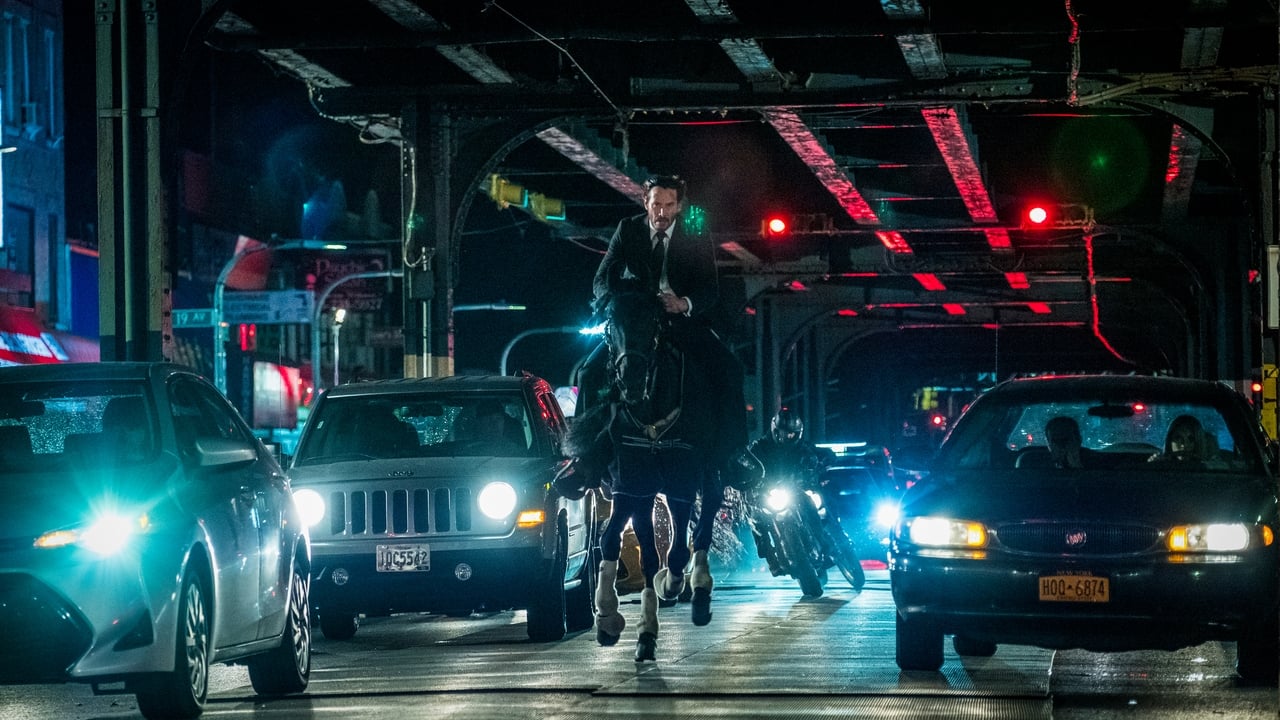
While the action is the draw, the world-building is what keeps me invested. The introduction of The Adjudicator, played with a chilling, bureaucratic coldness by Asia Kate Dillon, shifts the tone of the franchise. Suddenly, the High Table isn't just a shadowy board of directors; it’s a relentless administrative machine. The High Table functions like a deadly HOA with even worse late fees. This film explores the idea that John isn't just fighting people; he's fighting a system.
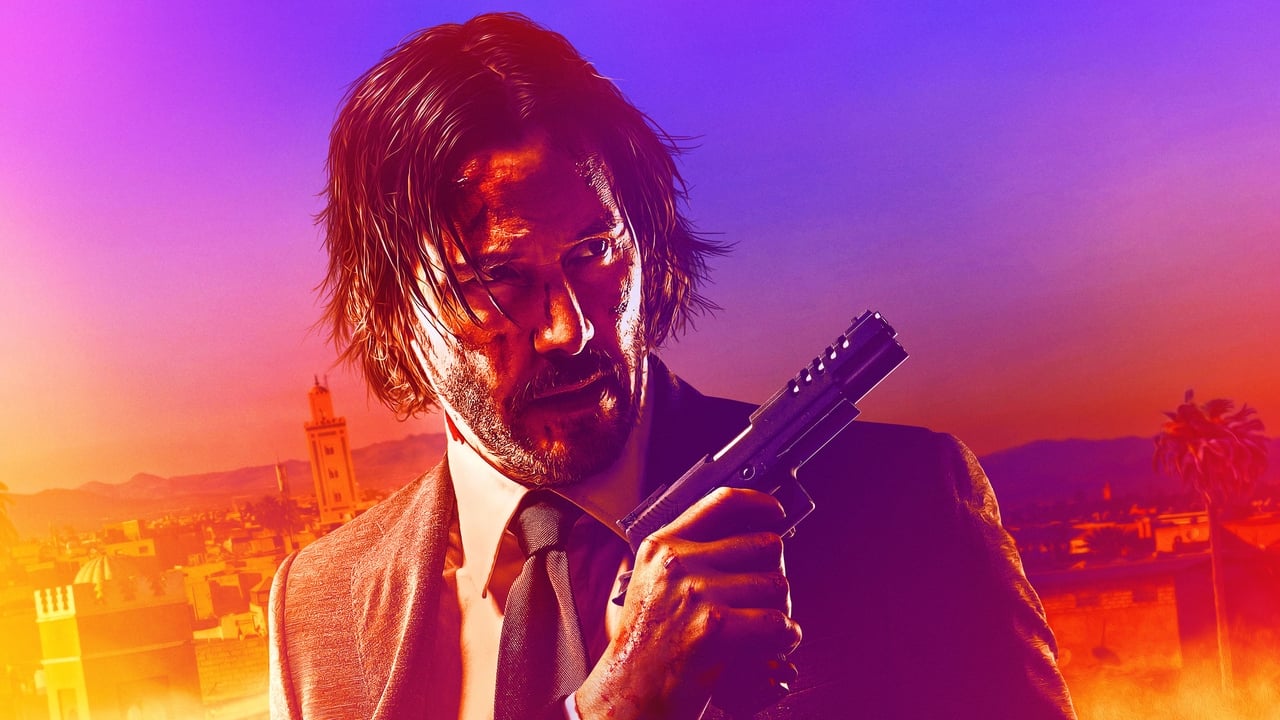
We see this systemic pressure affect everyone. Ian McShane returns as Winston, the manager of the Continental, oozing a cocktail of charm and treachery that makes you wonder if he’s John’s only friend or his ultimate architect of doom. Then there’s Laurence Fishburne as the Bowery King, who brings a Shakespearean gravity to the underworld. The addition of Halle Berry as Sofia adds a layer of weary professionalism to the mix. Her sequence in Casablanca, involving two Belgian Malinois that are basically furry missiles, is arguably the highlight of the film. It took months of training for Berry to handle those dogs, and the fact that she did her own stunts—breaking three ribs in the process—speaks to the "all-in" mentality this production demanded.
The Business of Survival
From a contemporary perspective, Parabellum is a fascinating case study in franchise growth. It cost roughly $55 million to make—a modest sum by modern blockbuster standards—and raked in over $326 million. In an age where $200 million Disney tentpoles often struggle to break even, the Wick model of "practical stunts + recognizable star + distinct aesthetic" is a blueprint for success. It’s a film that knows exactly what its audience wants: to see a man who just wants to go home fight the entire world instead.
I noticed a specific detail during my most recent rewatch: the way the bounty hunters are notified via vintage 1950s switchboards and ticker tape. In our hyper-digital world, there’s something deeply unsettling about a high-tech assassination being ordered through analog machinery. It suggests that the High Table is ancient and permanent, while our modern gadgets are just temporary toys. It’s that blend of the old world and the new that gives the film its unique, grim flavor.
John Wick: Chapter 3 – Parabellum is a rare three-quel that manages to raise the stakes without losing its soul. It’s a grim, beautiful, and relentlessly intense journey that honors the physical sacrifice of the stunt performers while expanding a mythology that feels increasingly relevant in our era of institutional overreach. I walked out of the theater feeling like I’d been through a fight myself—my popcorn was gone, my jaw was sore from clenching, and I was already looking for the next chapter. It’s not just an action movie; it’s a testament to the power of craft in a digital age.
Keep Exploring...
-
John Wick: Chapter 4
2023
-
John Wick: Chapter 2
2017
-
John Wick
2014
-

Ballerina
2025
-
Furious 7
2015
-
Bad Boys for Life
2020
-

The Beekeeper
2024
-
Extraction 2
2023
-
Fast X
2023
-
The Equalizer 3
2023
-
The Fate of the Furious
2017
-
The Equalizer 2
2018
-

Bad Boys: Ride or Die
2024
-
Batman vs. Robin
2015
-
Sicario
2015
-
Patriots Day
2016
-
Maze Runner: The Death Cure
2018
-
F9
2021
-
The Batman
2022
-
The Hitman's Bodyguard
2017