Jojo Rabbit
"An imaginary friend for a world gone mad."
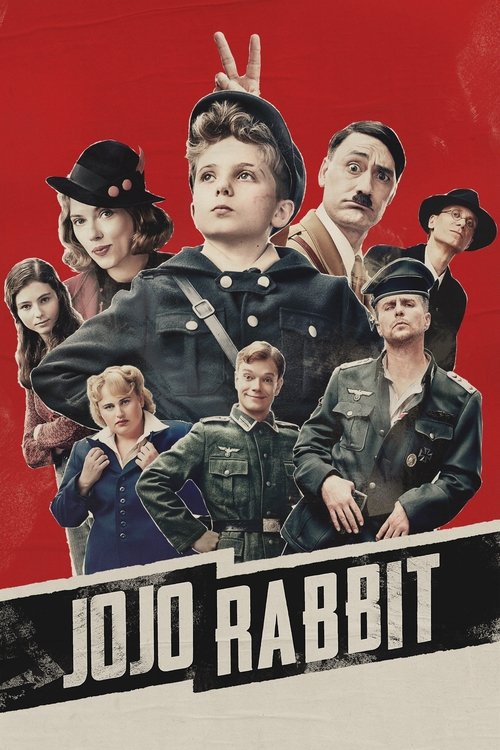
There is a specific kind of silence that hits a movie theater when a joke stops being a joke. I remember sitting in a half-empty matinee, halfway through a bag of slightly stale pretzel M&Ms—one of which I dropped and spent a full minute hunting for on the sticky floor—when the tonal floor of Jojo Rabbit suddenly fell out. One moment, we’re laughing at the absurdity of a small boy’s imaginary friend, and the next, the screen is filled with a visual that makes your stomach do a slow, cold somersault.
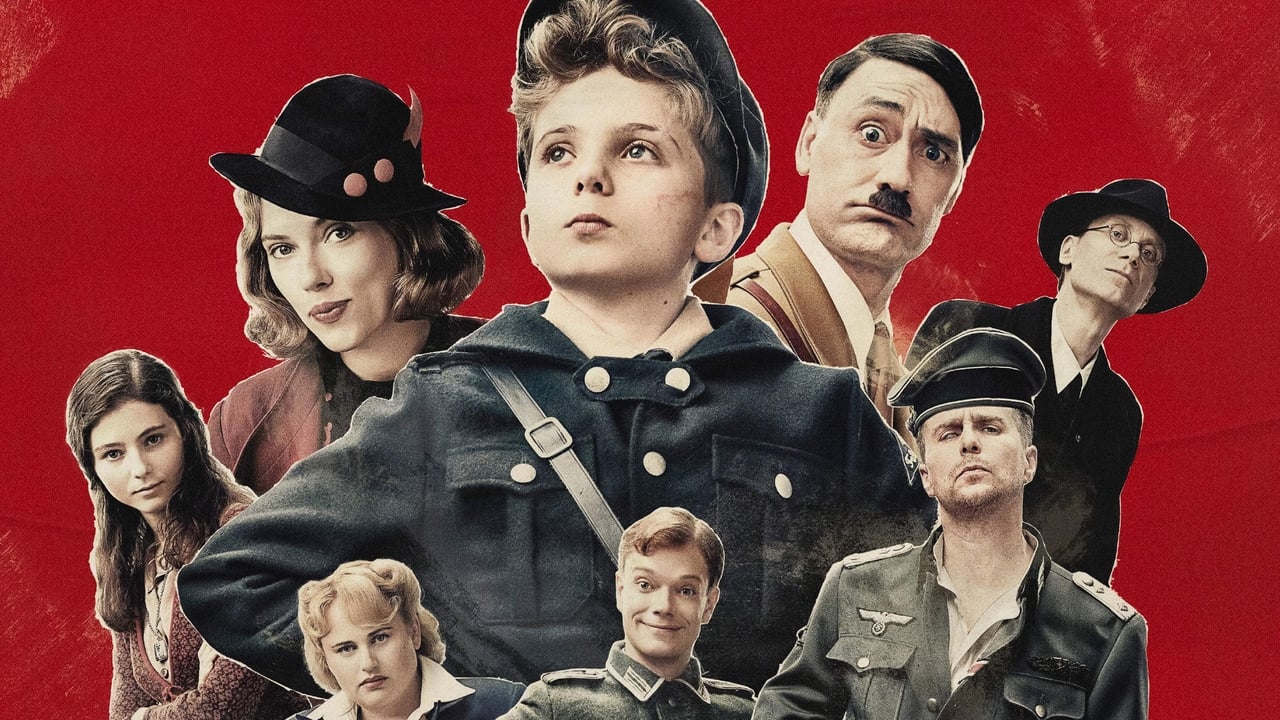
It takes a staggering amount of narrative ego to pitch a "Hitler comedy," and even more talent to actually stick the landing. Taika Waititi didn't just walk a tightrope here; he did a backflip on a dental-floss-thin wire while juggling flaming chainsaws. This isn't just a movie about World War II; it’s a film about how we use stories to poison children, and how empathy is the only antidote.
The Audacity of the Absurd
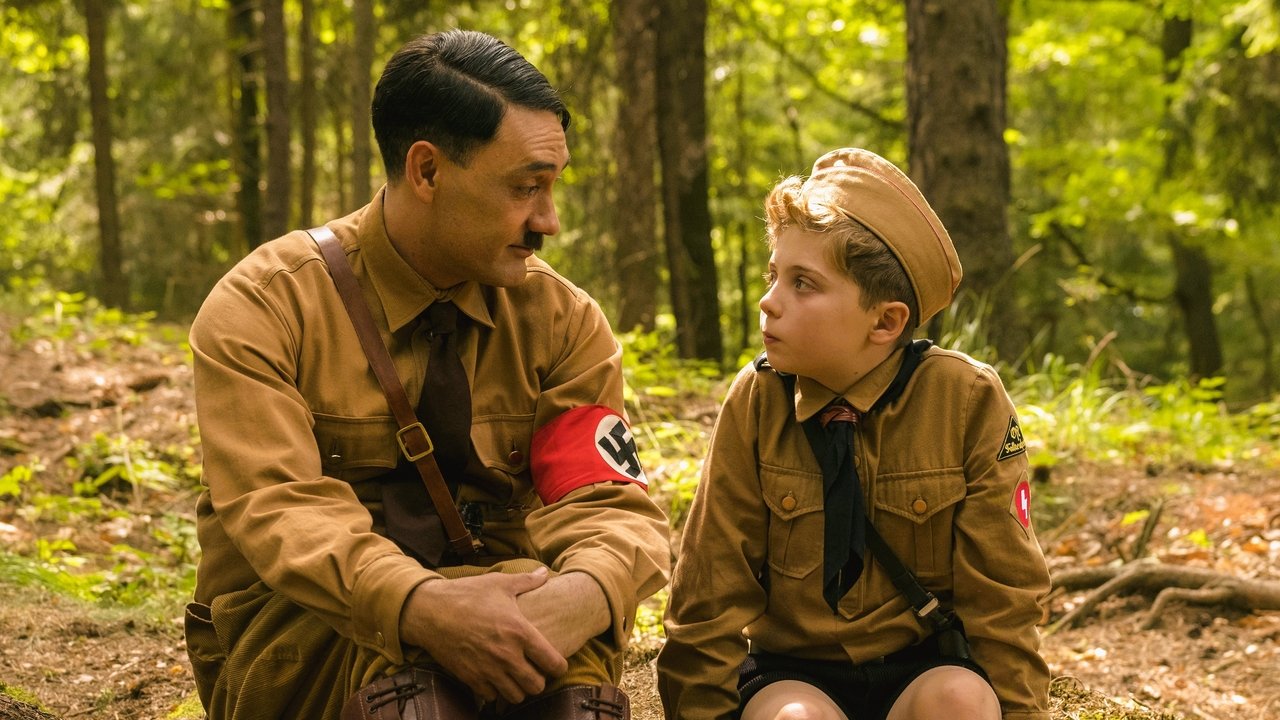
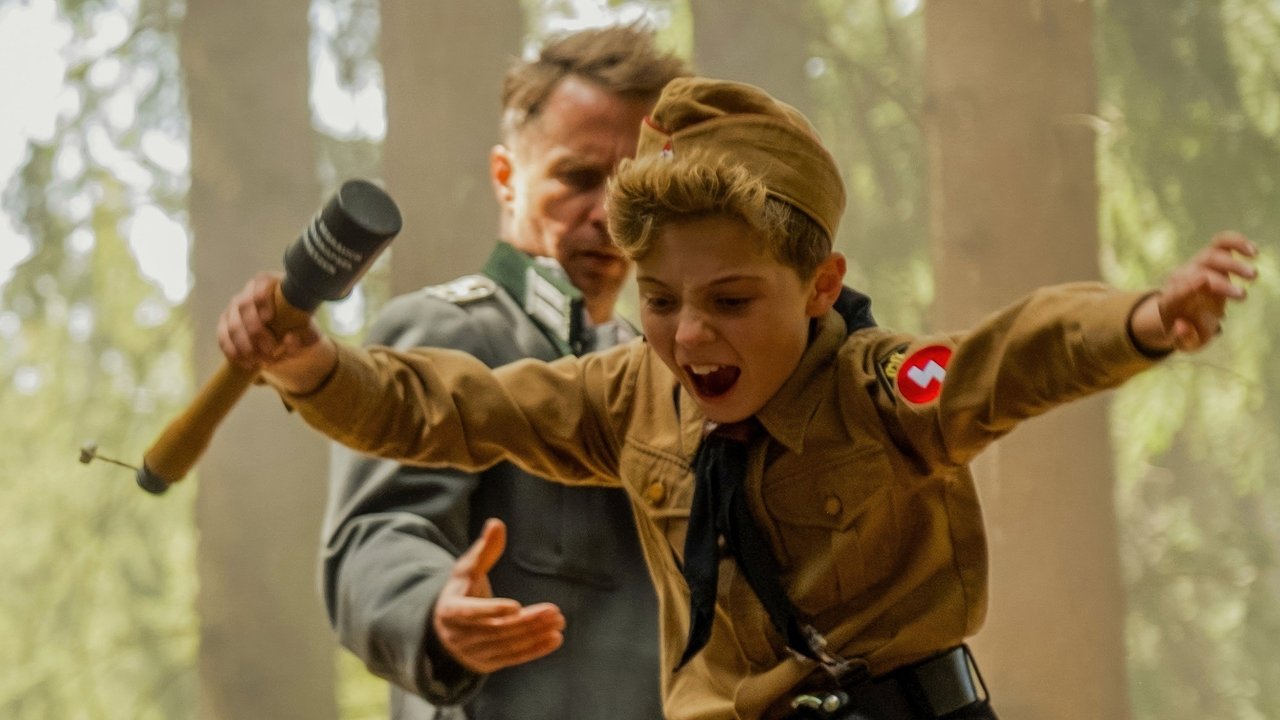
The film introduces us to Jojo, played with an incredible mixture of fragility and fanaticism by Roman Griffin Davis. He’s ten years old, desperately lonely, and has filled the void in his soul with the most toxic imaginary friend imaginable: a buffoonish, manic version of Adolf Hitler (Taika Waititi).
Waititi’s performance is the definition of a coked-up preschooler with a genocidal mood board. He isn't playing the historical monster; he’s playing a ten-year-old’s idea of a hero, fueled by propaganda and a desperate need for a father figure. It’s hilarious until it’s terrifying, and that’s the point. Every time Jojo’s "Adolf" pops on screen to offer a pep talk or a cigarette, it’s a reminder of how easily the most horrific ideologies can be packaged as fun, exclusionary clubs for the youth.
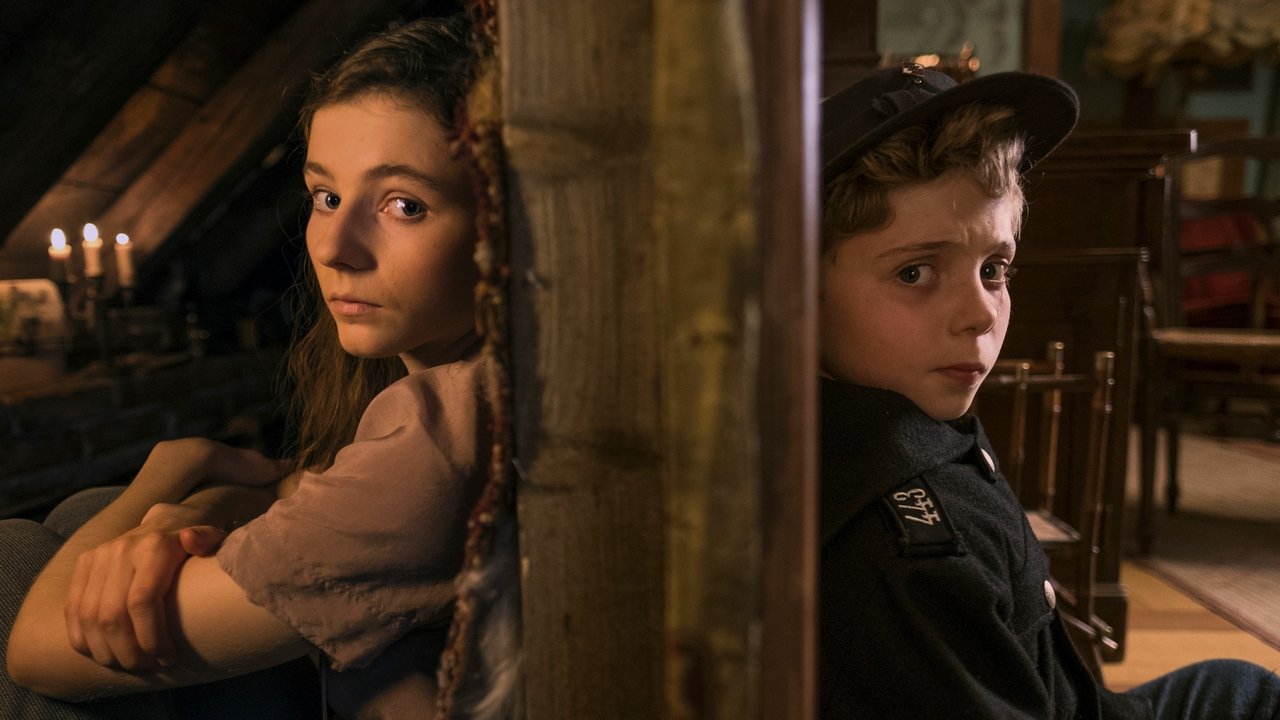
But the bubble bursts when Jojo discovers Elsa (Thomasin McKenzie), a Jewish girl his mother is hiding behind the walls. Thomasin McKenzie brings a haunting, sharp-edged maturity to the role. She isn't a victim waiting to be saved; she’s a girl who has had her childhood stolen and is rightfully pissed off about it. Her interactions with Jojo are the heartbeat of the film, shifting from a horror-movie introduction to a tentative, beautiful friendship that systematically dismantles Jojo’s radicalization.
The Heart Under the Uniform
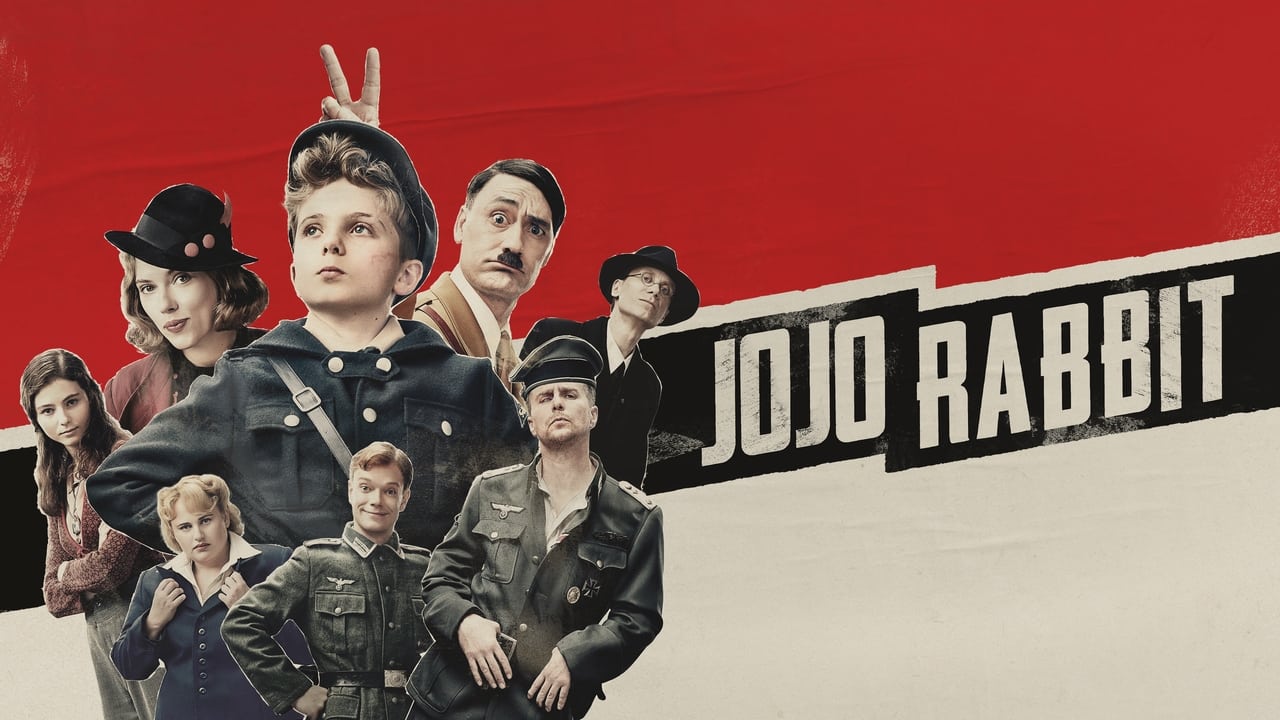
While the kids are the focus, Scarlett Johansson delivers what I believe is the finest performance of her career as Rosie, Jojo’s mother. In a world of grey and brown, she is a burst of vibrant red and blue. She’s the moral North Star of the movie, trying to keep her son’s humanity alive while the world demands he become a monster. Her scene at the dinner table—where she plays both herself and Jojo’s absent father—is a masterwork of grief and resilience.
Then there’s the supporting cast, who provide the "satire" part of the anti-hate satire. Sam Rockwell plays Captain Klenzendorf, a disillusioned, one-eyed Nazi officer who has clearly realized the party is over but is stuck on the sinking ship. Rebel Wilson and Stephen Merchant round out the cast, with Stephen Merchant’s Gestapo scene acting as a piece of anxiety-inducing performance art that manages to be both funny and genuinely blood-curdling.
The craft behind the scenes deserves its flowers too. Mihai Malaimare Jr. uses a saturated, almost Wes Anderson-esque color palette that reflects Jojo’s initial idealistic view of the war. As the reality of the conflict closes in, the colors drain away. The score by Michael Giacchino matches this perfectly, transitioning from jaunty, marching rhythms to something deeply elegiac.
When the Satire Stops Being Funny
Jojo Rabbit was a heavy hitter during the 2019 awards season, eventually netting Taika Waititi an Oscar for Best Adapted Screenplay. It was a polarizing win for some, but I think it’s a vital piece of contemporary cinema. In an era where discourse is often reduced to black-and-white shouting matches on social media, this film looks at the messy, painful process of unlearning hate.
There is one specific motif—shoes—that haunts the entire movie. If you’ve seen it, you know exactly which shot I’m talking about. It’s a moment that earns its tragedy because the film spent the previous hour making us feel safe. It’s a brutal reminder that while Jojo’s world feels like a playground, the stakes are life and death.
Waititi, who is himself of Polynesian and Jewish descent, taking on the role of Hitler was a massive middle finger to the ideology he was satirizing. The film doesn't ask us to forgive the unforgivable; it asks us to look at how a child’s innocence is weaponized and how, even in the darkest corners of history, there is a choice to dance.
The final moments of the film, set to a German version of David Bowie’s "Heroes," left me sitting in the theater long after the lights came up. I was still thinking about that dropped M&M, and how such a small, trivial thing can feel important in one moment, only to be completely eclipsed by a shift in perspective. Jojo Rabbit is a rare feat—a movie that makes you laugh at the ridiculousness of hate while making you weep for the cost of it. It’s a bold, messy, and deeply moving experience that refuses to offer easy comfort, choosing instead to find hope in a single, defiant dance step.
Keep Exploring...
-
Hunt for the Wilderpeople
2016
-
Hacksaw Ridge
2016
-
1917
2019
-
Parasite
2019
-
Beasts of No Nation
2015
-

The Zookeeper's Wife
2017
-
Three Billboards Outside Ebbing, Missouri
2017
-
The Zone of Interest
2023
-

What We Do in the Shadows
2014
-
La La Land
2016
-
Gifted
2017
-
Green Book
2018
-
Love, Simon
2018
-
The King
2019
-
Eye in the Sky
2015
-

Land of Mine
2015
-
Suite Française
2015
-
13 Hours: The Secret Soldiers of Benghazi
2016
-
The Siege of Jadotville
2016
-
A Bag of Marbles
2017