Judy
"The applause ends, but the ghost remains."
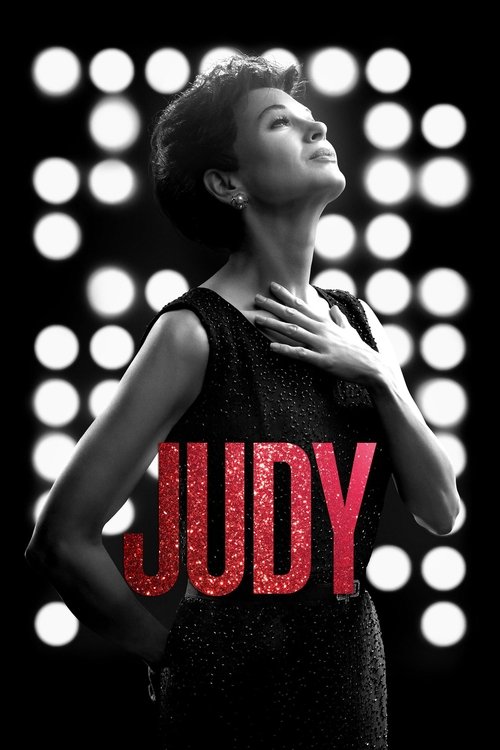
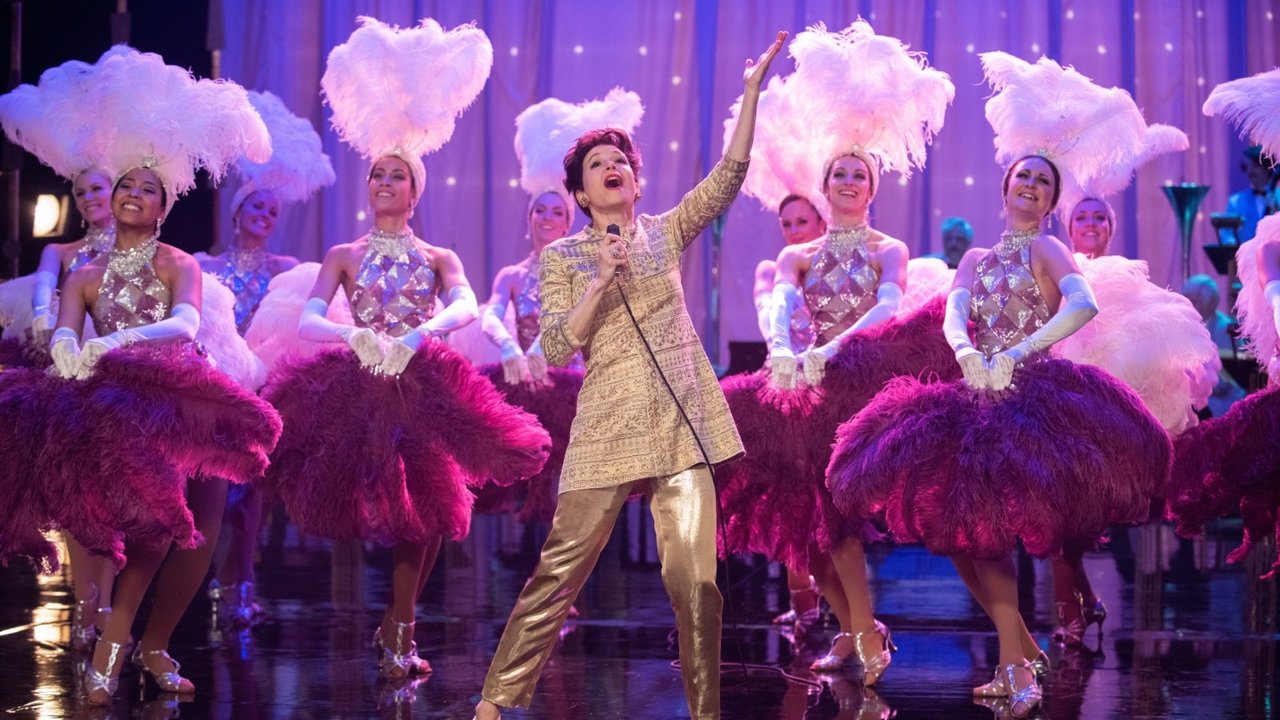
Walking onto a stage in 1968 London, Judy Garland looked less like a Hollywood legend and more like a woman who had been put through a professional-grade paper shredder. By the time Renée Zellweger takes the microphone in Judy, we aren’t looking at the girl who followed the Yellow Brick Road; we’re looking at the wreckage left behind after the studio system finished its harvest. Released in 2019, right in the thick of our modern obsession with "prestige biopics," Judy manages to sidestep the usual shiny, Wikipedia-entry feel of the genre by focusing on the exhausting, brittle reality of a fading icon who just wants to go home.
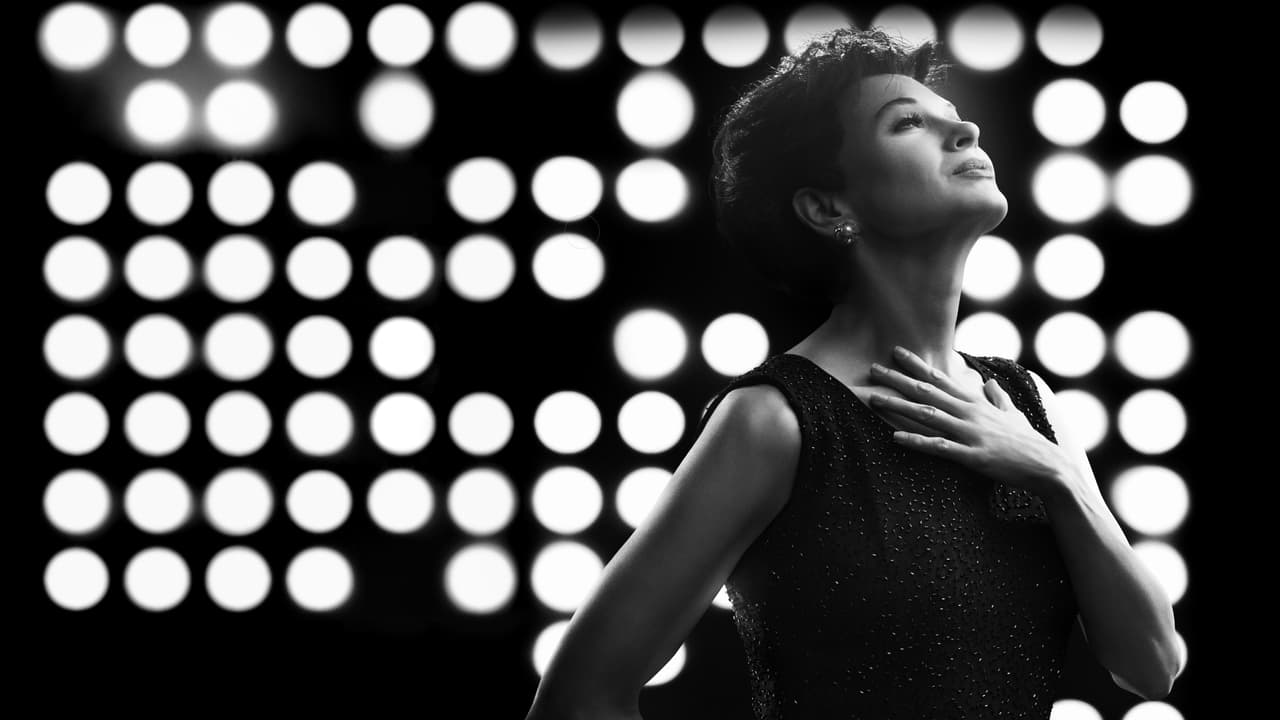
I watched this on my laptop while my neighbor was power-washing his driveway, and the constant, aggressive drone of the water actually blended quite well with the high-wire tension of the backstage scenes. It felt appropriate. Garland’s life, at this point, was nothing but noise and pressure.
The MGM Ghost
The film, directed by Rupert Goold (who handled True Story), works on two timelines. We see the "Talk of the Town" residency in London, where a cash-strapped Judy is trying to earn enough to keep her kids, and we see flashbacks to her teenage years under the thumb of Louis B. Mayer (Richard Cordery). These flashbacks are where the horror lies. The flashbacks look like they were filmed in a department store window, all saturated colors and artifice, which highlights the clinical cruelty of the era.
Watching a young Judy being fed "pep pills" to stay awake and "sleep pills" to go down—while being told she’s replaceable—is the context we need to understand why the 1968 version of the woman is a frayed wire. In our current era of #MeToo and increased awareness of child star exploitation, these scenes hit with a specific, sickening thud. We’ve seen this story play out too many times in the headlines, but seeing the "Golden Age" through this lens feels like pulling back a velvet curtain to find rot underneath.
A Performance That Actually Earns the Gold
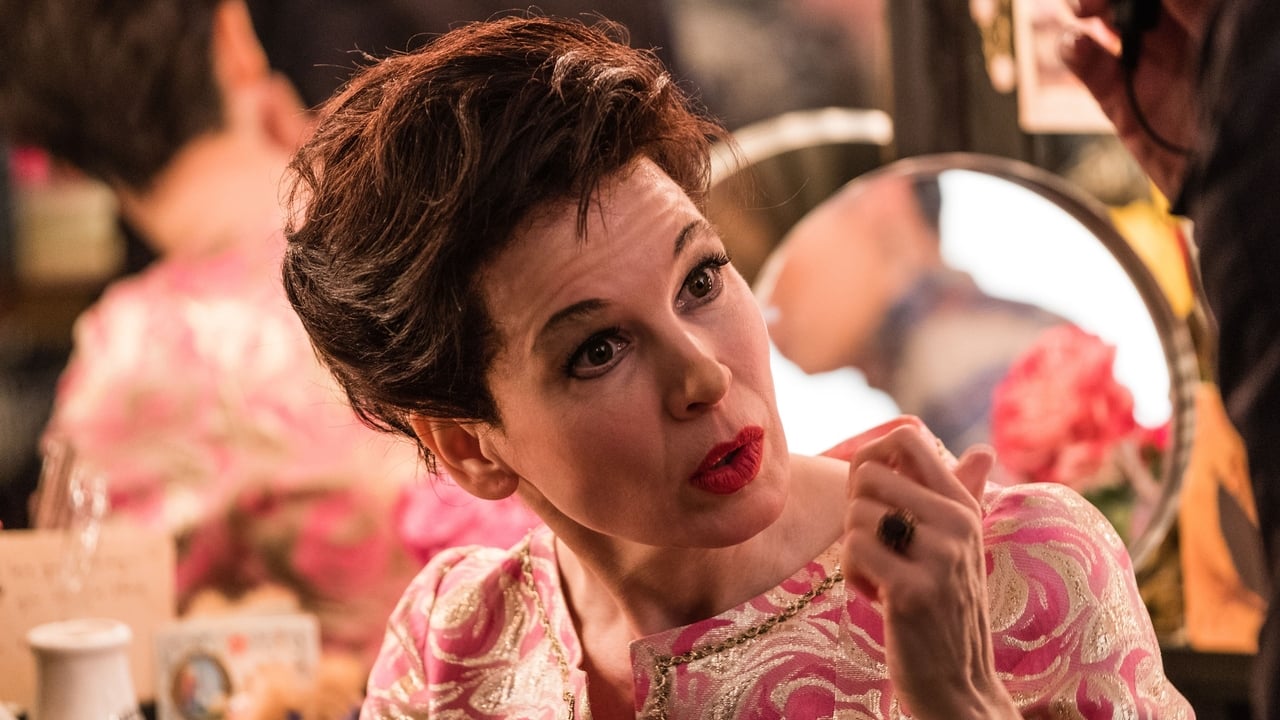
Let’s be honest: Biopics usually feel like Wikipedia pages with higher budgets. We’ve become cynical about "transformative" performances because they often feel like high-end karaoke. But Renée Zellweger does something different here. She doesn't just do the twitchy, bird-like gestures or the famous vibrato; she captures the specific desperation of a person who is only truly comfortable when thousands of people are staring at her, yet she’s simultaneously terrified of them.
Her chemistry with the supporting cast is what keeps the movie grounded. Jessie Buckley (who was brilliant in Wild Rose) plays Rosalyn Wilder, the production assistant tasked with keeping Judy upright and sober. Their relationship is the heart of the film—a mix of pity, professional duty, and genuine awe. Then there’s Mickey Deans, played with a slippery, opportunistic charm by Finn Wittrock. You want to believe he loves her, but he feels like another symptom of her lifelong habit of picking the wrong exits.
Rupert Goold makes the smart choice to let the musical numbers breathe. When Zellweger sings "By Myself" or the inevitable "Over the Rainbow," the camera stays close. It’s not about the spectacle; it’s about the visible effort it takes for her to pull those notes out of a body that’s clearly failing her. It’s a physical performance that makes you feel tired just watching it.
The Cost of Contemporary Nostalgia
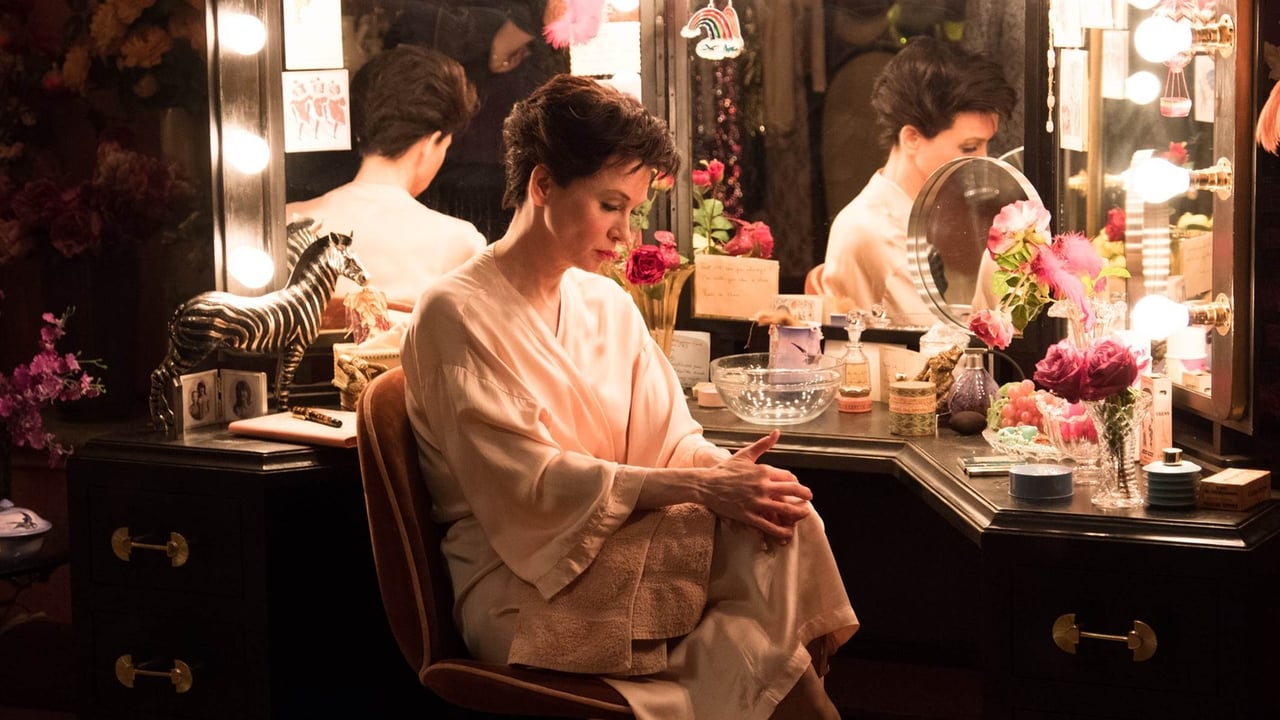
Judy arrived at a time when we were drowning in musical biopics like Bohemian Rhapsody and Rocketman. While those films leaned into the stadium-sized myth-making, Judy is a claustrophobic character study. It’s interested in the logistics of being a legend: the unpaid hotel bills, the custody battles with Sid Luft (Rufus Sewell), and the crushing loneliness of a dressing room.
There is a scene where Judy goes home with two fans—a gay couple who have waited for her at the stage door—and they make her an omelet. It’s a quiet, slightly surreal moment that reminds us why Garland became such a massive icon for the LGBTQ+ community. She was a woman who was perpetually "homeless" in an emotional sense, and that resonance still feels incredibly potent for contemporary audiences. It’s a moment of humanity in a film that is otherwise about the industry’s ability to dehumanize its greatest assets.
The screenplay by Tom Edge (who worked on The Crown) leans into the tragedy without making it feel like "misery porn." There's still a wit to Judy, a sharp-tongued defense mechanism that keeps her from being a total victim. She knows exactly what’s happening to her; she just doesn't have the tools to stop it.
The film is a stark reminder that the "good old days" of cinema were often built on a foundation of broken people. It’s a difficult watch if you’re looking for a light musical romp, but as a study of a woman trying to reclaim her soul in the eleventh hour, it’s deeply moving. Renée Zellweger isn't just playing a part; she's performing a rescue operation on Garland's legacy. By the time the credits roll, you don't just feel like you've seen a movie—you feel like you've sat through a very beautiful, very tragic wake. It’s a haunting piece of contemporary cinema that treats its subject with the complicated, messy respect she deserved.

Keep Exploring...
-
True Story
2015
-
Bob Marley: One Love
2024
-
All Eyez on Me
2017
-
Victoria & Abdul
2017
-
Suffragette
2015
-

Elvis
2022
-
Colonia
2015
-
The 33
2015
-

Race
2016
-
Risen
2016
-
Battle of the Sexes
2017
-
Borg vs McEnroe
2017
-

Detroit
2017
-
Goodbye Christopher Robin
2017
-
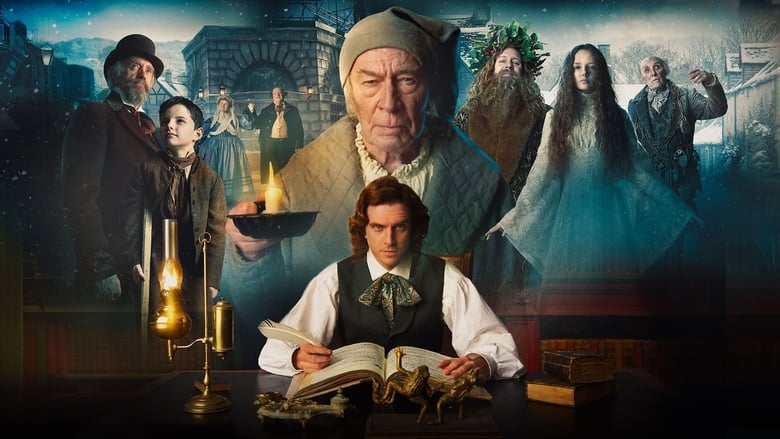
The Man Who Invented Christmas
2017
-
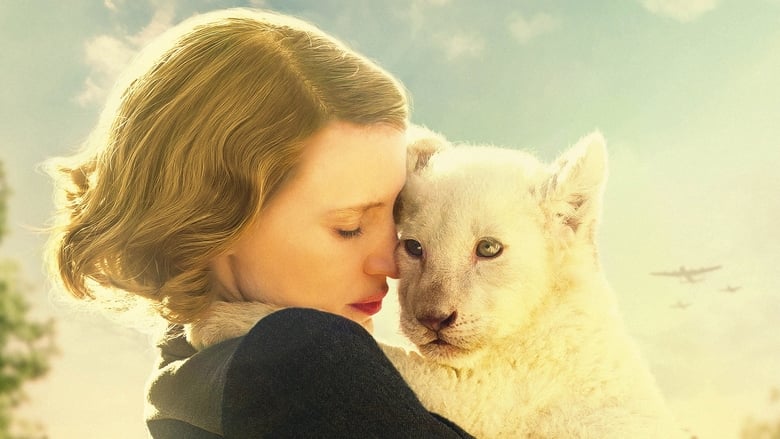
The Zookeeper's Wife
2017
-
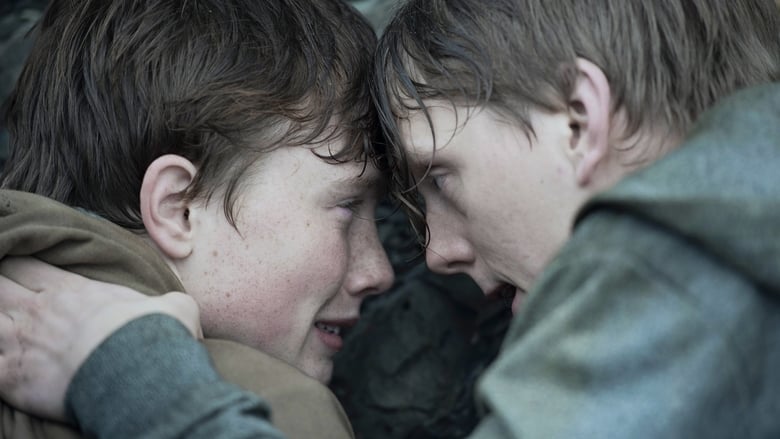
22 July
2018
-

Т-34
2018
-
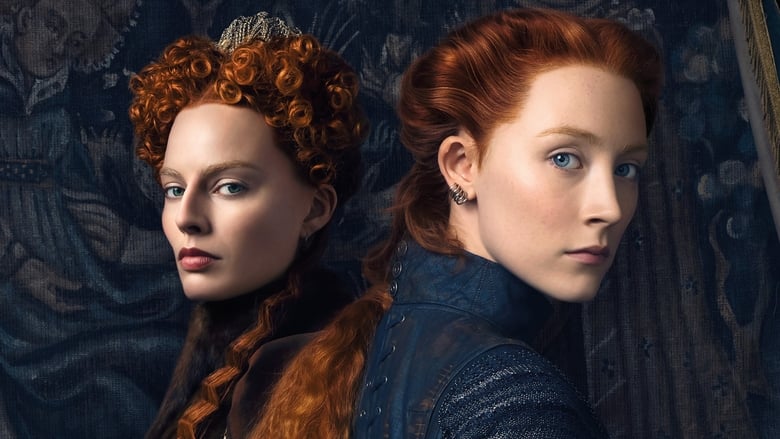
Mary Queen of Scots
2018
-

On the Basis of Sex
2018