Klaus
"Tradition starts with a little bit of trouble."
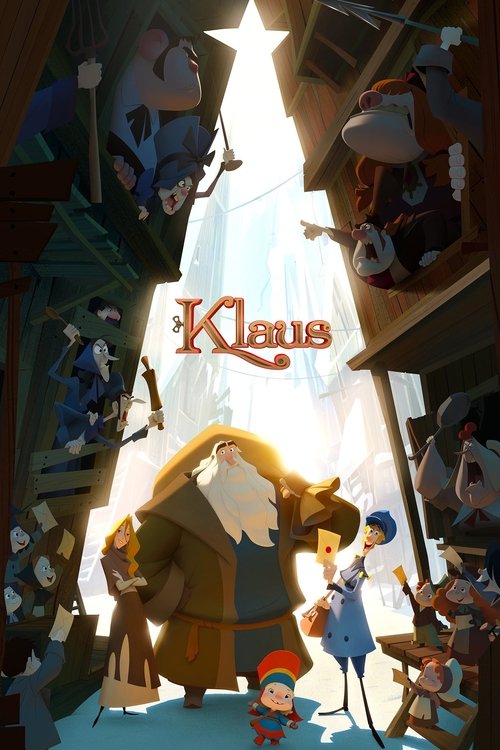
There is a specific kind of visual fatigue that sets in after a decade of seeing every animated character look like they were sculpted from the same high-gloss, semi-transparent plastic. Since the mid-2000s, the "Pixar look" became the industry standard, and while I love a good rendering of individual hairs as much as the next person, everything started to feel a bit... uniform. Then along came Sergio Pablos—the guy who actually came up with the original story for Despicable Me—with a Spanish production team and a wild idea to make 2D animation look like a moving oil painting.
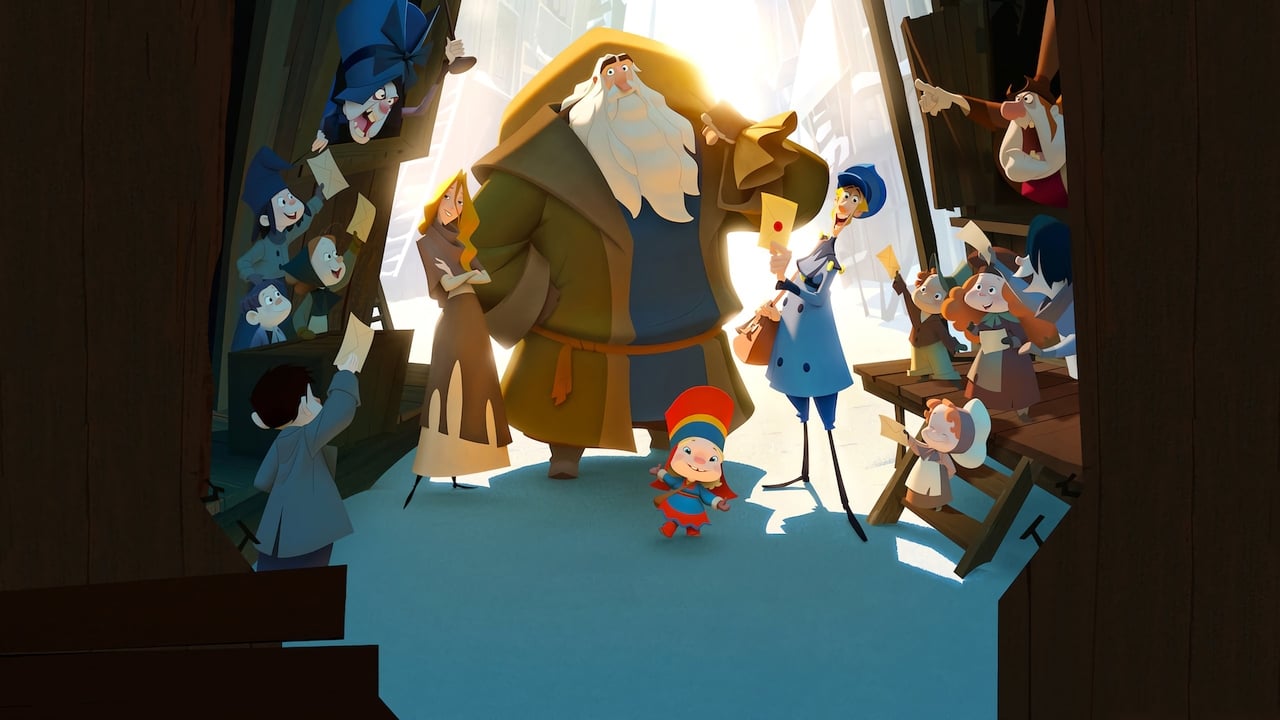
I watched Klaus for the first time on a laptop while my apartment’s radiator hissed like a dying steam engine, which honestly added a 4D layer of "unheated arctic cabin" realism to the whole experience. Within ten minutes, I wasn't thinking about my cold toes; I was staring at the screen trying to figure out how a hand-drawn character could have such complex, volumetric lighting without looking like a flat sticker slapped onto a 3D background.
A New Coat of Paint on an Old Legend
The story kicks off with Jesper, voiced with a perfect "entitled failson" energy by Jason Schwartzman (The Grand Budapest Hotel). Jesper is the lazy, pampered heir to a post office empire who is sent to the frozen, miserable island of Smeerensburg as an ultimatum: deliver 6,000 letters in a year or lose his inheritance. Smeerensburg is a delight of character design—it’s a jagged, grey nightmare where two families, the Krums and the Ellingboes, have been feuding for so long they’ve forgotten why. The Smeerensburg feud makes modern political Twitter look like a polite tea party. It is a town defined by spite, where the schoolhouse has been turned into a fish cannery because nobody wants their kids learning with the "wrong" neighbors.
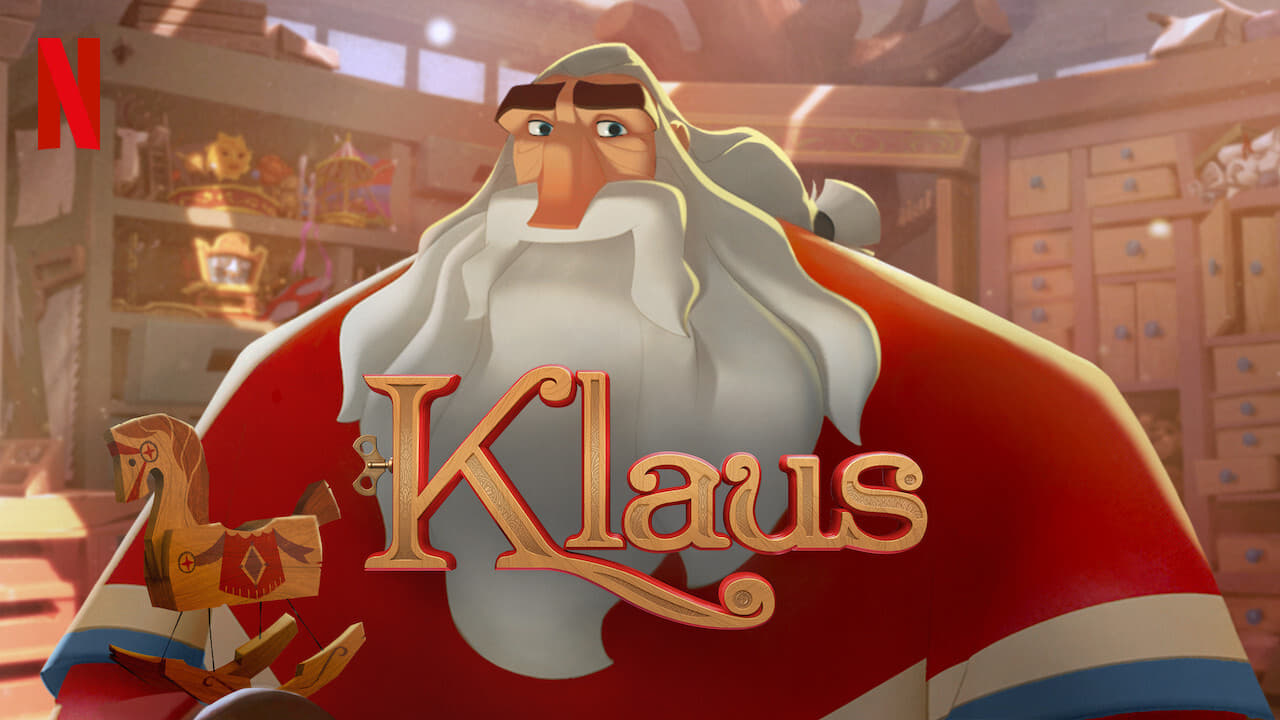
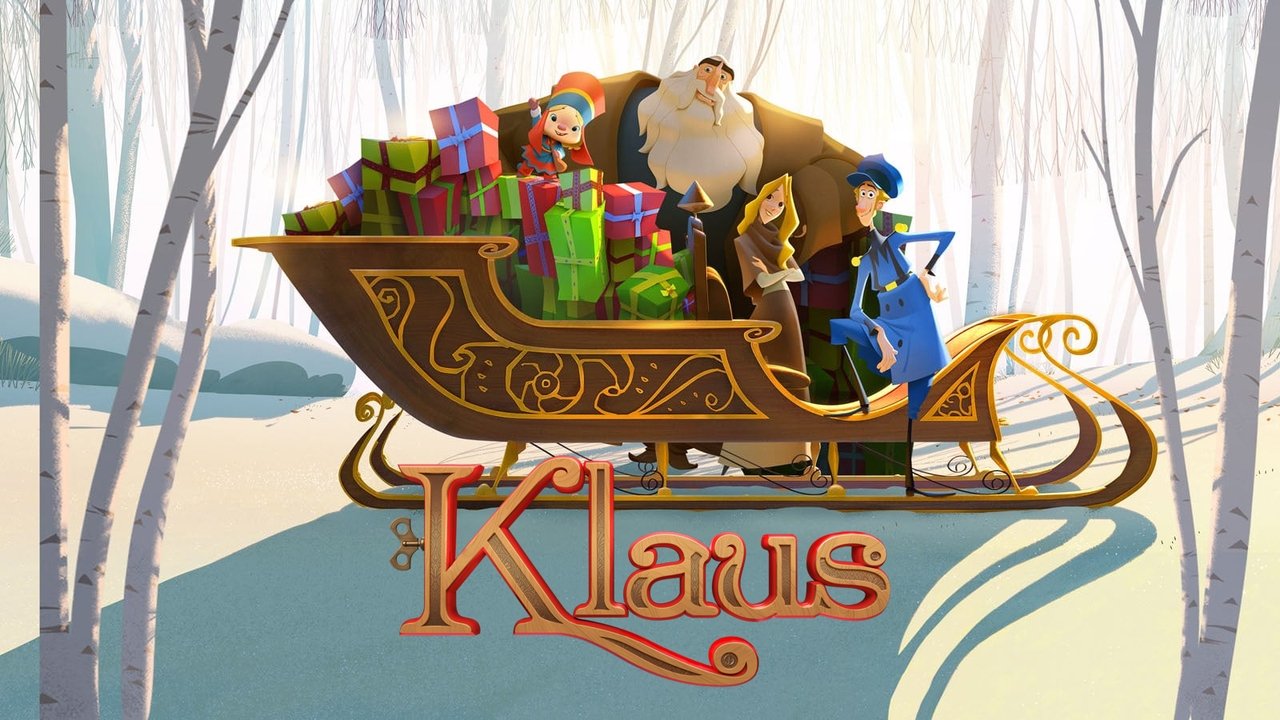
Jesper’s journey to the outskirts of the island leads him to Klaus, played by J.K. Simmons (Whiplash). Simmons gives Klaus a low-rumbling gravity that avoids the usual "jolly old elf" cliches. He’s a reclusive woodsman with a shed full of birdhouses and toys, and a sadness that hangs over him like the local permafrost. The way these two form an alliance is purely transactional at first—Jesper just wants his numbers up so he can go back to silk sheets—but the "adventure" here is watching how a selfish lie accidentally creates a selfless movement.
The Art of the Grumpy Duo
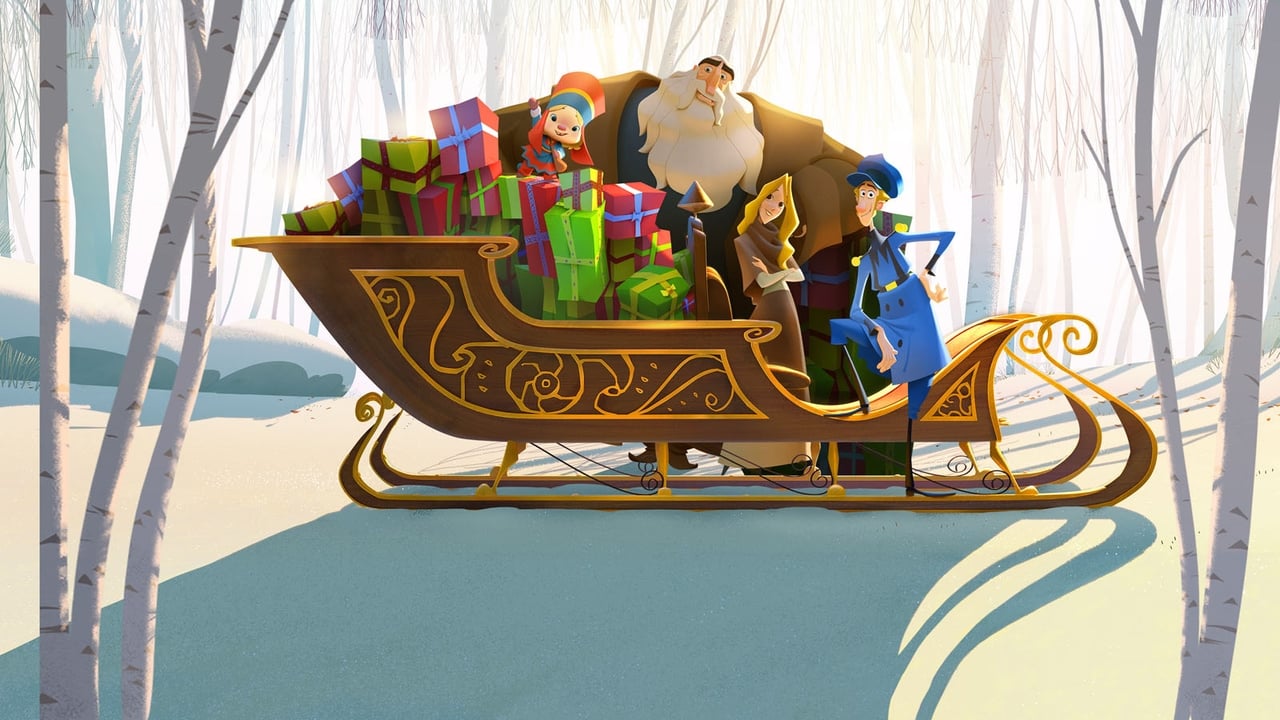
What I love about this era of contemporary cinema is when creators use streaming platforms like Netflix to bypass the "committee-thinking" of major theatrical studios. Sergio Pablos and his team at The SPA Studios in Madrid basically had to invent new software to achieve this look. They used a system that allowed artists to track light and shadow across hand-drawn frames, giving the characters a sense of weight and 3D form that hand-drawn animation usually lacks. It feels like a massive technological "what if?"—specifically, what if the industry hadn't abandoned 2D for 3D in the early 2000s?
The comedy keeps the sugar levels in check. The late, great Norm Macdonald voices Mogens, a sardonic ferryman who exists solely to roast Jesper at every opportunity. His dry, almost bored delivery is the perfect counterpoint to Jesper’s frantic desperation. There’s also Rashida Jones (Parks and Recreation) as Alva, the disillusioned teacher-turned-fishmonger who finds her purpose again. The chemistry between the ensemble feels lived-in, likely because the script (co-written by Jim Mahoney) prioritizes sharp dialogue over slapstick.
A Cult Classic for the Streaming Age
While Klaus didn't have a massive theatrical run, it’s a prime example of a "digital cult classic." It’s one of those films that people discovered through word-of-mouth on social media, quickly becoming a staple of the "what should I watch tonight?" discourse every December. It’s also notable for its representation of the Sami people. The filmmakers actually traveled to Norway and worked with Sami consultants to ensure the indigenous culture was depicted with respect and accuracy, rather than just as background dressing. That level of detail is why the film feels so much more textured than your average "save Christmas" flick.
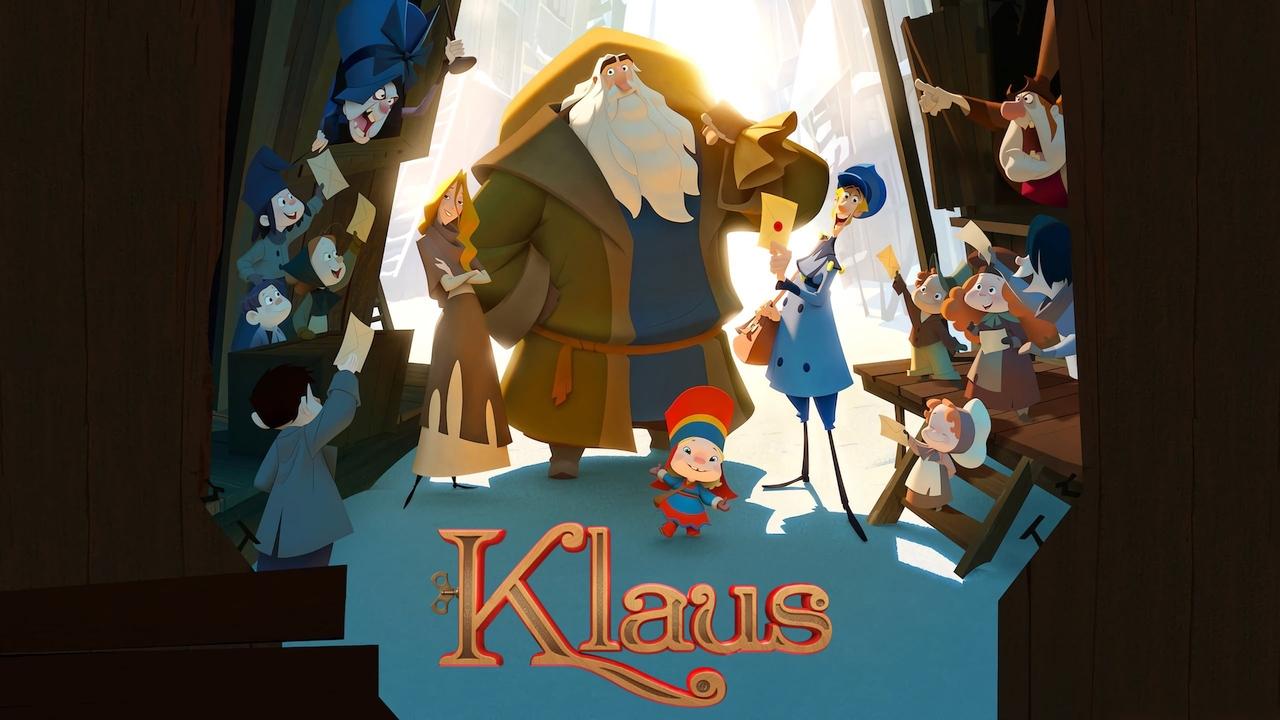
Apparently, the production was a bit of a gamble. Most major studios turned it down because they thought 2D animation was a "dead" medium for family blockbusters. Netflix picked it up, and it went on to nab an Oscar nomination, proving that audiences don't care about the tech as much as they care about the soul of the image. Jesper is basically a 19th-century influencer whose brand is built on accidental kindness, and watching his slow-burn transformation is genuinely moving.
It is incredibly rare to find a movie that feels like it has been part of your childhood since the 80s, even though it only dropped on a server a few years ago. Klaus succeeds because it doesn't try to be "hip" or "edgy" in a way that will date it in five years. It relies on brilliant art direction, a cynical-to-sweet character arc, and the best use of J.K. Simmons’s voice since he was screaming for pictures of Spider-Man. If you haven't seen it yet, grab a blanket, ignore the clanking of your radiator, and let Smeerensburg melt your heart just a little bit.
Keep Exploring...
-
Onward
2020
-
Trolls World Tour
2020
-
Luca
2021
-
Frozen II
2019
-
Red Shoes and the Seven Dwarfs
2019
-
Spies in Disguise
2019
-
The Croods: A New Age
2020
-

Minions: The Rise of Gru
2022
-
Puss in Boots: The Last Wish
2022
-
Nimona
2023
-
The Super Mario Bros. Movie
2023
-

Trolls
2016
-
Christopher Robin
2018
-
Abominable
2019
-

Encanto
2021
-

Jungle Cruise
2021
-
Turning Red
2022
-
Elemental
2023
-
The Book of Life
2014
-
Zootopia
2016