La Belle Époque
"The past is a set, and love is the script."
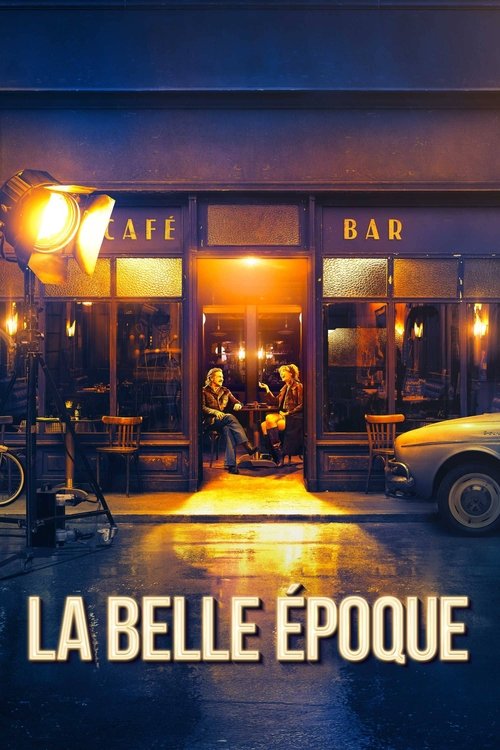
I’ve always been a bit of a sucker for the "grumpy old man" archetype—the guy who looks at a smartphone like it’s a sentient piece of alien tech designed specifically to ruin his afternoon. In La Belle Époque, Daniel Auteuil plays Victor, a man who hasn't just lost the plot; he’s actively trying to burn the book. His wife, Marianne (Fanny Ardant), is his polar opposite: a tech-obsessed therapist who sleeps with a VR headset on. Their marriage isn't just "on the rocks"; it’s a shipwreck at the bottom of the Mariana Trench.

I watched this on a Tuesday night while my radiator was doing a rhythmic, metallic clanking that oddly synced up with the sound of the stagehands building Victor's 1974 bistro, and that bit of mechanical percussion actually made the whole "behind-the-scenes" vibe of the film feel weirdly immersive.
The Most Expensive Cosplay Ever
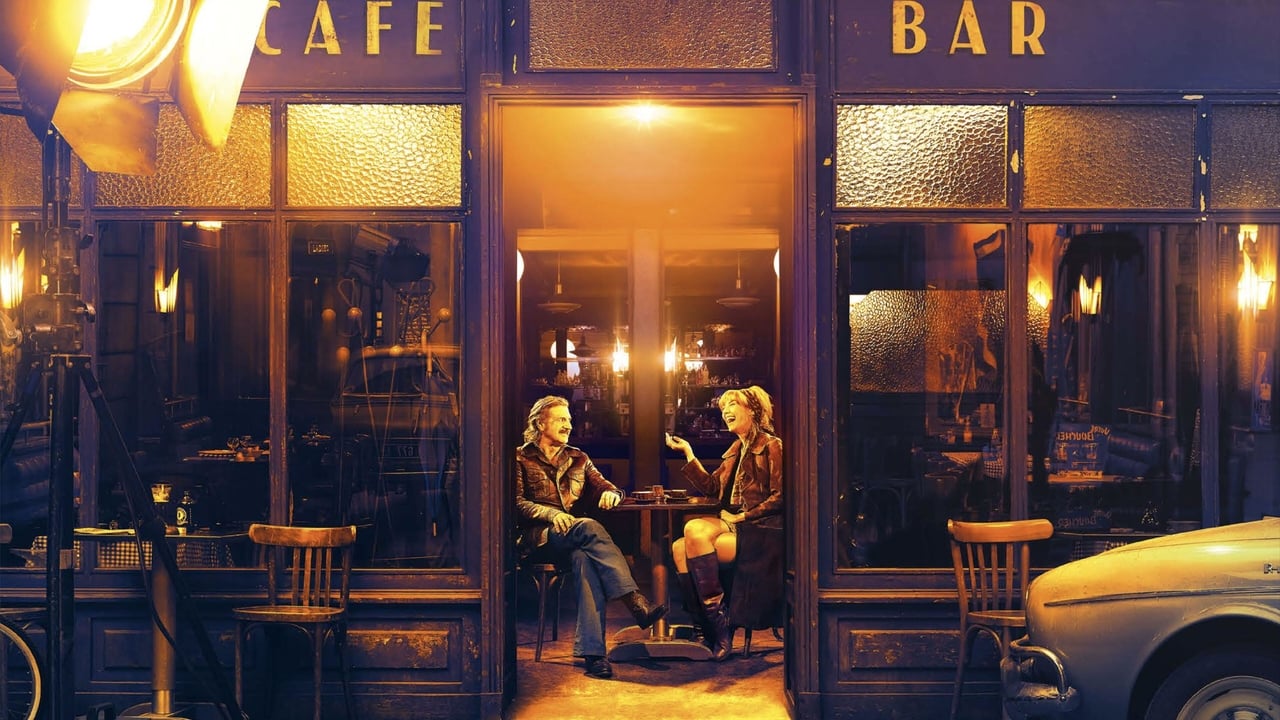
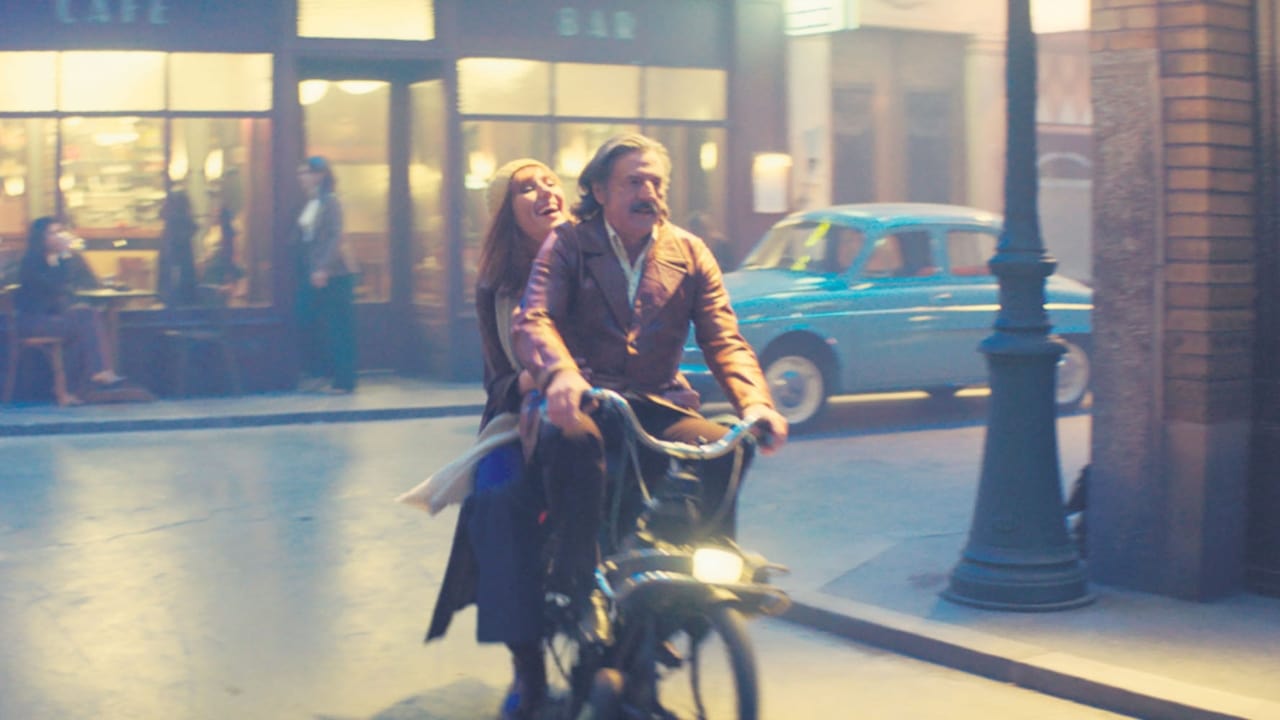
The premise is a high-concept magic trick. Victor is offered a "trip" by a company called Time Travellers, run by the neurotic, high-strung Antoine (Guillaume Canet). This isn't science fiction, though. There are no Deloreans or flux capacitors. Instead, it’s a massive soundstage filled with period-accurate props, actors with earpieces, and a director screaming orders from a control room. For a hefty fee, you can "return" to any era. Victor chooses May 16, 1974—the day he met Marianne in a smoky Lyon café.
What follows is a brilliant collision of artifice and genuine emotion. Daniel Auteuil is magnificent here. He starts the film looking like he’s made of grey stone and vinegar, but as he steps onto the 1970s set, you see the color literally return to his face. It’s a performance of incredible subtlety; he knows the orange wallpaper is fake and the "rain" is coming from a hose, yet he chooses to believe because the present is too cold to endure. It’s the most expensive, elaborate mid-life crisis ever caught on film.
Actors Playing Actors Playing Memories
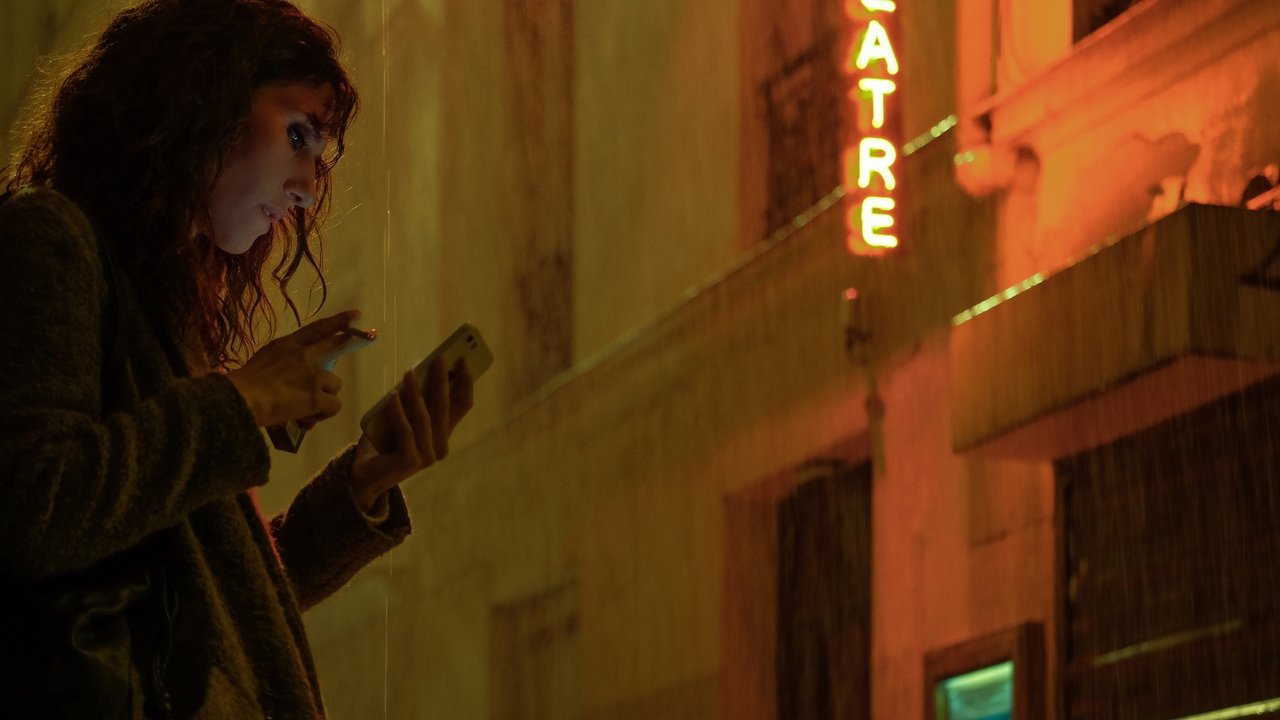
The film’s secret weapon is Doria Tillier, who plays Margot, the actress hired to play the young version of Victor's wife. She has to navigate a minefield of a role: she’s an actor playing a character based on a man’s subjective, 40-year-old memory, all while dealing with her actual boyfriend (Antoine) barking instructions in her ear. The chemistry between Tillier and Auteuil is electric, but it’s also fundamentally uncomfortable. We’re watching a man fall in love with a ghost, or rather, a very talented freelancer pretending to be a ghost.
Guillaume Canet plays the director role with a frantic, narcissistic energy that feels like a pointed jab at every "auteur" who ever had a meltdown on set. Interestingly, Nicolas Bedos, who directed this and wrote the screenplay (and the score!), was actually in a relationship with Doria Tillier during production. Talk about art imitating life—or in this case, art imitating a guy directing his girlfriend to pretend to love a legendary French actor from the 70s.
Why This Lost Gem Matters Now
Released in late 2019, La Belle Époque picked up three César Awards but somehow got buried under the sheer weight of the pandemic and the dominance of the "content" era. It’s a shame, because it’s exactly the kind of movie we need when we’re feeling burnt out by franchise fatigue. While every other big-budget film is using CGI to de-age actors into uncanny-valley versions of themselves, Bedos uses practical sets and actual human acting to explore the same theme. It’s a movie that argues a well-placed prop is more powerful than a $100 million rendering farm.
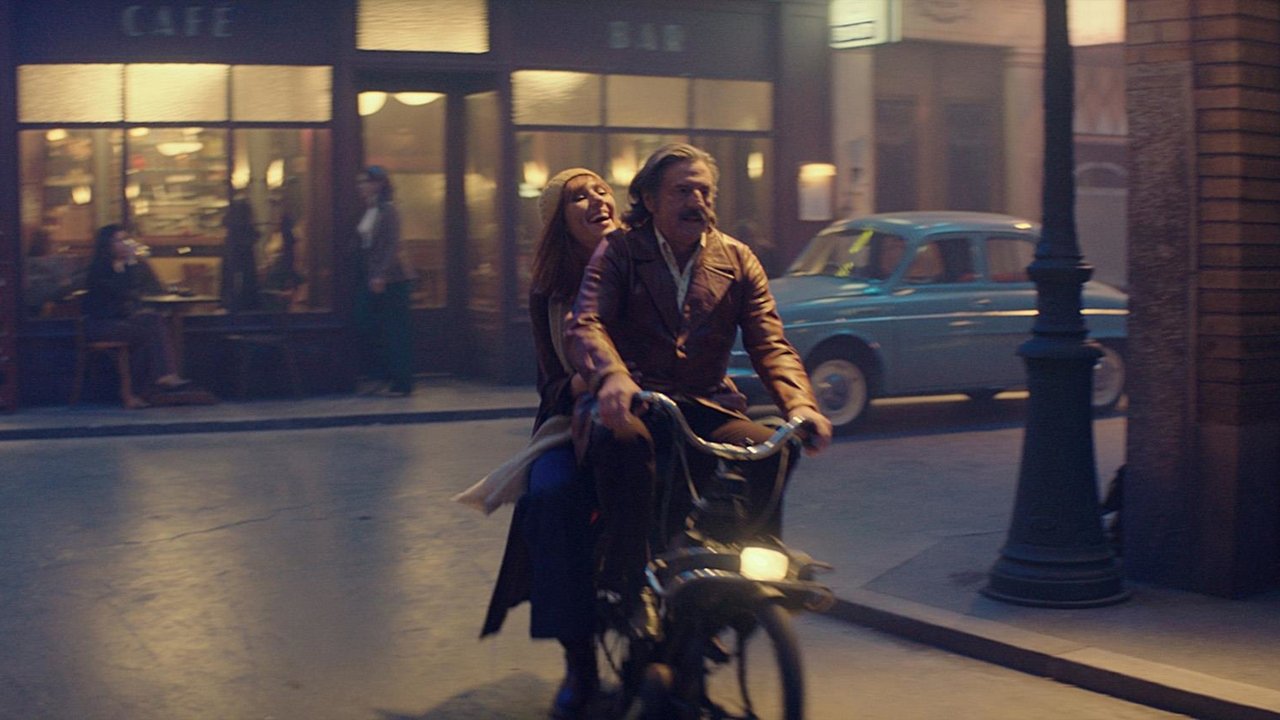
There is a biting commentary here on our current obsession with nostalgia. We live in a world of "legacy sequels" and 80s-themed streaming hits, but La Belle Époque asks what happens when the nostalgia is personalized. It’s not about a "fandom"; it’s about a man who just wants to feel the way he did before the world got so fast and so loud. Fanny Ardant provides the necessary friction to keep the movie from becoming too misty-eyed. Her Marianne is sharp, cruel, and deeply bored with her husband’s refusal to live in the 21st century.
The production design is a character in itself. The way the set-builders swap out lightbulbs and adjust the "authentic" 1970s cigarette smoke reminds me of the frantic energy of a live theater production. It highlights the labor of memory. We think of our past as something that just exists, but this film shows it’s something we’re constantly reconstructing, often with biased lenses and convenient omissions.
If you’ve ever looked at your old photos and felt a physical ache in your chest, this movie will wreck you in the best way possible. It manages to be a cynical comedy about the industry of "experience" while remaining a deeply sincere drama about how we choose to remember the people we love. It’s a rare bird: a high-concept French film that doesn't feel like it’s trying to lecture you, but rather, invites you over for a drink in a bar that doesn't exist anymore. Seek it out on whatever streaming service is currently hiding it; it’s worth the digital archeology.
Keep Exploring...
-
Le Brio
2017
-
Nothing to Hide
2018
-
My Life as a Zucchini
2016
-
Bye Bye Morons
2020
-

Sink or Swim
2018
-
Anomalisa
2015
-
Dope
2015
-
The Dressmaker
2015
-
Florence Foster Jenkins
2016
-
Toni Erdmann
2016
-
Battle of the Sexes
2017
-
The Man Who Invented Christmas
2017
-

The Meyerowitz Stories (New and Selected)
2017
-
Stan & Ollie
2018
-
The Old Man & the Gun
2018
-
The Peanut Butter Falcon
2019
-
The Specials
2019
-
Riders of Justice
2020
-
The King of Staten Island
2020
-
The Worst Person in the World
2021