Lady and the Tramp
"Shelter dogs, digital muzzles, and a very expensive meatball."
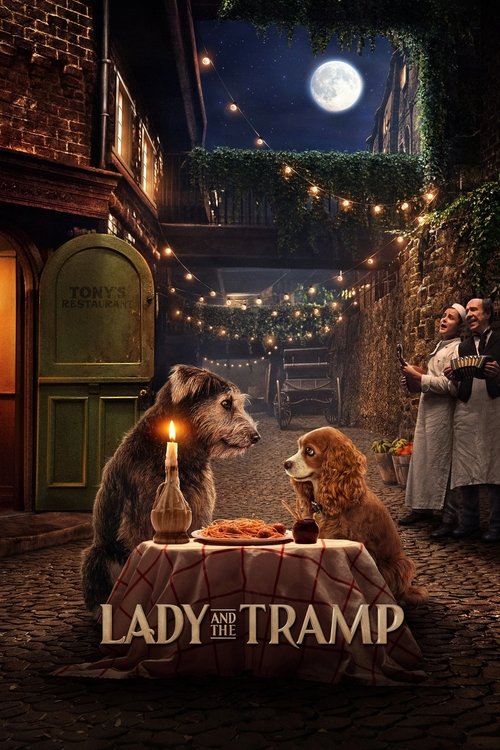
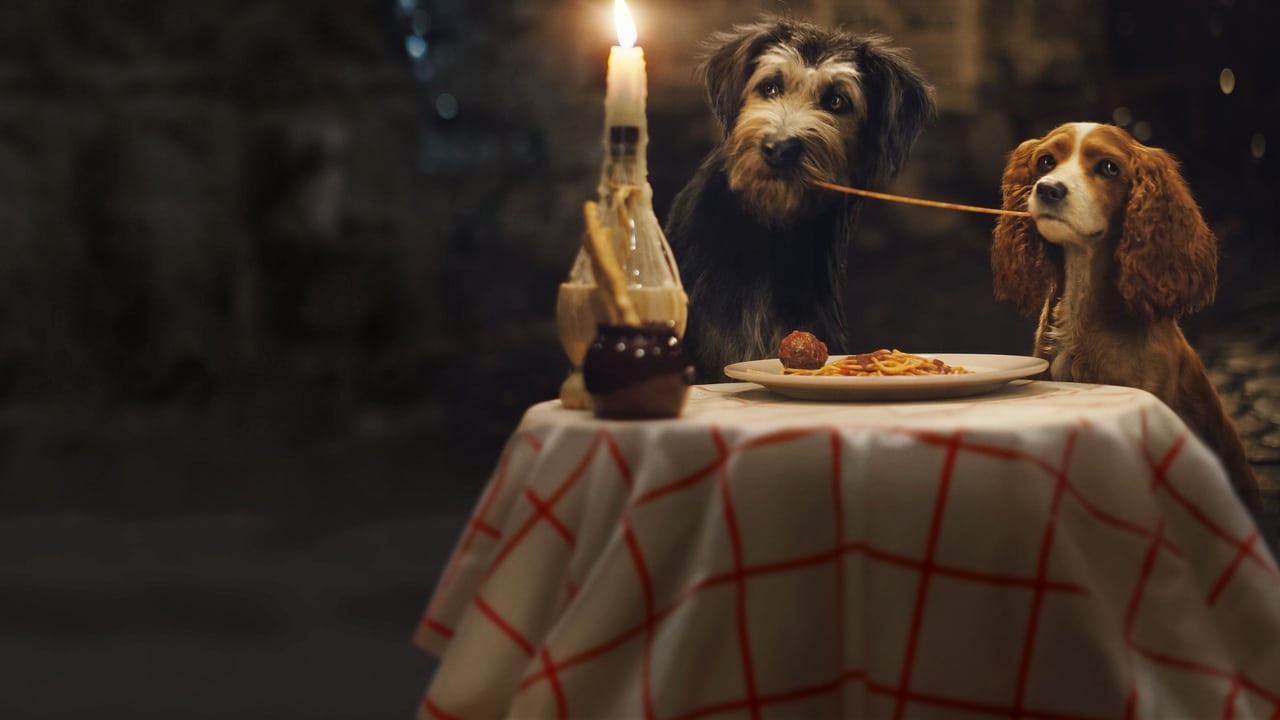
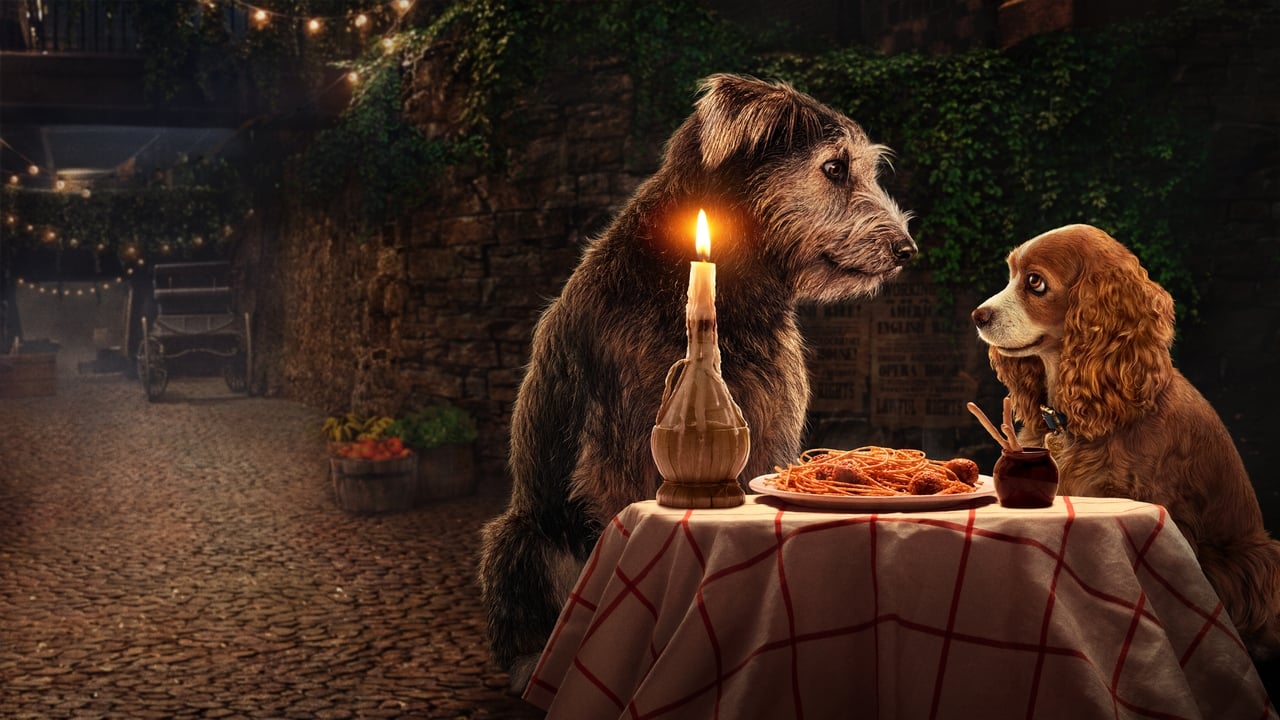
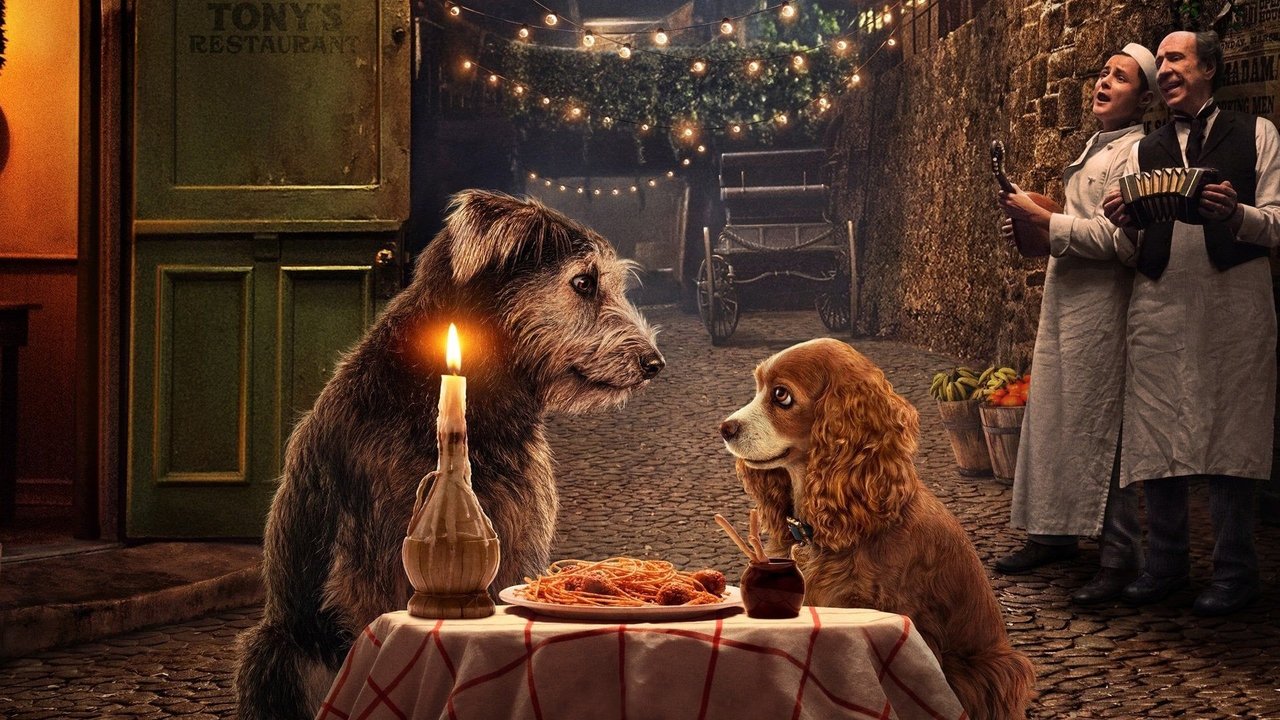
There is a specific, dizzying brand of surrealism involved in watching a photorealistic Cocker Spaniel experience a romantic awakening while "Bella Notte" plays in the background. I sat down to watch the 2019 reimagining of Lady and the Tramp on a lethargic Tuesday afternoon, wearing mismatched socks and trying to ignore a particularly persistent fly that seemed determined to share my lukewarm coffee. It felt like the correct atmosphere for a film that exists in a strange cultural limbo—too expensive to be a "throwaway" movie, but too tethered to its streaming-launch roots to ever feel like a cinematic event.
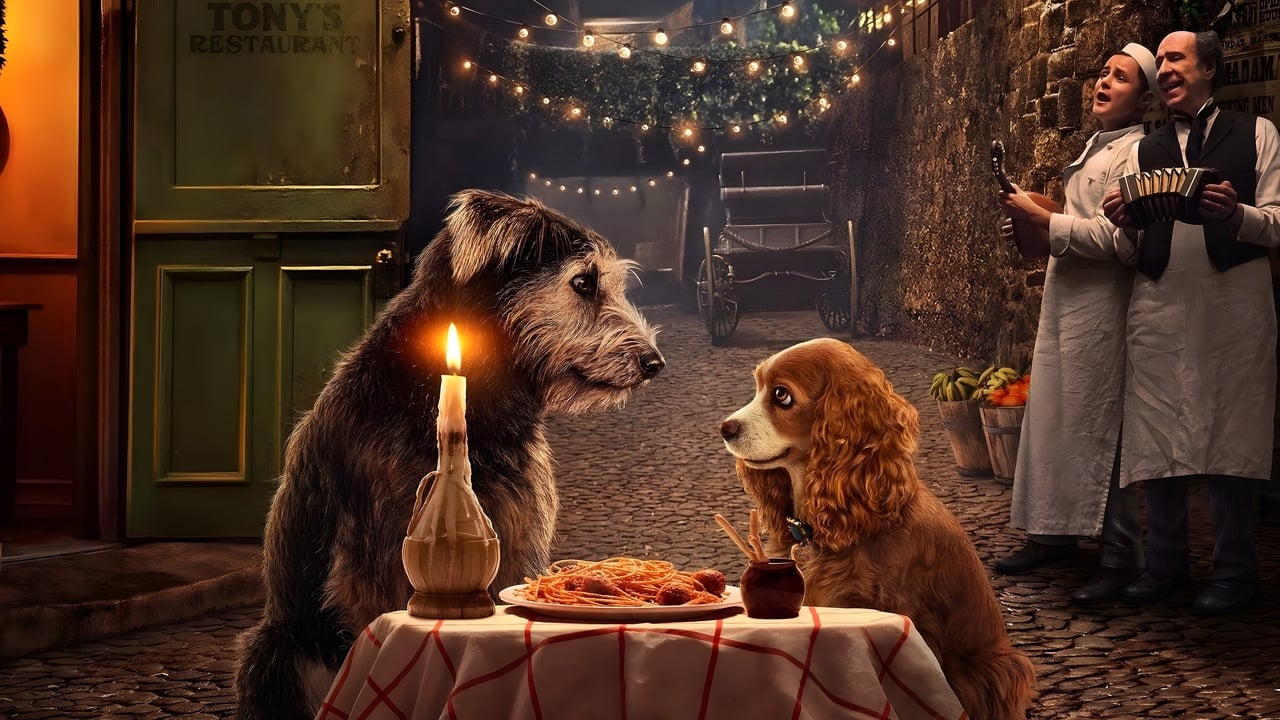
Released as the flagship original film for the Disney+ launch, this version of the 1955 classic bypassed the theatrical "Diamond Edition" fanfare and went straight to our living rooms. It’s a move that defined the early streaming era: taking a massive IP, polishing it with a $60 million budget, and hoping it’s enough to make people forget they’re paying for yet another subscription.
Shelter Dog Chic and the Uncanny Valley
The biggest hurdle for any live-action animal movie is the "talking mouth" problem. Director Charlie Bean (who previously gave us The LEGO Ninjago Movie) made the commendable choice to use real dogs instead of the cold, 1,000-yard-stare CGI puppets we saw in the remake of The Lion King. The Tramp is played by Monte, a rescue dog from Arizona with a face so expressive he probably could have carried the film without the digital assistance.
However, the second those real canine muzzles start moving to deliver Justin Theroux’s wisecracks, we enter the uncanny valley. Tramp looks less like a street-tough scoundrel and more like he’s about to ask for a craft IPA at a gastropub. There’s a persistent visual disconnect where the dog’s body is doing "dog things"—scratching, sniffing, looking confused—while the voice is delivering a polished, mid-century romantic lead performance. Tessa Thompson voices Lady with a charming, naive sophistication, but I found myself wishing I could just watch the dogs be dogs without the ventriloquism.
The human cast, led by Kiersey Clemons as Darling and Thomas Mann as Jim Dear, are essentially living wallpaper. They exist to look distressed when Lady goes missing and to provide the period-accurate Victorian backdrop that makes the film look like a high-end Christmas card. They’re perfectly fine, but let's be honest: we’re here for the meatballs.
Correcting the Kitties and Comedic Relief
One of the more interesting aspects of the 2019 version is how it navigates the "problematic" elements of the original. We all remember the Siamese Cat song—a sequence so wildly racist by modern standards that it’s usually preceded by a content warning on the app. Here, the cats are replaced by a pair of Devon Rexes who sing a jazzy, chaotic number called "What a Shame." It’s an improvement in terms of basic human decency, though the new song is basically elevator music for jazz snobs compared to the catchy, if offensive, original.
The humor is largely carried by the supporting animal cast. Ashley Jensen voices Jackie (a gender-swapped Jock) with a frantic Scottish energy that gave me the few genuine laughs I had during the runtime. Then there’s Benedict Wong as Bull, the bulldog in the pound. Wong brings a dry, "I’ve seen it all" gravitas to a dog that looks like a folded-up velvet sofa, and I honestly would have preferred a spin-off about his life in the clink.
The comedy here is gentle—very "Family" with a capital F. It relies heavily on the physical slapstick of dogs knocking over tables and the irony of Tramp explaining the world to a dog who thinks a baby is a "monster" that steals attention. It’s sweet, but it lacks the bite (pun intended) that a modern romantic comedy usually needs to stay memorable.
The Streaming Middle Child
There’s a reason this film doesn't come up in conversations about the "Best Disney Remakes." It’s perfectly pleasant, but it feels like a product designed to fill a catalog. Disney essentially used this movie as a $60 million beta test for their streaming server. It doesn’t have the visual scale of The Jungle Book or the musical bombast of Aladdin. Instead, it’s a cozy, somewhat redundant stroll down a very expensive memory lane.
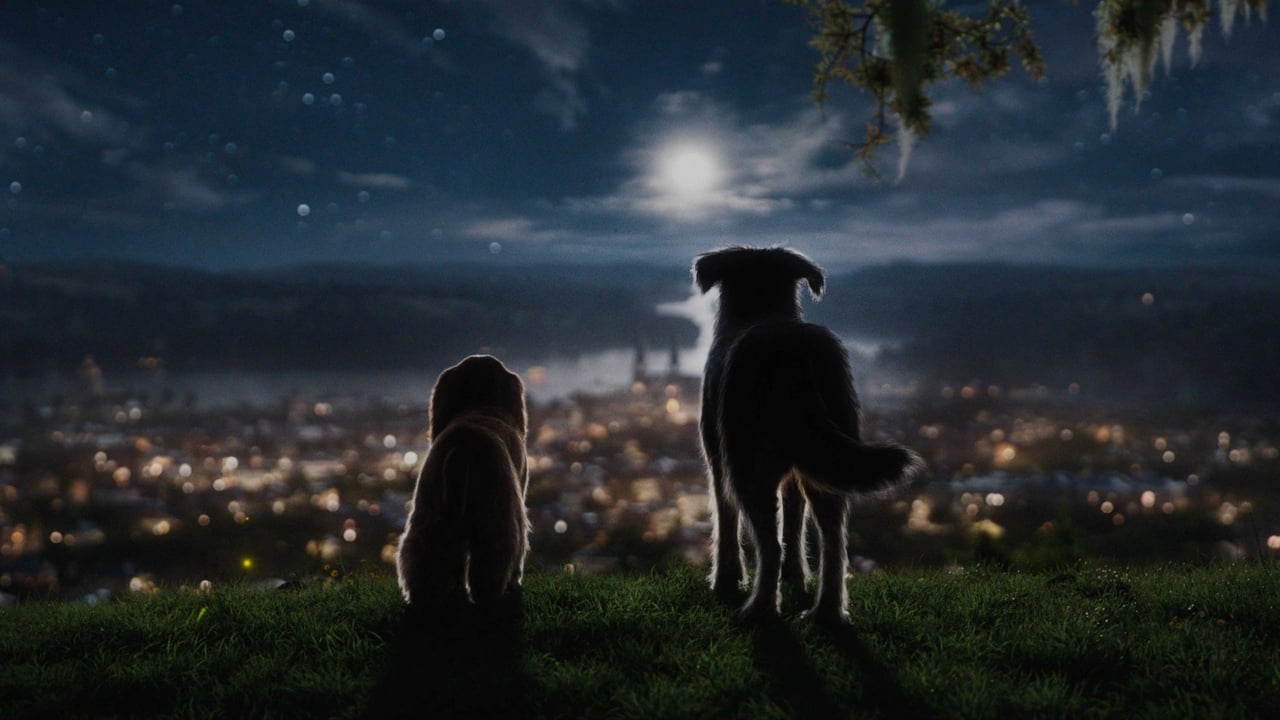
The production trivia is actually heartening, though. Unlike most Hollywood productions that source "actor dogs" from specialized breeders, the crew scoured shelters across the country. Monte (Tramp) was found in a kill shelter in New Mexico before being moved to an Arizona facility where he was discovered. Knowing that the lead actor got a literal "happily ever after" out of the deal makes the movie much harder to dislike.
In the era of franchise fatigue, Lady and the Tramp is a harmless diversion. It’s the kind of movie you put on when you want something beautiful to look at while you’re folding laundry or, in my case, wondering if I should go make a second grilled cheese. It captures the heart of the 1955 film without ever justifying its own existence beyond "Hey, look, we have a streaming service now."
It’s a handsome, well-acted, and entirely unnecessary piece of content that benefits greatly from the fact that dogs are inherently likable. If you have kids or a soft spot for shelter rescues, it’s a perfectly fine way to kill 100 minutes. Just don't expect it to replace the hand-drawn magic of the original in your heart—or your watch list.
Keep Exploring...
-
The Lego Ninjago Movie
2017
-

The Holiday Calendar
2018
-

The Princess Switch: Switched Again
2020
-

Falling for Christmas
2022
-
Red Shoes and the Seven Dwarfs
2019
-
The Angry Birds Movie 2
2019
-

Scoob!
2020
-
Clifford the Big Red Dog
2021
-
DC League of Super-Pets
2022
-
Ruby Gillman, Teenage Kraken
2023
-
Trolls Band Together
2023
-

Fly Me to the Moon
2024
-

Frozen Fever
2015
-
Olaf's Frozen Adventure
2017
-
A Christmas Prince: The Royal Wedding
2018
-
Overboard
2018
-

Second Act
2018
-

Always Be My Maybe
2019
-

Can You Keep a Secret?
2019
-
Falling Inn Love
2019