Little Women
"Owning your story is the ultimate inheritance."
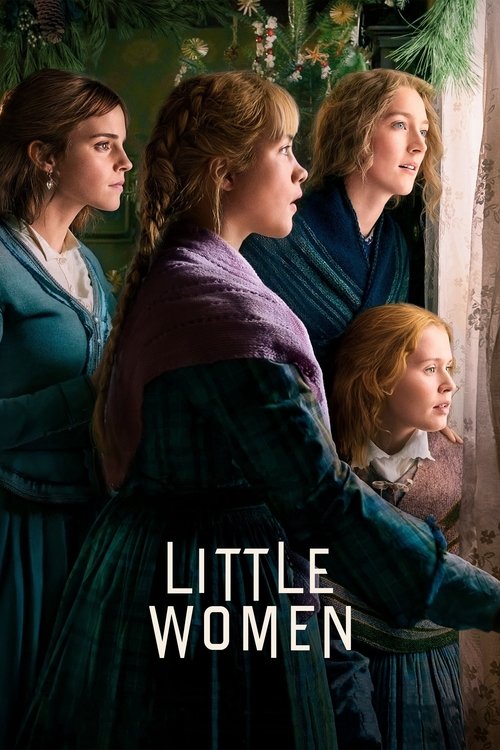
I remember sitting in a theater in late December 2019, wrapped in a scarf I’d wound around my head like a Victorian widow because the air conditioning was inexplicably set to "Arctic Tundra." My teeth were practically chattering, but within twenty minutes, I didn’t care. I was watching Saoirse Ronan as Jo March, running through the streets of New York with ink-stained fingers and a desperate, frantic energy that felt less like a period piece and more like a modern panic attack.
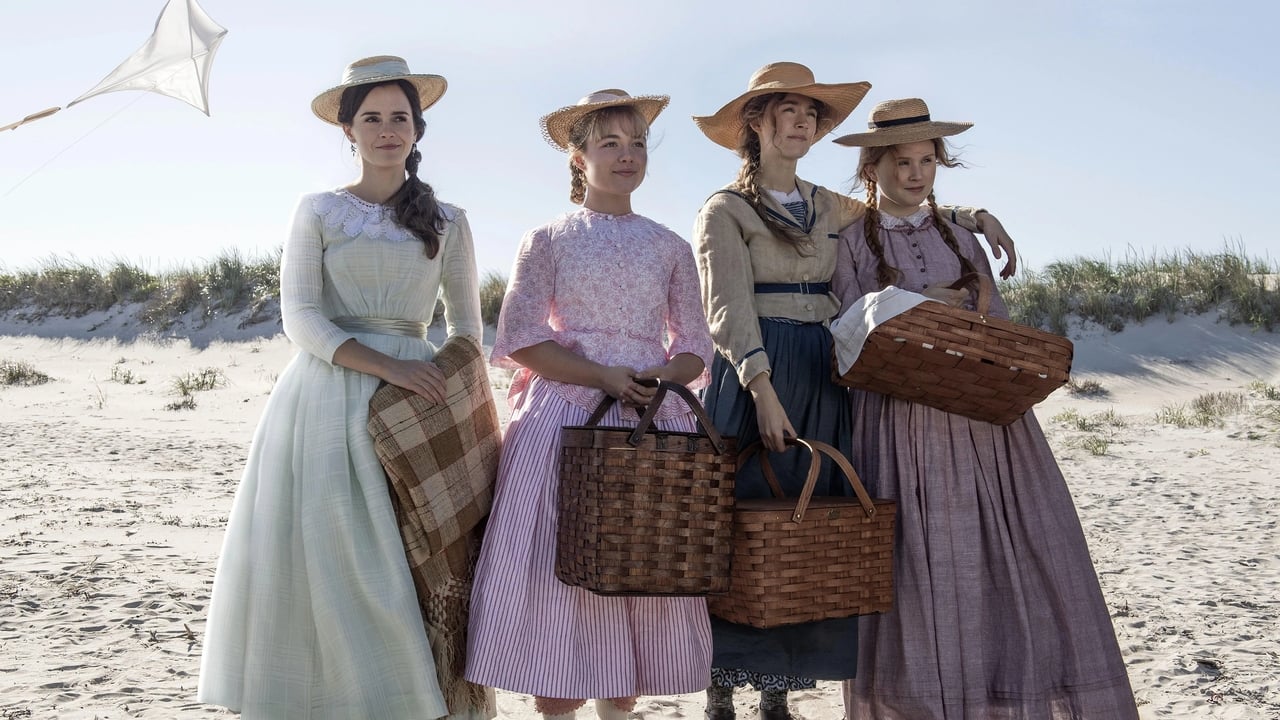
We’ve seen Little Women before. We’ve seen the 1933 version, the 1949 version, and the beloved 1994 version. But Greta Gerwig did something radical here: she stopped treating the March sisters as porcelain dolls on a shelf and started treating them as people with bills to pay. This isn't just a story about sisterhood; it’s a high-stakes negotiation with the past, a movie that understands that for a woman in the 1860s—and let’s be honest, often in the 2020s—artistic ambition is a luxury that has to be bartered for.
Chronology as a Conversation
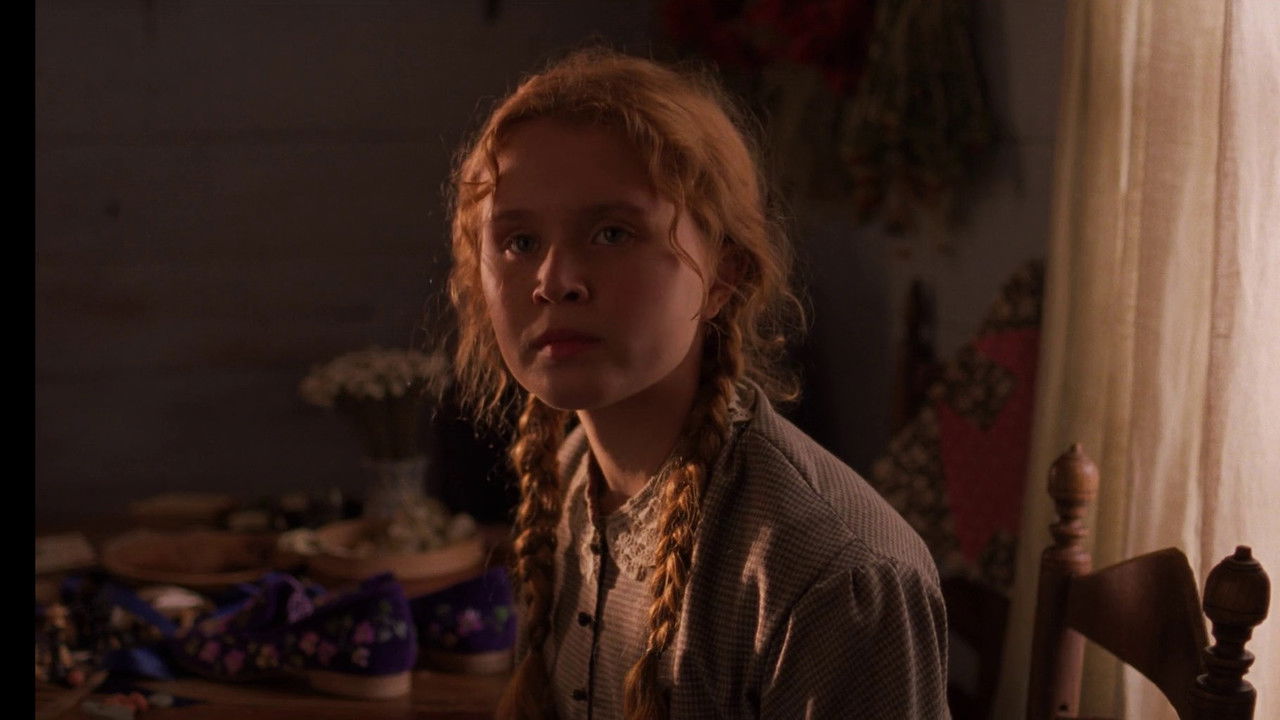
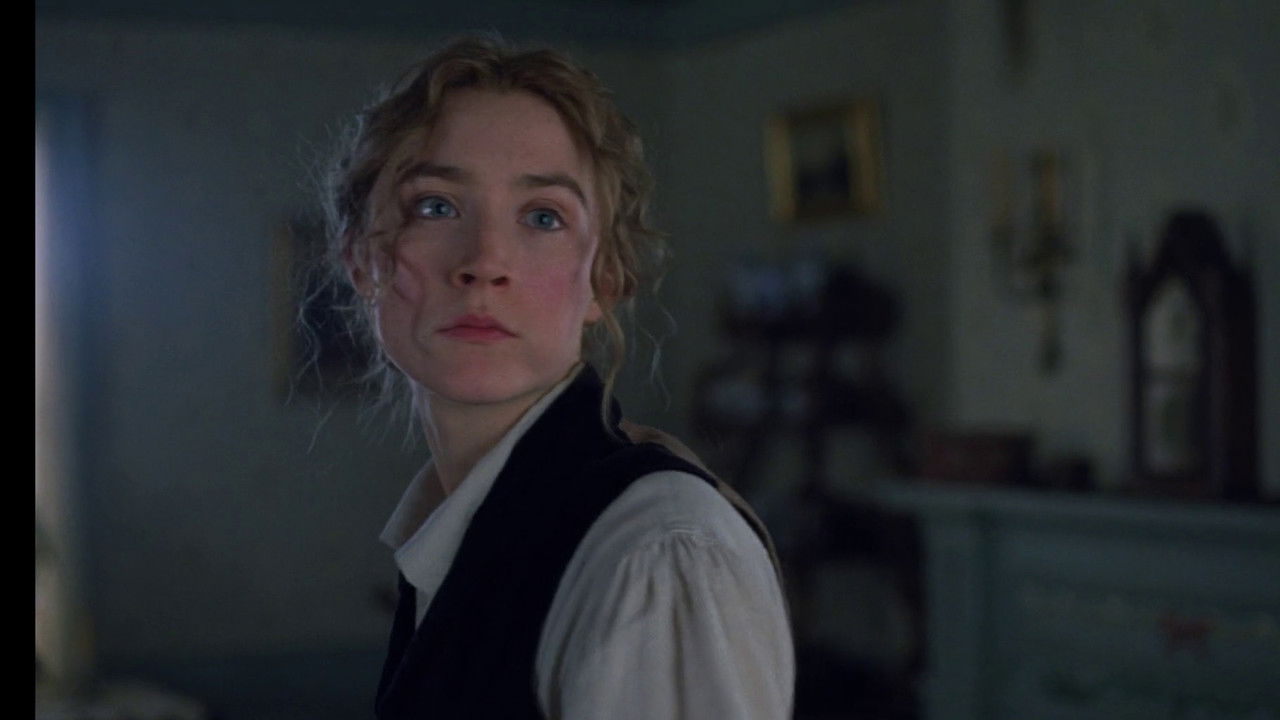
The smartest thing Gerwig did was blow up the linear timeline. Usually, we follow the sisters from childhood to adulthood in a straight line, but here, the film dances between two eras. The "past" (their childhood) is shot by Yorick Le Saux in golden, honey-soaked hues that feel like a warm hug. The "present" (their adulthood) is cast in a sharp, chilly blue.
This structure forces us to look at the characters through a philosophical lens: How does the person we were talk to the person we became? When Saoirse Ronan (revisiting that incredible spark she had in Lady Bird) looks at her sisters as adults, the movie cuts back to them as children, making the loss of their childhood innocence feel like a physical ache. It’s not just "oh, they grew up." It’s a dialogue about the compromises we make to survive. It’s a cerebral choice that turns a cozy classic into a complex reflection on memory.
The editing by Nick Houy is so seamless that you start to anticipate the jumps. You see a door open in the cold blue of the present and expect to see the golden light of the past on the other side. It’s a visual representation of how we carry our childhoods with us—sometimes as a gift, sometimes as a haunting.
The Economics of the Altar
In an era where we’re constantly discussing the "girlboss" trope and the reality of the gender pay gap, Gerwig’s Little Women feels incredibly pointed. There’s a scene where Florence Pugh as Amy explains the "economic proposition" of marriage to Timothée Chalamet’s Laurie. She lays it out with cold, hard logic: she can't make her own money, her children wouldn't belong to her if she did, and her property would belong to her husband.
It’s the best scene in the movie because it destroys the idea that Amy is just the "spoiled" sister. Amy March was the only sister with a retirement plan. Florence Pugh is a revelation here; she plays Amy with a calculated ambition that makes her more than just a foil for Jo. She’s a realist in a world that wants women to be idealists.
And then there’s Timothée Chalamet. He plays Laurie as a beautiful, moping disaster—basically a 19th-century failson with great hair. His chemistry with Ronan is legendary, but his chemistry with Pugh is more interesting because it’s built on a mutual understanding of disappointment. They are two people who realized the world wasn't going to give them exactly what they wanted, so they decided to want each other.
A Modern Prestige Powerhouse
From a production standpoint, this film is a masterclass in how to use a $40 million budget to make something look like it cost double. Costume designer Jacqueline Durran created distinct color palettes for each sister (Jo in red/green, Meg in lavender, Beth in pink/brown, Amy in light blue) that evolve as they age. It’s the kind of detail that won her an Oscar, and rightly so. Interestingly, the production actually filmed in many of the real Massachusetts locations where Louisa May Alcott lived and wrote, adding a layer of historical weight you can almost feel through the screen.
The film was a massive hit, grossing over $330 million, which, in our current landscape of franchise dominance, felt like a victory for "grown-up" cinema. Yet, there was that massive social media outcry when Greta Gerwig was snubbed for a Best Director Oscar nomination. It sparked a huge conversation about how "feminine" stories are often sidelined as "light" or "domestic," even when they are technically superior to the "important" war epics or gritty crime dramas.
Alexandre Desplat’s score also deserves a shout-out. It doesn't rely on sweeping, manipulative strings. It’s staccato, rhythmic, and urgent—the sound of a pen scratching across paper. It’s the sound of Jo March’s brain working.
I think what lingers most for me is the ending. Gerwig gives us two endings: the "fictional" ending that the publishers (and audiences) demand—the marriage, the kiss in the rain—and the "real" ending, where Jo watches her book being bound in leather and gold. Watching the hot lead press into the cover of the book is more romantic than any wedding scene I’ve ever seen. It’s a film that asks: What is your legacy? Is it the people you loved, or the things you left behind? For the March sisters, and for us, the answer is usually both. This isn't just a "chick flick"; it's a monumental piece of filmmaking that I’ll be coming back to for decades.
Keep Exploring...
-
Lady Bird
2017
-
Brooklyn
2015
-
Ford v Ferrari
2019
-
Portrait of a Lady on Fire
2019
-
Spotlight
2015
-

Straight Outta Compton
2015
-
Love, Simon
2018
-

Five Feet Apart
2019
-

A Silent Voice: The Movie
2016
-
Society of the Snow
2023
-
The Trial of the Chicago 7
2020
-
CODA
2021
-
Past Lives
2023
-
The Iron Claw
2023
-

Call Me by Your Name
2017
-
The Guernsey Literary & Potato Peel Pie Society
2018
-
Downton Abbey
2019
-
Oppenheimer
2023
-

Hidden Figures
2016
-
La La Land
2016