Maleficent: Mistress of Evil
"Hell hath no fury like a godmother scorned."
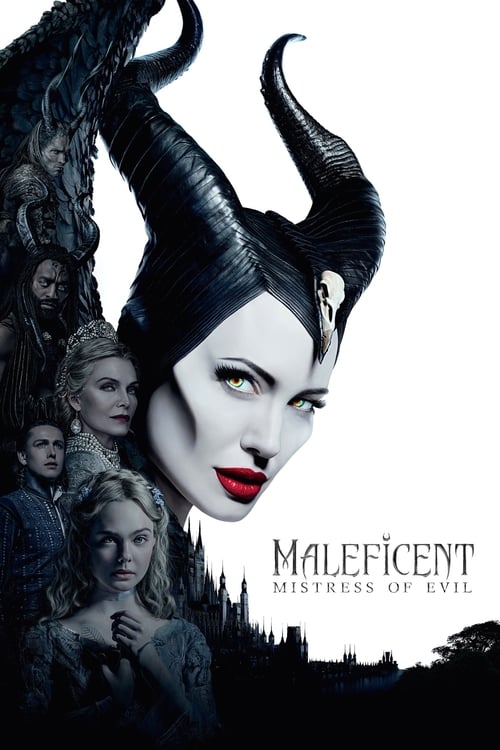
When Angelina Jolie glides onto the screen with those razor-sharp cheekbones and a sneer that could curdle milk, you realize some roles are simply destiny. In the 2019 sequel Maleficent: Mistress of Evil, she doesn’t just play the title character; she inhabits her with the kind of regal ferocity that reminds us why she remains one of the few true "movie stars" in an era dominated by interchangeable franchise leads. I caught this one on a Tuesday afternoon at a theater where the air conditioning was cranked so high I had to wrap my arms around a giant tub of lukewarm popcorn just to maintain core body temperature, and yet, the sheer visual heat of this movie kept me thawed.
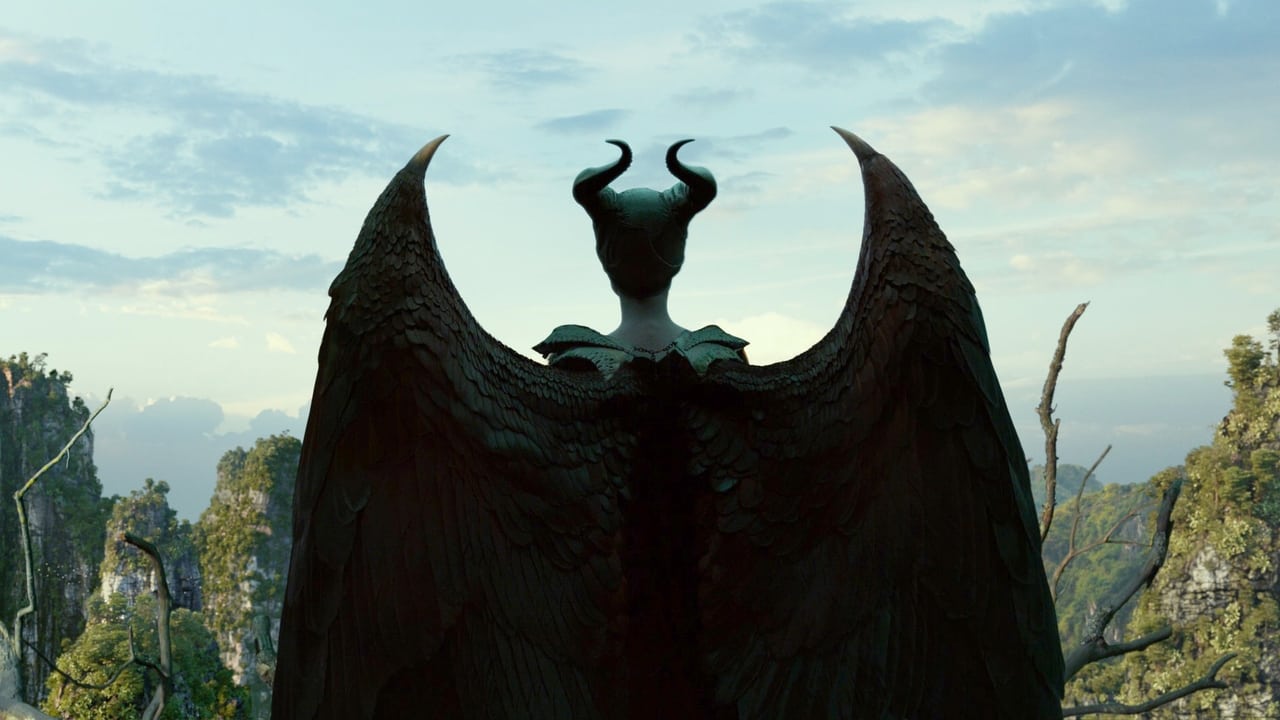
The Dinner Party from Hell
If the first Maleficent was about subverting a classic fairy tale, Mistress of Evil is about expanding that world into a full-blown geopolitical war epic. The story picks up five years after the original, with Elle Fanning returning as the perpetually sunny Princess Aurora. She’s accepted a marriage proposal from Prince Phillip—now played by Harris Dickinson, who took over the role from Brenton Thwaites—but the real meat of the story begins when Maleficent is invited to the castle for an "engagement dinner."
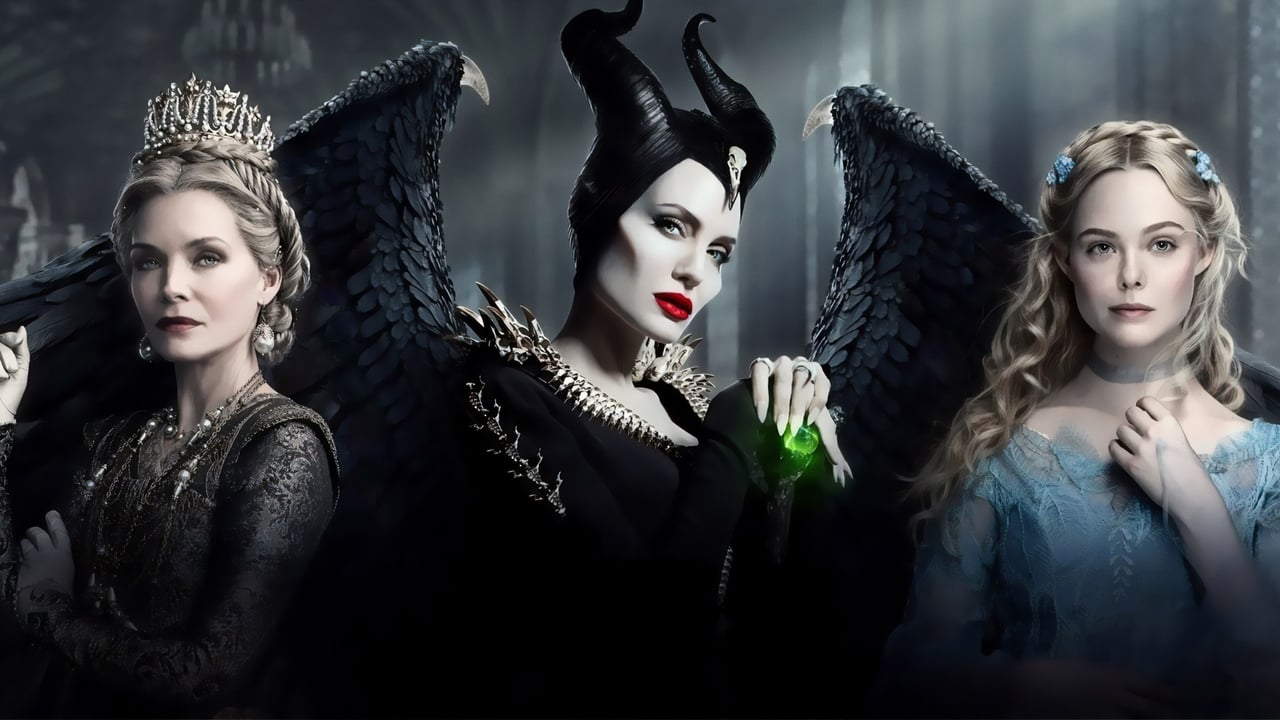
This sequence is the absolute peak of the film. Watching Angelina Jolie trade passive-aggressive barbs with Michelle Pfeiffer, who plays Queen Ingrith, is like watching two heavyweight champions dance in a ring built of fine china and silk. Pfeiffer’s Ingrith is essentially a medieval corporate raider with a crown, and she plays the "evil mother-in-law" trope with such chilling, calculated precision that you almost forget there are CGI moor-creatures waiting outside. The tension in that room is thick enough to cut with Maleficent’s staff, and it sets the stage for a conflict that moves far beyond a simple wedding disagreement.
Wings, Wars, and World-Building
Once the dinner goes south, the film shifts gears from a domestic drama into a massive fantasy adventure. We are introduced to the Dark Fey, a hidden society of winged creatures just like Maleficent, led by Chiwetel Ejiofor’s Conall and Ed Skrein’s Borra. This is where director Joachim Rønning (who previously co-directed Pirates of the Caribbean: Dead Men Tell No Tales) really flexes the production’s $185 million budget.
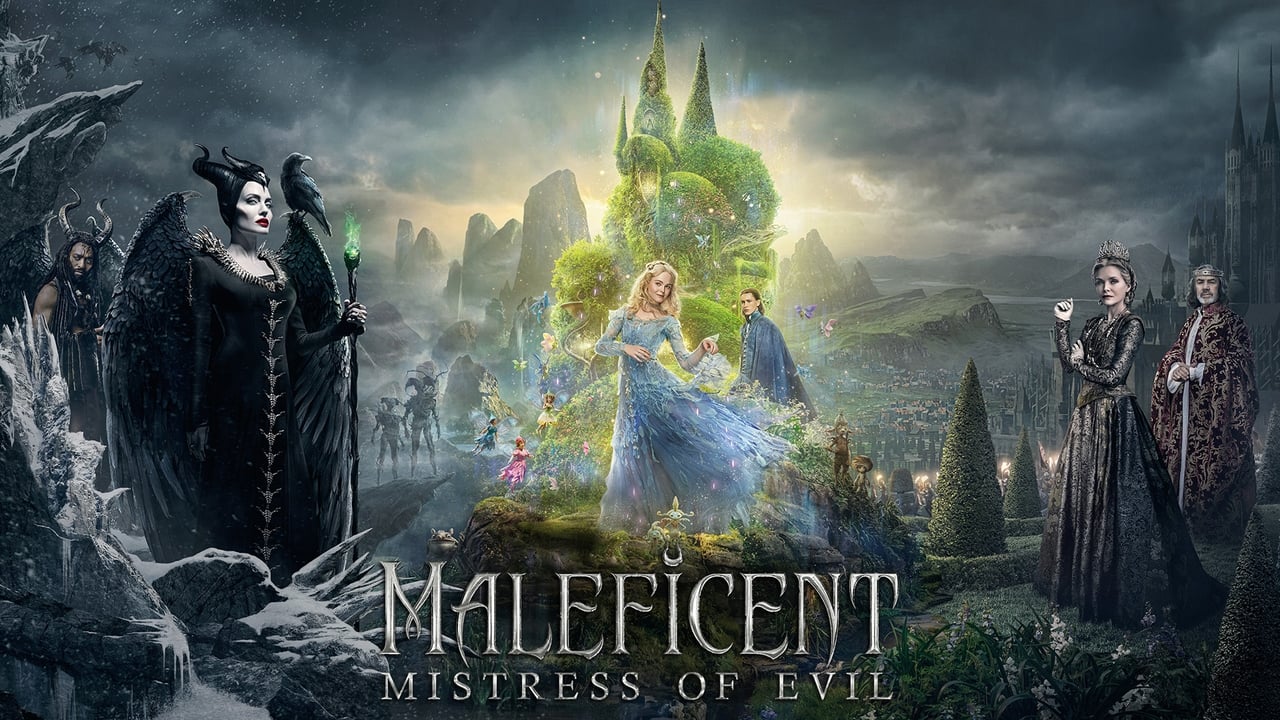
The world-building here is staggering. We see different biomes of Fey—desert dwellers, tundra flyers, jungle inhabitants—all brought to life with seamless CGI that represents the peak of the pre-pandemic technological boom. While the first film felt intimate and contained within the Moors, this sequel feels like Disney’s attempt at an Avatar-lite spectacle. The flight sequences are exhilarating, capturing a sense of momentum and peril that justifies the "Adventure" tag on the poster. However, I’ll be honest: the film occasionally drowns its best performances in a digital soup of explosions and pixels. There’s a point during the final siege where I found myself wishing they’d just go back to the dining room and let the two queens keep insulting each other.
The Craft Behind the Curse
One of the coolest details I stumbled upon while digging into the production is that Angelina Jolie was heavily involved in the costume design alongside Ellen Mirojnick. They wanted Maleficent’s look to evolve; she starts with more organic, mossy textures and transitions into a "battle dress" that is both terrifying and high-fashion. It’s that attention to detail that elevates the film. Even Sam Riley, returning as the loyal crow-man Diaval, brings a grounded, human warmth to a movie that could easily have felt like a cold tech demo.
Interestingly, the film was released during a period of "sequel fatigue" in late 2019. While it didn't quite hit the box office heights of the first one, it has aged surprisingly well as a piece of pure escapism. It’s a film that understands the modern audience's desire for "representation" isn't just a box-checking exercise; it’s about seeing powerful, flawed women driving the narrative without needing a prince to save the day (poor Harris Dickinson is mostly there to look handsome and confused).

Turns out, the movie also had to navigate some tricky production hurdles. Because Elle Fanning was much older than she was in the first film, the script by Noah Harpster and Linda Woolverton had to pivot her character from a wide-eyed child to a woman caught between two mother figures. It’s a classic adventure trope—the hero's journey of self-discovery—but framed through the lens of found family and the fear of the "other."
Maleficent: Mistress of Evil is a weird, beautiful, and occasionally overstuffed bird. It succeeds because it leans into the campy brilliance of its lead actresses and isn't afraid to get surprisingly dark for a "Family" film (Queen Ingrith’s final plan is legitimately genocidal). While the third act becomes a bit of a CGI blur, the first hour is some of the most engaging high-fantasy Disney has produced in years. It’s a visual feast that proves that even in an era of franchise saturation, a bit of star power and a lot of leather goes a long way.
If you’re looking for a film that balances soaring adventure with the kind of fashion-forward villainy that makes you want to go out and buy a pair of prosthetic horns, this is your best bet. It might not be an "instant classic" that redefines the genre, but it’s a damn fun way to spend two hours. Just make sure you bring a sweater if you're watching it in a cold theater.

Keep Exploring...
-
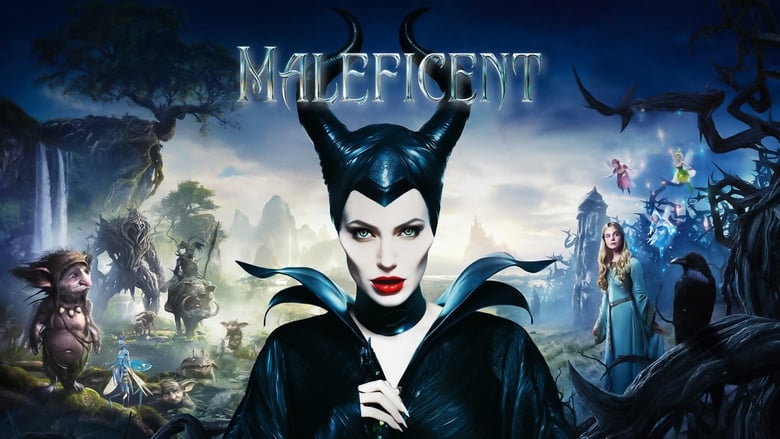
Maleficent
2014
-
Alice Through the Looking Glass
2016
-
Miss Peregrine's Home for Peculiar Children
2016
-

Pete's Dragon
2016
-

Trolls
2016
-
Pirates of the Caribbean: Dead Men Tell No Tales
2017
-

Dumbo
2019
-
Dolittle
2020
-
Onward
2020
-
Trolls World Tour
2020
-
Jungle Cruise
2021
-
Luca
2021
-
Raya and the Last Dragon
2021
-

Hotel Transylvania: Transformania
2022
-
Descendants
2015
-

The Little Prince
2015
-
Christopher Robin
2018
-
A Monster Calls
2016
-

The Jungle Book
2016
-
Aladdin
2019