Marriage Story
"The hardest part of leaving is the paperwork."
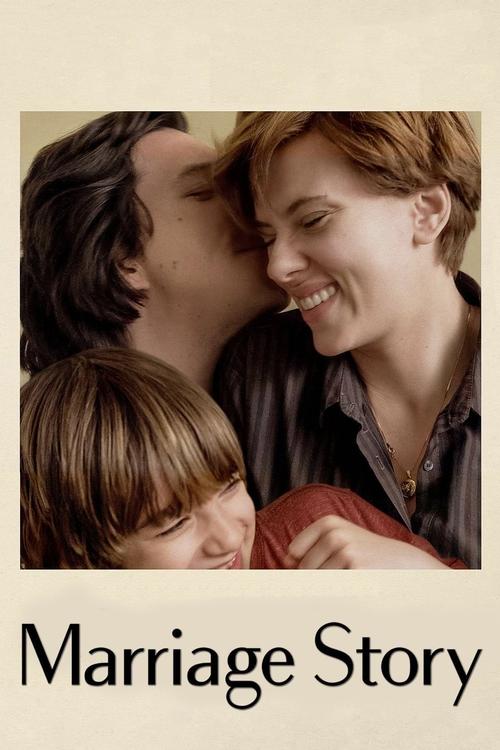
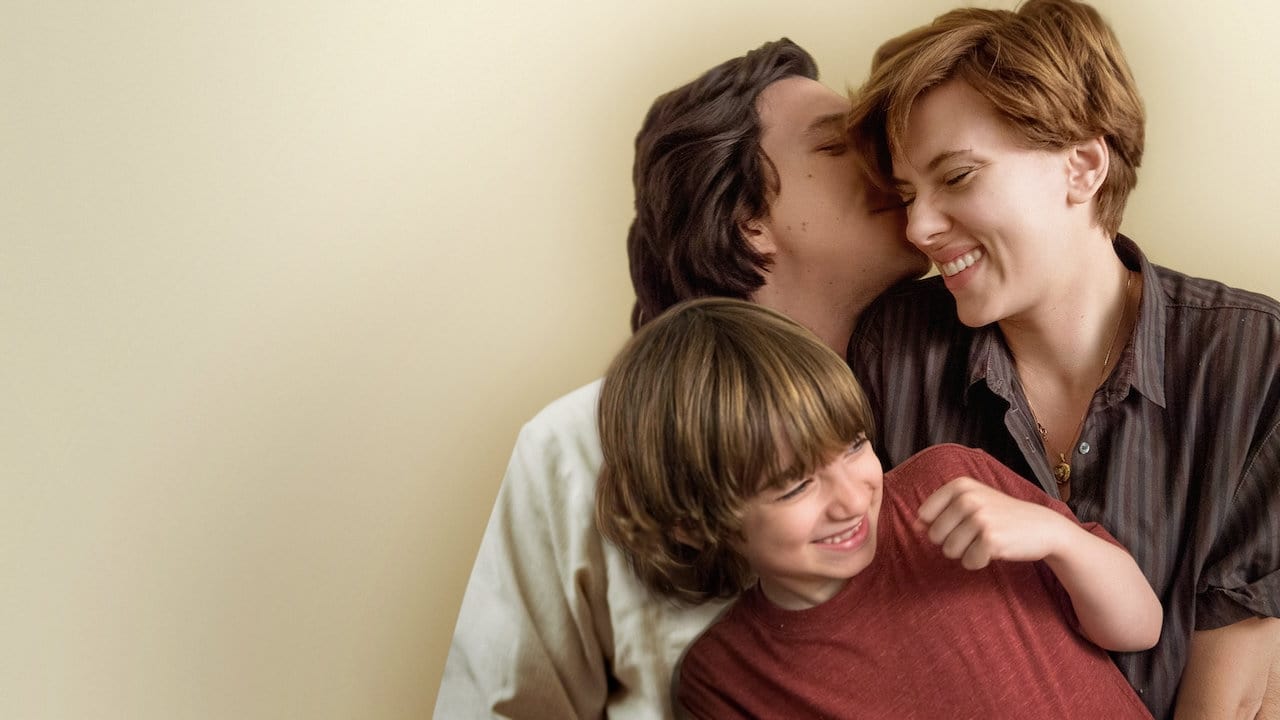
The opening five minutes of Marriage Story are a cruel, beautiful lie. We hear Charlie and Nicole Barber listing the tiny, specific things they adore about one another—her ability to play with their son, his ease with the messy domesticity of a New York apartment. It feels like a celebration of a decade-long partnership, until the needle drops and we realize these lists are "homework" for a mediation session they are currently failing. It’s a bait-and-switch that sets the tone for the next two hours: a movie that understands love perfectly, yet chooses to document its autopsy.
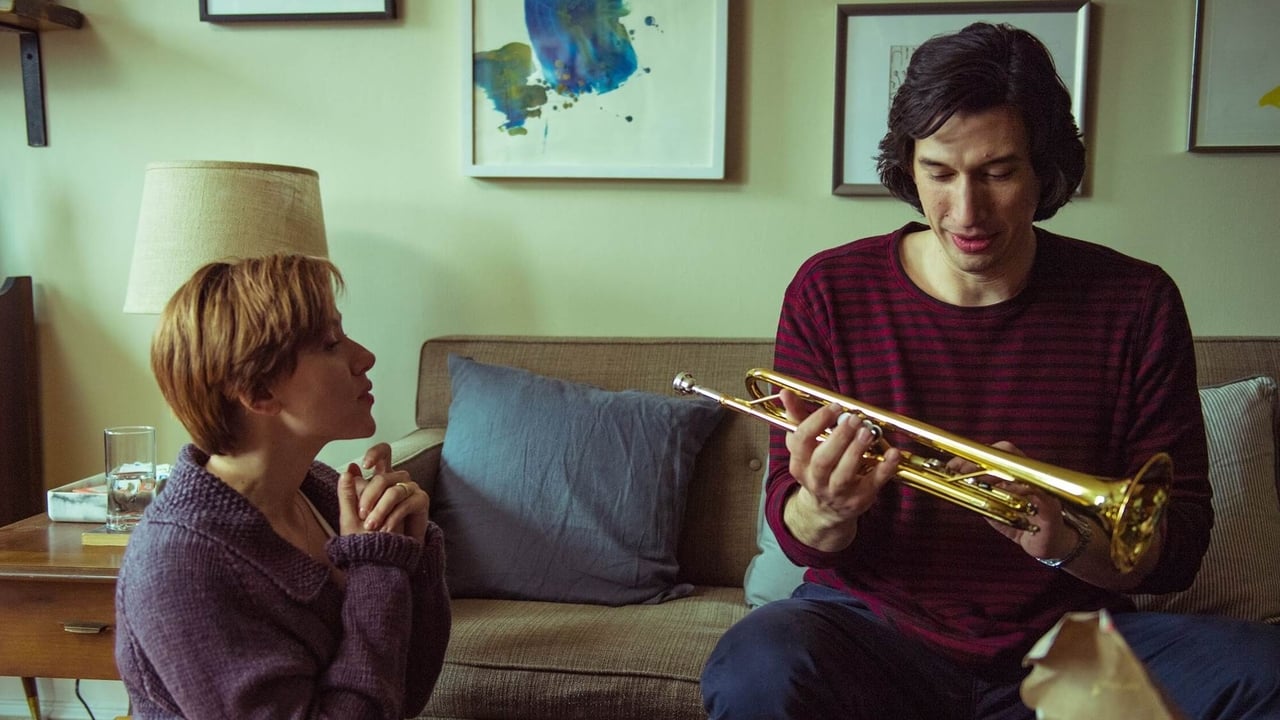
I watched this for the second time while sitting on a slightly damp couch because my humidifier had a leak, and honestly, the physical discomfort of the wet cushion matched the emotional humidity of the film perfectly. You don’t just watch this movie; you endure it with a lump in your throat.
The Theatre of the End
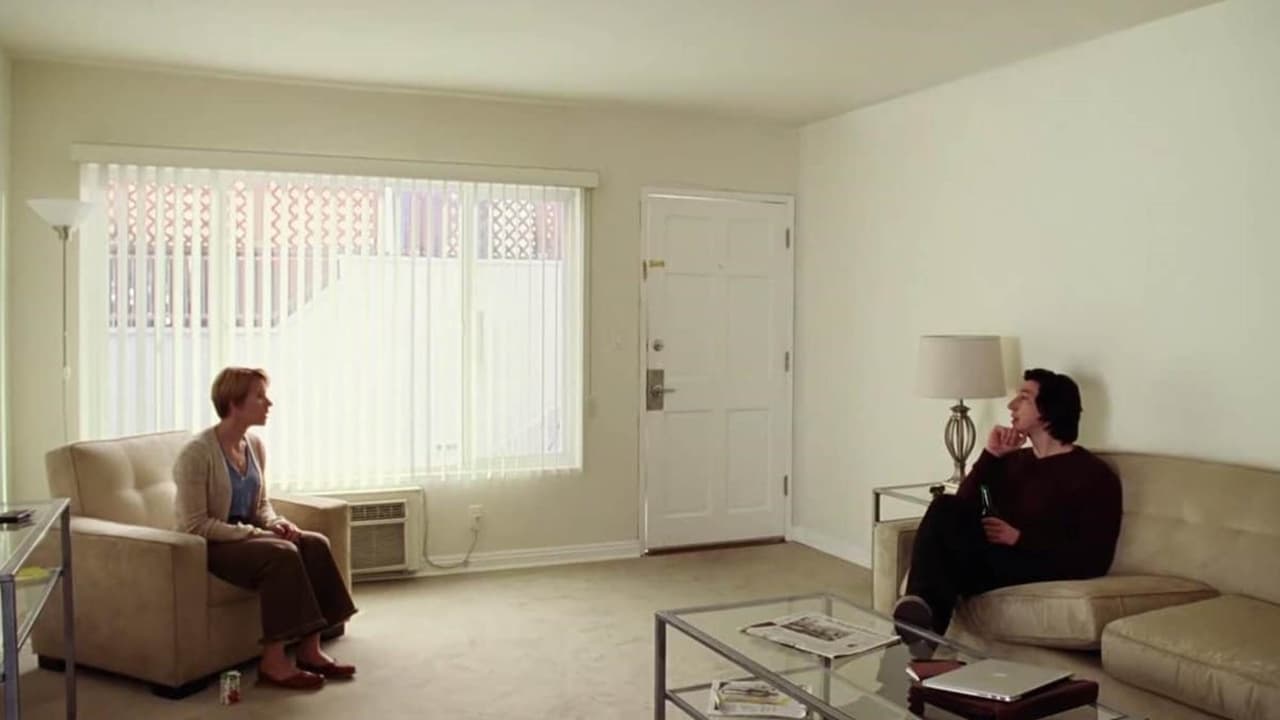
What makes Noah Baumbach’s script so sharp is how it treats divorce not just as a legal process, but as a professional performance. Charlie (Adam Driver) is a brilliant theater director; Nicole (Scarlett Johansson) is his lead actress. They are people who understand "blocking" and "intent," yet they find themselves trapped in a new play where the lawyers have written all the lines.
When the action shifts from the cozy, cramped theaters of Brooklyn to the sun-bleached, sterile offices of Los Angeles, the film evolves into a psychological horror story about bureaucracy. The legal system doesn't want the truth; it wants "points." Seeing the transition from Alan Alda’s kindly, bumbling Bert Spitz—who actually wants the couple to talk—to Ray Liotta’s shark-like Jay Marotta is a masterclass in how the industry of divorce incentivizes cruelty.
By the time Laura Dern enters the fray as Nora Fanshaw (a role she plays with a terrifying, high-heeled precision), the "marriage" has been stripped of its humanity and turned into a series of billable hours. She’s essentially a professional assassin in a power suit, and she is mesmerizing to watch.
The Meme-ification of Agony
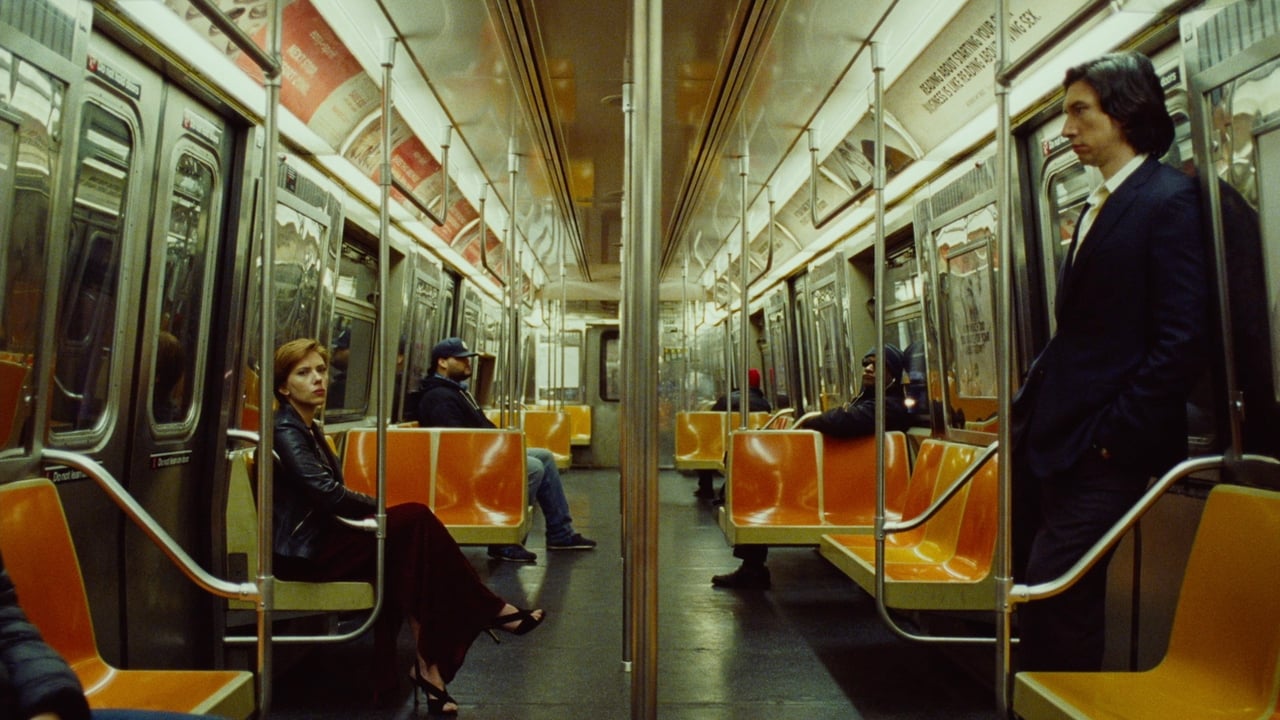
In our current streaming era, it’s rare for a prestige drama to achieve the kind of "cult" longevity that Marriage Story has found. Usually, these films are discussed during Oscar season and then filed away. But this film became a staple of social media discourse. Most of us have seen the screenshots of the central argument before we even saw the film. You know the one: Charlie punching a hole in the drywall, Nicole screaming that he’s become his father.
On the internet, these moments became memes, but in the context of the film, they are devastating. That 50-page argument scene took two full days to film, and it’s obvious. You can see the exhaustion in the actors' eyes. Adam Driver delivers a performance that is physically massive—he seems too big for the rooms he’s in—while Scarlett Johansson provides the emotional ballast. She captures that specific "New York to LA" identity crisis with heartbreaking nuance.
The film has developed a cult-like following of people who obsessively dissect every line, debating who was the "villain" (spoiler: it’s the system). It’s a movie that invites repeat viewings not because it’s fun, but because it’s so densely packed with human observation that you find something new every time—like the way Nicole looks at Charlie’s haircut, a mix of habit and lingering affection that she can't quite turn off.
Behind the Scenes of a Breakdown
Baumbach clearly poured a lot of his own life into this. Having gone through a high-profile divorce himself, he understands the absurdity of the process. There’s a scene involving a government evaluator (played with wonderful deadpan energy by Martha Kelly) that is one of the most stressful things I’ve ever seen. It’s a comedy of errors where the stakes are "will I lose my child?"
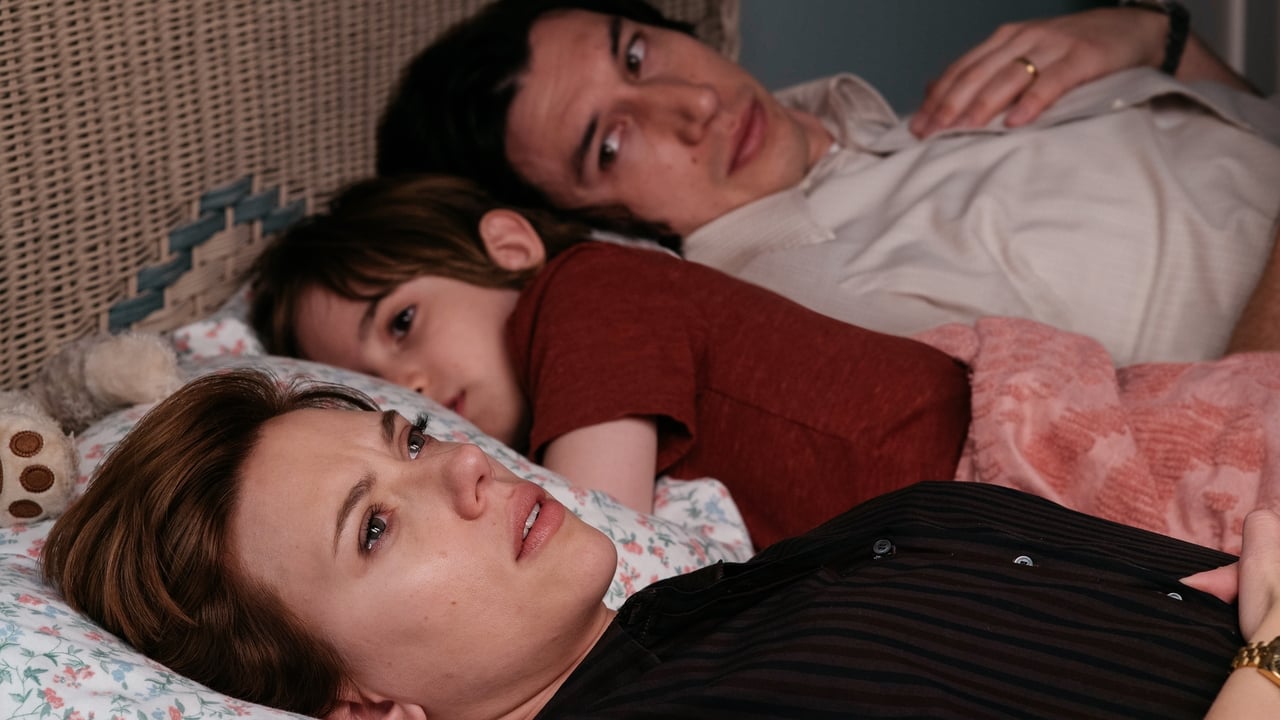
The production details are equally intentional. The score by Randy Newman doesn’t sound like a typical "divorce movie" score; it’s whimsical and slightly old-fashioned, making the modern brutality of the split feel even more jarring. And then, of course, there is the singing. When Charlie stands up in a piano bar to sing "Being Alive" from the musical Company, it isn't just a flashy actor moment. It’s a man finally articulating his own isolation through someone else's words because he’s spent the whole movie being told what to say by lawyers.
Despite being a "Netflix Original," Marriage Story avoids the flat, digital look that plagues a lot of streaming content. Shot on 35mm by Robbie Ryan, it has a grain and a warmth that makes the Barber’s world feel lived-in and real. It feels like a film from the 1970s—think Kramer vs. Kramer—but updated for a world where your private life is a matter of public record and digital footprints.
Marriage Story is an essential piece of contemporary cinema that manages to be both intellectually rigorous and deeply moving. It asks big questions about where one person ends and another begins, and whether a "successful" life is possible after a failed partnership. It’s a film that rewards your attention and stays with you long after the credits roll. Just maybe make sure your couch isn't wet when you sit down to watch it.
Keep Exploring...
-
Instant Family
2018
-
Loving Vincent
2017
-

The Danish Girl
2015
-
While We're Young
2015
-

Manchester by the Sea
2016
-

Paterson
2016
-

The Meyerowitz Stories (New and Selected)
2017
-

Beautiful Boy
2018
-

Roma
2018
-
Portrait of a Lady on Fire
2019
-

Another Round
2020
-
The Trial of the Chicago 7
2020
-

CODA
2021
-
The Fabelmans
2022
-
Past Lives
2023
-
The Holdovers
2023
-
Weathering with You
2019
-

All the Bright Places
2020
-

Sound of Metal
2020
-
King Richard
2021