Midsommar
"Family is a cult. Choose yours wisely."
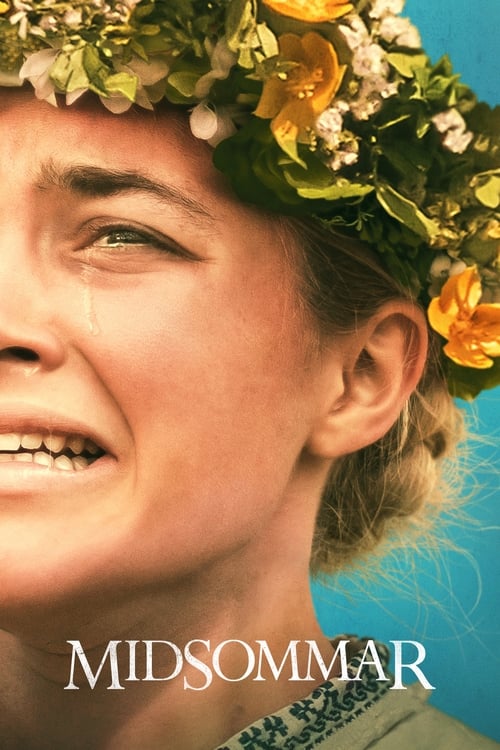
The first time I watched Midsommar, I was sitting in a drafty indie theater eating a bag of slightly stale Swedish Fish. I didn’t realize at the time how ironic—and eventually nauseating—that snack choice would become. By the time the credits rolled, I felt like I had been bleached from the inside out. Ari Aster doesn't just make movies; he crafts invitations to collective trauma, and this 147-minute descent into sun-drenched madness is his most intoxicating RSVP.
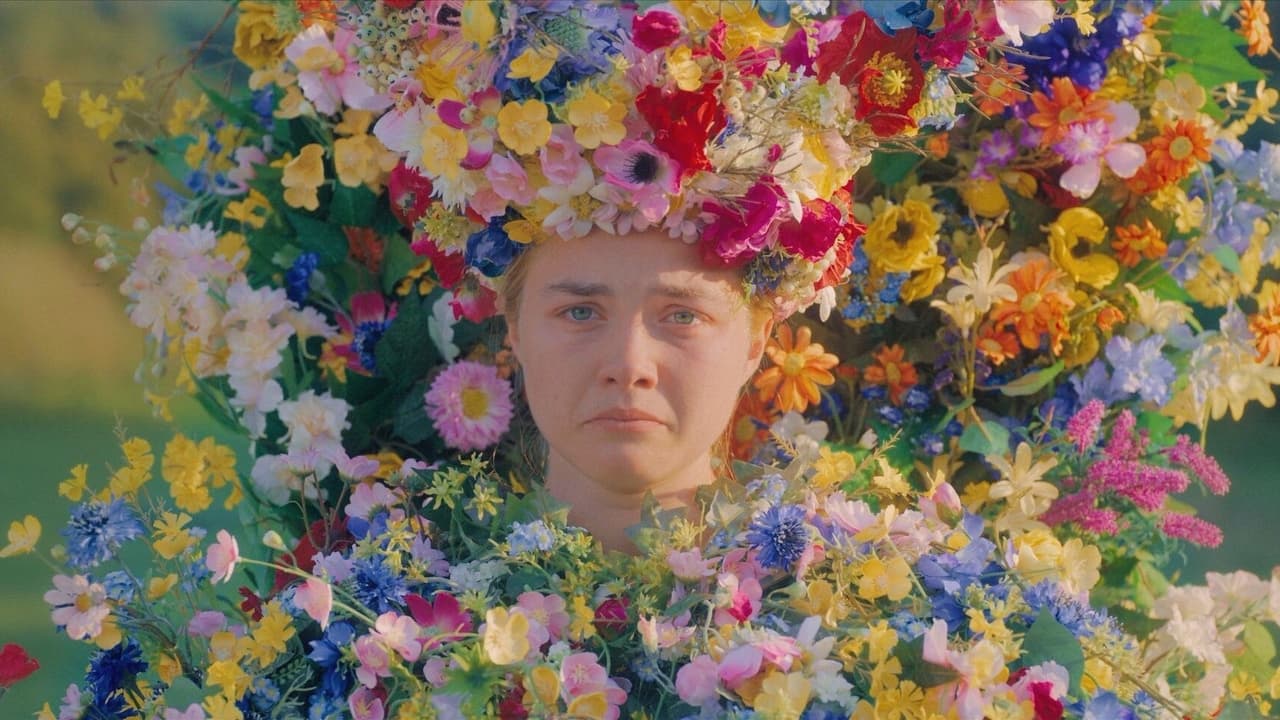
The Brightest Dark Movie Ever Made
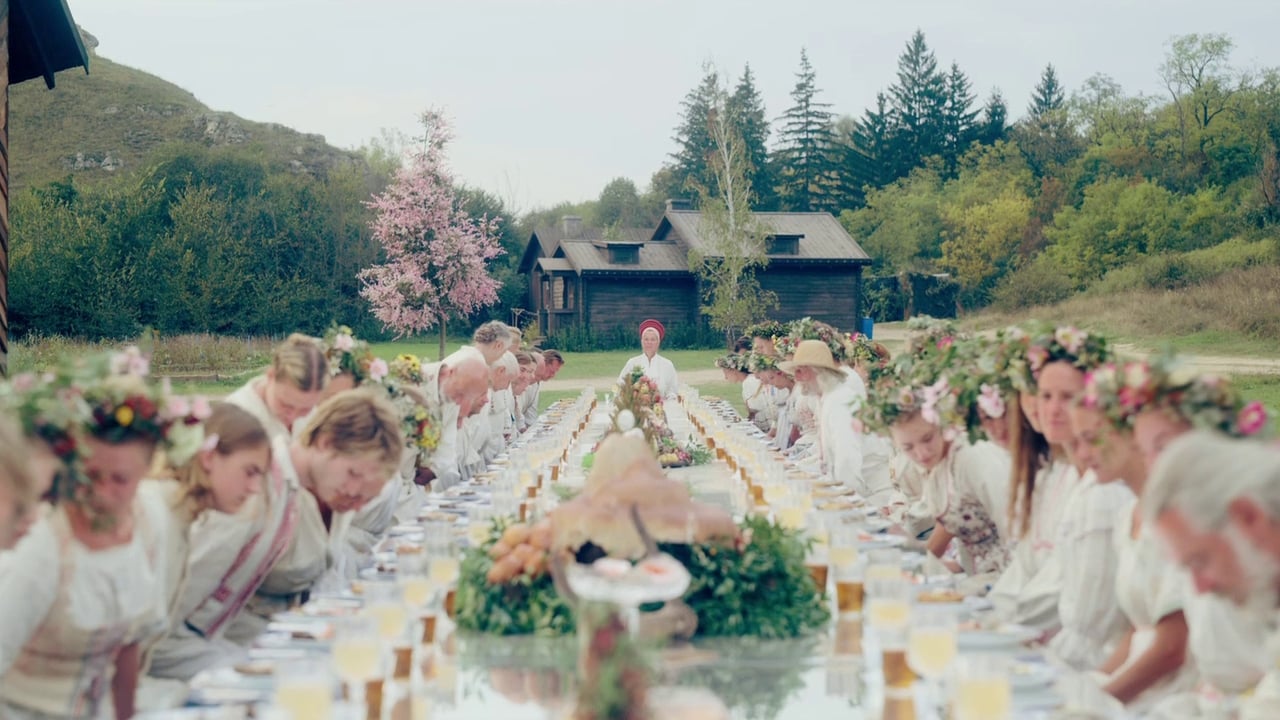
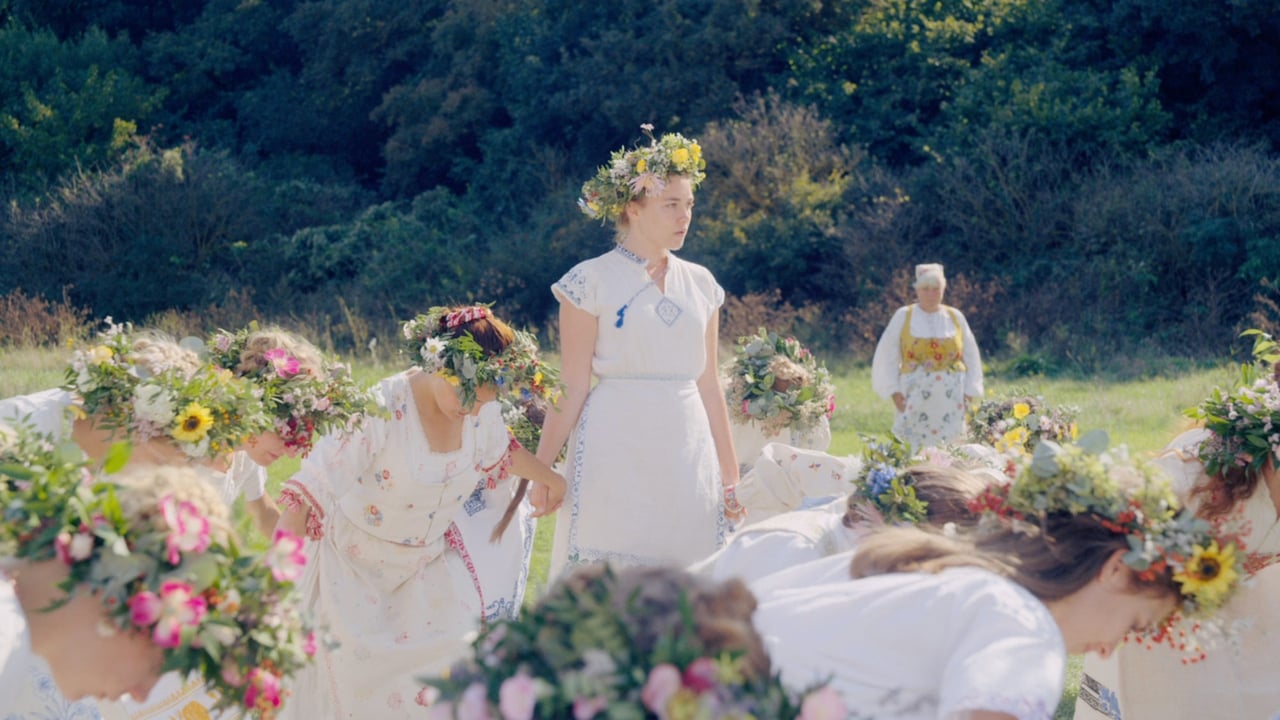
Most horror directors rely on the shadows to hide their monsters. They want you to squint into the corner of the frame, heart hammering, waiting for a jump scare that lives in the dark. Aster does the opposite. In Midsommar, there is nowhere to hide. Set in a remote Swedish commune where the sun refuses to set, the film is perpetually overexposed, bathed in a flat, clinical whiteness that makes the unfolding atrocities feel inevitable.
The story follows Dani, played by a transcendent Florence Pugh, a woman drowning in the wake of a family tragedy so suffocating it practically pulses off the screen. Her boyfriend, Christian (Jack Reynor), is the ultimate gaslighter, a man so emotionally stunted he’s basically the human equivalent of a damp gym towel. He wants to break up with her but lacks the spine to do it, so he invites her on a "boys' trip" to Sweden to study a reclusive pagan cult. It’s a recipe for disaster, served on a bed of wildflowers.
What makes this work so effectively in our current era is how it taps into a very modern anxiety: the fear of being truly alone versus the price of belonging. In the age of social media, where we’re all performing for various "tribes," the Hårga cult’s offer of total communal empathy—feeling exactly what the person next to you feels—is both a dream and a total nightmare.
The Anatomy of a Breakup
While the marketing sold this as a "folk horror" flick in the vein of The Wicker Man, I’ve always viewed it as the most expensive, elaborate "good riddance" letter ever written. The horror isn't just in the ritualistic killings or the hallucinogenic tea; it’s in the agonizingly slow dissolution of a relationship that was dead long before they boarded the plane.
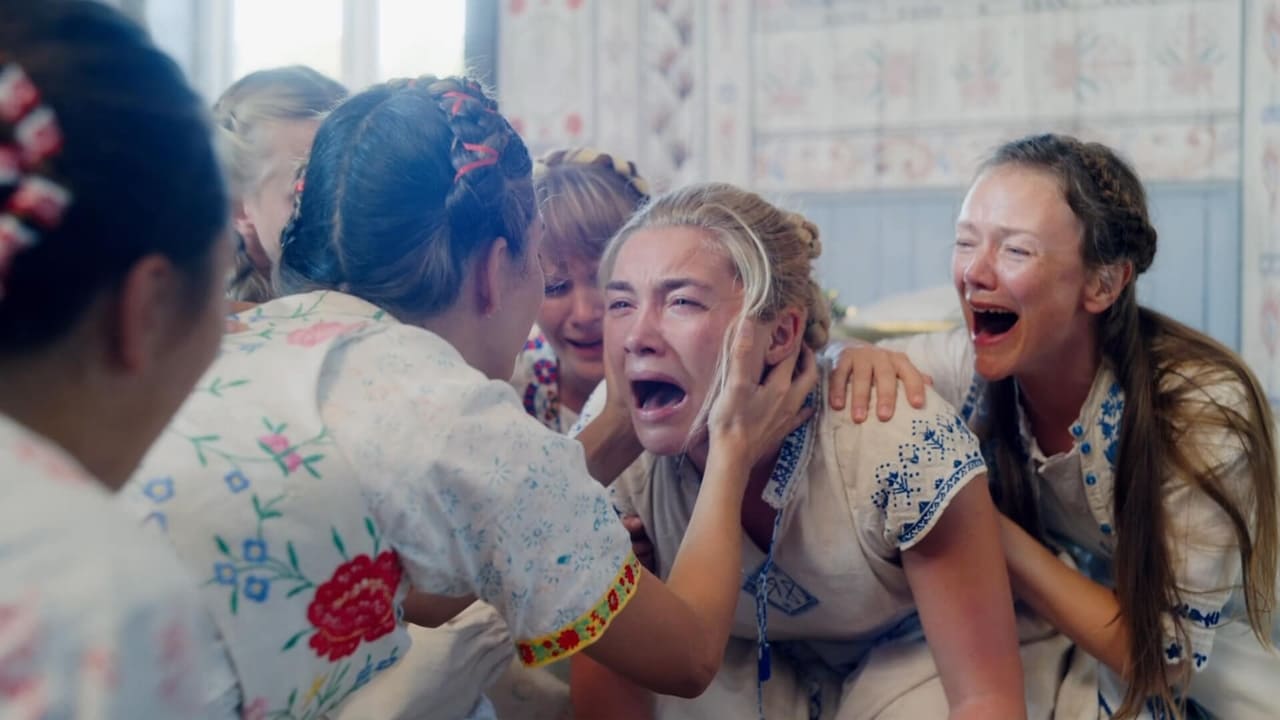
Florence Pugh is the engine here. Her "grief cry"—that guttural, snot-dripping howl—became an instant icon of 2010s cinema. She anchors the film’s more absurd elements, making us believe in her slow-motion seduction by the cult. Meanwhile, the supporting cast fills out the "clueless American" archetypes perfectly. William Jackson Harper brings a frantic, intellectual curiosity as Josh, and Will Poulter provides much-needed (if abrasive) levity as Mark, the guy who manages to disrespect an ancient ancestral tree within five minutes of arrival.
The production design by Henrik Svensson is a character in itself. The murals on the walls of the Hårga dorms literally tell you the entire plot of the movie in the first twenty minutes, but like the characters, we’re too distracted by the pretty colors to realize we’re looking at a roadmap to our own demise. It’s a film that rewards the "pause button" culture of the streaming era; every frame is packed with hidden faces in the trees and subtle movements in the background that suggest the very earth is breathing with the cult.
A Modern Cult Classic (Literally)
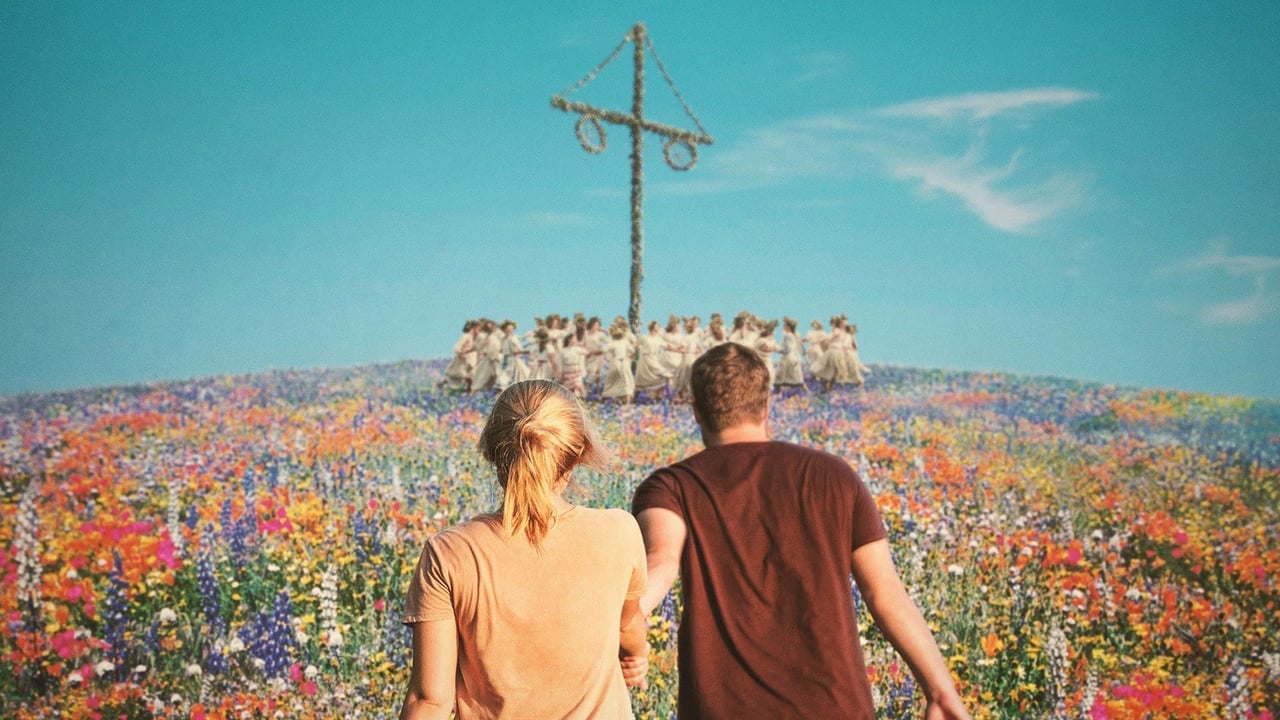
Midsommar didn't just find an audience; it birthed a subculture. Within weeks of its release, "May Queen" flower crowns were a staple of Halloween and Instagram feeds. It’s one of the few contemporary films that successfully transitioned from a theatrical release to a digital phenomenon, fueled by A24’s masterful "lifestyle" marketing (remember the official Hårga bear-in-a-cage toy?).
The trivia behind the scenes is just as obsessive as the fans. For instance, the language the cult speaks—the "Affekt"—was a fully realized 100-page linguistic project. The production actually took place in Hungary, not Sweden, because the Hungarian summer offered more consistent light for the grueling shoot. And that infamous "bear suit"? It was a practical effect that Jack Reynor had to spend hours inside, enduring a claustrophobia that felt all too real for his character’s pathetic end.
What I find most fascinating about its legacy is how the discourse shifted. On release, people argued about whether the ending was "happy." Now, in a world that feels increasingly polarized and lonely, many viewers watch Dani’s final, twisted smile and think, Yeah, I get it. It speaks to the terrifying allure of being "held" by a community, even if that community requires you to sew your ex-boyfriend into a bear and set him on fire.
Midsommar is a masterpiece of atmospheric dread that proves you don't need ghosts or goblins to ruin someone’s day—you just need a bad boyfriend and a lot of sunlight. It’s a heavy, beautiful, and deeply mean-spirited piece of art that lingers in the back of your mind like a sunburn. Watch it with someone you trust, or better yet, watch it right after a breakup to feel truly seen. Just maybe skip the Swedish Fish.
Keep Exploring...
-
Hereditary
2018
-

Suspiria
2018
-

Wind River
2017
-
Black Mirror: Bandersnatch
2018
-
Fear Street: 1978
2021
-

The House That Jack Built
2018
-

Last Night in Soho
2021
-
Sherlock: The Abominable Bride
2016
-
Ghostland
2018
-
Twin Peaks: Fire Walk with Me
1992
-
It Comes at Night
2017
-
It
2017
-
A Quiet Place
2018
-

Dark Waters
2019
-
Bones and All
2022
-
The Outfit
2022
-

Missing
2023
-
Saw X
2023
-
Frankenstein
2025
-

Paper Towns
2015