Miracle in Cell No. 7
"Justice is blind, but love sees everything."
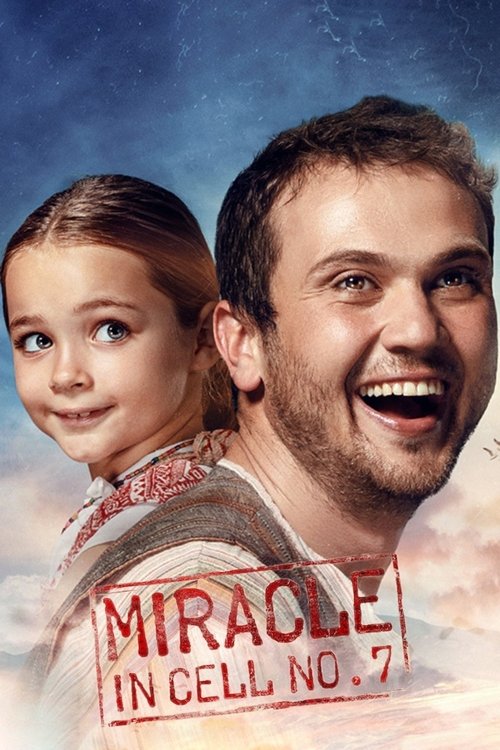
I walked into the 2019 Turkish remake of Miracle in Cell No. 7 with a healthy dose of skepticism and a very dry, very stale sesame bagel. I’ve seen the 2013 South Korean original, and usually, when a film is remade for a different market, the emotional gears get stripped in the transition. But halfway through, I was so busy trying to swallow around the lump in my throat that the bagel was completely forgotten. It’s the kind of movie that feels less like a viewing experience and more like a deliberate assault on your tear ducts.

If you spent any time on social media during the 2020 lockdowns, you probably saw this film’s title trending. It became a global phenomenon through the "Netflix effect," where a regional prestige drama suddenly finds itself being dissected by viewers in Brazil, France, and the Midwest simultaneously. It’s a fascinating byproduct of our current streaming era: a Turkish military-era drama became the universal language for "I need a good cry."
The Holy Fool in the Panopticon
At the center of this storm is Memo, played with an almost frightening level of commitment by Aras Bulut İynemli. Memo is a father with an intellectual disability living in a scenic Aegean village in 1983. When he is falsely accused of causing the death of a high-ranking commander’s daughter, he is thrown into a world of concrete and cruelty. İynemli (who many might know from the gritty series Çukur) avoids the "simpleton" caricatures that often plague these roles. There is a specific, nervous energy to his movement that feels grounded rather than theatrical.
The film leans heavily into the "Holy Fool" archetype—the idea that the person society deems "lesser" is actually the only one possessing true moral clarity. It’s a philosophical trope as old as Dostoyevsky, but Mehmet Ada Öztekin’s direction gives it a contemporary weight. By setting the film against the backdrop of the 1980 Turkish coup d'état aftermath, the story transforms from a simple melodrama into a quiet critique of institutional rigidity. The prison isn't just a building; it’s a microcosm of a society where "order" is valued more than "truth." I’ve seen plenty of prison dramas, but this one treats the walls as psychological barriers that only Memo’s sheer lack of guile can penetrate.
Earning the Emotional Toll

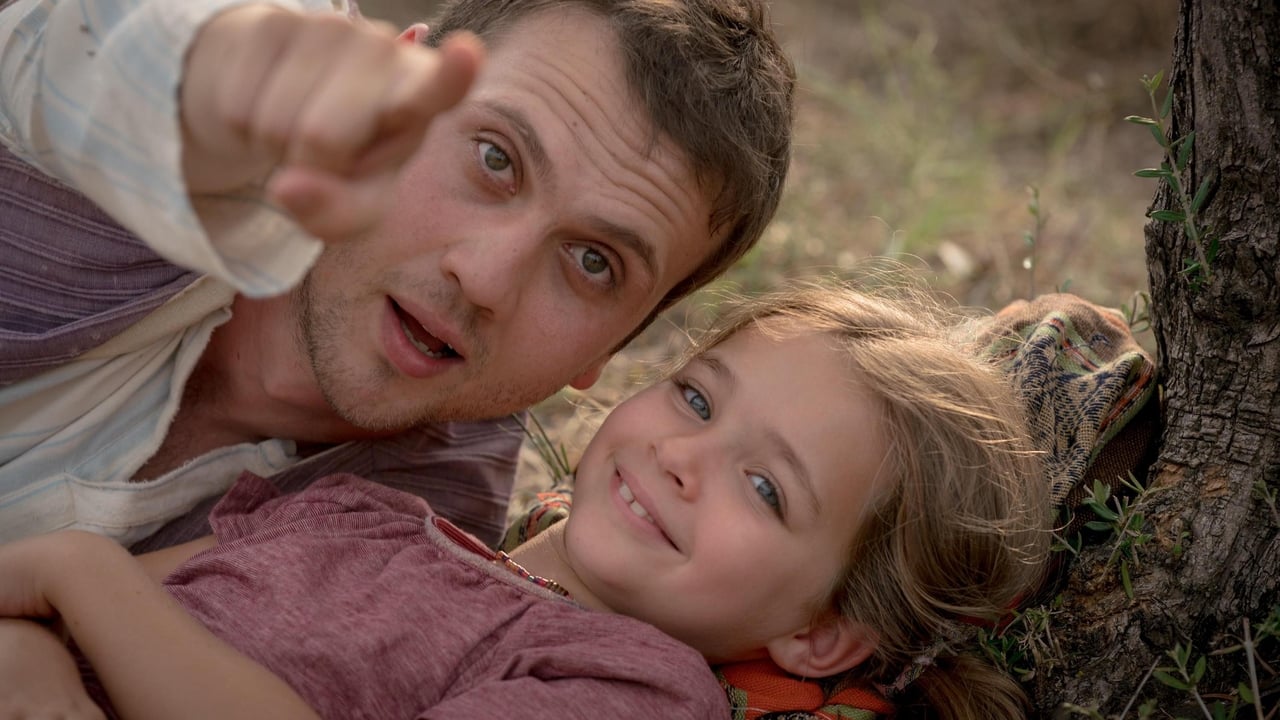
We have to talk about Nisa Sofiya Aksongur, who plays Memo's daughter, Ova. Child acting is a minefield of potential annoyance, but her chemistry with İynemli is the film's literal heartbeat. When they shout their signature call-and-response—"Lingo, lingo!" "Şişeler!"—it doesn't feel like a scripted quirk; it feels like a private language shared by two people who are the only ones in on the joke.
Does the film manipulate you? Absolutely. It uses Hasan Özsüt’s sweeping, melancholic score like a scalpel. But in an era where so many blockbusters feel digitally sterilized and emotionally distant, there’s something refreshing about a film that isn't afraid to be unabashedly, aggressively sentimental. It takes the "prestige drama" template—beautiful cinematography, heavy themes, long runtimes—and fills it with a raw, populist heart. I found myself analyzing the lighting in the cell—the way the sun hits the dust motes to suggest a holiness in the mundane—while simultaneously wiping my eyes with the back of my hand.
Behind the Bars and the Camera
The production history of this version is a masterclass in "localizing" a story. While the Korean original leaned into some slapstick elements, the Turkish writers, Kubilay Tat and Özge Efendioğlu, opted for a more grounded, somber tone that fits the historical setting. It paid off: it wasn't just a streaming hit; it was Turkey’s official entry for the 93rd Academy Awards.
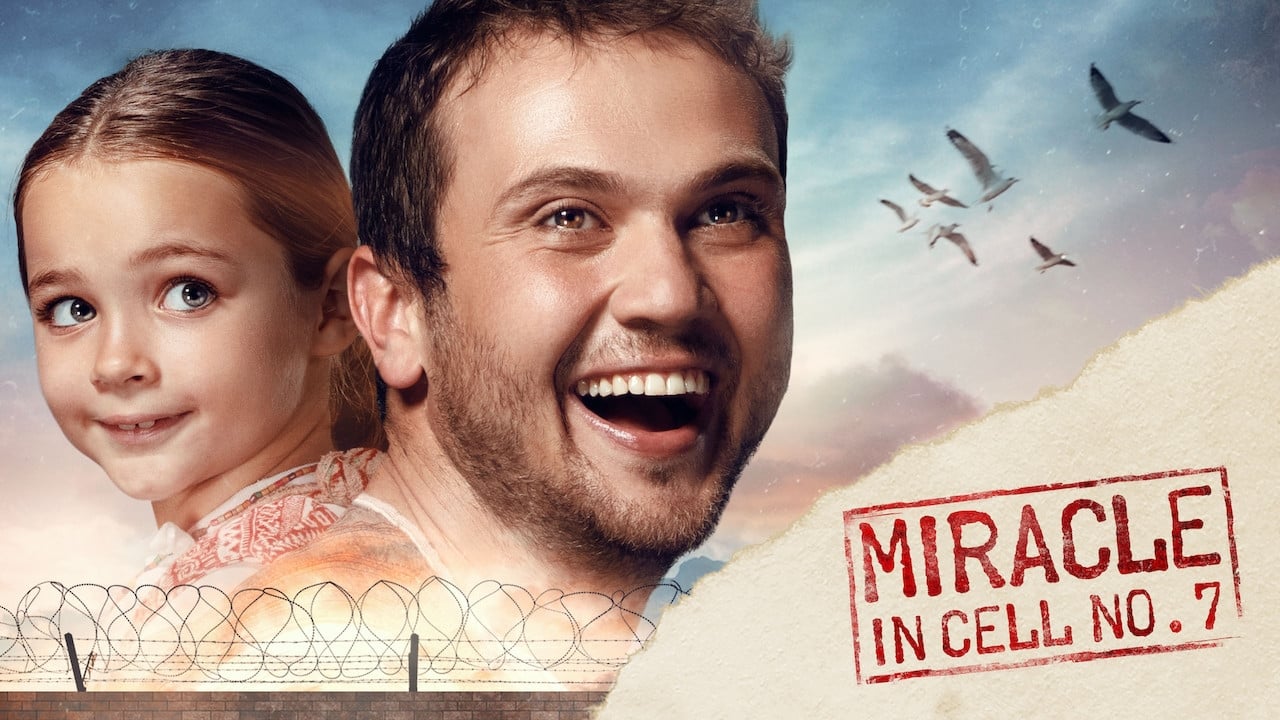
Interestingly, the film’s box office success (it was a massive theatrical hit in Turkey before hitting Netflix) proved that audiences are still hungry for human-scale stories in a market saturated by franchise IP. There are no capes here, just a man in a white undershirt who loves his daughter. Apparently, the prison set was built specifically for the film to allow for those sweeping, claustrophobic tracking shots, and you can feel that intentionality in every frame. It doesn't look like a TV movie; it has the texture of high-end cinema.
One of the more fascinating "trivia" bits is how the cast prepared. İynemli reportedly spent time with psychologists and families of individuals with intellectual disabilities to ensure his portrayal wasn't a parody. That preparation is what saves the film from being "awards bait." It feels like a genuine attempt to understand a different way of being in the world.
Ultimately, Miracle in Cell No. 7 succeeds because it trusts its audience to care. It asks a heavy question: in a world governed by power and vengeance, is there room for innocence? It’s a film that demands you put down your phone, ignore your stale bagel, and just feel something for two hours. While it occasionally wanders into the "too convenient" territory in its final act, the emotional payoff is so profound that you’ll likely forgive it. Just make sure you have a box of tissues—or a very absorbent sleeve—nearby.

Keep Exploring...
-
Spotlight
2015
-

Straight Outta Compton
2015
-

A Silent Voice: The Movie
2016
-

Captain Fantastic
2016
-

Lion
2016
-

Perfect Strangers
2016
-

The Greatest Showman
2017
-

Wonder
2017
-

Love, Simon
2018
-

Midnight Sun
2018
-

Five Feet Apart
2019
-

Ford v Ferrari
2019
-

Little Women
2019
-
The Father
2020
-

Finch
2021
-
Guillermo del Toro's Pinocchio
2022
-

Society of the Snow
2023
-

The Wild Robot
2024
-

Mustang
2015
-

F1
2025