Pain and Glory
"The director’s most intimate cut is his own life."
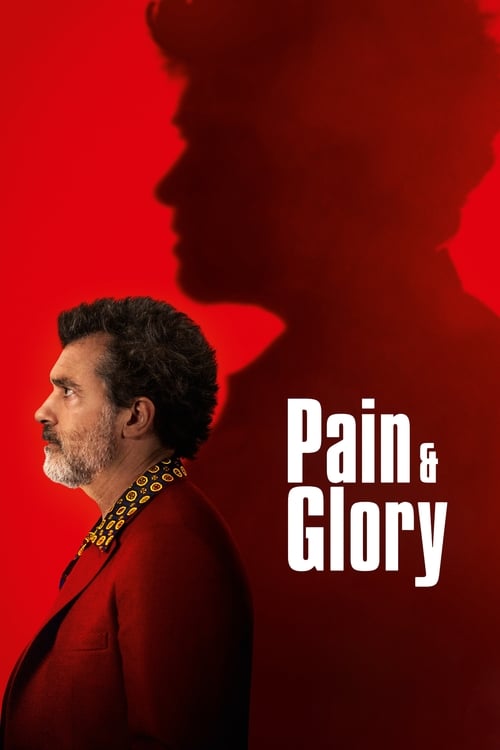
I remember watching this in a theater where the air conditioning was cranked so high I felt like I was being cryogenically frozen. I spent the first twenty minutes huddled into my hoodie, shivering, which, in a strange stroke of luck, made me feel incredibly attuned to the physical fragility of the man on screen. When you’re watching a movie about a guy whose back is held together by staples and hope, a little ambient physical discomfort actually goes a long way.
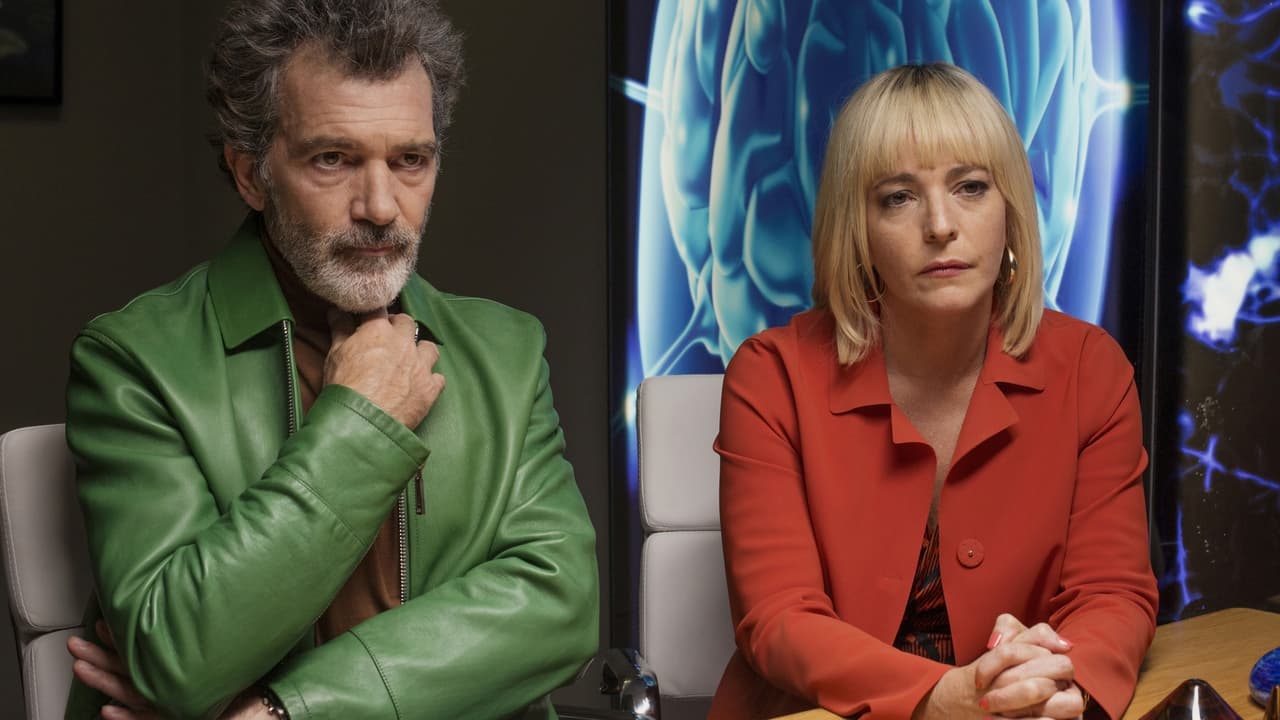
Pain and Glory (or Dolor y gloria) arrived in 2019 as a sort of shimmering, melancholic miracle. In a cinematic landscape currently dominated by "content" designed to be scrolled past or binged in a weekend, Pedro Almodóvar handed us something that felt dangerously like a confession. It’s a late-career masterpiece that manages to be meta without being obnoxious, proving that watching a director’s self-insert therapy session shouldn't be this entertaining, but Pedro makes narcissism look like a holy ritual.
The Anatomy of an Ailing Artist
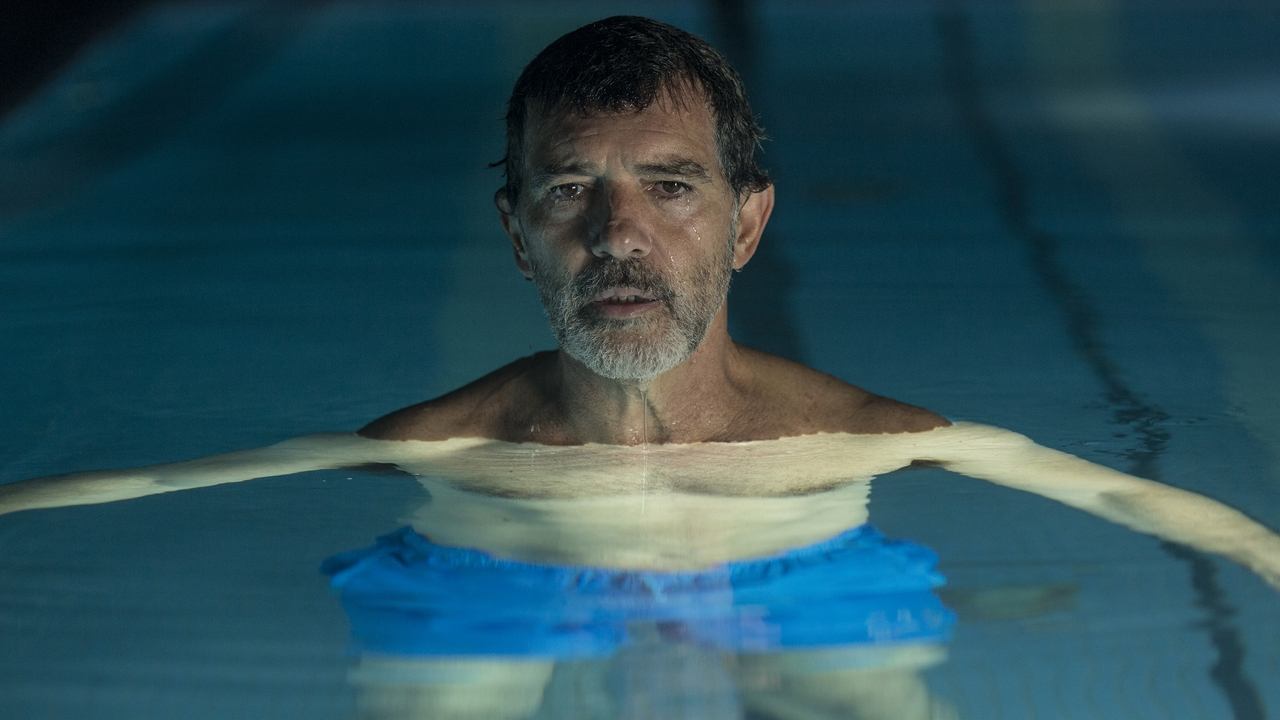
The film follows Salvador Mallo, a legendary filmmaker who has essentially retired because his body has declared war on his soul. He’s got back pain, headaches, choking fits, and a general sense of "why bother?" that feels painfully relatable to anyone who has ever hit a creative wall. Antonio Banderas plays Salvador, and if you’ve followed his career from the high-octane days of Desperado or his earlier, manic collaborations with Almodóvar like Law of Desire, his performance here will wreck you.
He isn't just acting; he’s channeling. Banderas famously wore Almodóvar’s actual clothes and filmed many scenes inside a replica of the director’s real Madrid apartment. He even sports the director’s signature vertical hairstyle. But the brilliance isn't in the mimicry; it’s in the stillness. Banderas, who suffered a real-life heart attack in 2017, brings a quiet, vibrating vulnerability to the role. He moves like a man made of glass, and when he finally encounters an old flame, Federico (Leonardo Sbaraglia), the chemistry is so thick you could bottle it and sell it as a luxury fragrance.
A Kaleidoscope of Memory
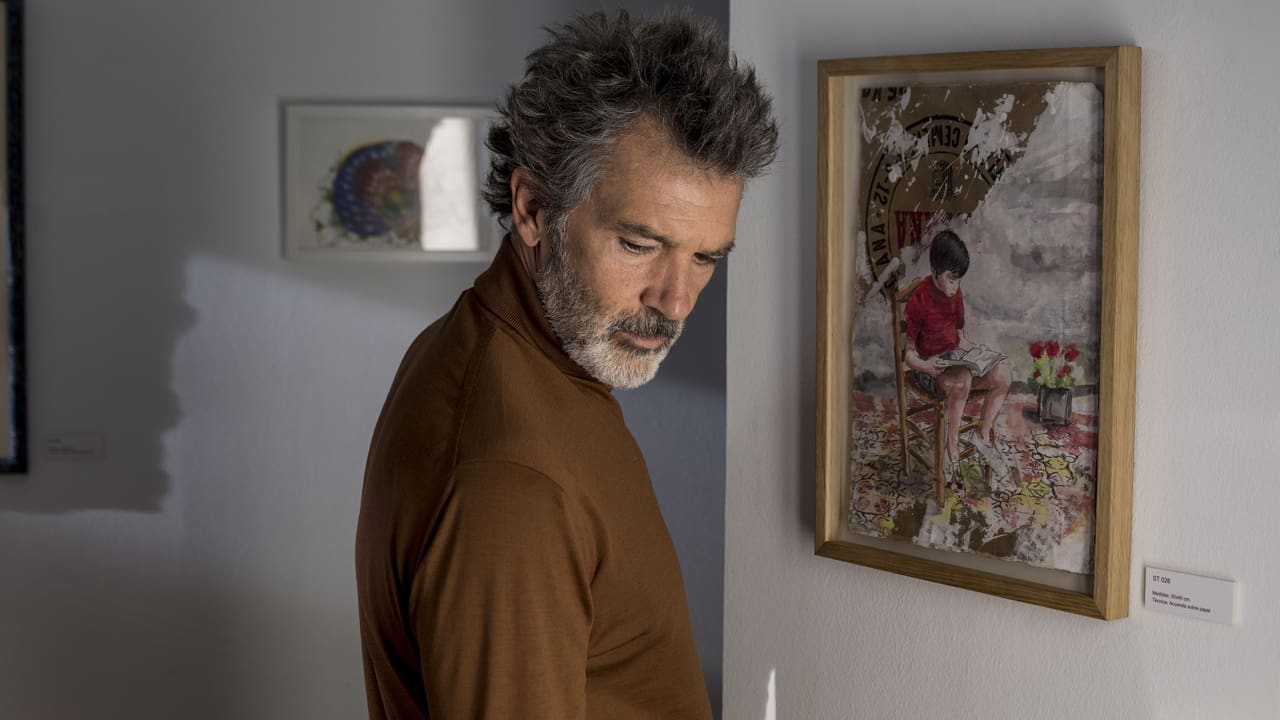
The "Glory" of the title comes from the flashbacks. We’re whisked away to the 1960s, where a young Salvador lives in a literal cave with his mother, Jacinta. Played by Penélope Cruz with a grounded, sun-drenched ferocity, this version of Jacinta is the engine that keeps the family running. These scenes are shot with a richness that makes you want to reach out and touch the white-washed walls.
What struck me most about this "contemporary" era of filmmaking is how Almodóvar uses technology and modern pacing to tell a story that feels ancient. He’s not interested in the frantic editing of a Marvel movie. Instead, he uses José Luis Alcaine’s cinematography to turn a simple red cabinet or a bowl of fruit into a high-definition emotional trigger. The film engages with the current moment by rejecting its noise. It’s a slow-burn reckoning with the fact that we are all just a collection of the people we’ve loved and the mistakes we’ve never quite finished apologizing for.
One of the most fascinating bits of behind-the-scenes trivia is that Asier Etxeandia, who plays the heroin-using actor Alberto, was actually in a real-life spat with Almodóvar years prior after a casting disagreement. Almodóvar channeled that real-world tension into the script, turning their reconciliation into the spine of the film’s first act. It’s that blurring of reality and fiction that makes the movie feel so lived-in.
The Art of the Comeback

There’s a scene involving a monologue called "The Addiction" that Alberto performs on a bare stage. It’s a movie within a play within a movie, and it should feel like a theater-student's fever dream, but it works perfectly. It captures that specific contemporary anxiety: the fear that our best work is behind us and that we’re just recycling our traumas for an audience that doesn't really care.
I usually find "movies about making movies" to be a bit of a cinematic circle-jerk, but Pain and Glory avoids the trap by focusing on the need to create rather than the mechanics of it. It’s about the salvation found in a camera lens. By the time the final reveal happens—which I won’t spoil, though it’s less of a "twist" and more of a beautiful "oh" moment—the film has earned every ounce of its sentimentality. It’s a reminder that even in an age of streaming algorithms, a singular, weird, colorful human voice still matters.
Pain and Glory is a vibrant, soul-aching triumph that proves Antonio Banderas is one of the finest actors of his generation when he’s given something meatier than a voice-acting gig for a CGI cat. It’s a film that demands you sit still, put your phone in another room, and actually feel something. I walked out of that freezing theater into the humid night air feeling like I’d just had a long, difficult, but necessary conversation with an old friend. If you have a heart, this movie will find a way to bruise it—in the best way possible.

Keep Exploring...
-

Parallel Mothers
2021
-
Julieta
2016
-
The Skin I Live In
2011
-
Talk to Her
2002
-
Bad Education
2004
-

Volver
2006
-
All About My Mother
1999
-
Women on the Verge of a Nervous Breakdown
1988
-
Mirage
2018
-
The 33
2015
-
Anomalisa
2015
-
Beasts of No Nation
2015
-
Bāhubali: The Beginning
2015
-

Dope
2015
-
Eye in the Sky
2015
-

Far from the Madding Crowd
2015
-

Land of Mine
2015
-
Macbeth
2015
-
Mr. Holmes
2015
-

Pawn Sacrifice
2015