Pet Sematary
"Dead is better, but the box office says otherwise."
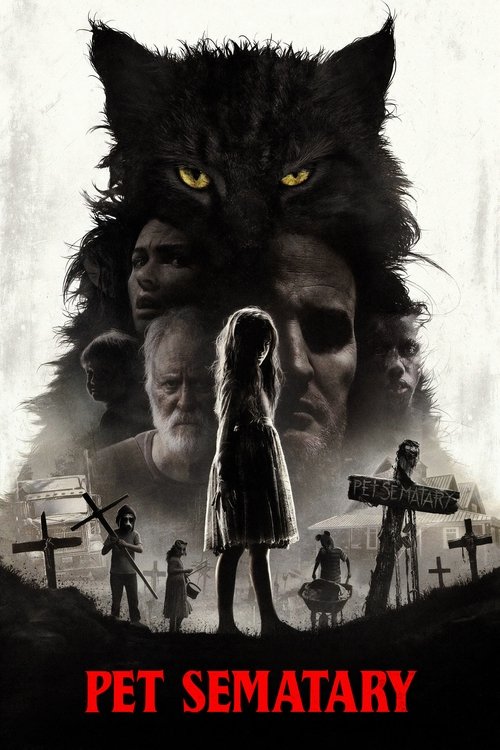
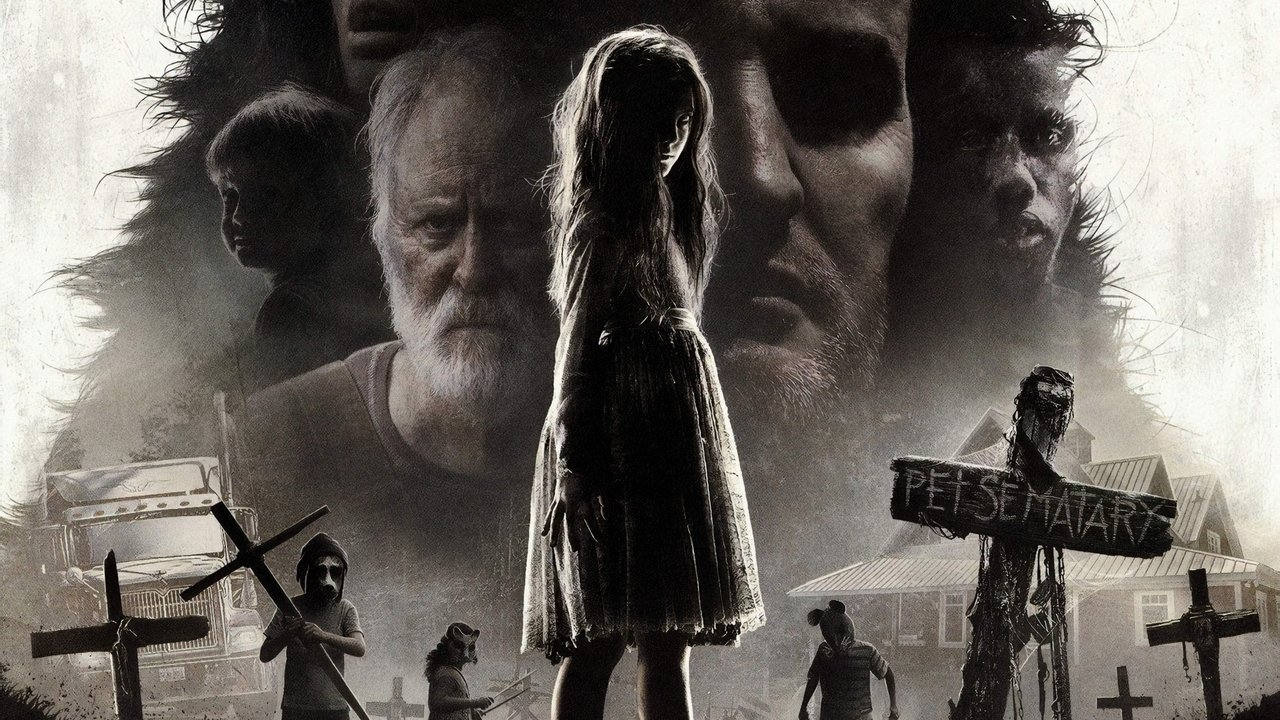
The first time I saw a trailer for the 2019 reimagining of Pet Sematary, I was sitting in a half-empty theater clutching a tub of popcorn so salty it felt like a personal assault on my kidneys. When the screen revealed that it was the daughter, Ellie, who gets hit by the truck instead of little Gage, the entire audience let out a collective, sharp intake of breath. It was a "sacrilege" moment that signaled exactly what directors Kevin Kölsch and Dennis Widmyer (who previously gave us the cult indie hit Starry Eyes) were aiming for: a movie that knew you’d read the book, seen the 1989 original, and were ready to have your expectations buried in the "sour soil" of the Maine woods.
I watched this particular reboot on a rainy Tuesday evening while eating a bowl of lukewarm leftover pad thai that I suspected might also be "turned," much like Church the cat. It’s a film that exists squarely in our current "Legacy Sequel/Reboot" era—a time when every piece of IP from the 80s is being exhumed, dusted off, and given a high-contrast, moody makeover for a generation that demands their horror with a side of "generational trauma" subtext.
Turning the Soil on a Classic
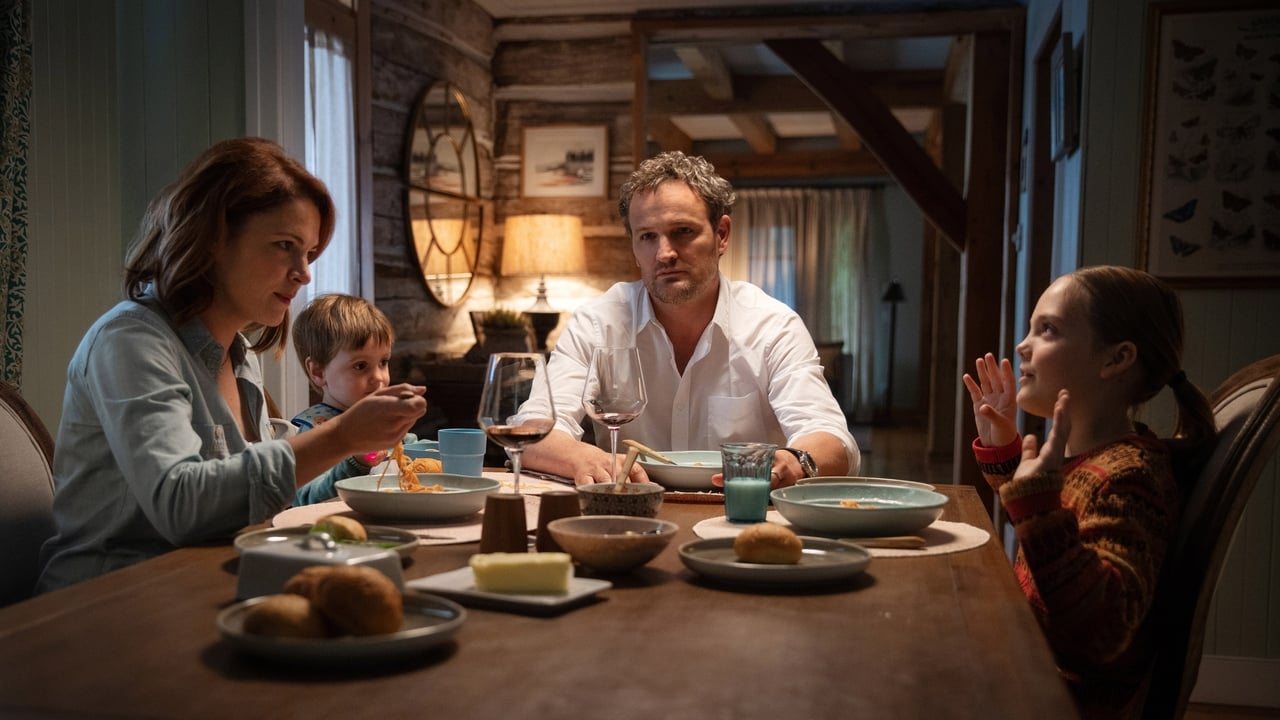
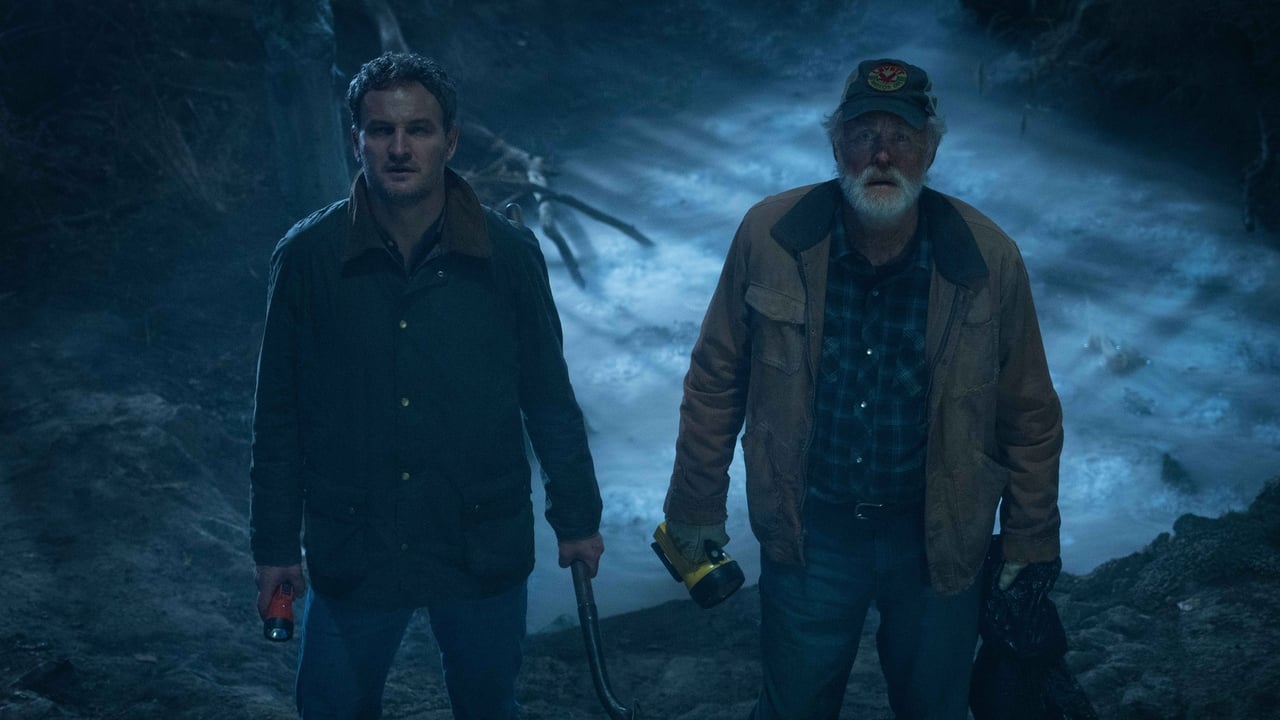
The setup is familiar: Jason Clarke (Dawn of the Planet of the Apes) plays Louis Creed, a doctor seeking a quieter life in Ludlow, Maine. Amy Seimetz (The Killing) is his wife Rachel, who is still haunted by the most terrifying sister in cinematic history, Zelda. They bring their kids to a house that sits dangerously close to a highway where Orinco trucks thunder past like prehistoric beasts. John Lithgow (Dexter) steps into the monumental shoes of Jud Crandall, playing the role with a weary, grandfatherly sadness that differs from Fred Gwynne’s iconic, folksy take.
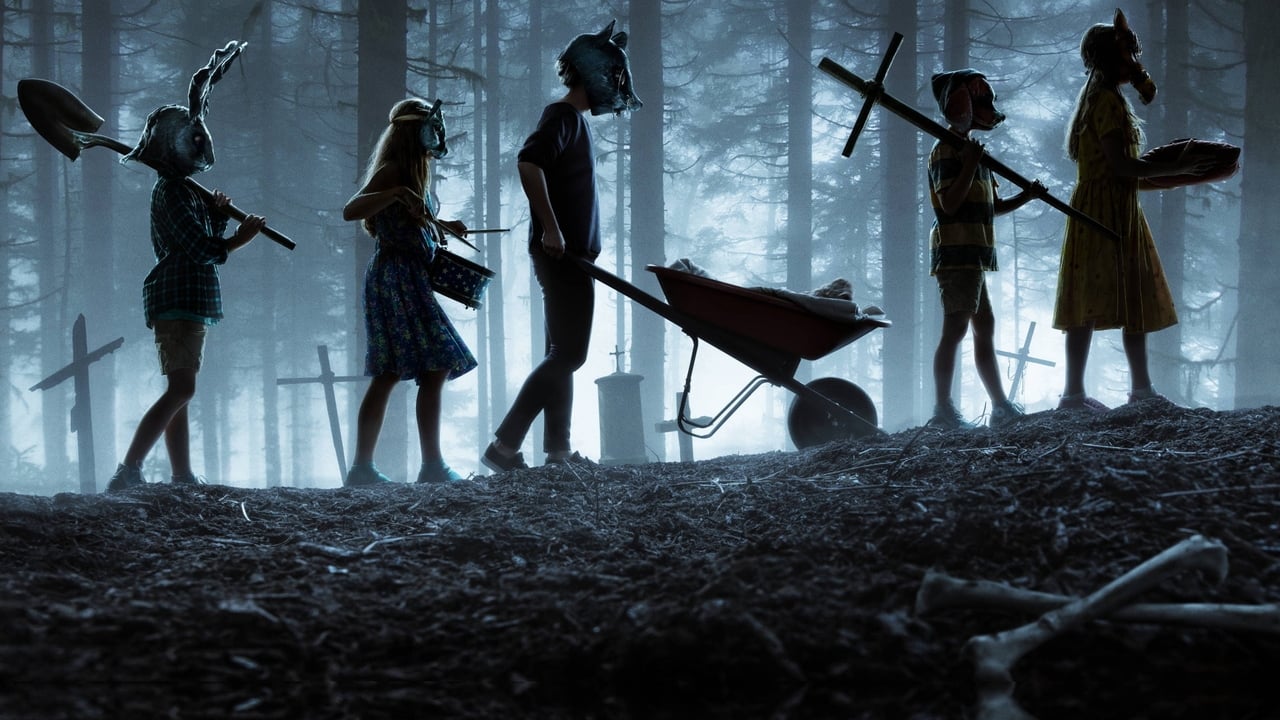
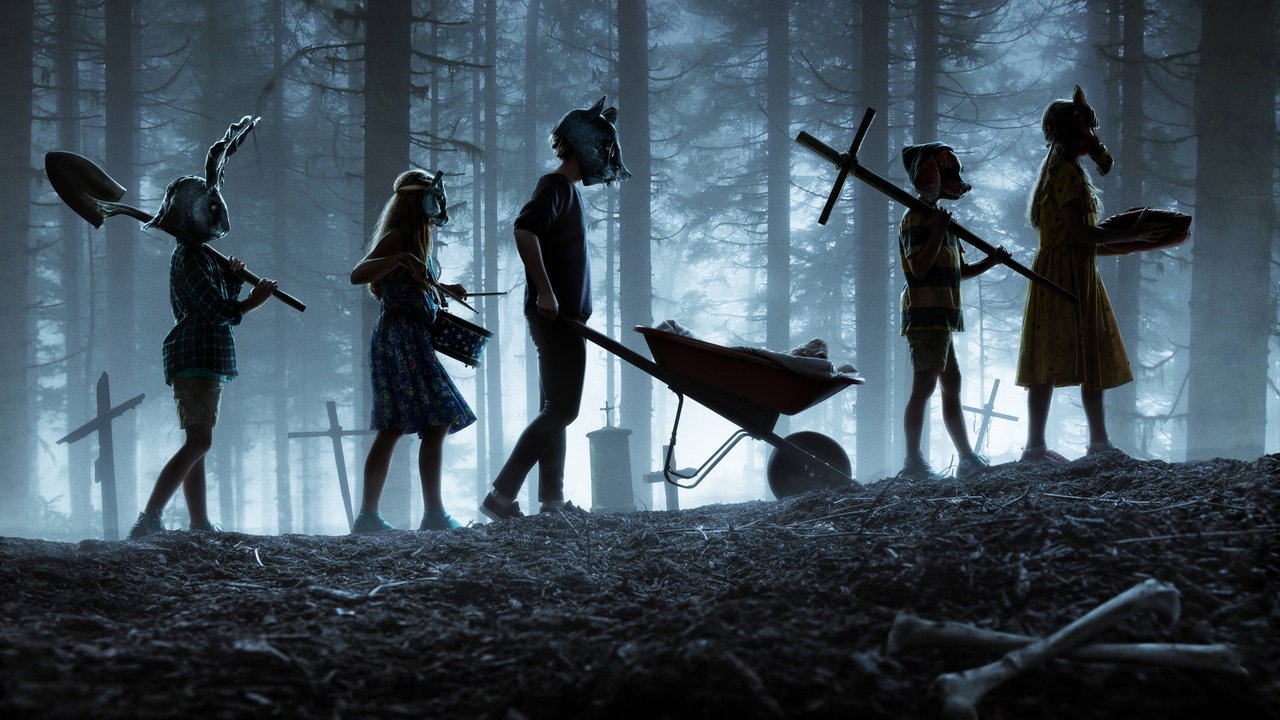
The atmosphere is thick enough to choke a horse. This isn't the bright, suburban dread of the 80s; it’s a forest of fog, damp leaves, and deep shadows. The film leans heavily into the dread of knowing what’s coming. We know the cat dies. We know the woods are "bad." The filmmakers use this meta-knowledge to play with us, stretching out the tension until it snaps. When the inevitable tragedy strikes, the movie shifts from a standard spook-fest into something much grimmer and more nihilistic.
The Business of Death
In this era of franchise dominance, Pet Sematary (2019) was a calculated but highly successful gamble. Released right in the middle of a "Stephen King Renaissance" sparked by the massive success of IT (2017), it managed to pull in a worldwide box office of over $113 million against a modest $21 million budget. That’s a massive win for Paramount Pictures, proving that audiences still have a bottomless appetite for King’s brand of Maine-grown misery.
Interestingly, the marketing campaign was a bit of a lightning rod for social media discourse. The decision to reveal the "Ellie swap" in the trailers polarized fans before the movie even hit theaters. Some felt it spoiled the biggest twist, while others argued it was necessary to show how this version would differ from the 1989 film. Regardless of the chatter, the numbers don't lie: people showed up. The film also benefited from the "prestige horror" trend, utilizing Christopher Young’s oppressive, discordant score to elevate the material above simple jump-scare territory. The cat, Leo (one of several Maine Coons used), is a better actor than half the cast of most MCU films, providing a genuinely chilling performance as the matted, hissing undead version of Church.
Scares for a Skeptical Age
Does it actually work, though? As someone who considers the original novel a foundational text of my childhood nightmares, I found this version technically superior but emotionally colder. The special effects are seamless—gone is the slightly goofy 80s makeup, replaced by subtle, unsettling prosthetic work that makes the resurrected characters look "wrong" in a way that triggers your lizard brain's fight-or-flight response. The Zelda flashbacks are particularly nasty, leaning into a more grounded, medical body horror that felt very "of the moment" for 2019 cinema.
However, the film sometimes struggles with the "Franchise Fatigue" problem. It feels like it’s trying to check boxes for a modern audience—more gore, faster pacing, and a "shock" ending that feels designed specifically to start conversations on Reddit. While Jeté Laurence is absolutely phenomenal as the undead Ellie—balancing childlike innocence with a predatory, ancient malice—the movie's final act rushes toward a conclusion that lacks the heartbreaking weight of the original's "God help us" ending.
Ultimately, Pet Sematary (2019) is a solid, professional piece of contemporary horror that understands the mechanics of fear but misses some of the soul. It’s a perfect "Friday night with the lights off" movie that benefits from John Lithgow’s gravitas and some genuinely creepy set pieces. It reflects our current cinematic landscape perfectly: polished, profitable, and perhaps a little too aware of its own legacy to truly breathe on its own. It’s worth a watch for Jeté Laurence's performance alone, but you might find yourself reaching for the book afterward to remember why you were afraid of the dark in the first place.
Keep Exploring...
-
Insidious: Chapter 3
2015
-

Resident Evil: The Final Chapter
2016
-

The Purge: Election Year
2016
-

The Shallows
2016
-
Annabelle: Creation
2017
-

Jigsaw
2017
-

Halloween
2018
-

Insidious: The Last Key
2018
-

The First Purge
2018
-
The Nun
2018
-
Annabelle Comes Home
2019
-
Escape Room
2019
-
The Curse of La Llorona
2019
-
The Prodigy
2019
-
Halloween Kills
2021
-
Halloween Ends
2022
-
Scream
2022
-
Smile
2022
-
Insidious: The Red Door
2023
-
The Exorcist: Believer
2023