Pinocchio
"A fairytale with sawdust in its veins."

Forget the singing crickets and the blue sparkles. When I sat down to watch Matteo Garrone’s 2019 adaptation of Pinocchio, I wasn’t expecting a whimsical trip through a candy-coated Italy. Instead, I found myself transported to a world that felt thick with the scent of damp earth and old pine. I actually watched this while wearing a pair of particularly itchy wool socks, and honestly, the slight discomfort only heightened the experience. It made me feel exactly like one of the impoverished characters scratching out a living in Garrone’s beautiful, gritty landscape.
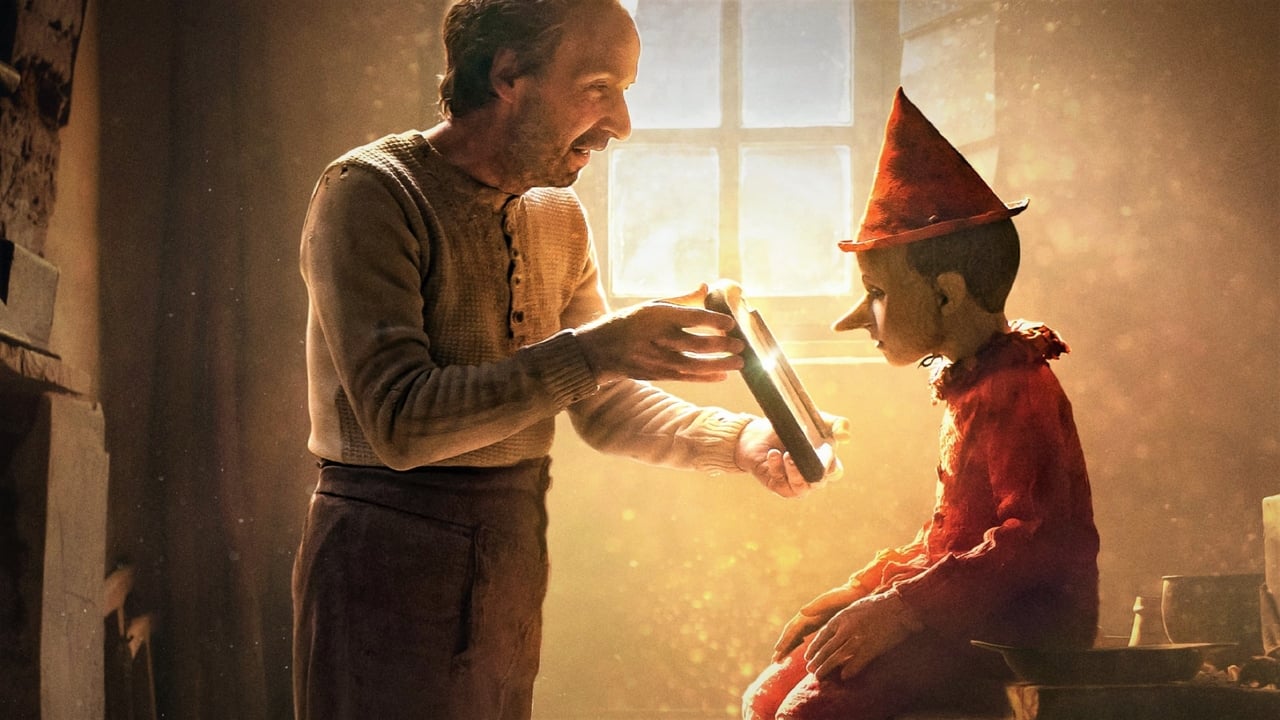
For those of us drowning in the sea of "live-action" remakes that look like they were rendered on a laptop during a lunch break, this film is a shock to the system. It’s a contemporary film that feels ancient. While Disney was busy making a sterile, digital version of the same story, Garrone—the man who gave us the brutal crime drama Gomorra—decided to go back to Carlo Collodi’s original 1883 serial. The result isn't a "family movie" in the modern, sanitized sense; it’s a folk tale that understands that children are actually quite fond of a little bit of nightmare fuel.
The Beauty of Real Bark and Mortar
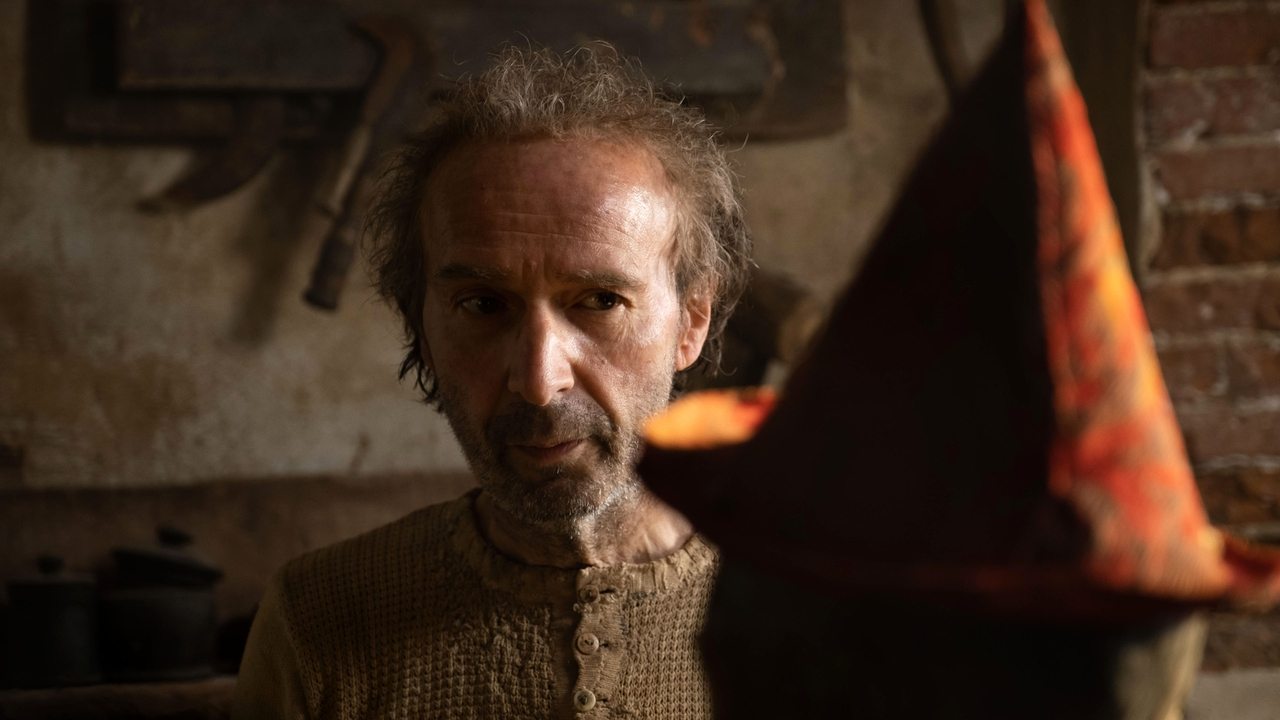
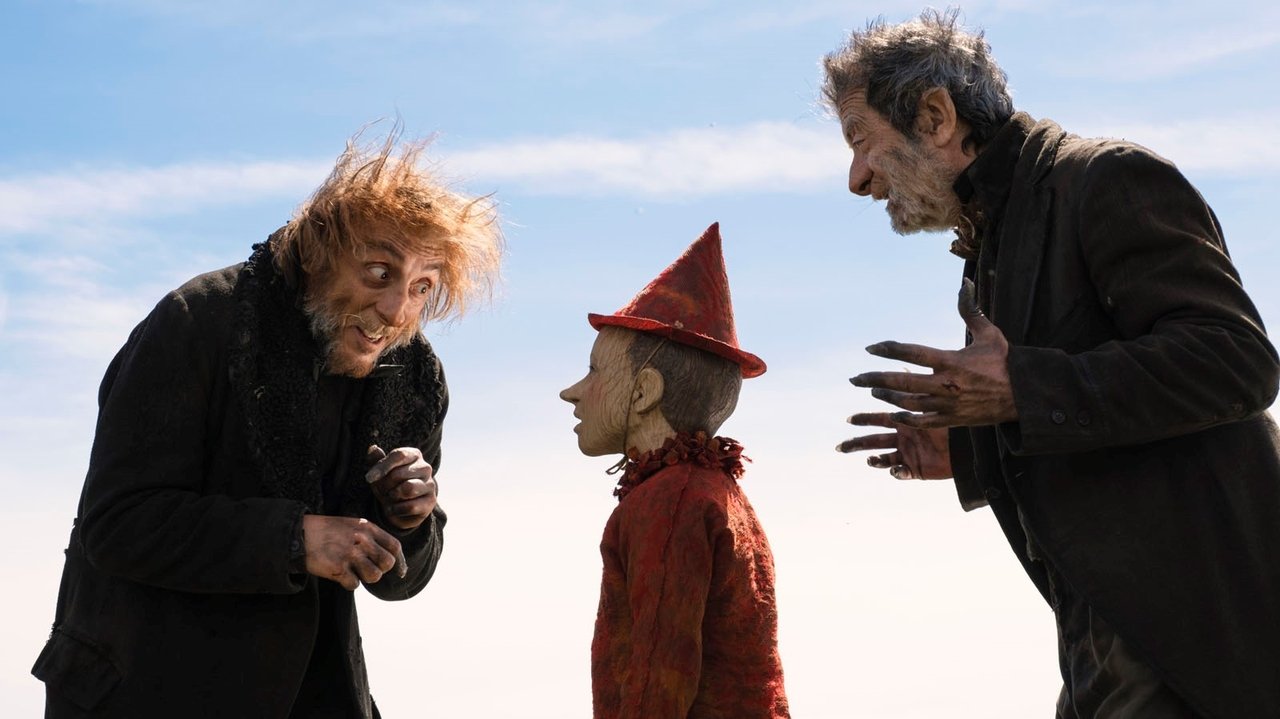
What strikes me immediately is the texture. In an era where "Virtual Production" and LED volumes (The Mandalorian style) are becoming the industry standard, Garrone chooses the hard way. He shoots in the sun-drenched, crumbling villas of Tuscany and Puglia. The dirt under the fingernails of Roberto Benigni’s Geppetto isn't CGI; it’s actual Italian soil.
Benigni is the soul of this film. It’s a bit of a meta-redemption arc for him, considering his own 2002 Pinocchio was a legendary cinematic train wreck that saw a 50-year-old man trying to play a wooden boy. Here, as the father, he is heartbreakingly fragile. His Geppetto isn't just a jolly toy-maker; he’s a man so desperately poor he sells his only coat to buy an alphabet book for a son made of logs. When he dances with joy after Pinocchio first speaks, it doesn't feel like "acting"—it feels like a man who has finally found a reason to breathe.
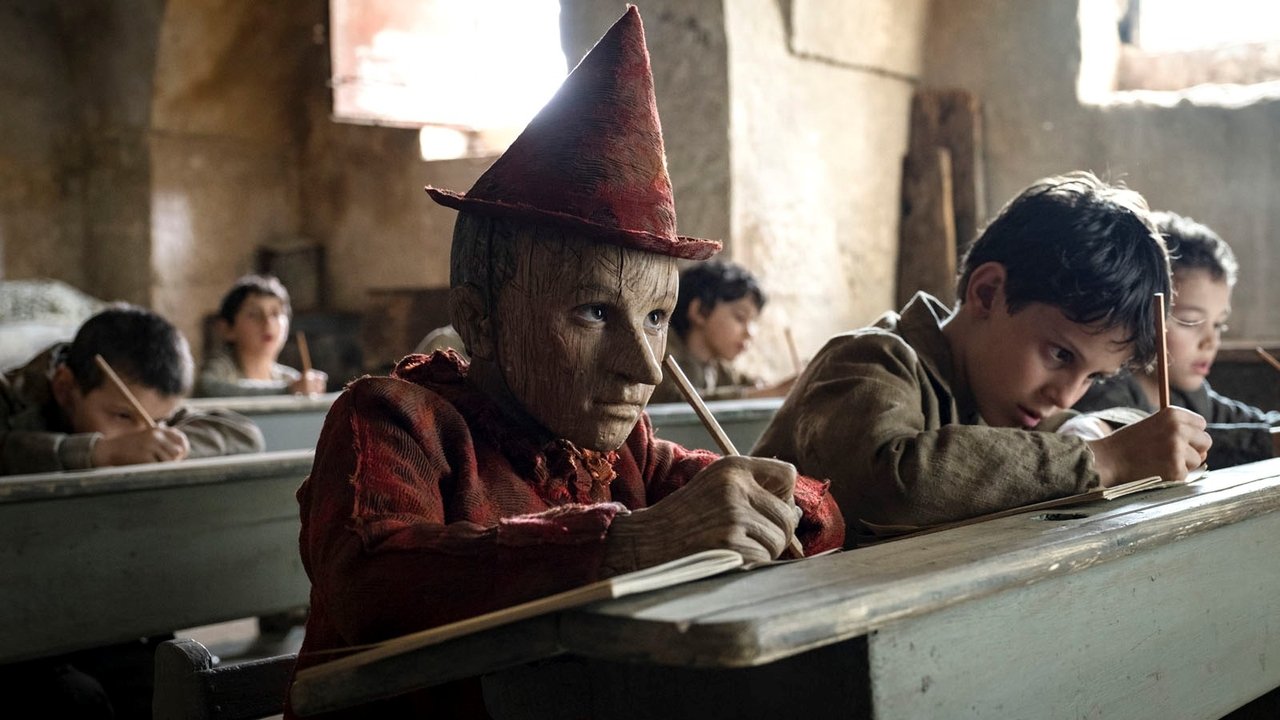
Then there’s the boy himself. Federico Ielapi spends most of the film under layers of incredible prosthetics. This is where the film earns its stripes. Instead of a smooth, cartoonish face, this Pinocchio has wood grain. You can see the cracks in his "skin." It’s slightly eerie, bordering on the uncanny valley, but it works because the film embraces the weirdness. When he meets the Fox (Massimo Ceccherini) and the Cat (Rocco Papaleo), they aren't talking animals in the Narnia sense—they’re sleazy, mangy grifters who look like they’ve crawled out of a Victorian gutter.
Practical Magic in a Digital Age
I’ve spent a lot of time lately complaining about "franchise fatigue," where every movie feels like a two-hour trailer for the next one. Pinocchio (2019) is the antidote. It’s a standalone vision that prioritizes craftsmanship. Turns out, the incredible makeup was handled by Mark Coulier, the same genius who transformed Ralph Fiennes into Voldemort. Apparently, young Federico Ielapi had to sit in the makeup chair for four hours every single day of the shoot. That kind of dedication is rare in a time when most studios would just "fix it in post."
There’s a scene involving a giant snail (played by Maria Pia Timo) with a trail of slime that looks suspiciously like actual mucus, and it’s one of the most delightful things I’ve seen in years. It’s gross, it’s tactile, and it’s wonderfully bizarre. This film reminds me that "Family Cinema" used to be allowed to be strange. It doesn't talk down to its audience. It understands that the world can be a cruel place where boys get turned into donkeys and eaten by sharks, and that the only way out is through genuine character growth.
Why Did This Slip Under the Radar?
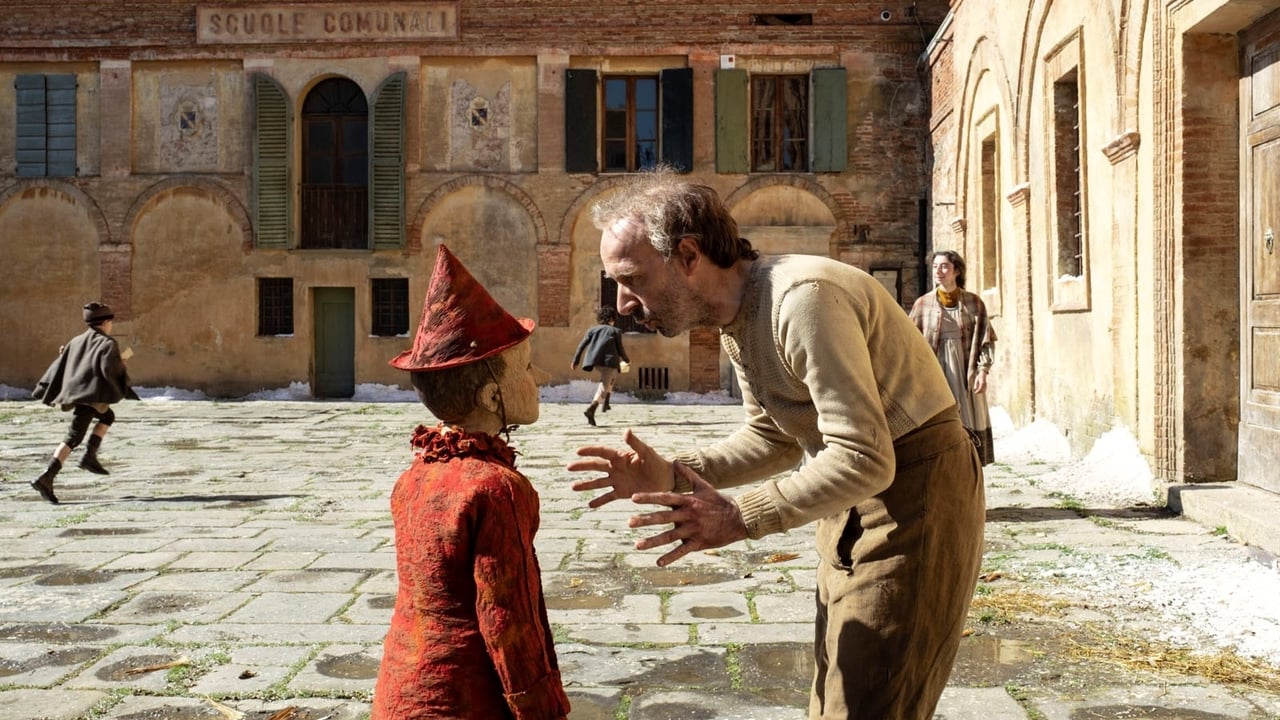
It’s frustrating that this film didn't explode in the States. Released just before the world shut down in 2020, and then overshadowed by the streaming wars—specifically Guillermo del Toro’s stop-motion version and the Zemeckis/Hanks disaster—it became something of a "forgotten oddity" almost immediately. It’s a victim of the current theatrical-to-streaming pipeline where if a movie isn't part of a multi-billion dollar IP, it’s treated as "content" rather than "cinema."
But I’m telling you, seek this one out. It’s a drama that treats its fantasy elements with a heavy, grounded reality. The score by Dario Marianelli (who did the music for Atonement) is haunting and leans away from the "Oompa-Loompa" whimsy you might expect. It’s a film about the crushing weight of poverty and the transformative power of a father’s love, disguised as a story about a puppet.
In a decade where movies often feel like they’ve been scrubbed clean of any personality by a committee of social media analysts, Matteo Garrone’s Pinocchio feels dangerously handmade. It looks like a Renaissance painting that someone accidentally spilled wine on, and I mean that as the highest possible compliment.
This isn't just another remake; it's a reclamation of a story that has been softened by time. If you can handle a version of Pinocchio that's more "grim Grimm" than "Disney Dream," you're in for a treat. It’s a reminder that even in the age of seamless CGI, there’s nothing quite as magical as a well-placed prosthetic and a director who isn't afraid to let things get a little weird. Grab some wine, put on some itchy socks, and let this one transport you.
Keep Exploring...
-

Tale of Tales
2015
-
The Red Turtle
2016
-
Dogman
2018
-
Tolo Tolo
2020
-
Freaks Out
2021
-
Cinderella
2015
-
Miss Peregrine's Home for Peculiar Children
2016
-
The Boy and the Heron
2023
-

Max
2015
-

Mr. Holmes
2015
-
Miracles from Heaven
2016
-
I Kill Giants
2017
-
The Man Who Invented Christmas
2017
-
Goosebumps 2: Haunted Halloween
2018
-

Mia and the White Lion
2018
-
A Beautiful Day in the Neighborhood
2019
-

A Dog's Way Home
2019
-
Lamb
2021
-

Space Sweepers
2021
-
Hocus Pocus 2
2022