Pokémon Detective Pikachu
"A world you know, through eyes you don't."
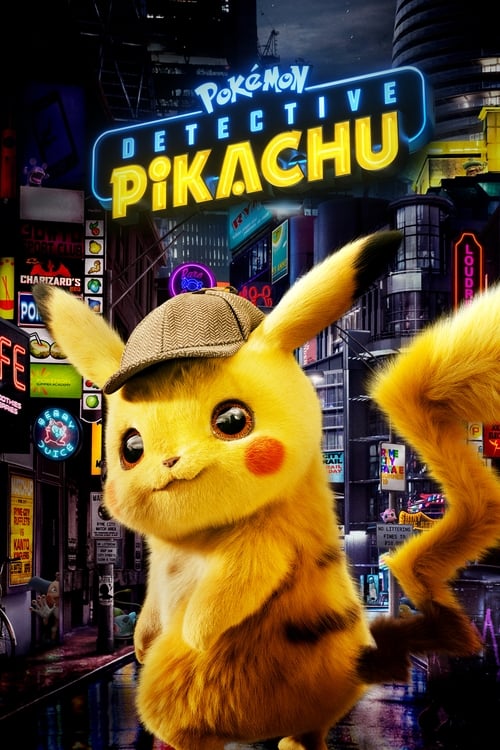
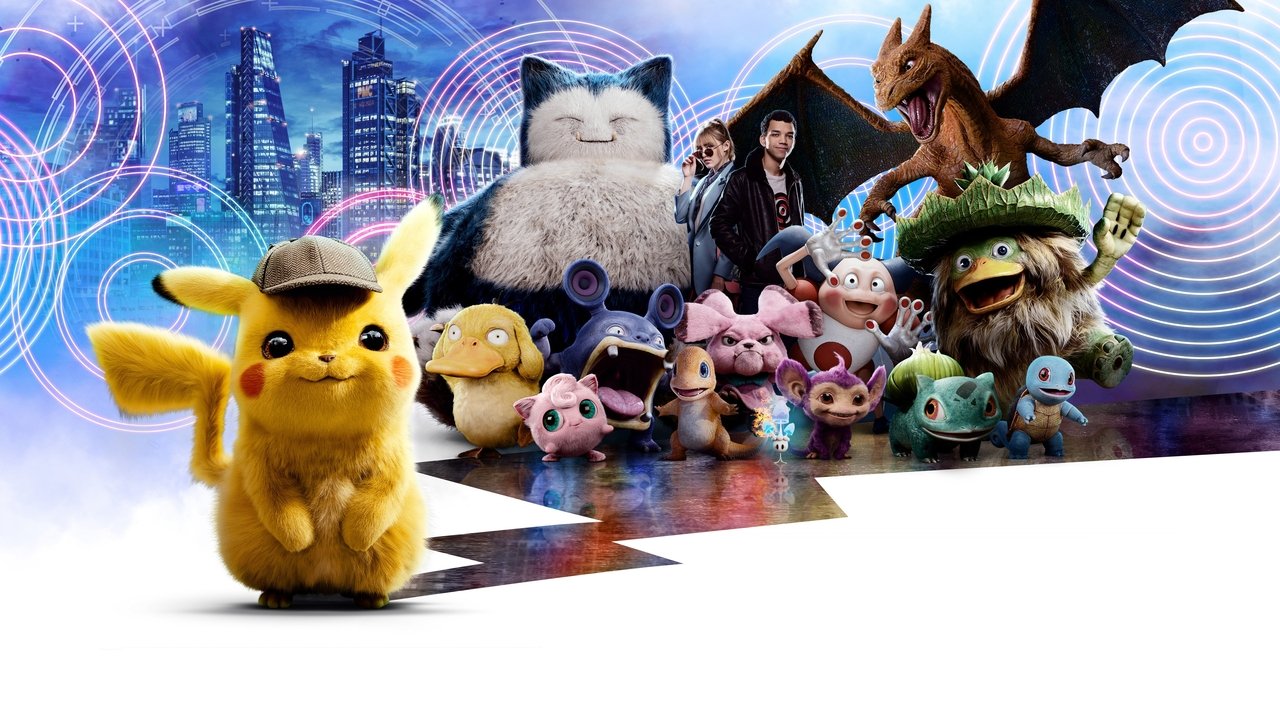
I clearly remember the first time a trailer for Pokémon Detective Pikachu dropped. The internet collectively gasped at the sight of a hyper-realistic, fuzzy Pikachu that didn't just squeak—it spoke with the sarcastic, caffeinated baritone of Ryan Reynolds. It felt like a fever dream. For years, we’d been told that "live-action anime" was a recipe for disaster (looking at you, Dragonball Evolution), but here was a movie that looked... actually good?
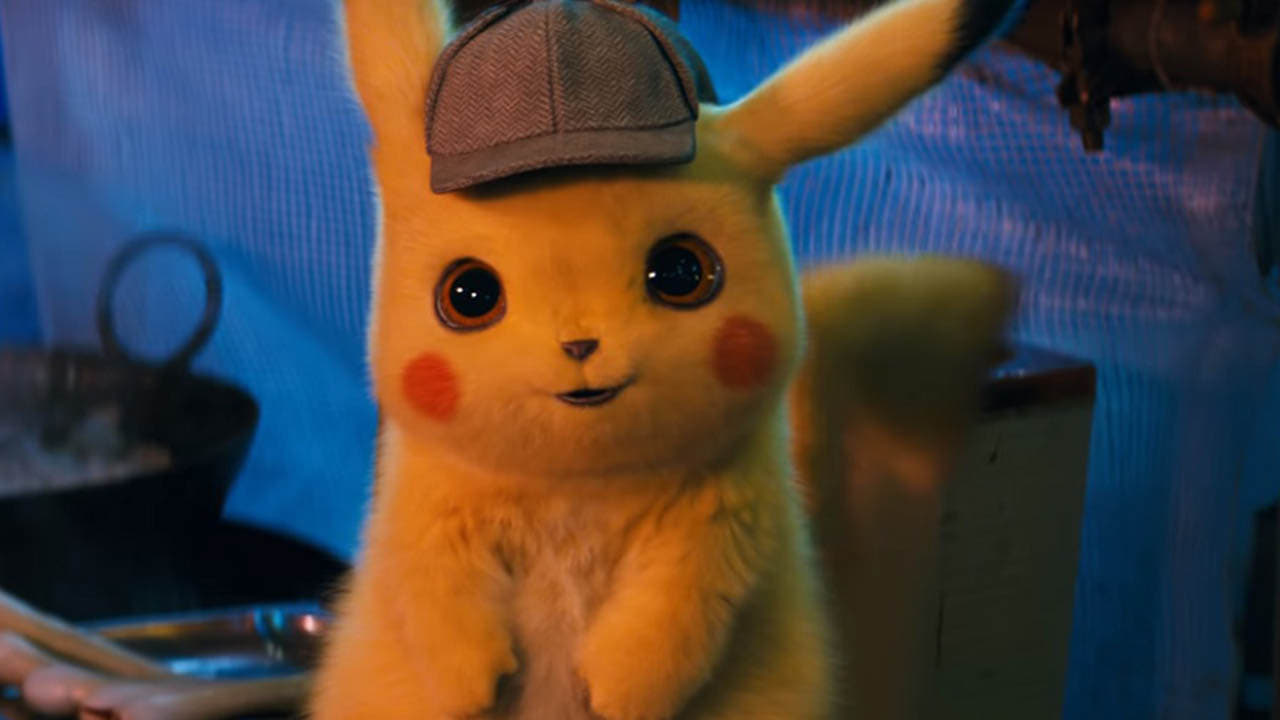
I watched this on a Tuesday night while eating a bowl of cereal that had gone slightly soggy because I was too busy staring at the textures of a Lickitung on screen. It’s that kind of movie; you get so distracted by the "how did they do that?" of the creatures that you almost forget there’s a plot. But unlike so many franchise cash-grabs in this era of IP saturation, Detective Pikachu feels like it was made by people who actually liked the source material, rather than a boardroom of executives checking boxes.
Neon Noir and Pocket Monsters
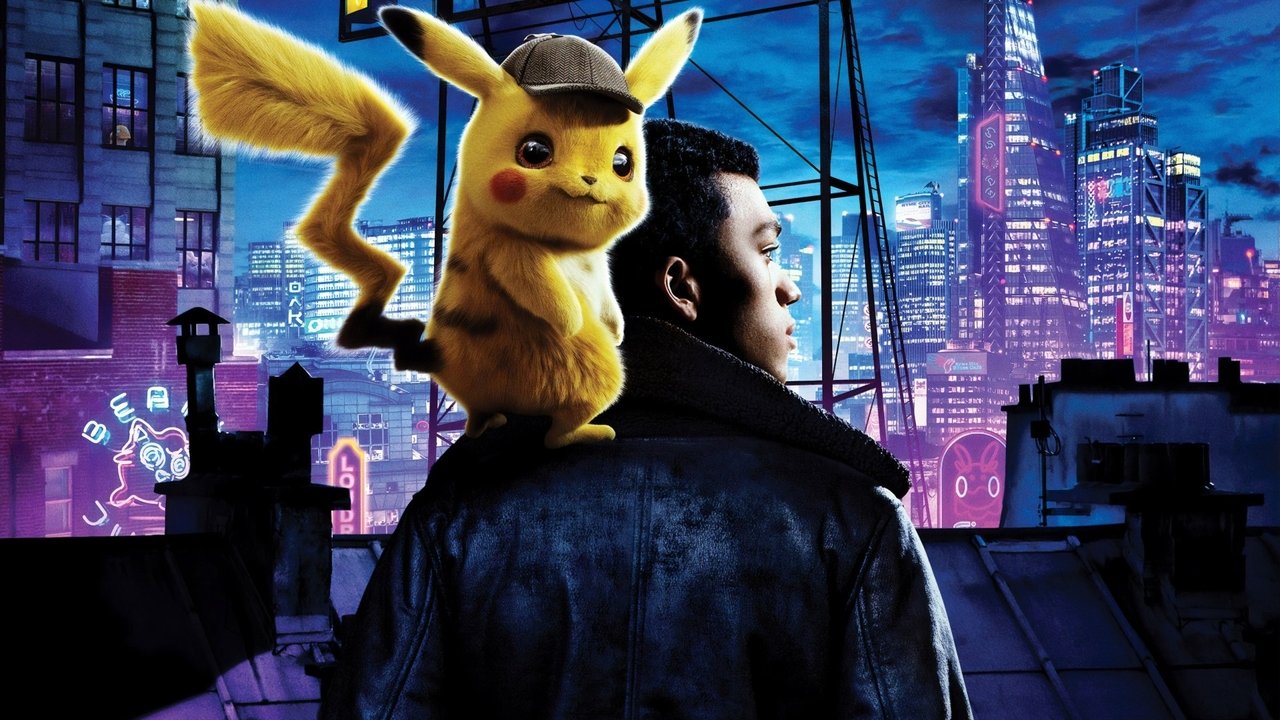
The most striking thing about Rob Letterman's vision is that it doesn't look like a bright, sanitized "kids' movie." Ryme City feels like a cousin to the Los Angeles of Blade Runner. It’s rainy, cluttered, and draped in neon. By shooting on 35mm film—a rarity for a movie that is essentially 70% digital effects—cinematographer John Mathieson (who did Gladiator and Logan) gives the world a gritty, tactile weight.
This visual choice is the film's secret weapon. When Justice Smith (as Tim Goodman) walks through a crowded market, and you see a Machamp directing traffic or a Charmander heating up a wok, it feels earned. It doesn't look like a green-screen composite; it looks like a documentary filmed in a very strange corner of our own world. The film’s greatest achievement is making a Psyduck’s existential dread feel like a physical reality.
The Voice in the Yellow Suit
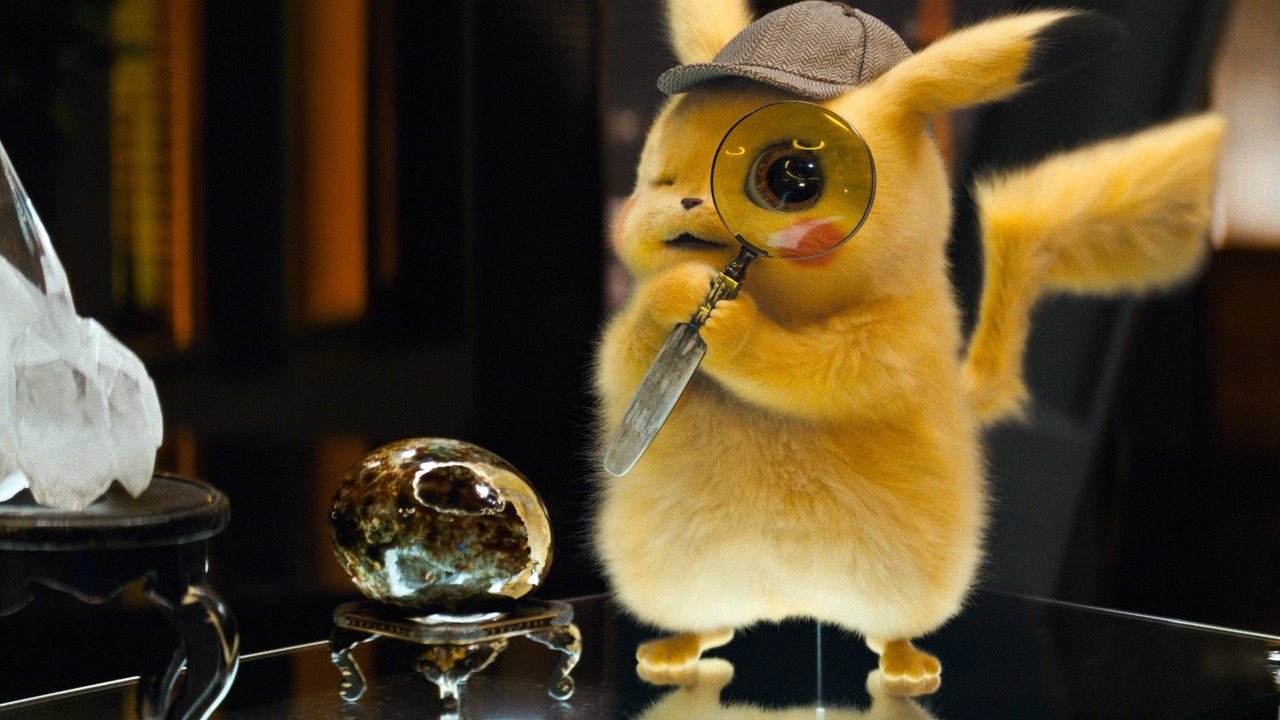
Let’s be honest: this movie lives or dies on Ryan Reynolds. At the time, we were at peak "Reynolds-as-Deadpool" saturation, and there was a real risk that this would just be a PG version of the Merc with a Mouth. While the snark is certainly there, Reynolds finds a surprising amount of heart in the little yellow guy. His chemistry with Justice Smith is the emotional anchor. Smith, for his part, has the unenviable task of being the "straight man" to a CGI rodent, and he carries the emotional weight of a son grieving his father with more sincerity than the script probably deserved.
The action choreography deserves a shout-out too. In an era where many action sequences are just "CGI blobs hitting each other," Detective Pikachu uses the specific powers of the Pokémon to create creative set pieces. The underground battle between Pikachu and a chemically-crazed Charizard (owned by a delightfully campy Omar Chaparro) is staged with clear geography and mounting tension. Then there’s the Torterra sequence—a massive, landscape-shifting set piece that feels genuinely epic, even if it pushes the boundaries of the film's internal physics.
Stuff You Didn't Notice
One of my favorite things about the cult-like devotion this film has earned is the "discovery" of how it came to be. It turns out the production was a treasure trove of weird creative decisions:
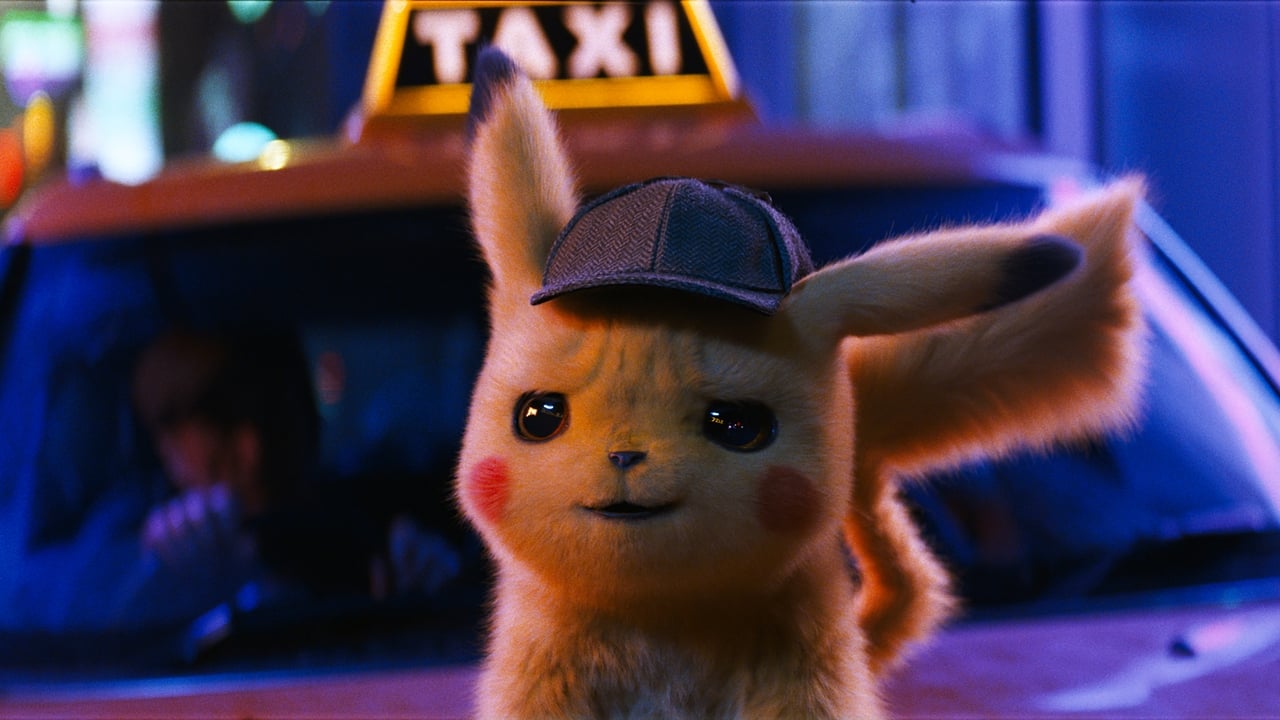
The "realistic" look of the Pokémon wasn't just a studio mandate; the producers hired RJ Palmer, an artist they found on DeviantArt who was famous for his "Realistic Pokémon" series. It was a rare "fan-to-pro" success story. The legendary Danny DeVito actually did a voice test for Pikachu after a massive fan petition. While it didn't happen, the crew admitted his energy influenced the character’s "grumpy detective" persona. To keep the world feeling grounded, the crew actually built massive portions of Ryme City in London, using practical sets instead of relying entirely on The Volume or green screens. Keep an eye out for the "Ancient Mew" card on Tim's wall—a direct nod to the promo card given out during the 1999 theatrical release of Pokémon: The First Movie. * The "twist" in the final act is admittedly a total mess if you think about it for more than four seconds, but the film moves with such breezy confidence that you’re usually too busy spotting a Snorlax in the background to care about the plot holes.
Ultimately, Detective Pikachu succeeded where so many contemporary blockbusters fail: it had a specific personality. It didn't feel like it was trying to launch a 20-movie cinematic universe (even if the studio surely wanted one). It was just a weird, neon-soaked detective story about a boy and his dad’s amnesiac partner. Whether you’re a lifelong fan who remembers the pixelated grind of the Game Boy era or just someone who wants to see a fuzzy yellow thing drink way too much coffee, it’s a genuinely joyful 105 minutes. It’s a film that knows exactly what it is: a colorful, slightly chaotic bridge between our childhood nostalgia and the high-tech wizardry of modern cinema.
Keep Exploring...
-
The Last Witch Hunter
2015
-
The Great Wall
2016
-

The Legend of Tarzan
2016
-
Warcraft
2016
-

Kong: Skull Island
2017
-
Pacific Rim: Uprising
2018
-
Tomb Raider
2018
-

Mulan
2020
-

Wonder Woman 1984
2020
-
Jungle Cruise
2021
-
Raya and the Last Dragon
2021
-

Shang-Chi and the Legend of the Ten Rings
2021
-

The Northman
2022
-
Aquaman and the Lost Kingdom
2023
-

Damsel
2024
-

Pan
2015
-
Monster Hunter
2020
-
Mortal Kombat
2021
-
Goosebumps
2015
-
Deadpool 2
2018