Polaroid
"Some memories are better left undeveloped."
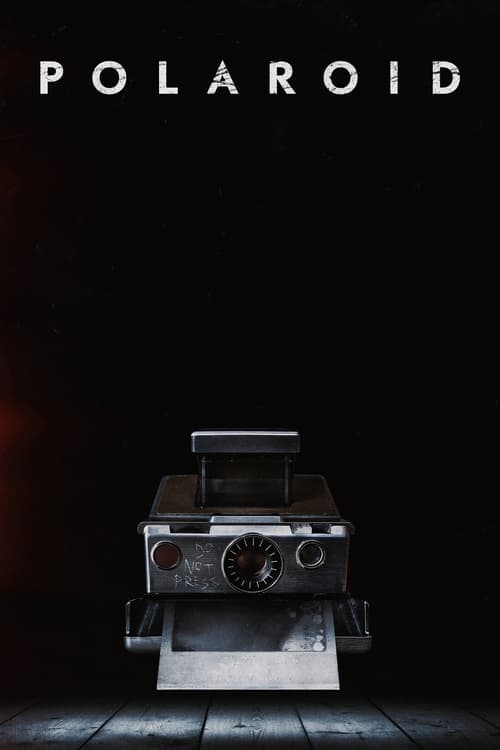
I watched Polaroid on a Tuesday afternoon while eating a bowl of slightly burnt microwave popcorn, and for about eighty-eight minutes, I felt like I had traveled back to 2004. There is something strangely comforting about a "cursed object" movie that knows exactly what it is. In an era where horror is often expected to be a "high-concept" metaphor for inherited trauma or some complex social upheaval, there’s a place in my heart for a film that just wants to tell you that a vintage camera is going to eat your soul.
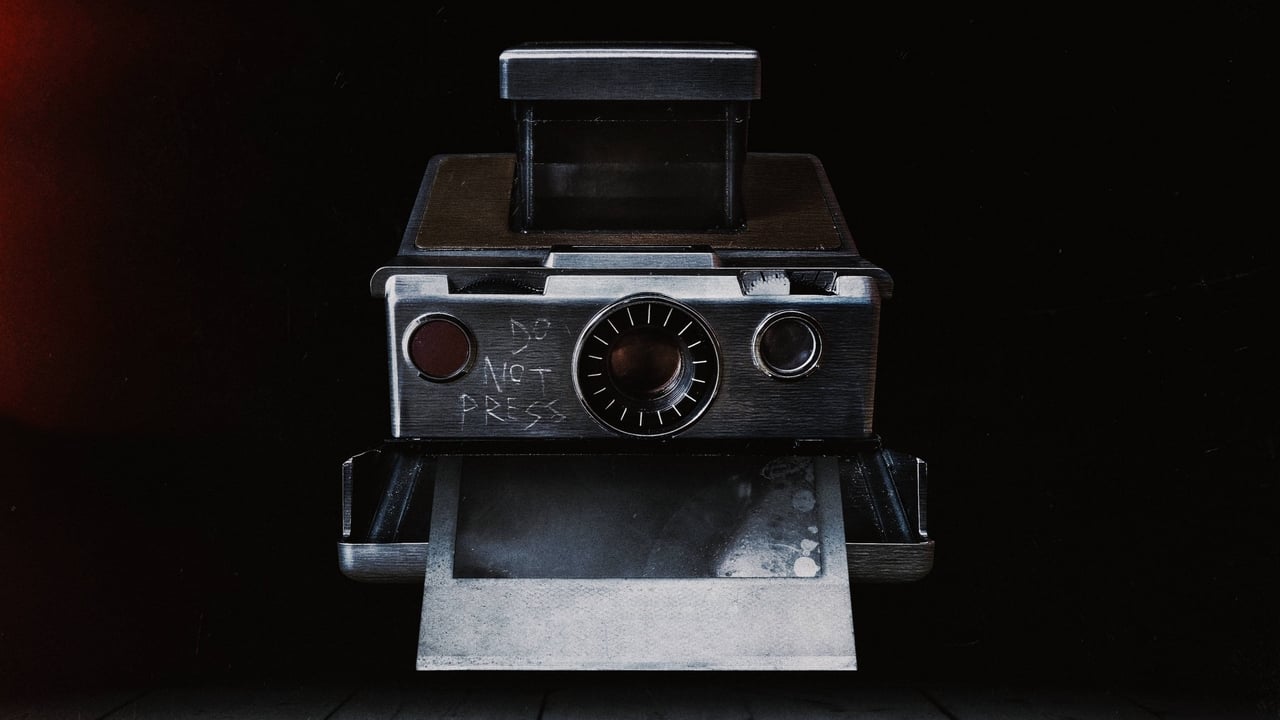
Released (eventually) in 2019, Polaroid feels like a relic from a different time, and not just because of the titular camera. It was produced by Dimension Films and got caught in the absolute wreckage of the Harvey Weinstein scandal. While the industry was undergoing a massive, necessary reckoning, this little horror flick was sitting on a shelf, gathering digital dust while the studio’s assets were liquidated. By the time it actually hit screens—mostly via streaming—it already felt like a "lost" film from a bygone era of PG-13 screamfests.
The Analog Ghost in a Digital World
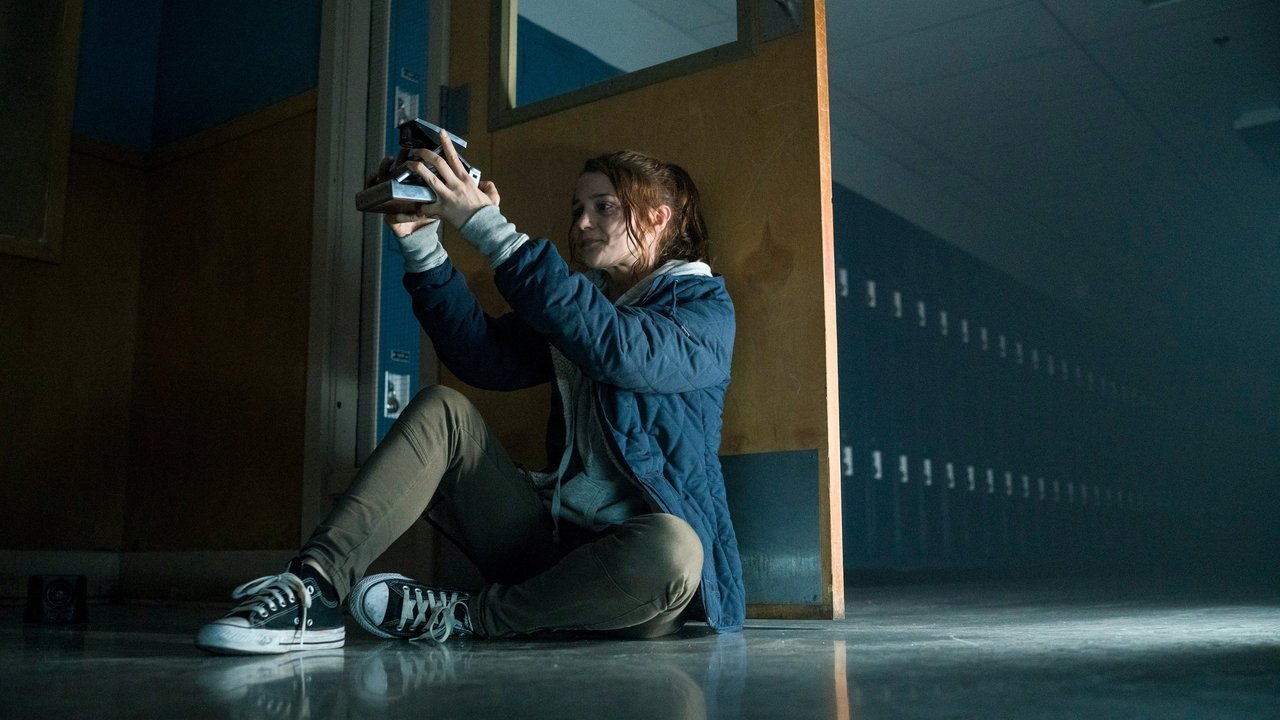
The story follows Bird Fitcher, played with a solid amount of "loner-girl" gravitas by Kathryn Prescott (who I first loved in the UK version of Skins). Bird is a high schooler with a penchant for vintage gear who comes into possession of a 1970s Polaroid SX-70. Naturally, she starts snapping photos of her friends, including the charmingly earnest Connor Bell (Tyler Young), only to realize that a shadowy figure appears in every photo. If the shadow moves on the paper, the person in the photo dies in real life.
It’s a classic Final Destination or The Ring setup, but I found myself appreciating the contemporary irony of it. We live in a world of Instagram filters and ephemeral TikToks, yet horror constantly retreats into the tactile. There is something inherently spookier about a physical photograph developing in your hand than a JPEG on a screen. Director Lars Klevberg, who also directed the Child's Play remake the same year, understands the aesthetic. He uses a cold, damp color palette that makes the high school parties look like they’re happening inside a refrigerator.
I’ll be honest: the monster looks like a rejected Slipknot mask that gained sentience and skipped leg day. That’s not necessarily a bad thing. The entity is played by Javier Botet, the man who is seemingly in every horror movie because his actual anatomy allows him to move in ways that defy physics. You’ve seen him in IT, The Conjuring 2, and REC. Even when the CGI gets a little shaky, Botet provides a physical presence that makes the "camera ghost" feel like a legitimate threat.
A Victim of Bad Timing
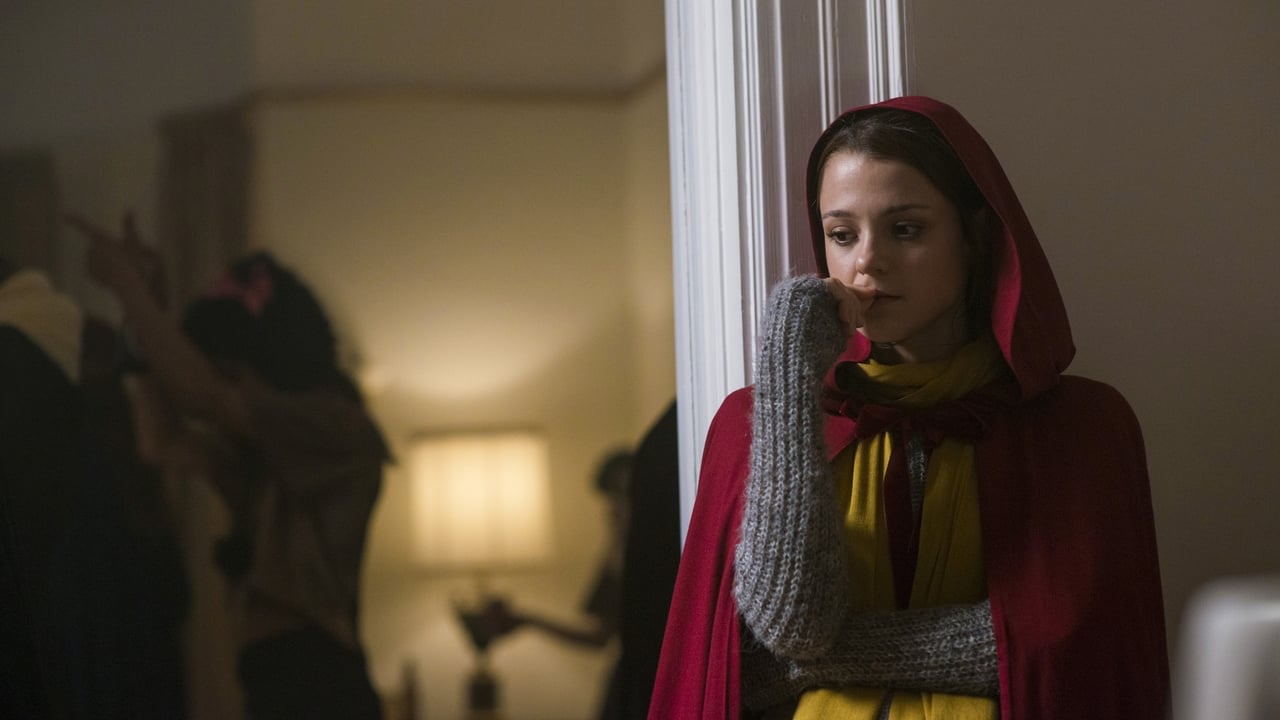
The biggest hurdle for Polaroid wasn't the script—written by Blair Butler—but the sheer weight of the "streaming dump" era. In 2019, we were seeing the beginning of the end for the mid-budget theatrical horror movie. Unless you were an "A24 horror" film or a massive franchise entry like IT: Chapter Two, you were likely headed straight to a platform where you’d be buried by an algorithm.
Polaroid suffered because it didn't have a "hook" for the social media age. It didn't have a viral dance or a controversial political subtext. It’s just a sturdy, well-shot ghost story. Watching it now, I can see where it tries to play with modern themes—Bird’s social anxiety, the way we perform for the camera—but it never quite commits to the bit. It’s more interested in the next jump scare than in analyzing why we’re all so obsessed with our own reflections.
I’ll tell you what did work for me, though: the sound design. I’m a sucker for the mechanical whirr-click of a vintage camera. Every time that flash goes off, the movie creates a momentary blindness that Klevberg uses to shuffle the deck. It’s a simple trick, but it works. It reminded me of playing with my dad’s old cameras and that slight dread of not knowing what the image would look like until the chemicals settled.
The Shelf-Life of a Shutter
There is a specific kind of fun to be had here if you lower your "prestige horror" shields. Is it groundbreaking? Not even a little bit. But is it a great choice for a rainy night when you want something that moves fast and doesn't demand a three-hour video essay to explain the ending? Absolutely.
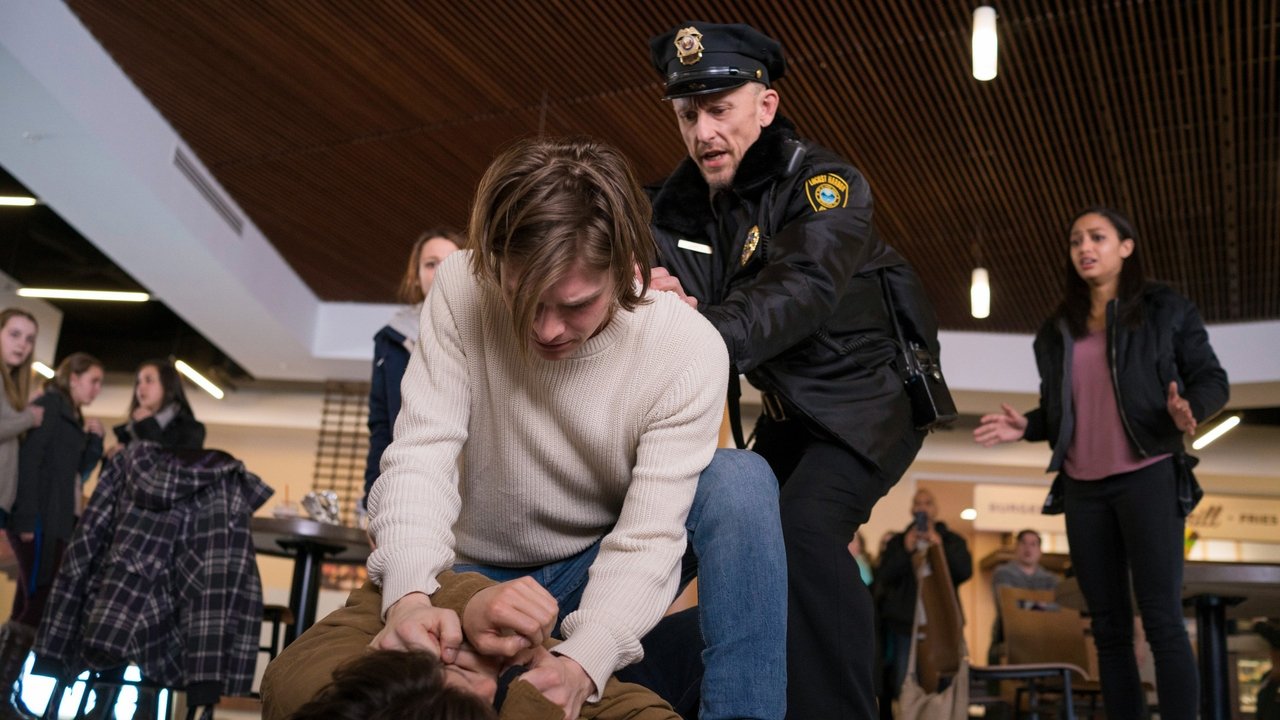
The film also features some great supporting work from Keenan Tracey and Samantha Logan, though they are mostly there to be fodder for the flashbulb. It’s a film that exists in that weird 2015-2020 pocket where practical effects were making a comeback but were still being wrestled into submission by studio-mandated digital touch-ups.
I caught myself wondering, midway through, if kids today even know what a Polaroid is outside of the "Instax" brand. The movie treats the camera like a cursed artifact from a lost civilization, which, to a Gen Zer, it basically is. That disconnect adds a layer of accidental charm to the whole proceeding.
Ultimately, Polaroid is a victim of the very industry shifts it tried to survive. It’s a perfectly functional "Friday night with the lights off" movie that got lost in a corporate firestorm and a changing theatrical landscape. It doesn't reinvent the wheel, but it does make the wheel look pretty creepy under a strobe light. If you’re a completionist for 2010s horror or just a fan of Javier Botet’s uncanny movements, it’s a snapshot worth taking—just don't expect it to stay in your head for long after the credits roll.
Keep Exploring...
-
Regression
2015
-
Child's Play
2019
-
Brahms: The Boy II
2020
-
Color Out of Space
2020
-
Gretel & Hansel
2020
-
Immaculate
2024
-
Hell Fest
2018
-

The Invitation
2022
-
Circle
2015
-
The Boy
2016
-
The Other Side of the Door
2016
-
Escape Room
2019
-

The Lodge
2020
-
Escape Room: Tournament of Champions
2021
-

Old
2021
-
The Pale Blue Eye
2022
-
Watcher
2022
-
Knock at the Cabin
2023
-
Until Dawn
2025
-
Goodnight Mommy
2015