Portrait of a Lady on Fire
"Every look is a lifetime."
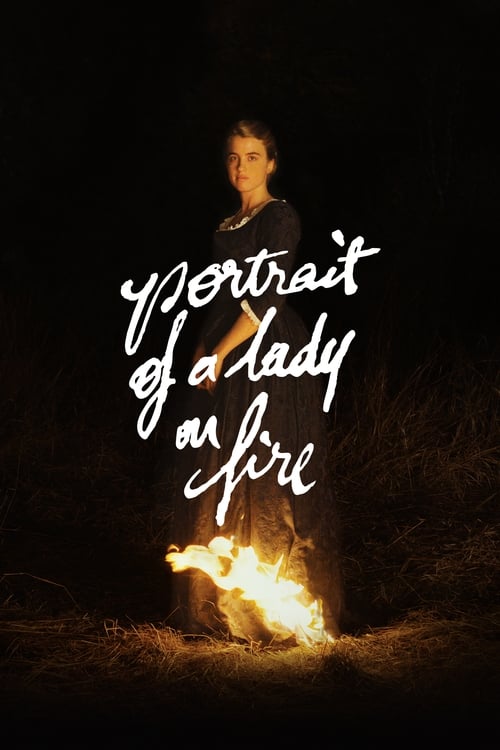
The sound of charcoal scratching against a canvas shouldn't feel this much like a heartbeat. In most movies, painting is a shorthand for "this character is sensitive," usually involving an actor squinting vaguely at a sunset while dabbing at a messy palette. But in Portrait of a Lady on Fire, the act of looking is the whole point. It’s an athletic, high-stakes game of observation.
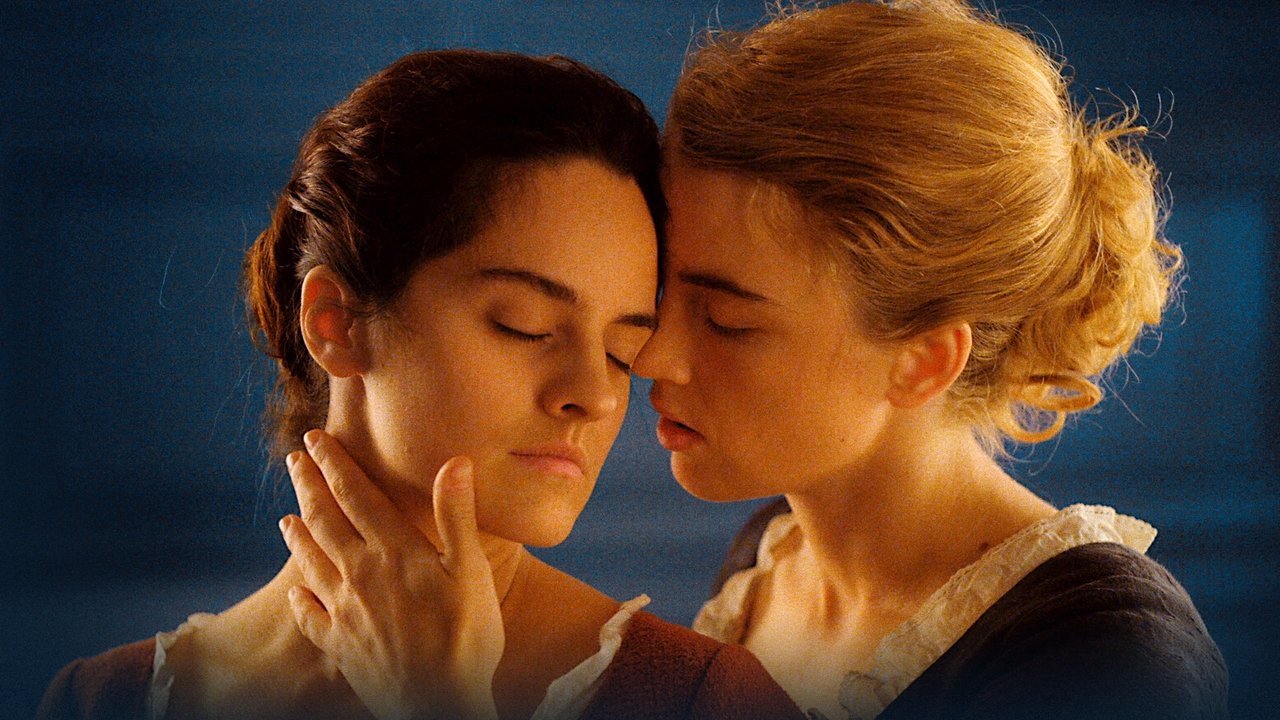
I first sat down to watch this during a rainy Tuesday afternoon, nursing a lukewarm cup of peppermint tea that I’m pretty sure had a dead fruit fly floating in it. I didn't notice the fly until the credits rolled because I was too busy holding my breath. Céline Sciamma didn't just make a movie; she built a time machine that strips away the dust of the 18th century and replaces it with the raw, terrifying electricity of being seen for the first time.
The Architecture of the Stare
The setup is deceptively simple: Marianne (Noémie Merlant), a professional painter, is commissioned to travel to a remote island in Brittany to paint a wedding portrait of Héloïse (Adèle Haenel). The catch? Héloïse refuses to pose because the portrait signifies her unwanted marriage to a Milanese nobleman. Marianne has to pretend to be a companion for walks, memorizing Héloïse’s features by day and painting them by stealth at night.
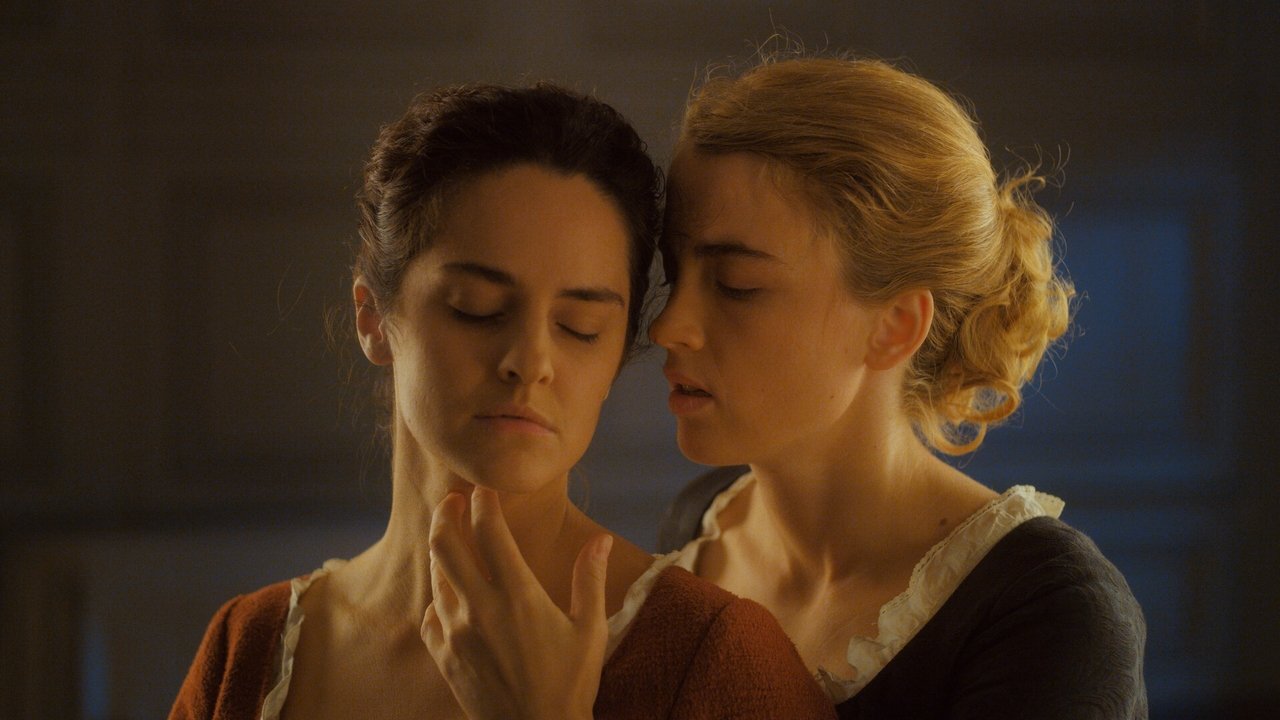
This creates a dynamic that is almost unbearably tense. Noémie Merlant plays Marianne with a focused, professional intensity that slowly cracks under the weight of her own gaze. On the other side, Adèle Haenel is a revelation as Héloïse—feral, intelligent, and deeply resentful of the life being forced upon her. When they finally stop pretending and start actually looking at each other, the chemistry doesn't just simmer; it catches fire. I’ve seen enough dry, dusty heritage films to last three lifetimes, but this movie makes the 1700s feel like they happened twenty minutes ago.
A World Without Men
One of the most radical things about the film, especially in our current era of "representation" often feeling like a checklist, is how naturally it breathes in a space entirely devoid of men. Aside from a few sailors in the opening minutes, the island is a female enclave. We see the countess (Valeria Golino), the maid Sophie (Luàna Bajrami), and our two leads.
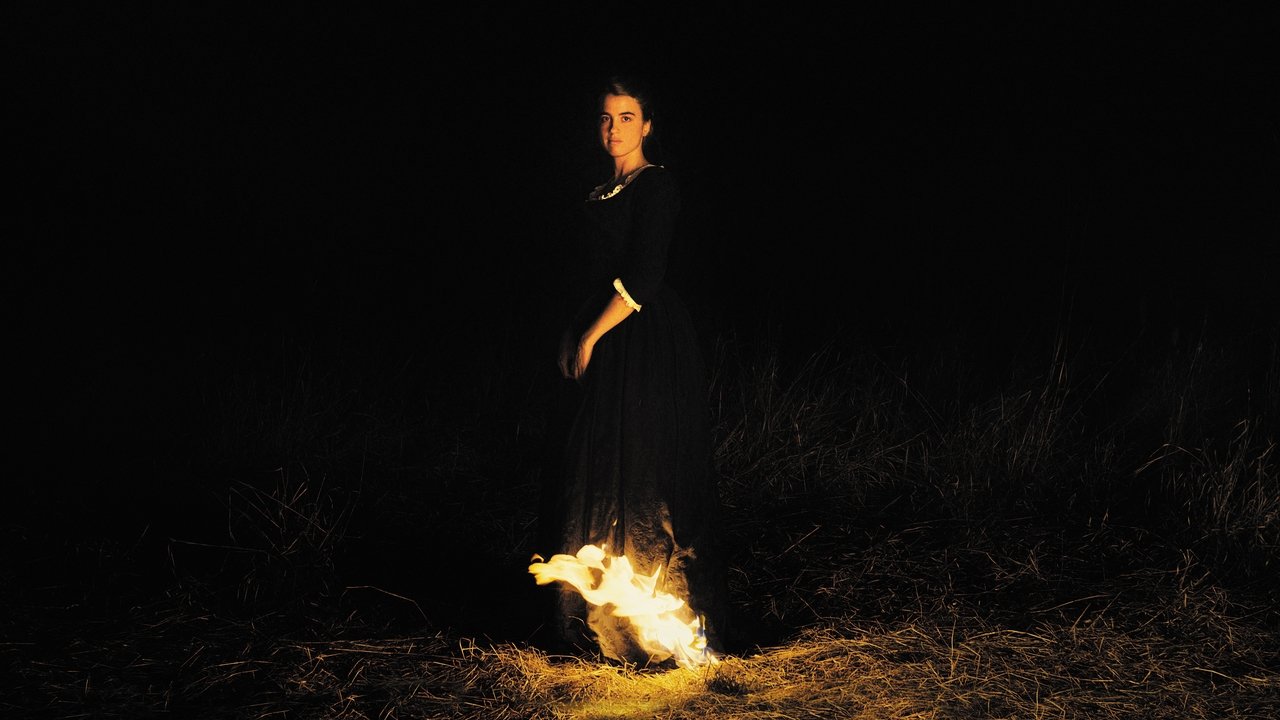
This isn't a political statement shouted through a megaphone; it’s an invitation to see how women interact when the male gaze is physically removed from the room. The subplot involving Sophie is particularly striking—a calm, non-judgmental look at reproductive health that feels incredibly relevant to contemporary conversations about bodily autonomy. It treats the characters as people first, historical figures second.
The film also does something daring with its soundscape: there is no score. No swelling violins to tell you when to feel sad. You hear the wind, the crashing waves of the Atlantic, the rustle of silk, and the crackle of the hearth. It makes the two moments where music does appear—a haunting folk chant around a bonfire and a climactic burst of Vivaldi—feel like a literal explosion. Honestly, if you find the pacing slow, you might just be addicted to the dopamine hit of a Marvel post-credits scene.
The Orpheus Maneuver
There’s a scene where the women sit around a table and debate the myth of Orpheus and Eurydice. You know the one—Orpheus goes to the underworld to save his wife but loses her forever because he can’t resist looking back. Marianne argues that Orpheus made a choice: he chose the memory of her over the person. He chose the "poet’s choice."
This is the philosophical heart of the movie. It’s a film about the fleeting nature of freedom. These women know their time together is a bubble that will eventually pop. The movie asks: is it better to have the person for a moment, or the memory forever? It’s a devastating question, and Sciamma handles it with a visual language that is as precise as a surgeon’s scalpel. Every frame looks like a painting, thanks to the cinematography of Claire Mathon (who also shot the gorgeous Spencer), but it never feels "pretty" for the sake of it. The colors—that deep emerald green and the shocking red of the dresses—are etched into my brain.
Stuff You Didn't Notice
The production of this film is as intimate as the story itself. Turns out, Sciamma and Adèle Haenel were actually a real-life couple for years before making this, and they had been broken up for a while when filming started. You can feel that history in every frame; there’s a level of trust and mutual understanding that you just can't fake.
The paintings you see being created on screen aren't the work of a prop department. They were painted in real-time by artist Hélène Delmaire. During the scenes where we see "Marianne’s" hands at work, those are actually Delmaire's hands. She had to paint the same portrait multiple times to match the different stages of completion required for the shoot. Also, the script was remarkably lean—only about 28 pages—because Sciamma wanted the actors to fill the silence with their presence rather than dialogue.
In an era of franchise fatigue and CGI-heavy spectacles, Portrait of a Lady on Fire became a genuine cult classic through word-of-mouth and the sheer power of its ending. It’s the kind of film that people don't just watch; they adopt it as part of their personality. I’ve seen fans with tattoos of the "page 28" drawing, which is the ultimate 21st-century stamp of approval.
This is a film that demands your full attention and rewards it with an emotional wallop that lasts for days. It takes the "forbidden romance" trope and elevates it into a profound meditation on art, memory, and the way we choose to see the people we love. It’s a masterpiece of restraint that knows exactly when to let the emotions boil over. If you haven't seen it yet, clear your schedule, put your phone in another room, and let yourself be burned by it. Just watch out for the fruit flies in your tea.

Keep Exploring...
-
Little Women
2019
-
Brooklyn
2015
-
Loving Vincent
2017
-
The Trial of the Chicago 7
2020
-

CODA
2021
-
Past Lives
2023
-

Weathering with You
2019
-

All the Bright Places
2020
-

King Richard
2021
-

The Woman King
2022
-
Downton Abbey
2019
-
Spotlight
2015
-

Straight Outta Compton
2015
-

The Longest Ride
2015
-

A Taxi Driver
2017
-

Love, Simon
2018
-

Five Feet Apart
2019
-
The Iron Claw
2023
-

I'm Still Here
2024
-
The Guernsey Literary & Potato Peel Pie Society
2018