Richard Jewell
"One man’s vigilance became his own trap."
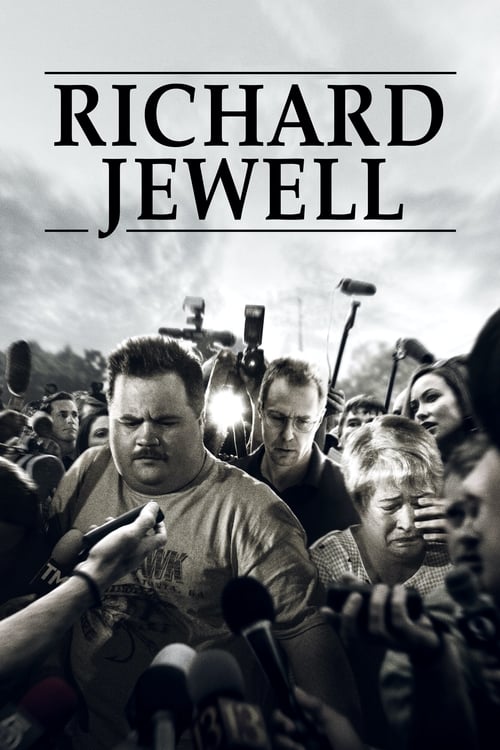
The first thing I noticed about Paul Walter Hauser in this movie wasn't the tactical vest or the earnest, slightly labored gait—it was the mustache. It’s the kind of facial hair that signals a man who deeply respects the concept of "The Law" but has never actually been invited to enforce it. I watched this film in a theater where the air conditioning was set to a permanent "Arctic" setting, and honestly, the literal chills from the draft perfectly matched the figurative chills of watching a well-meaning guy get slowly dismantled by the very institutions he worships.
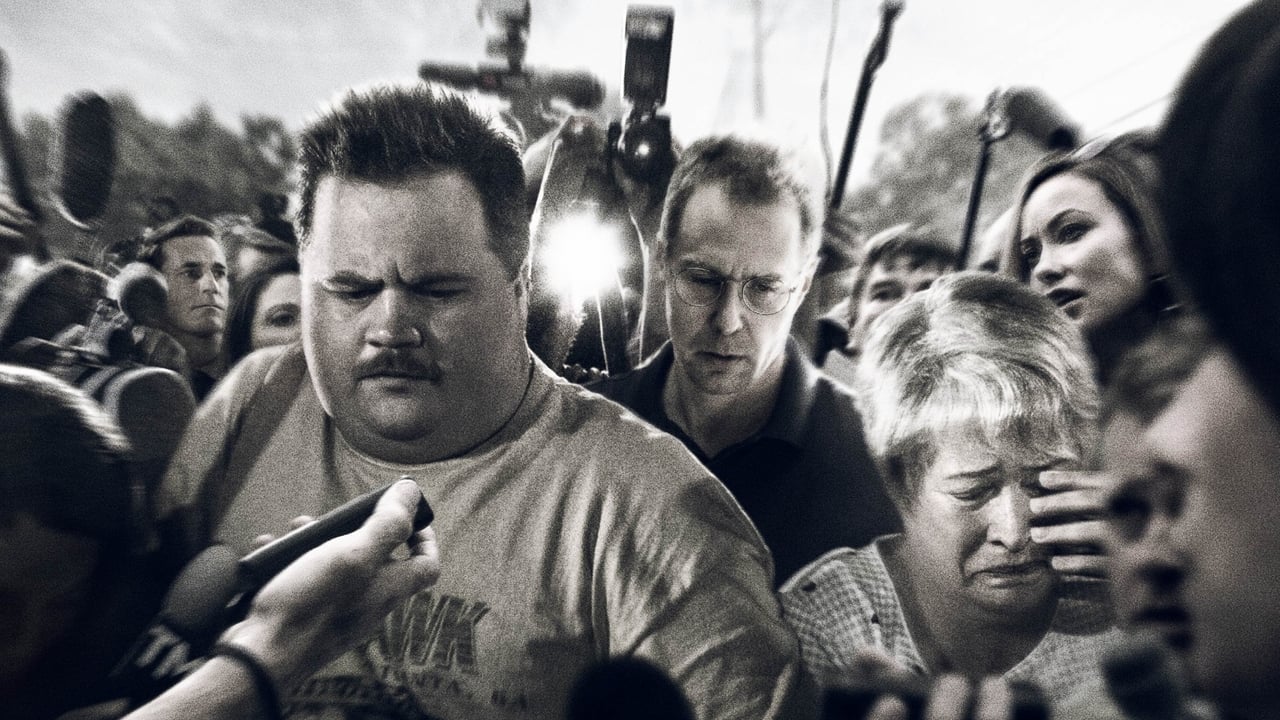
Richard Jewell is one of those rare modern dramas that felt like it was born in the wrong decade, which is exactly why it’s becoming a bit of a cult favorite on streaming services today. When it hit theaters in 2019, it was swallowed whole by the "discourse." People weren’t talking about the craft; they were arguing about the portrayal of the media. But if you strip away the Twitter firestorms of five years ago, what you’re left with is a lean, heartbreaking, and infuriating character study that only a veteran like Clint Eastwood (who directed this with the efficiency of a man who wants to be home by dinner) could pull off.
The Hero Who Knew Too Much
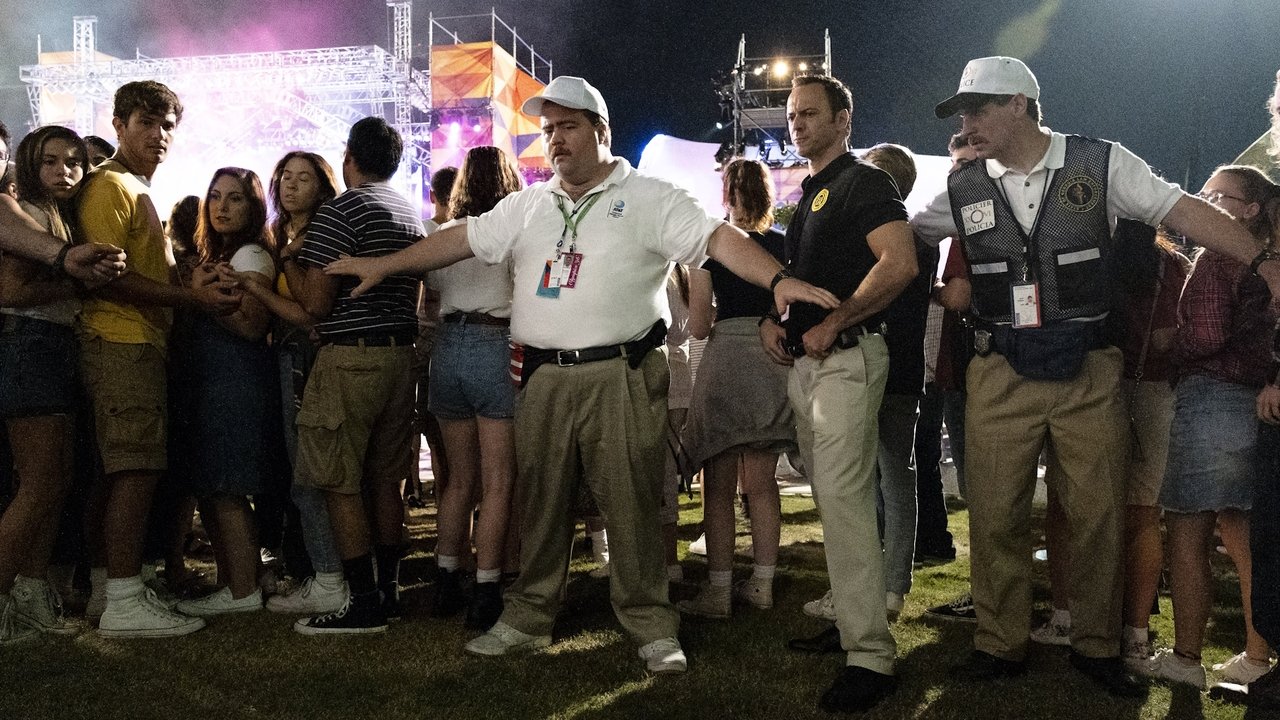
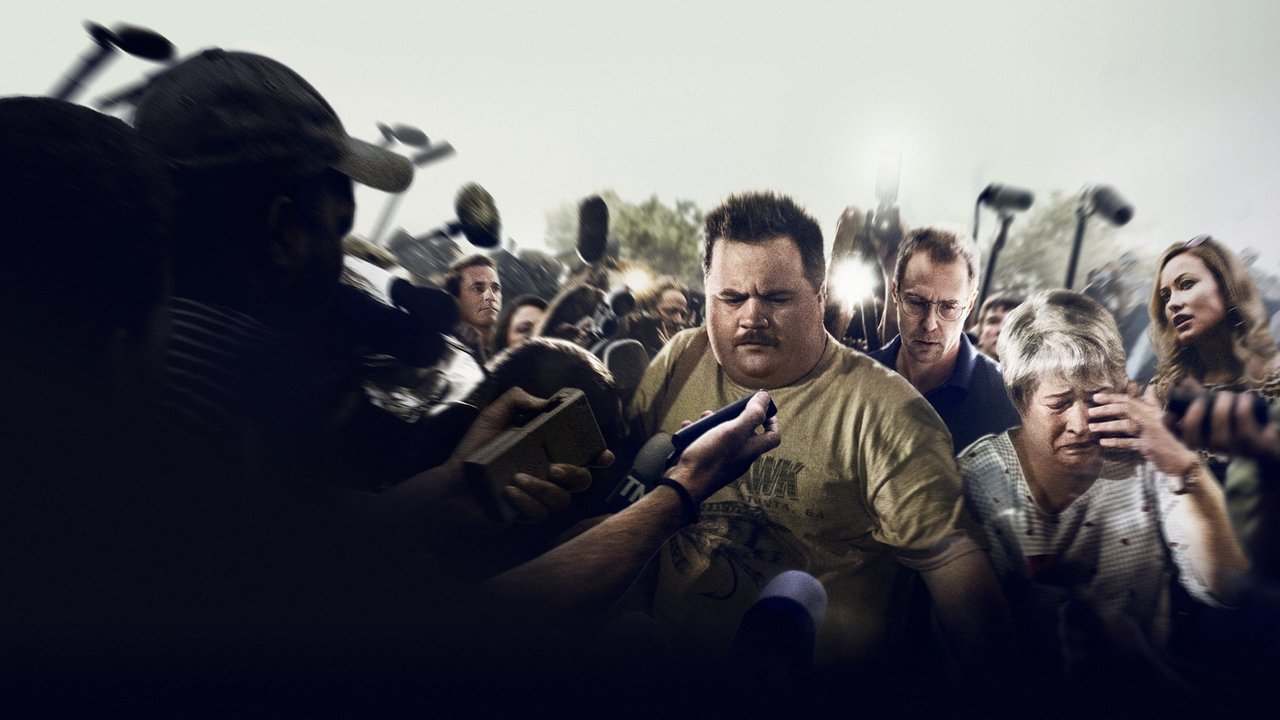
The film centers on the 1996 Centennial Olympic Park bombing, but it’s not an action movie. It’s a tragedy about a man who is "too much." Richard is too observant, too helpful, and too compliant. Paul Walter Hauser, who you might recognize from I, Tonya or Black Bird, delivers a performance so nuanced it’s almost painful. He plays Jewell not as a simpleton, but as a man whose moral compass is so rigid it becomes a liability. He believes in the system, even as the system—personified by a shark-like FBI agent played by Jon Hamm—is trying to trick him into waiving his rights.
The chemistry between Hauser and Sam Rockwell, who plays his anti-establishment lawyer Watson Bryant, is the engine of the film. Rockwell is doing his best "tired but righteous" work here, acting as the surrogate for the audience's mounting frustration. Every time Richard calls the FBI "sir" while they’re trying to frame him, you want to reach through the screen and shake him. It’s a masterclass in tension, not from ticking bombs, but from the slow-motion car crash of a man’s reputation.
A Modern Cult Reassessment
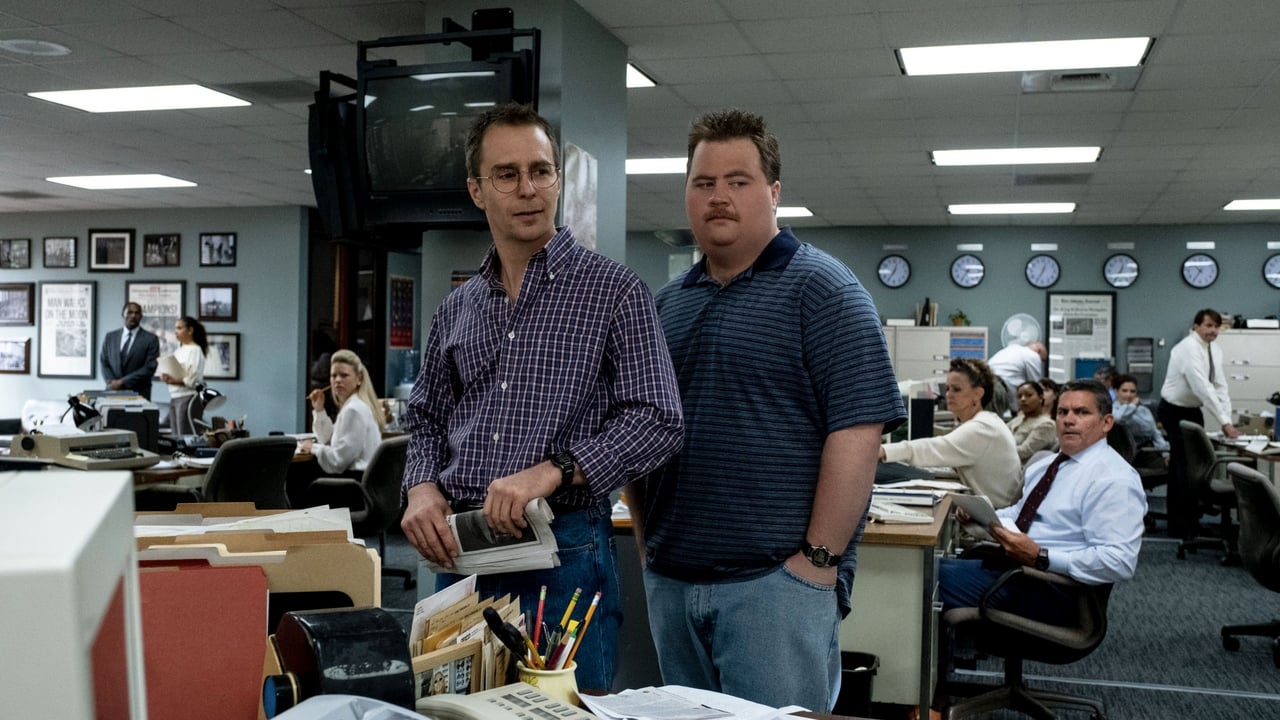
Why does this feel like a cult classic in the making? Because it bombed. Hard. It pulled in a dismal $5 million opening weekend against a $45 million budget. At the time, it was caught in a pincer movement of "franchise fatigue" and a massive controversy regarding the portrayal of real-life journalist Kathy Scruggs, played by Olivia Wilde. Critics jumped on the film for suggesting she traded sex for tips, and the movie became a lightning rod for "accuracy in journalism" debates.
But now, years removed from the initial release, the film is finding its people. In an era of rampant social media "trial by jury," Richard Jewell feels incredibly prescient. It’s a movie about how the "sloppy FBI" and a sensationalist media can turn a hero into a villain in the span of a 24-hour news cycle. The FBI agents in this movie come off looking like a bunch of bumbling middle-management interns with badges, and that skepticism of authority resonates deeply with current audiences who have grown weary of institutional failures.
The Details Behind the Tape
What I find fascinating about the production is how much Eastwood leaned into the reality of the situation. They actually filmed in the real Centennial Olympic Park, and apparently, the production team was so meticulous that they recreated the bomb down to the last wire. But the real emotional anchor is Kathy Bates as Bobi Jewell. There’s a scene where she’s watching the FBI carry out her Tupperware as "evidence," and the look of quiet, dignified humiliation on her face is what earned her that Oscar nomination.
Interestingly, this wasn't always an Eastwood project. For years, it was in development with Leonardo DiCaprio and Jonah Hill set to star. I like Leo, but I can’t imagine him disappearing into the role of Richard Jewell the way Hauser does. Hauser actually wrote a letter to Eastwood when he heard about the project, pitching himself for the role. It’s a good thing he did, because his physical transformation—gaining weight and adopting Jewell’s specific, cautious mannerisms—is the soul of the movie. Even more touching is that the real Bobi Jewell was on set for much of the filming, giving her blessing to a story that finally told the truth about her son.
This is a film that demands your attention because it’s so frustratingly human. It doesn’t give you the easy catharsis of a typical courtroom drama; it makes you sit in the discomfort of watching a man lose his dignity because he was "the wrong kind" of hero. The script by Billy Ray (who also wrote Captain Phillips) keeps the pacing tight, ensuring the 131-minute runtime never drags, even when the action is just two men arguing in a small office.
If you missed this in theaters because you were too busy seeing a superhero sequel for the third time, do yourself a favor and find it on streaming. It’s a reminder that the most terrifying things in the world aren't monsters or aliens, but a group of powerful people who have already decided you're guilty because it makes for a better story. It’s a quiet powerhouse of a movie that deserves the second life it’s currently enjoying.
Keep Exploring...
-

Sully
2016
-
Juror #2
2024
-

Steve Jobs
2015
-
The Walk
2015
-

Eddie the Eagle
2016
-
Patriots Day
2016
-
Silence
2016
-
Snowden
2016
-
The Founder
2016
-
BlacKkKlansman
2018
-
The Favourite
2018
-
Just Mercy
2019
-
The Trial of the Chicago 7
2020
-
The Zone of Interest
2023
-
Invictus
2009
-
Black Mass
2015
-
Brooklyn
2015
-

In the Heart of the Sea
2015
-
13 Hours: The Secret Soldiers of Benghazi
2016
-
Hostiles
2017