Scary Stories to Tell in the Dark
"Your childhood nightmares just got a deadline."
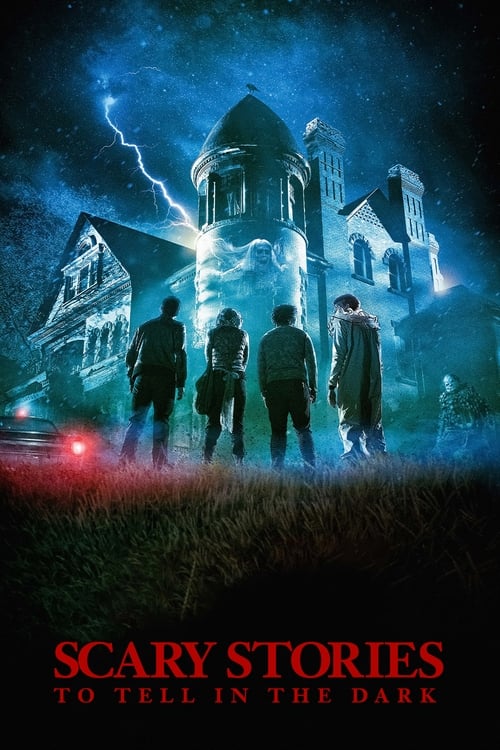
If you grew up scavenging through the "Paranormal" section of your middle school library, you likely encountered a cursed object masquerading as a children’s book: Alvin Schwartz’s Scary Stories to Tell in the Dark. It wasn't just the writing that got to me; it was Stephen Gammell’s illustrations—wispy, ink-blot nightmares that looked like they were drawn with funeral soot and graveyard dirt. For years, I wondered how any filmmaker could possibly translate that specific, haunting aesthetic into a coherent narrative. In 2019, director André Øvredal and producer Guillermo del Toro finally stepped up to the plate, and they brought a surprising amount of heart—and a lot of Practical Effects—to the table.
Bringing the Ink to Life
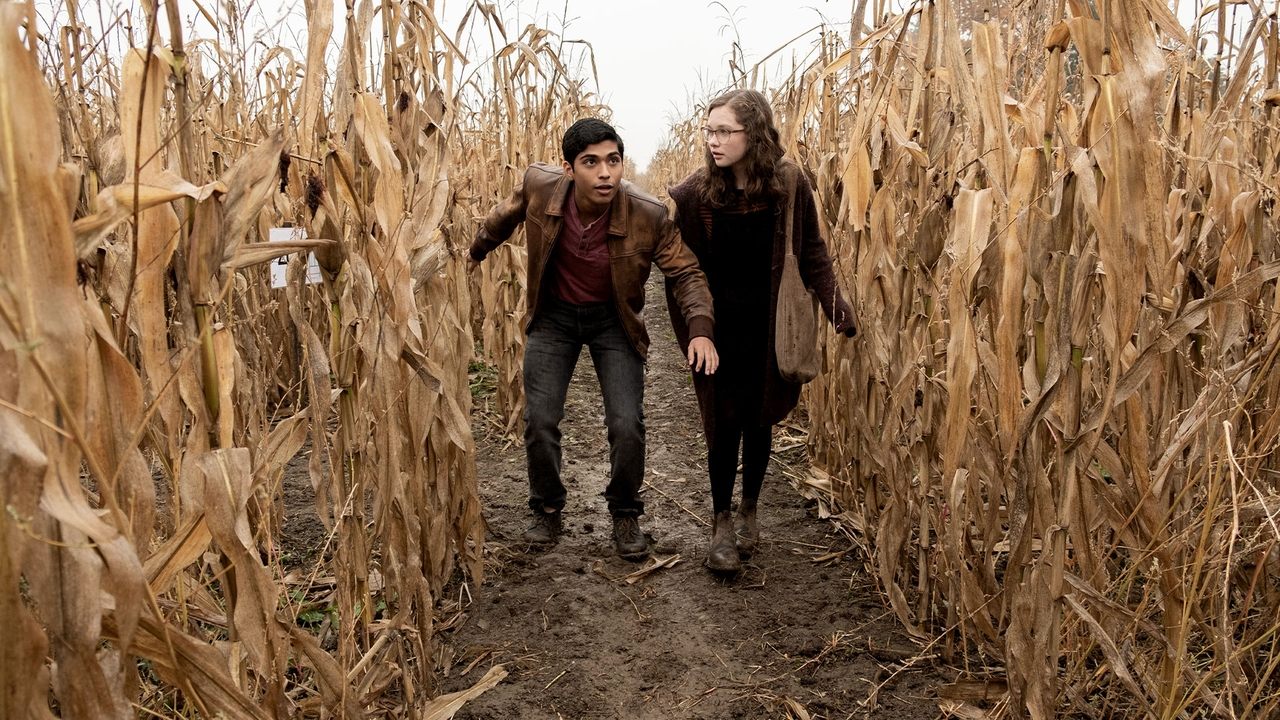
The biggest hurdle for this adaptation was the "anthology" problem. How do you turn a collection of short, punchline-driven urban legends into a single movie? The screenplay by Dan Hageman and Kevin Hageman opts for a Goosebumps-style framing device, but with a significantly sharper edge. We follow Zoe Colletti as Stella, a horror-obsessed teen in 1968 who, along with her friends, breaks into the local "haunted house" on Halloween. They find a book that writes itself in blood, tailoring a specific death—or disappearance—to the individual fears of whoever is mentioned on the page.
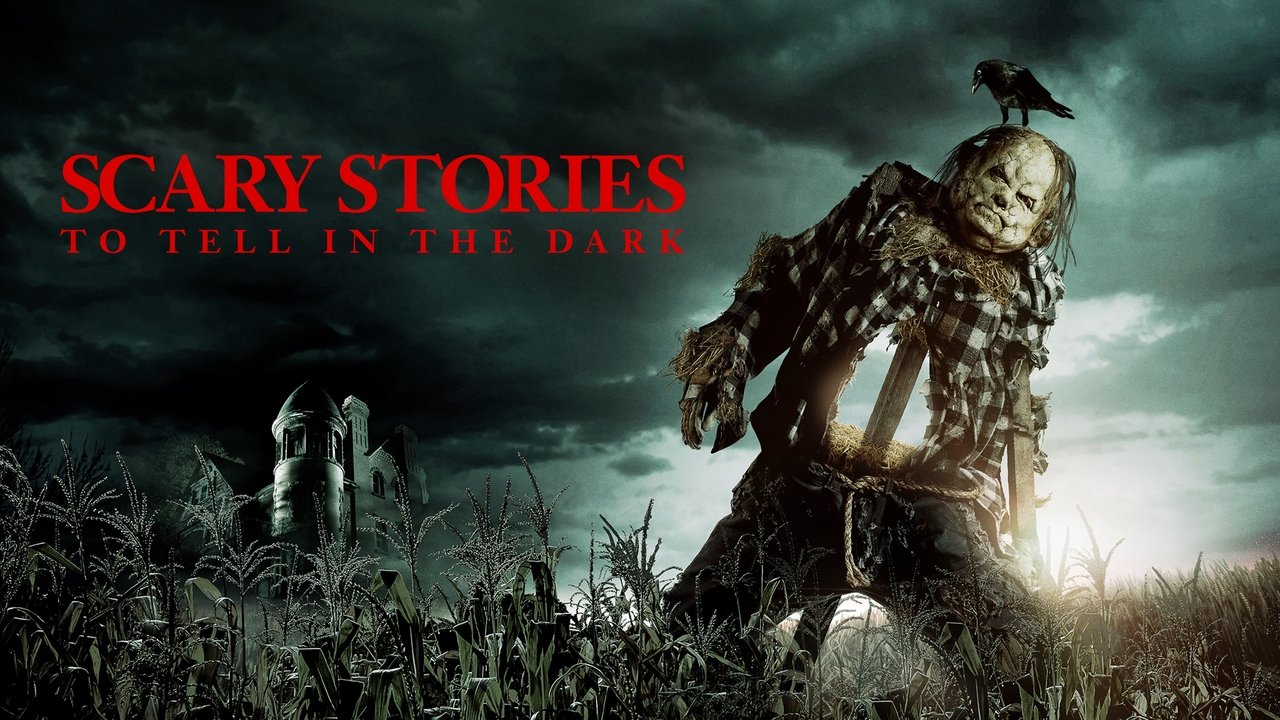
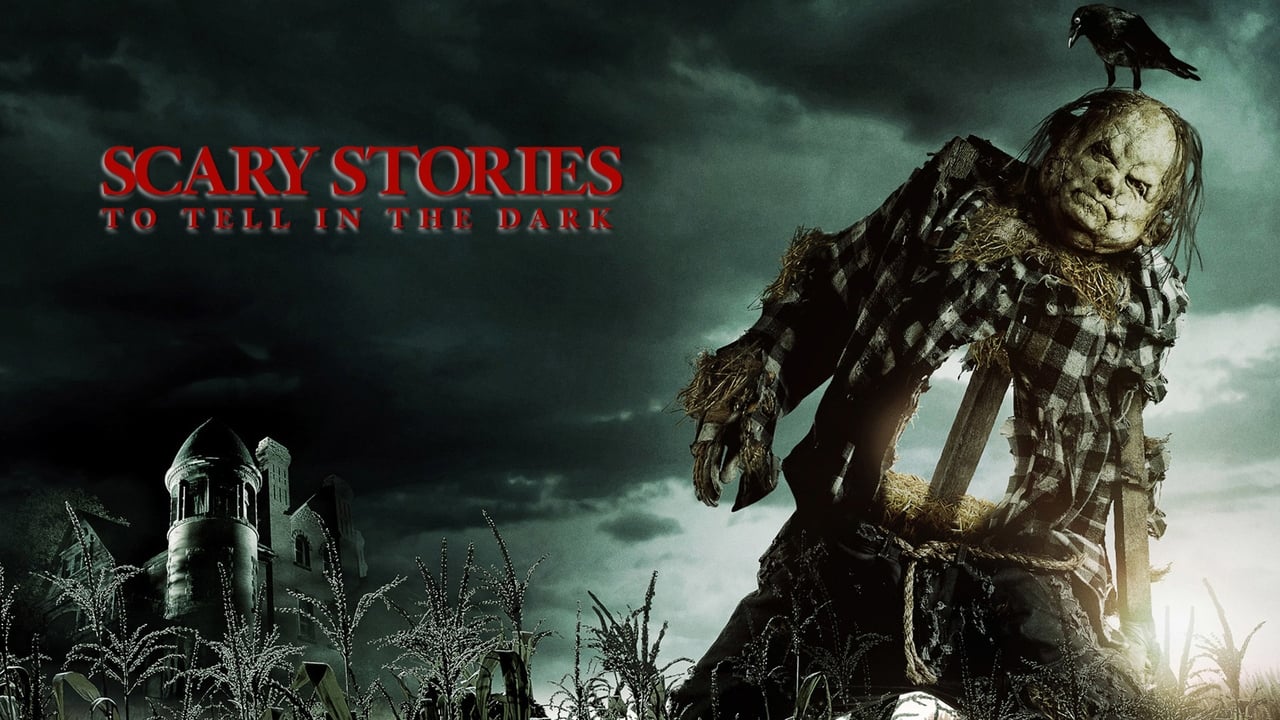
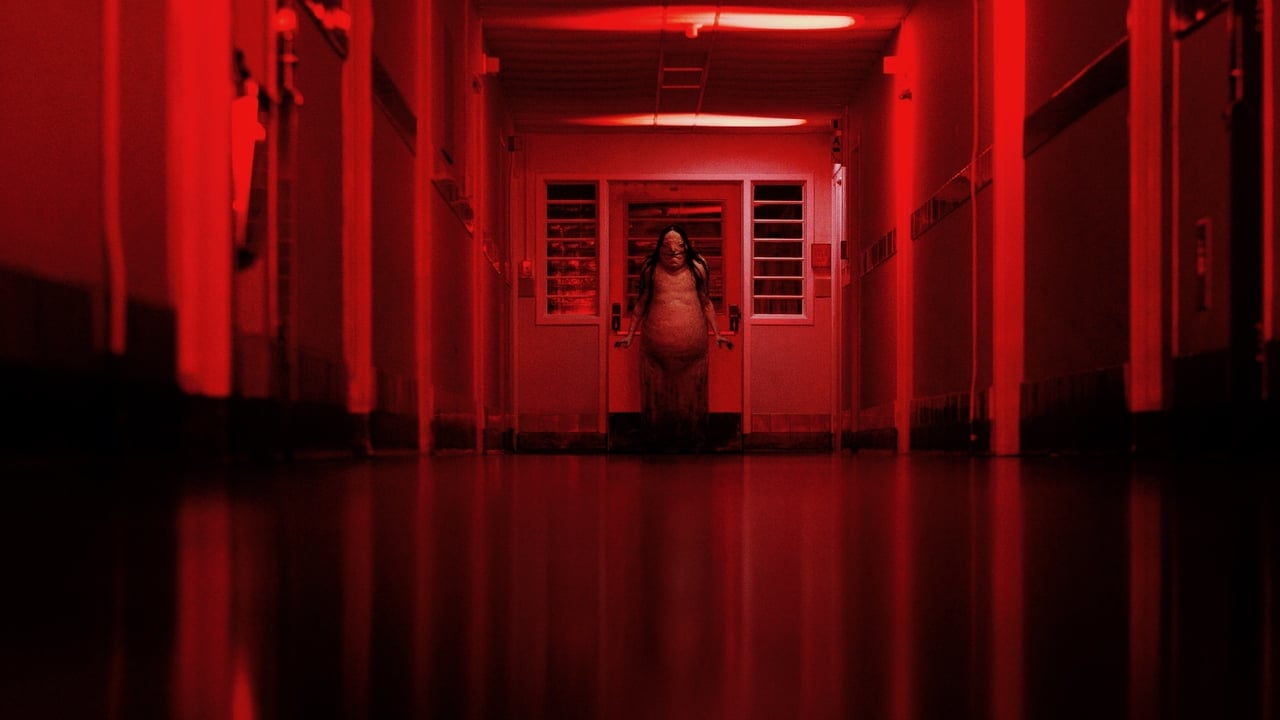
What immediately struck me was the reverence for the source material's visuals. The monsters aren't just generic CGI ghouls; they are three-dimensional recreations of Gammell’s sketches. The Pale Lady, with her vacant stare and monobrow, is genuinely unsettling because she moves with a slow, inescapable politeness. I watched this on my couch while my neighbor's leaf blower was screaming outside, which oddly added a rhythmic, industrial drone to the Jangly Man's entrance, making the experience even more jarring.
The Jangly Man is a particular standout of the production. While contemporary blockbusters often lean on digital shortcuts, Øvredal used Troy James, a real-life contortionist, to perform the creature’s bone-snapping movements. It’s that dedication to the "gross-out" factor that makes the film feel like a throwback to the 80s creature features I adore.
The Horror of the Real
Choosing to set the film in 1968 wasn't just a nostalgic "kids on bikes" trope (though it certainly rides that Stranger Things wave). By placing the story against the backdrop of the Vietnam War draft and the election of Richard Nixon, the film suggests that the monsters in the book are competing with the monsters in the news. Michael Garza gives a grounded, soulful performance as Ramón, a drifter facing the very real horror of racism and the military draft in a small Pennsylvania town.
I found that this historical grounding gave the scares more weight. When Gabriel Rush (as the lovable, snack-obsessed Auggie) is confronted by the "Toe Monster," the terror works because we’ve spent time with these kids as people, not just slasher-fodder. Zoe Colletti is particularly good here; she carries the "Final Girl" mantle with a relatable awkwardness that makes her feel like someone I actually would have traded paperbacks with in high school. The film manages to be basically Goosebumps if it had an actual body count and a nihilistic streak, and I think that’s why it resonated so well with audiences.
A Gateway Drug for Horror Fans
Financially, this was a massive win for Lionsgate and CBS Films. With a modest budget of $25 million, it clawed its way to over $104 million at the global box office. That’s an impressive feat for a non-franchise horror film in an era dominated by the MCU. It proved that there’s a massive appetite for "gateway horror"—movies that are intense enough to satisfy adults but accessible enough to traumatize a new generation of twelve-year-olds.
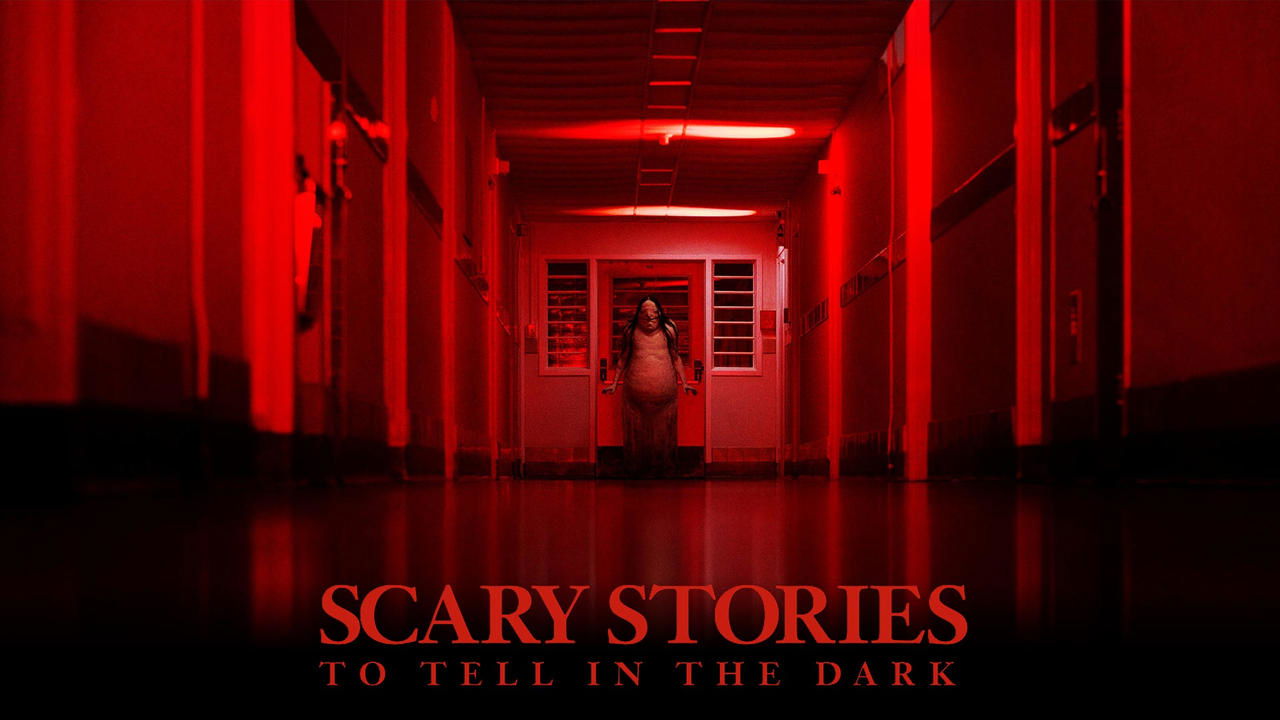
The marketing was brilliant, too. They released "mini-trailers" during the Super Bowl that focused entirely on the creatures, banking on the collective trauma of everyone who remembered those book covers. It worked. The film doesn't quite stick the landing with its ending—it leaves the door wide open for a sequel that has yet to materialize—but the journey through the Bellows’ family secrets is consistently entertaining. It treats the urban legends with respect while building a mythology that feels big enough to support its blockbuster ambitions.
Scary Stories to Tell in the Dark is a rare beast: a PG-13 horror movie that doesn't feel like it's pulling its punches. While it occasionally falls into the trap of predictable jump scares, the creature design and the 1968 setting elevate it above your standard studio fare. It’s a love letter to the power of storytelling and the way our personal ghosts have a habit of manifesting when we’re least prepared. If you want a movie that captures the feeling of reading under the covers with a flashlight, this is the one to grab.
Keep Exploring...
-
The Autopsy of Jane Doe
2016
-
The House with a Clock in Its Walls
2018
-

Jigsaw
2017
-
Escape Room
2019
-
Us
2019
-
The Conjuring: The Devil Made Me Do It
2021
-
Scream
2022
-
Smile
2022
-
Saw X
2023
-
The Last Voyage of the Demeter
2023
-
Longlegs
2024
-

Smile 2
2024
-

Weapons
2025
-
Happy Death Day
2017
-
Fantasy Island
2020
-
Antlers
2021
-
Scooby-Doo! Return to Zombie Island
2019
-
The Croods: A New Age
2020
-
Regression
2015
-
Nerve
2016