Scooby-Doo! Return to Zombie Island
"Nostalgia is the ultimate masked villain."
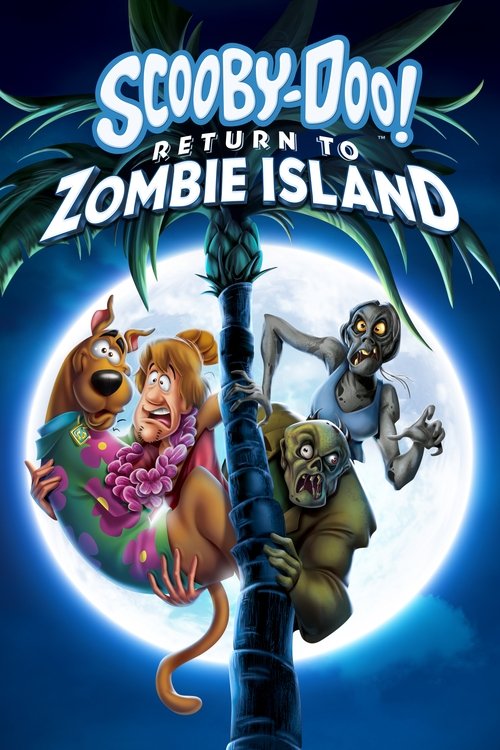
If you grew up in the late '90s, Scooby-Doo on Zombie Island wasn't just another cartoon—it was a seismic shift. It was the moment the Mystery Inc. gang grew up, the monsters became real, and the stakes actually felt dangerous. When I heard Warner Bros. was releasing a direct sequel for the franchise's 50th anniversary in 2019, I felt that familiar itch of excitement mixed with the modern dread we all feel when a "legacy sequel" is announced in this era of franchise saturation.
I watched this film on a Tuesday afternoon while wearing mismatched socks—one with blue stripes, one with cartoon avocados—and for some reason, that minor personal fashion disaster felt significantly less chaotic than this movie’s approach to its own continuity.
The Legacy Sequel Trap
Scooby-Doo! Return to Zombie Island arrives at a very specific moment in cinema history. We are currently living through the "Era of the Return," where every intellectual property from our childhood is being dragged out of the vault, dusted off, and given a meta-narrative makeover. Directors Ethan Spaulding and Cecilia Aranovich had the unenviable task of following up a cult classic while adhering to the modern, sanitized aesthetic of the current direct-to-video Scooby-Doo run.
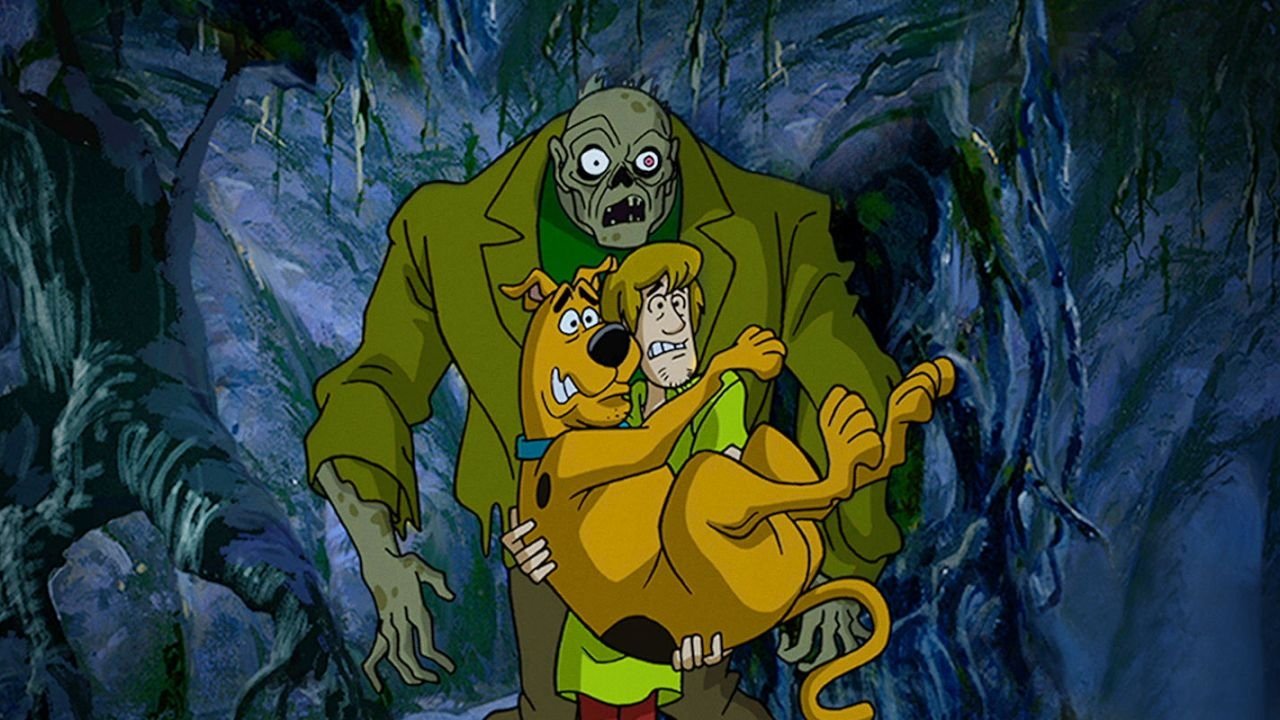
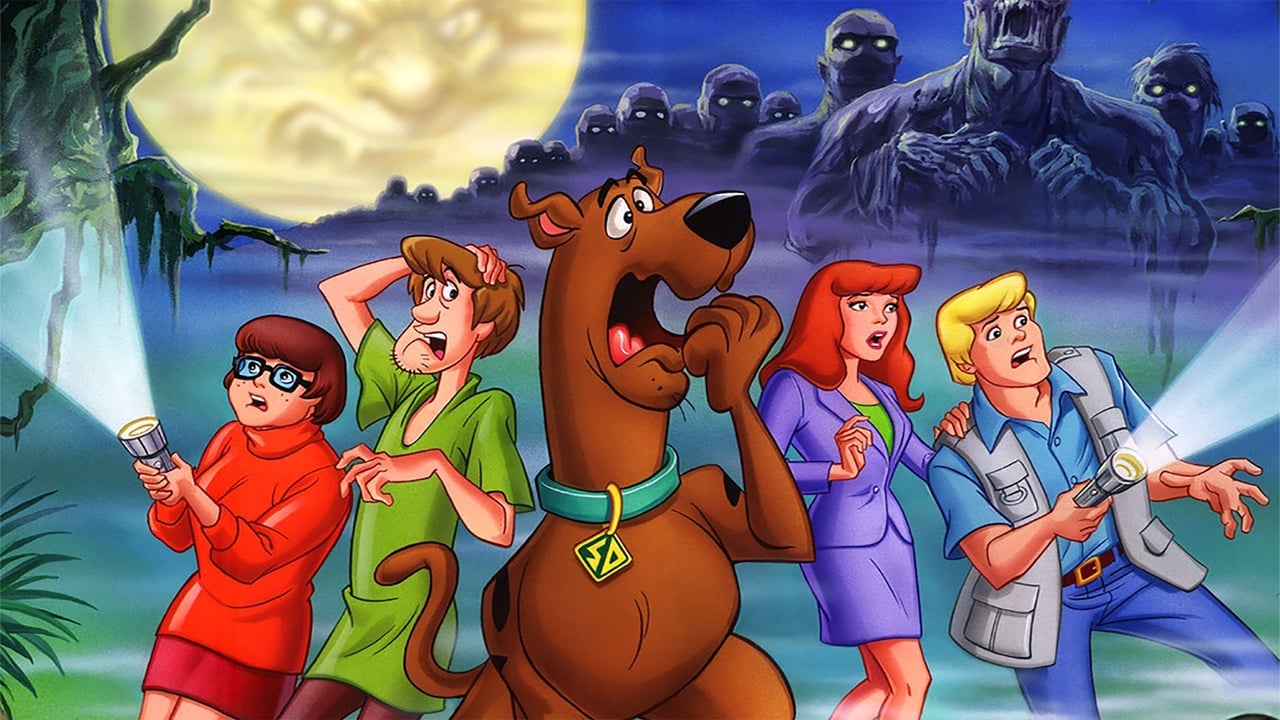
The plot kicks off with the gang "retiring" from mystery-solving after the opening sequence goes south. They win a trip to a tropical paradise, which—surprise, surprise—turns out to be the same bayou where they fought cat-creatures and zombies decades ago. The setup is pure fan service, but it’s handled with a contemporary self-awareness that almost feels like the movie is apologizing for its predecessor. The film is essentially an 80-minute gaslighting session directed at anyone who actually liked the 1998 original.
Velma’s Rationalization Station
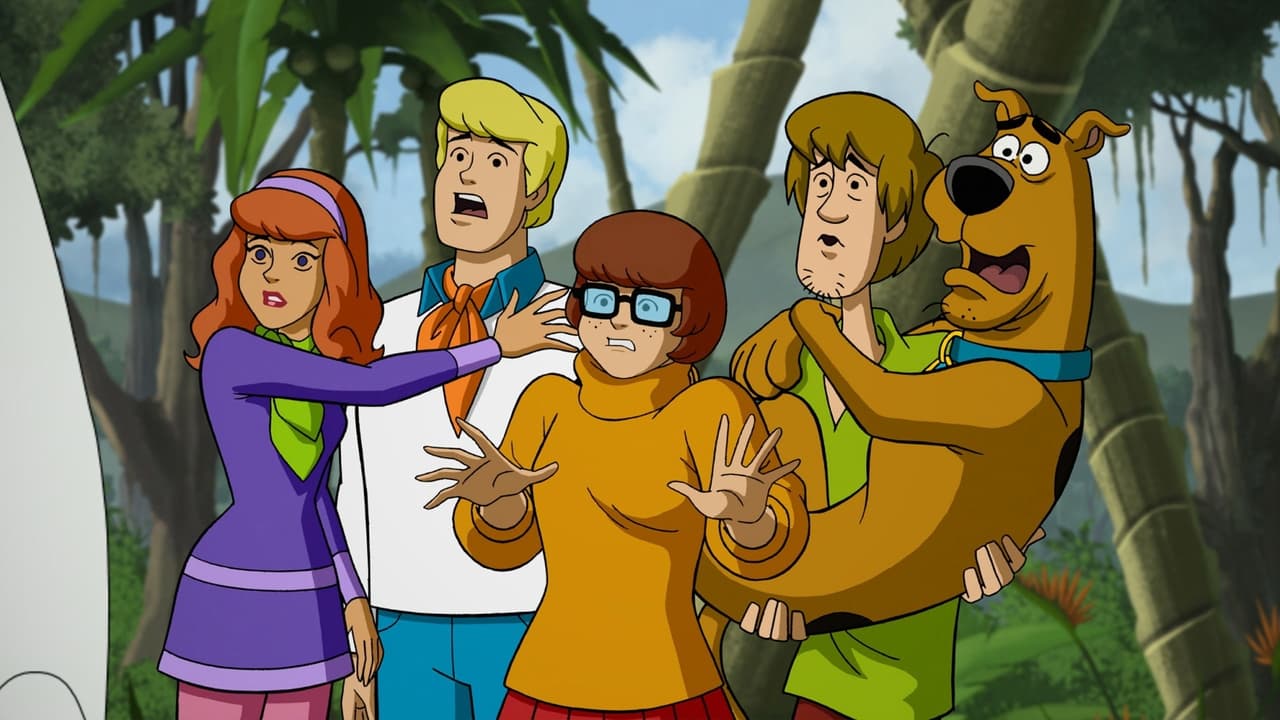
The biggest hurdle for a contemporary audience—and certainly for returning fans—is the characterization of Velma Dinkley. Voiced by Kate Micucci, this version of Velma is a product of the "logical/skeptical" trend in modern animation where every supernatural event must have a scientific explanation, no matter how absurd. In the 1998 film, the zombies were objectively real. In this 2019 sequel, Velma spends the entire runtime trying to explain away those previous events as "hallucinations caused by swamp gas" or "unreliable memories."
It’s a fascinating, if frustrating, creative choice. It reflects our current cultural obsession with debunking and "grounding" fantasy. However, watching Matthew Lillard (who remains the definitive Shaggy, perfectly channeling the energy he brought to the live-action films) and Frank Welker (the legendary voice of Scooby and Fred) react to Velma's skepticism is the highlights of the film. Matthew Lillard’s performance is the only thing keeping the movie’s soul intact. He brings a frantic, earnest energy that reminds you why we love these characters, even when the script is trying to pull a fast one on us.
Clean Lines and Missed Atmosphere
Technically, the film is a product of its time. The animation is clean, bright, and efficient—the hallmarks of modern Warner Bros. Animation. But horror, as a genre, thrives on shadows and grit. The original Zombie Island was drenched in atmosphere, using a muted palette and detailed backgrounds to create a sense of genuine dread. Return to Zombie Island looks like a high-definition cereal commercial. It’s pleasant to look at, but it lacks the "creepy" factor required to justify its title.
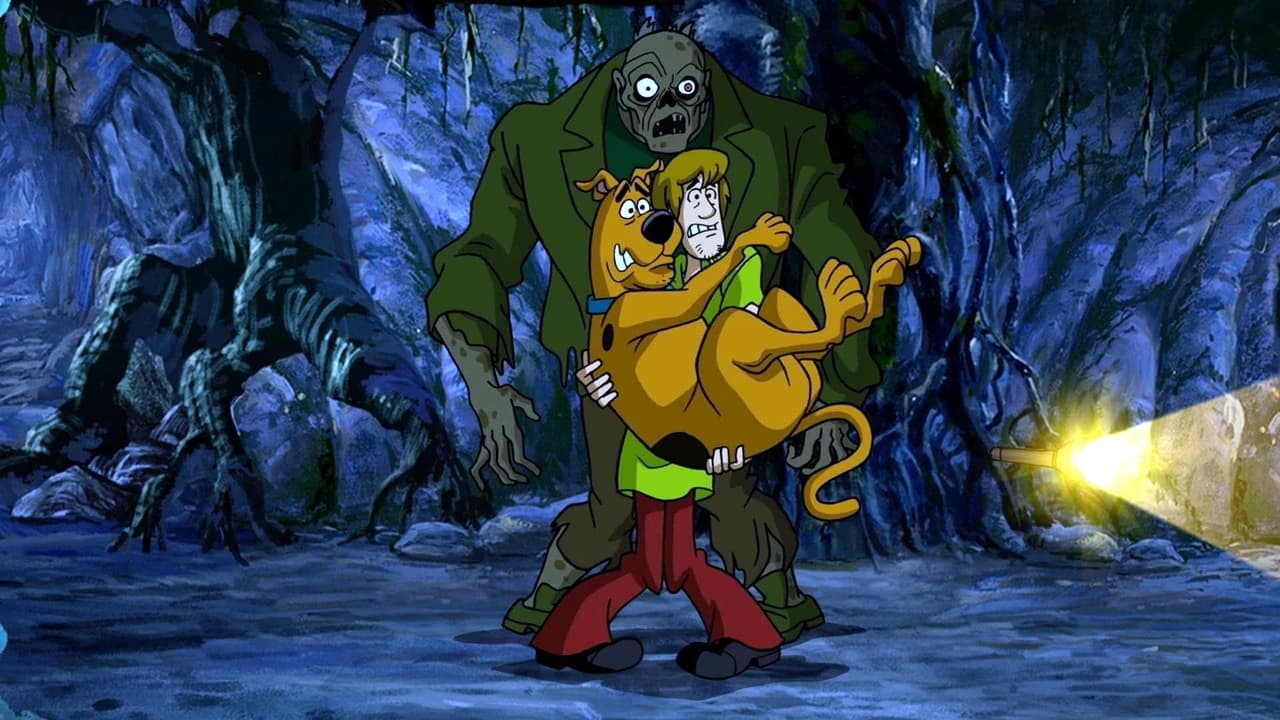
The "monsters" this time around are handled with a "meta" twist involving a film crew (led by David Herman as the director, Jack), which is a very 2010s way of telling a story. It’s a movie about making a movie about a mystery. While this allows for some clever jokes about the tropes of the franchise, it ultimately robs the film of any real tension. The zombies in this movie have all the threatening aura of a group of teenagers waiting in line for a Starbucks.
There are some fun trivia nuggets buried in the production, though. For instance, the film cleverly references the fact that the Mystery Machine was lost in the previous era, forcing Fred (voiced with wonderful, oblivious bravado by Frank Welker) to deal with his "van-related trauma." It’s these small, character-driven moments that feel the most contemporary and successful, acknowledging that these characters have histories that matter to the viewers.
Scooby-Doo! Return to Zombie Island is a curious artifact of the late 2010s. It’s a film that desperately wants to capitalize on the nostalgia of the 30-somethings who remember the '90s peak, while simultaneously catering to a younger demographic that expects shorter attention spans and less "real" peril. It’s a legacy sequel that seems embarrassed by the very legacy it’s standing on. While the voice cast is phenomenal and the pacing is brisk enough to keep you through your 5-minute break, it ultimately proves that some islands are better left unvisited. It’s a harmless distraction, but for those of us who remember when the zombies were real, it feels a bit like a mystery that didn't actually need solving.
Keep Exploring...
-
Olaf's Frozen Adventure
2017
-
The Addams Family 2
2021
-
Chip 'n Dale: Rescue Rangers
2022
-

Hotel Transylvania: Transformania
2022
-
Luck
2022
-
Nimona
2023
-
Kung Fu Panda 4
2024
-
Red Shoes and the Seven Dwarfs
2019
-
Alvin and the Chipmunks: The Road Chip
2015
-
Justice League vs. Teen Titans
2016
-
The Lego Ninjago Movie
2017
-
Onward
2020
-

Scoob!
2020
-
Clifford the Big Red Dog
2021
-
The Ice Age Adventures of Buck Wild
2022
-
Ruby Gillman, Teenage Kraken
2023
-
Trolls Band Together
2023
-
The SpongeBob Movie: Sponge Out of Water
2015
-

Trolls
2016
-
Frozen II
2019