Shaft
"Three generations. One name. Way too much attitude."
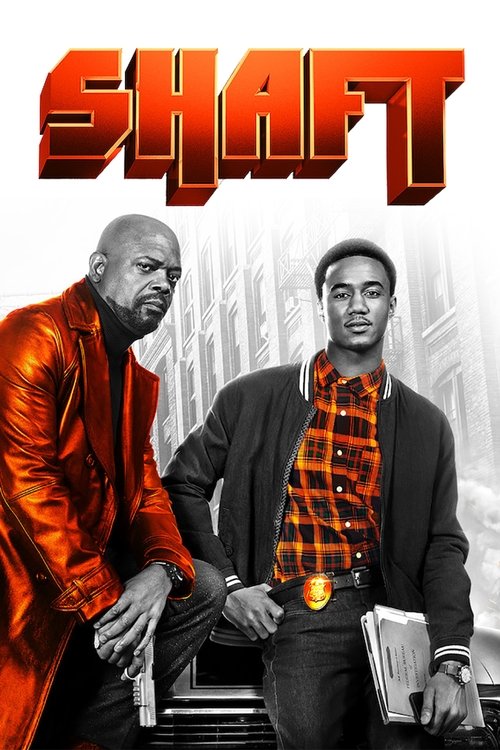
I watched this on a Tuesday night while my neighbor was practicing the trombone downstairs, and honestly, the muffled, slightly off-key brassy accompaniment kind of fit the vibe. 2019's Shaft is a movie that exists in a strange, hyper-aware bubble, caught between wanting to celebrate the hyper-masculine swagger of the 1970s and acknowledging that, in the current era, John Shaft is basically a human HR violation.
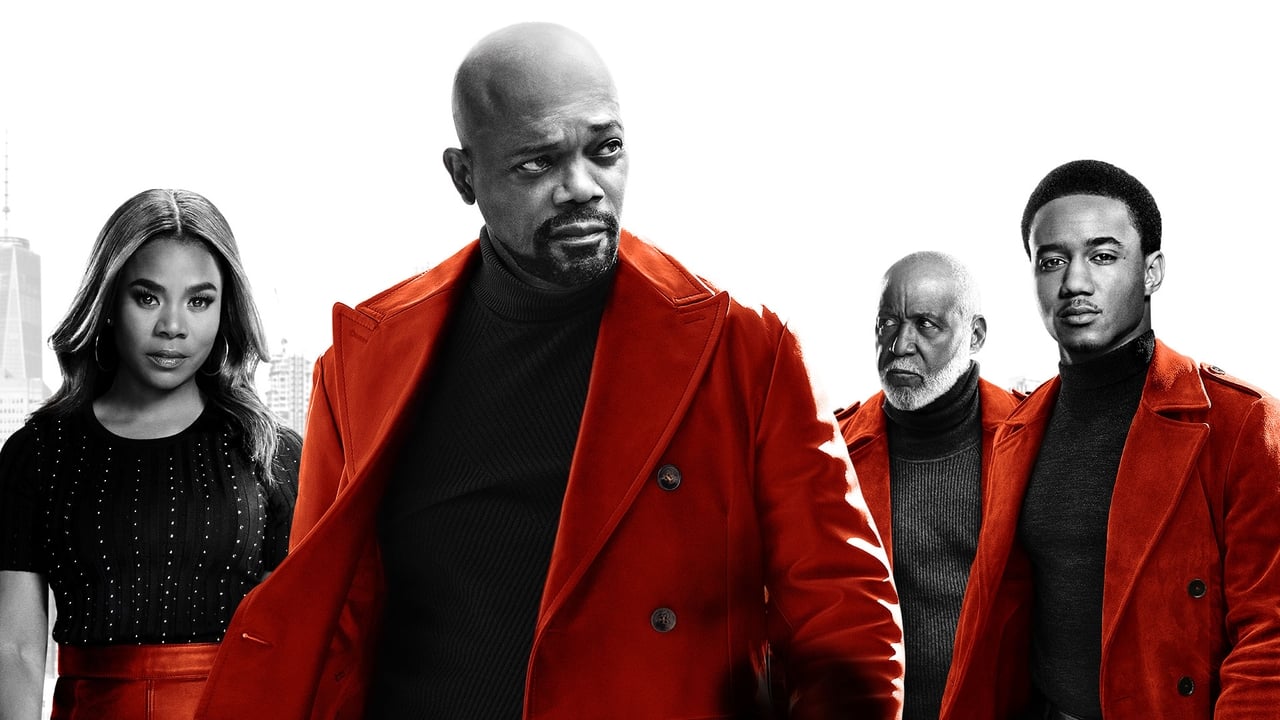
When I first heard Kenya Barris—the mind behind Black-ish—was co-writing a Shaft script directed by Tim Story (Barbershop, Ride Along), I knew exactly what we were getting. This isn't the gritty, soul-infused New York noir of the 1971 original, nor is it the simmering, high-intensity John Singleton revival from 2000. This is a movie that is basically "Old Man Yells At Cloud: The Action Movie," and your enjoyment of it depends entirely on whether you find Samuel L. Jackson’s specific brand of unfiltered crankiness endearing or exhausting.
The Great Generational Gap
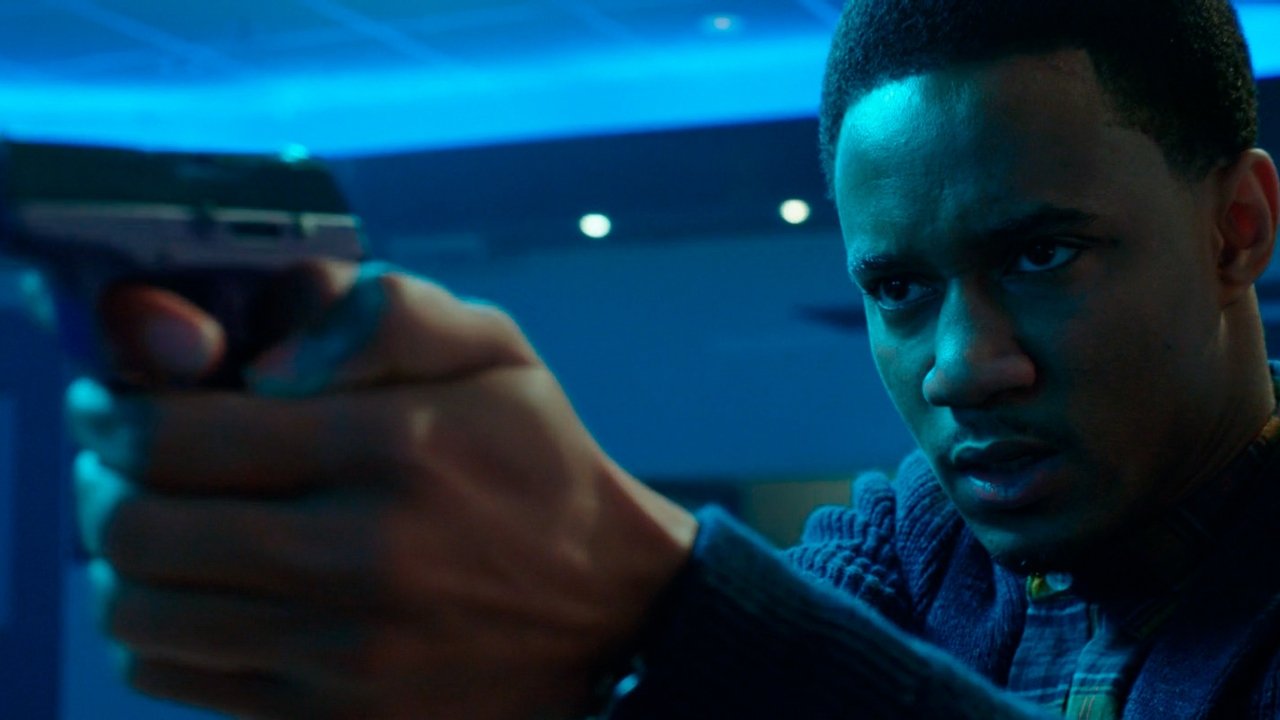
The film sets up a classic "odd couple" dynamic with JJ (played by Jessie T. Usher), a data-driven FBI analyst who drinks coconut water and uses logic instead of his fists. He’s the estranged son of Samuel L. Jackson’s John Shaft II, and when JJ’s best friend dies under suspicious circumstances, he has to recruit his "legendary" father to navigate the streets of Harlem.
It’s a fascinating lens to view a 2019 film through. We are in the thick of the "Legacy Sequel" era, where IP is king, but the film chooses to lean into the friction of the cultural moment rather than smoothing it over. JJ represents the digital, empathetic, and arguably more "woke" modern professional, while his father represents a time when solving a problem involved throwing a guy out a window and asking questions to his falling silhouette. The movie spends a lot of time poking fun at JJ’s "Millennial" sensibilities—it’s essentially a $30 million excuse for Sam Jackson to call people "pussy" while wearing a very expensive leather trench coat.
Jessie T. Usher (who many now know as A-Train in The Boys) handles the straight-man role well, though he’s often overshadowed by the sheer gravitational pull of Samuel L. Jackson. But the real secret weapon here is Regina Hall as Maya. She brings a grounding, hilarious energy to the screen, reminding us that while Shaft might be the "baddest man on the planet," he’s still terrified of his ex.
Guns, Glitz, and 70s Grit
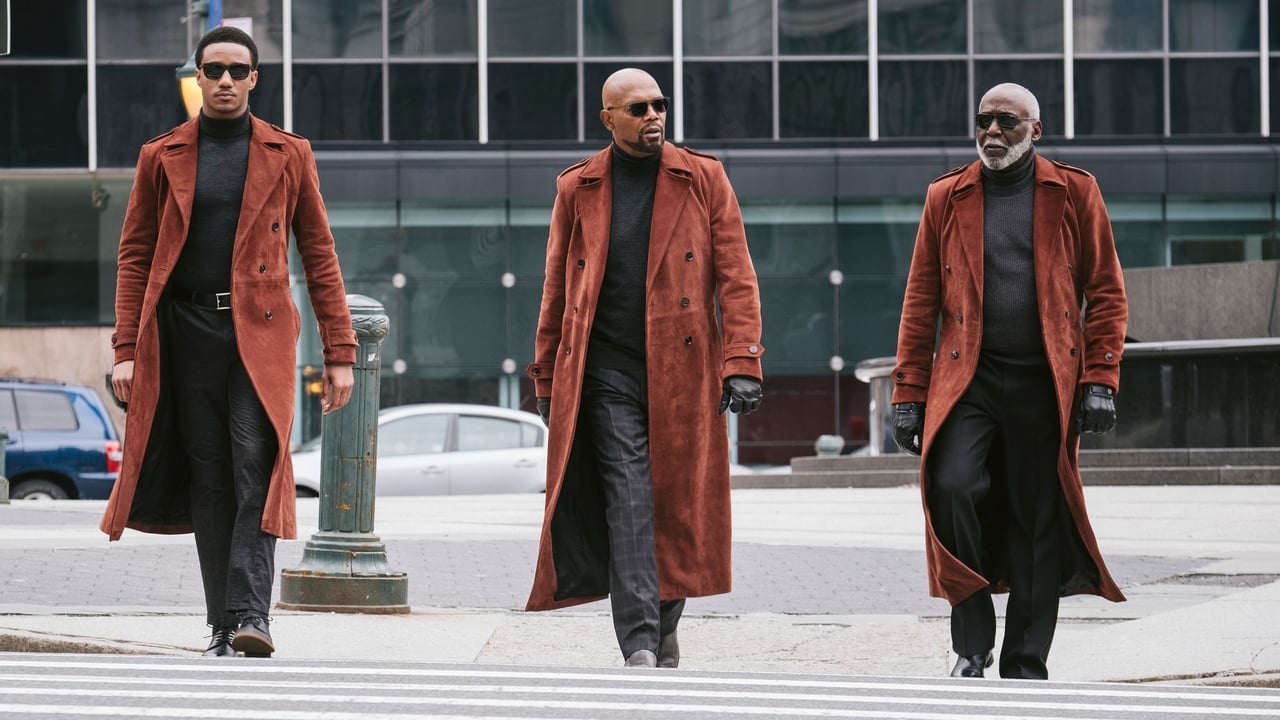
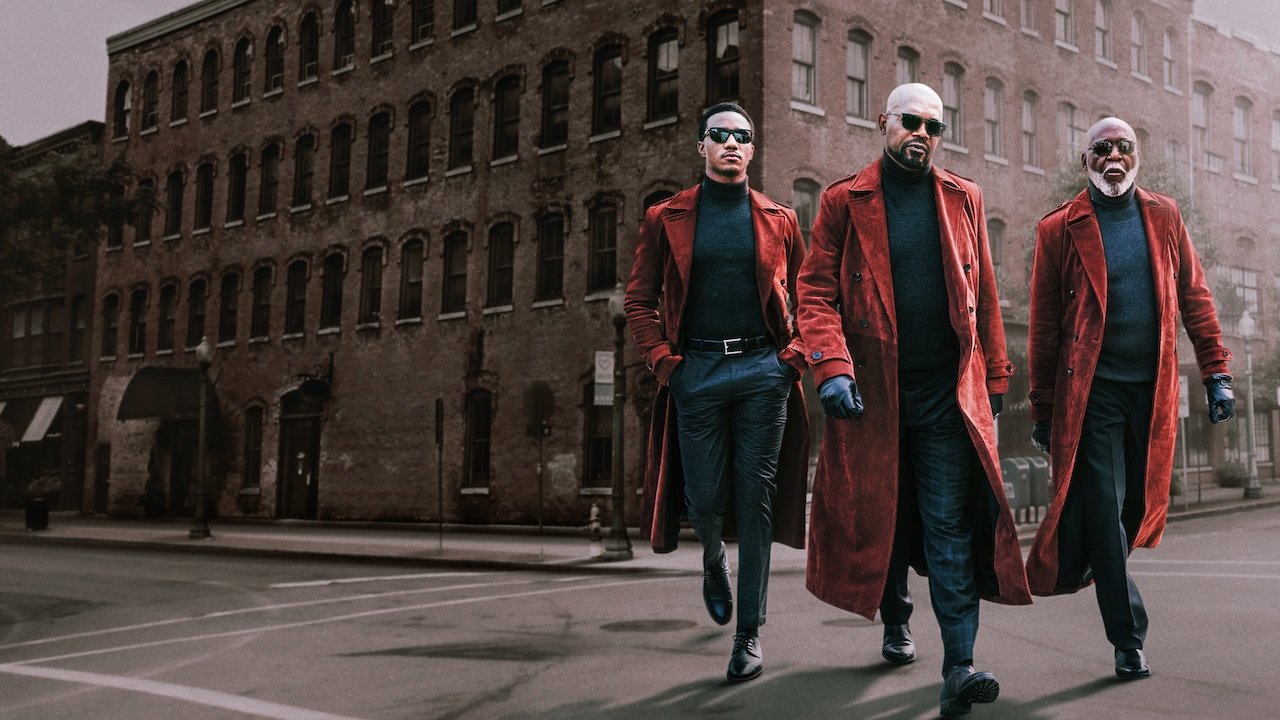
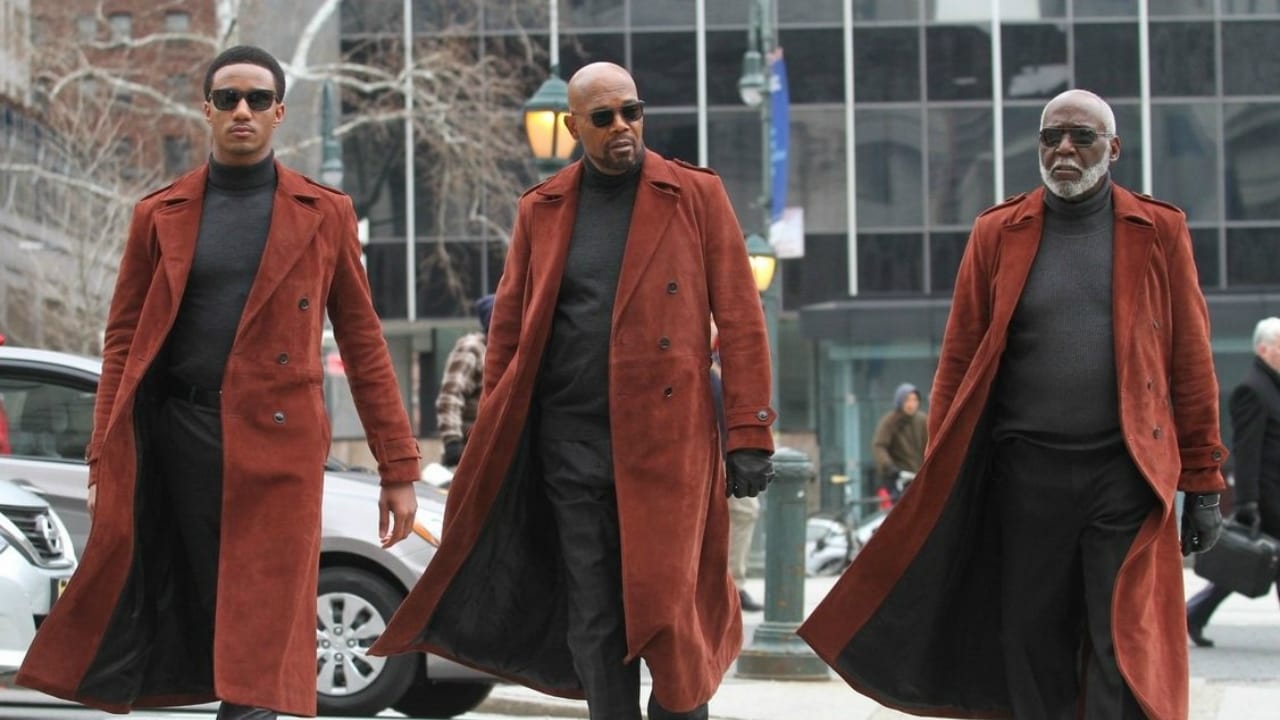
From an action standpoint, Tim Story keeps things light and readable. I’ve always appreciated that Tim Story doesn't over-edit his fights into a chaotic soup of "shaky-cam" nonsense. The shootouts are staged with a rhythmic, almost sitcom-like clarity. The highlight is undoubtedly the climax, which pulls in Richard Roundtree—the original 1971 Shaft—to create a three-generation squad of stylish mayhem.
Interestingly, the movie retcons the 2000 film; back then, Richard Roundtree was supposedly Samuel L. Jackson's uncle, but here, he’s officially the father. It’s a small detail, but it allows for a fun dynamic where the "Grandpa Shaft" is actually the most reasonable person in the room.
The cinematography by Larry Blanford doesn't try to replicate the grain of 70s film stock, choosing instead a bright, digital crispness that screams "modern studio comedy." It’s clean, functional, and efficient. However, the soundtrack is where the movie really connects back to its roots. Christopher Lennertz does a great job interpolating Isaac Hayes’ iconic theme, ensuring that every time a Shaft enters a room, your speakers are doing a lot of the heavy lifting to make them look cool.
A Streaming-Age Identity Crisis
There’s a bit of "inside baseball" trivia regarding how this film was released that explains its weird tone. While it hit theaters in the U.S. via New Line Cinema, it was actually distributed internationally by Netflix just two weeks later. This hybrid release strategy was a harbinger of the pandemic-era shifts we’d see a year later. It explains why the movie feels like it was designed for a living room audience—it’s punchy, episodic, and relies heavily on verbal banter rather than massive, world-ending spectacle.
Financially, the movie was a bit of a theatrical dud, barely clawing back $21 million against its $30 million budget. But that doesn’t quite tell the whole story. In the streaming era, a film like Shaft finds its legs on a Friday night when someone is scrolling through a menu looking for something that "goes down easy." It’s "comfort food" action. It doesn’t demand you contemplate the geopolitical state of the world; it just wants you to laugh when an old man mocks his son for not knowing how to throw a punch.
One of the more interesting behind-the-scenes bits is that Kenya Barris and Alex Barnow reportedly leaned heavily into the "fish out of water" comedy because they realized the traditional "detective" tropes had been done to death. By making it a father-son road trip movie disguised as a crime thriller, they gave it a reason to exist in 2019 beyond mere nostalgia.
If you're looking for a deep dive into the socio-economic struggles of Harlem or a gritty procedural, you’re in the wrong zip code. Shaft (2019) is a loud, occasionally problematic, but undeniably fun romp that relies almost entirely on the charisma of its lead actors. It’s a movie that knows it’s a relic and decides to wear that status like a badge of honor. It’s not a masterpiece, but it’s a great way to spend 111 minutes if you just want to see some cool coats and hear some well-timed quips. Just don't let the HR department catch you watching it at work.
Keep Exploring...
-
Shaft
2000
-
Keanu
2016
-
Taxi
2004
-

Masterminds
2016
-
Ride Along 2
2016
-
CHiPs
2017
-

See How They Run
2022
-

Murder Mystery 2
2023
-

Beverly Hills Cop: Axel F
2024
-
Lift
2024
-

Terminal
2018
-

The Naked Gun
2025
-
I Can Quit Whenever I Want 2: Masterclass
2017
-
The Hitman's Bodyguard
2017
-

Game Night
2018
-

Murder Mystery
2019
-

Army of Thieves
2021
-

The Unbearable Weight of Massive Talent
2022
-

Survivor
2015
-
Spy
2015