Spider-Man: Far From Home
"Heavy is the head that wears the mask."
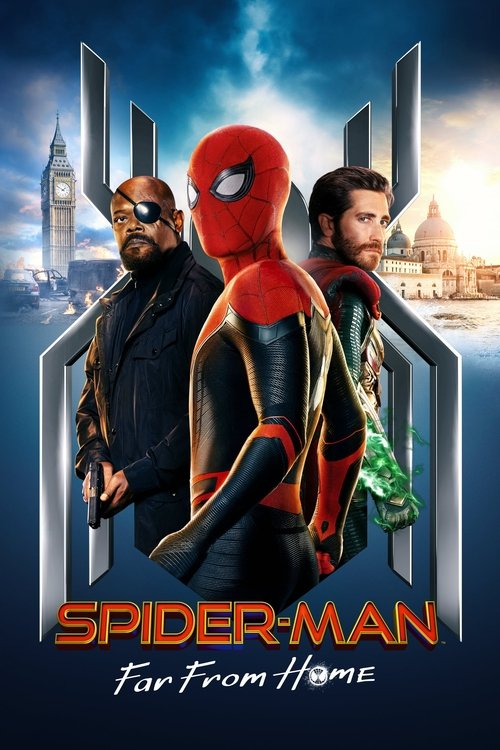
The sheer audacity of following up the cinematic supernova of Avengers: Endgame with a breezy teen comedy about a European field trip is, frankly, the most "Spider-Man" move Marvel could have made. While the rest of the MCU was reeling from the literal dust settling, Peter Parker just wanted to know if he could secure a seat next to his crush on a flight to Venice. It’s this grounded, almost stubborn refusal to let go of the "friendly neighborhood" vibe that makes Spider-Man: Far From Home such a refreshing palate cleanser, even as it shoulders the massive burden of being the franchise’s first real step into a post-Iron Man world.
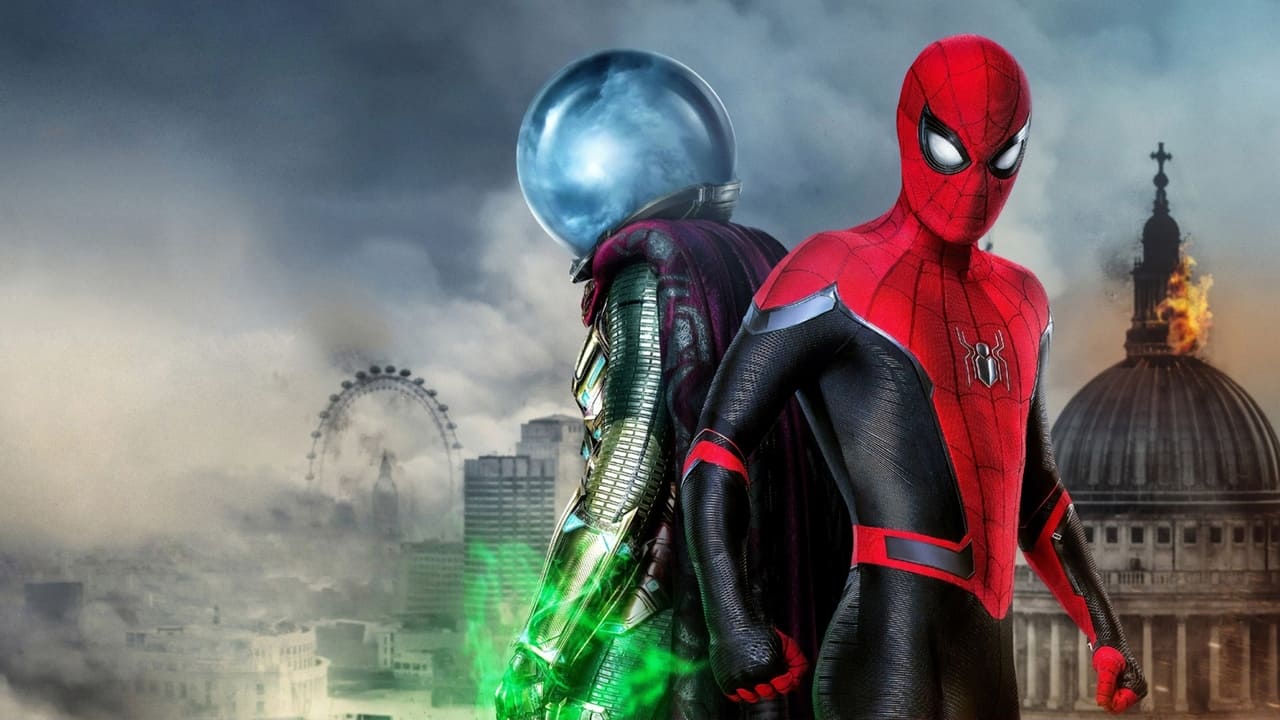
I watched this on a Tuesday afternoon while eating a slightly stale bagel, and the crunch of the poppy seeds echoed every time Peter hit a wall in Venice, which honestly made the hits feel significantly more painful.
Gaslighting in 4K
If the first film was about Peter trying to join the big leagues, this one is about the terrifying realization that the big leagues are a mess. Tom Holland continues to be the definitive live-action Peter Parker for me, perfectly capturing that frantic, "I’m-doing-my-best" energy of a kid who is technically a god-tier athlete but still can’t figure out a basic social interaction. But the real spark here is Jake Gyllenhaal as Quentin Beck.
Coming off intense roles in films like Nightcrawler and Donnie Darko, Gyllenhaal brings a fascinating, meta-textual layer to the blockbuster villain. He isn't just a guy in a fishbowl helmet; Mysterio is basically a disgruntled middle manager with a massive VFX budget and a God complex. The film uses him to comment on our current era of "fake news" and curated realities. When the "Elementals" attack, it’s all spectacle, but the film’s mid-point twist reveals that the real danger isn't a giant fire monster—it’s the person who controls the narrative.
The action choreography in the Berlin sequence is the absolute peak of the MCU’s visual creativity. It’s a psychedelic nightmare that feels like a 21st-century update to the trippiest moments of Doctor Strange. Watching Spidey navigate a maze of shifting realities, fake Iron Man corpses, and endless mirrors shows how far digital effects have come when they’re used to enhance a specific directorial vision rather than just filling the frame with grey debris.
The Weight of the Glasses
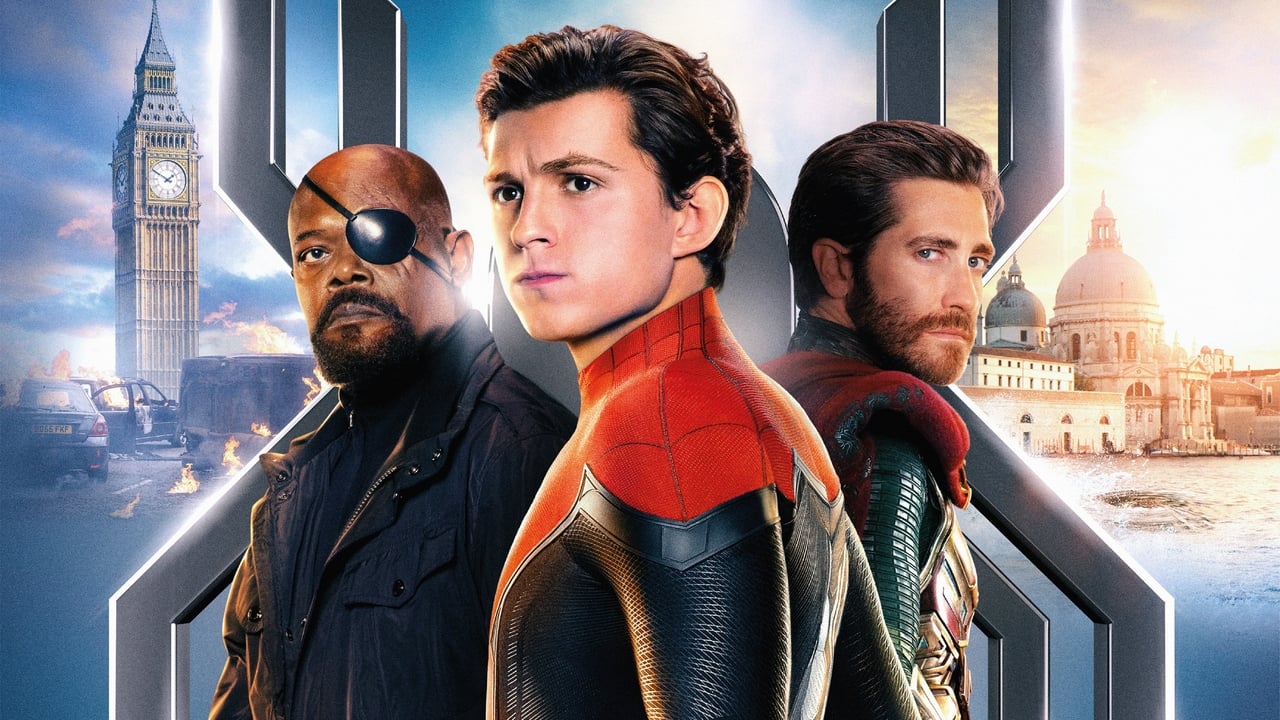
For a film that features a teen romance subplot involving Zendaya (who is brilliantly dry and observant here), there’s a surprising amount of industry weight behind the scenes. This was a massive commercial bet for Sony and Marvel Studios. It wasn’t just a sequel; it was a proof of concept. Could the MCU survive without its primary anchors? The answer was a resounding yes, as Far From Home became the first Spider-Man film to ever cross the $1 billion mark, eventually raking in over $1.132 billion worldwide. It officially unseated Skyfall (2012) as Sony’s highest-grossing film of all time—a record it held until Peter’s next outing.
The production scale was enormous, filming across Venice, Prague, and London to capture that authentic "Euro-trip" aesthetic. Interestingly, Jake Gyllenhaal reportedly loved his "superhero suit" so much that he insisted on wearing the physical costume as much as possible, despite the production being prepared to use CGI for the more cumbersome parts. That physical presence helps; even in a movie about illusions, you can feel the weight of the characters in the room.
We also see the "Happy Hogan" evolution here. Jon Favreau (the man who essentially birthed the MCU by directing Iron Man) steps into a pseudo-father-figure role that feels earned. His chemistry with Marisa Tomei's Aunt May is a fun, low-stakes subplot that keeps the film from floating too far away into the sci-fi ether.
Living in the Shadow of Giants
What I find most interesting about Far From Home is how it handles franchise fatigue by leaning directly into it. Peter is tired. He’s grieving. He literally tries to ghost Samuel L. Jackson's Nick Fury. In an era where every blockbuster feels like it’s setting up five other movies, it was a bold choice to make the protagonist’s primary motivation "please let me just go to a museum with my friends."

The film also dropped one of the most effective mid-credits stingers in recent memory. By bringing back J.K. Simmons as J. Jonah Jameson, the movie bridged the gap between the nostalgic Raimi era and the hyper-connected present. It was a masterclass in using "fan service" as a narrative weapon—turning Peter’s biggest victory into a terrifying cliffhanger in a matter of seconds.
Ultimately, this is a film about the pressure of legacy. It asks if a kid from Queens can fill the shoes of a billionaire genius, and then wisely concludes that he shouldn't have to. It’s a bright, funny, and occasionally trippy adventure that proves Spidey is at his best when he’s just a little bit out of his depth.
Spider-Man: Far From Home is a rare sequel that manages to expand the world while keeping the emotional stakes intimate. It navigates the post-blip landscape with humor and heart, anchored by a villain who feels perfectly tuned to our modern, screen-obsessed anxieties. It's a high-flying reminder that even when the world is ending, being a teenager is still the hardest job on the planet.

Keep Exploring...
-
Spider-Man: Homecoming
2017
-
Spider-Man: No Way Home
2021
-
Ant-Man and the Wasp
2018
-
Avengers: Age of Ultron
2015
-

Captain Marvel
2019
-
Ant-Man
2015
-
Jurassic World
2015
-
Maze Runner: The Scorch Trials
2015
-

Star Wars: The Force Awakens
2015
-

The Hunger Games: Mockingjay - Part 2
2015
-
Captain America: Civil War
2016
-
Rogue One: A Star Wars Story
2016
-
Guardians of the Galaxy Vol. 2
2017
-
Star Wars: The Last Jedi
2017
-
Thor: Ragnarok
2017
-
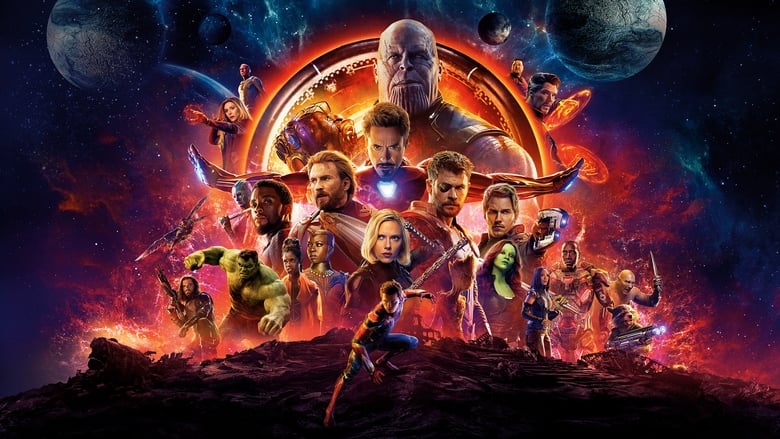
Avengers: Infinity War
2018
-

Black Panther
2018
-
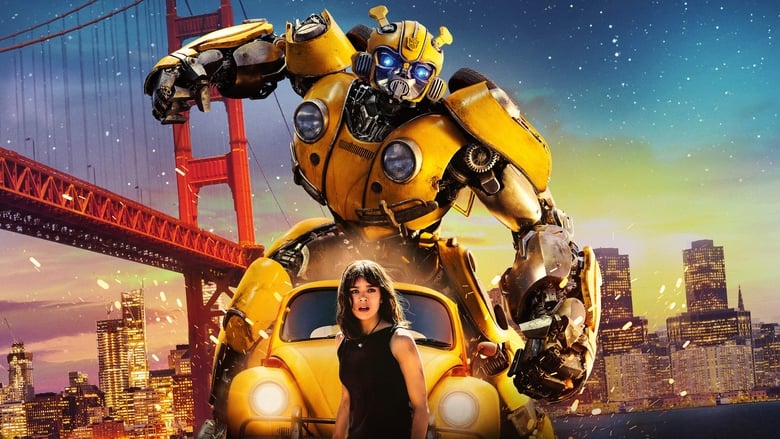
Bumblebee
2018
-
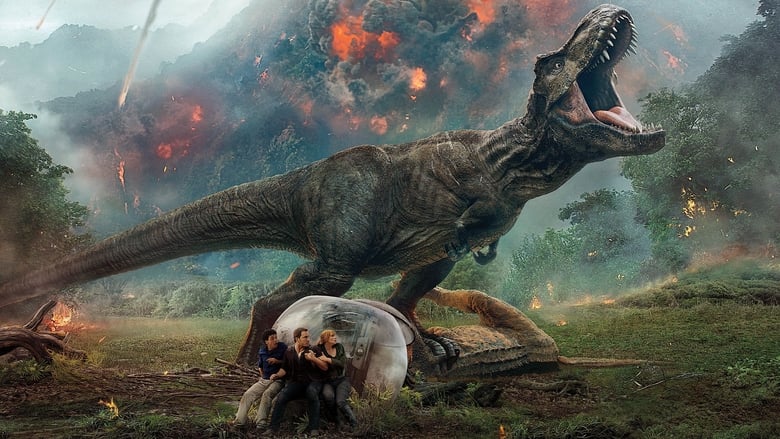
Jurassic World: Fallen Kingdom
2018
-
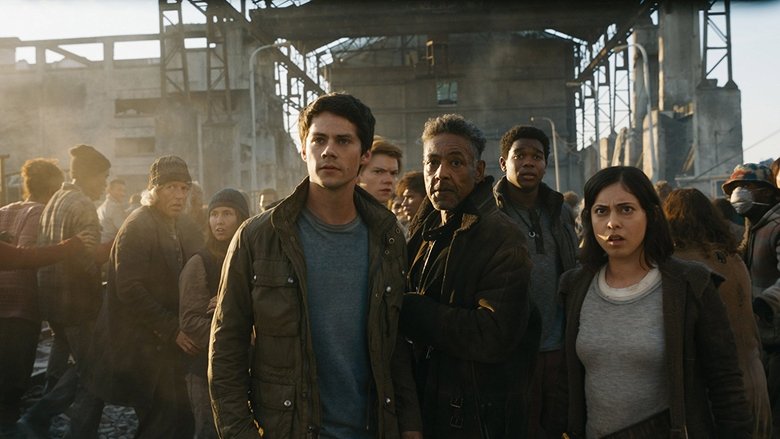
Maze Runner: The Death Cure
2018