Star Wars: The Rise of Skywalker
"The galaxy's loudest, fastest scavenger hunt concludes."
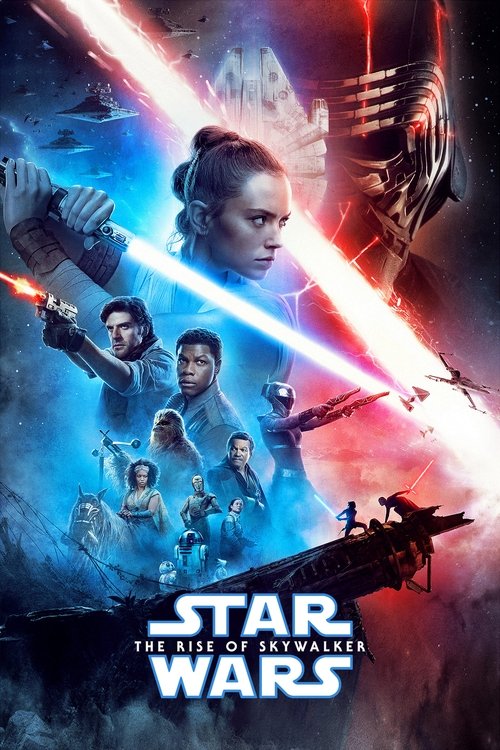
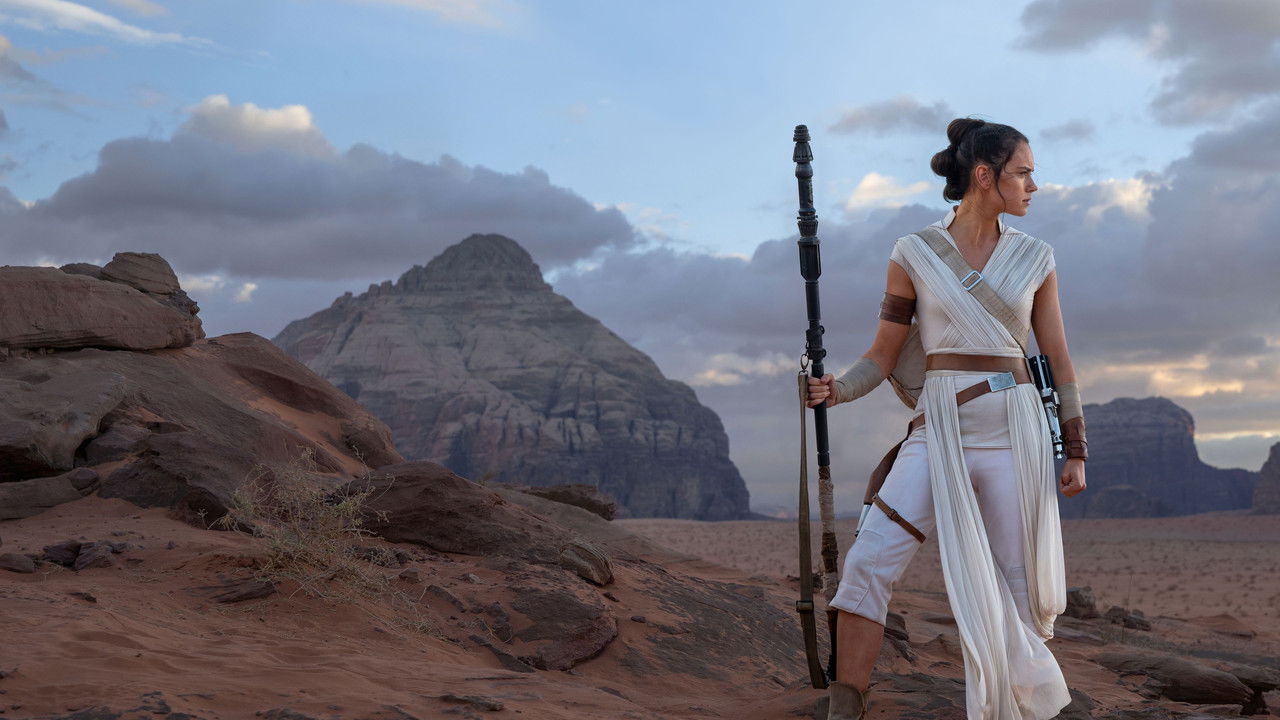
Walking into the finale of a nine-film odyssey feels less like a movie screening and more like attending a high-stakes court hearing. By 2019, the cultural gravity of Star Wars had become so heavy that the film itself almost felt secondary to the discourse surrounding it. I watched this at a theater where the air conditioning was completely broken, making the desert scenes on Pasaana feel strangely immersive, though I suspect the sweat on my brow was mostly from the sheer narrative exhaustion of trying to keep up with J.J. Abrams’ breakneck pacing.
A Sprint Through the Stars
The Rise of Skywalker doesn't just start; it lunges at you. We are in the era of "Franchise Fatigue," yet this movie operates on the assumption that if it stops moving for even a second, we might start asking difficult questions—like how a secret fleet of planet-killing Star Destroyers stayed hidden under some ice for thirty years. For contemporary audiences, this is the "Mystery Box" filmmaking style taken to its logical, frantic extreme.
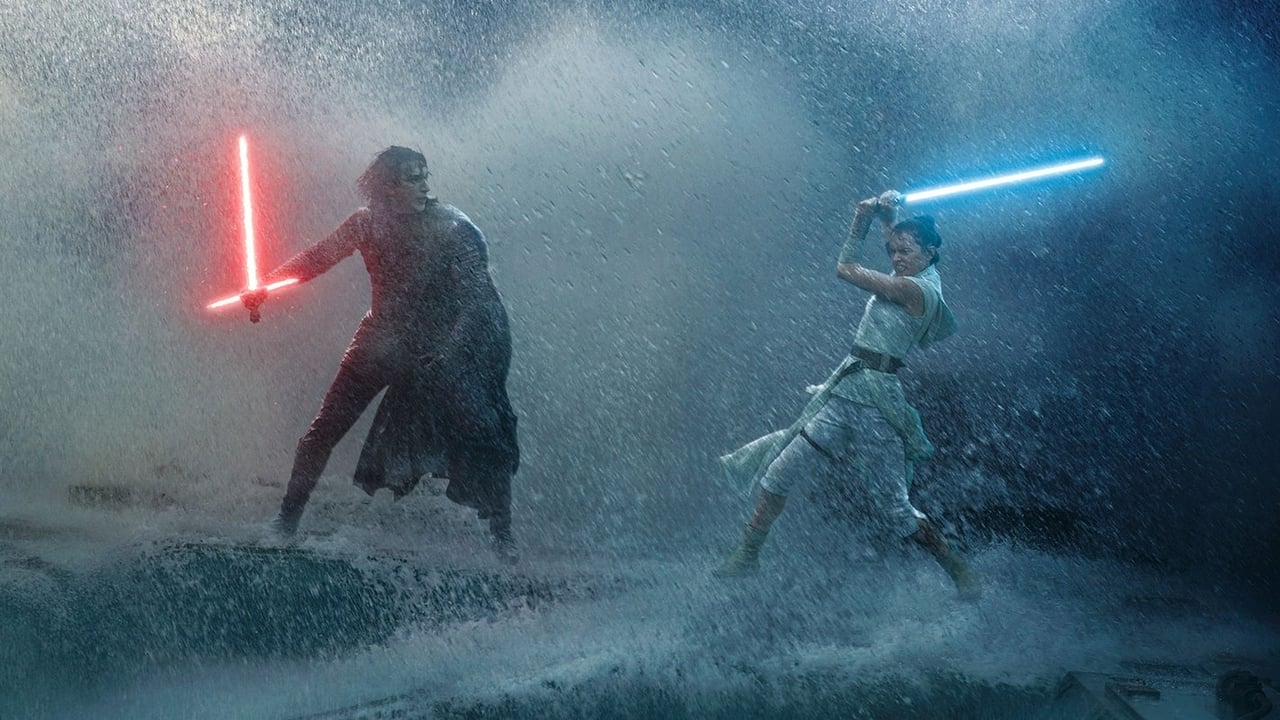
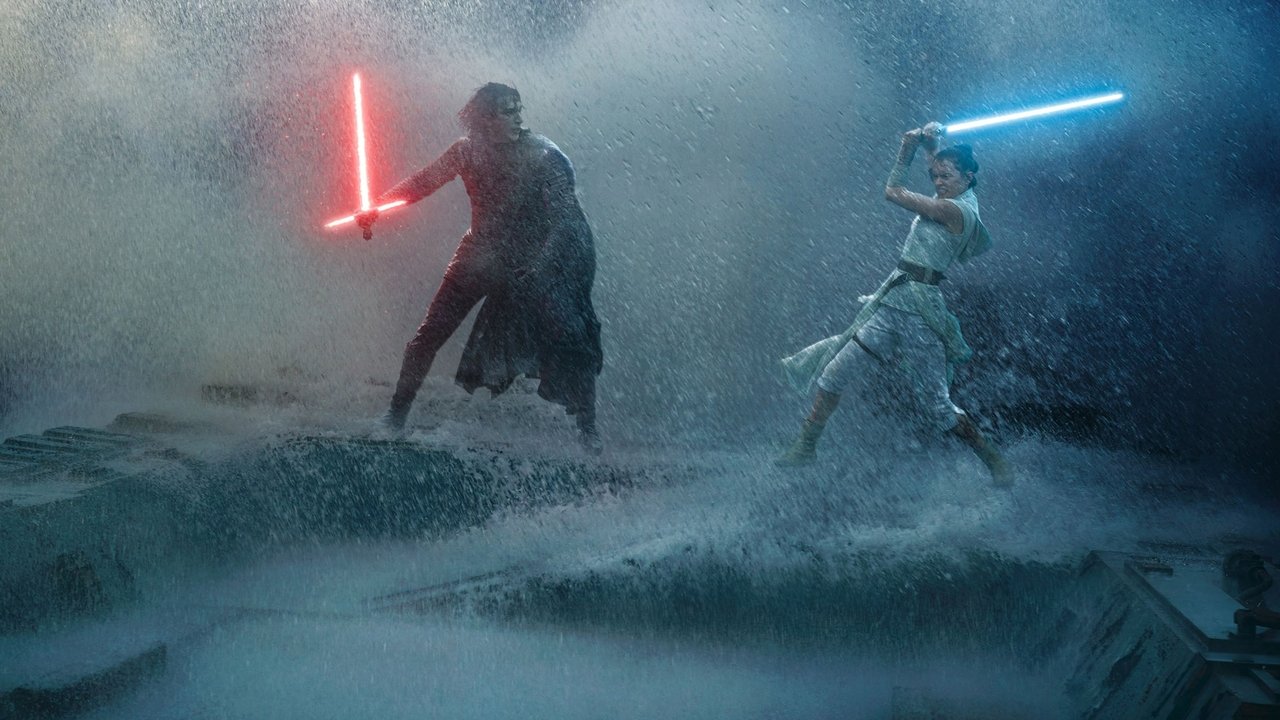
The action choreography, however, remains a high-water mark for the sequel trilogy. The lightsaber duel between Daisy Ridley (Rey) and Adam Driver (Kylo Ren) atop the wreckage of the second Death Star is a stunning piece of work. Unlike the prequel's hyper-polished ballets, this fight feels heavy and desperate. The way the crashing waves of Kef Bir interact with their blades—steam hissing, water spray refracting the red and blue glow—is a masterclass in modern visual effects meeting physical stakes. It’s one of the few moments where the film lets the environment dictate the rhythm of the combat.
The Ghost in the Machine
One of the most poignant, and technically daunting, aspects of this production was the inclusion of the late Carrie Fisher. In our current era of seamless CGI and de-aging (seen elsewhere with Mark Hamill's brief cameo), Abrams made the choice to use existing, unreleased footage of Fisher from The Force Awakens. It’s a bittersweet technical feat. Every time General Leia appears, you can feel the film straining to wrap the plot around her limited dialogue. It’s a reminder of the industry’s current struggle with legacy: how do we honor the humans behind the icons when the icons are expected to live forever?
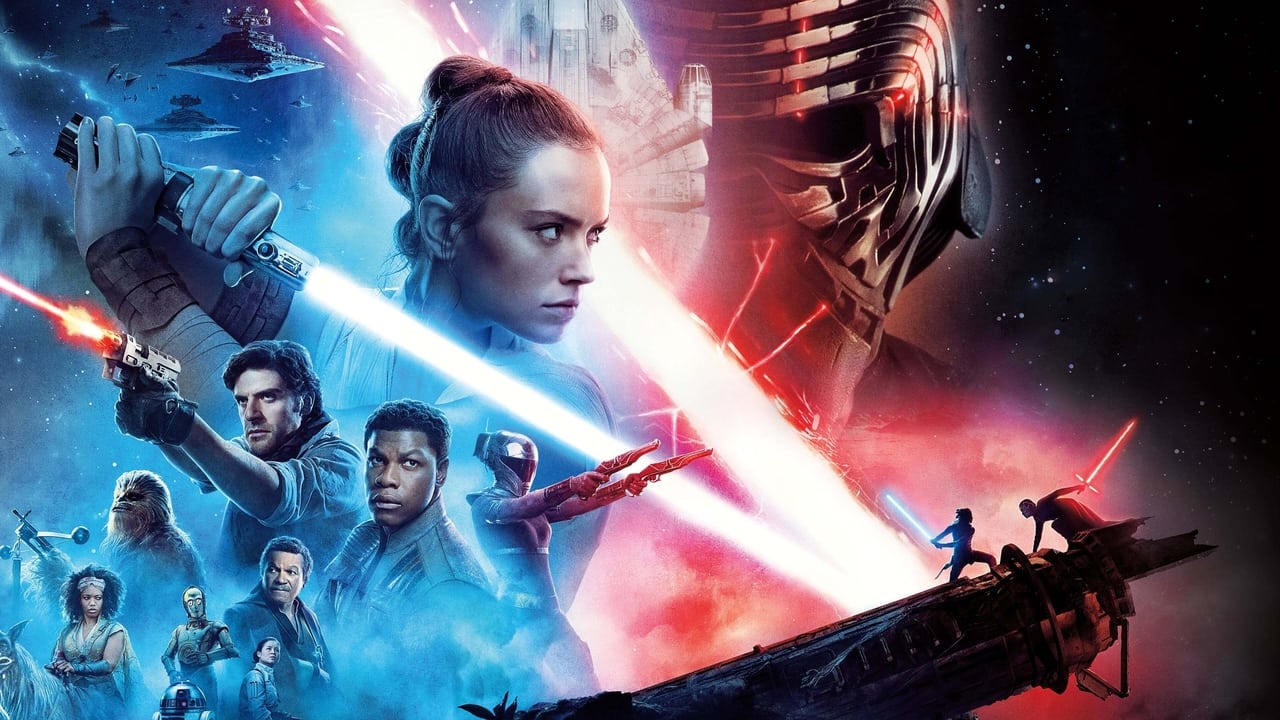
Meanwhile, the chemistry between the "new" trio—Daisy Ridley, John Boyega (Finn), and Oscar Isaac (Poe Dameron)—finally gets some room to breathe. I’ve always felt Boyega was criminally underutilized after the first film, but here, the banter between the three feels like the classic adventure we were promised. It’s a shame it took until the final act of the trilogy to put them all in a room together. They are the heart of the movie, even when the script treats them like errand boys for a series of glowing MacGuffins.
The Cult of the "Reylo" and Meme Culture
While The Rise of Skywalker was a billion-dollar behemoth, it has developed a strange "cult" afterglow in the years since. On one side, you have the "Reylos"—a dedicated subculture focused on the complex, toxic, yet undeniably magnetic connection between Rey and Ben Solo. Their corner of the internet remains a bastion of fan fiction and analysis that often dives deeper than the film's own screenplay. On the other side, the film has been immortalized by the "Somehow, Palpatine returned" meme. In an age where social media discourse can turn a plot hole into a permanent cultural punchline, that single line of dialogue has become shorthand for lazy franchise writing.
Turns out, the production was just as chaotic as the fans' reactions. The film famously swapped directors (parting ways with Colin Trevorrow) and underwent massive script overhauls late in the game. You can see the seams. The film is essentially a two-hour scavenger hunt programmed by a hyperactive AI, jumping from the desert to a festival to a jungle to a secret Sith planet with the logic of a video game.
Stuff You Didn't Notice
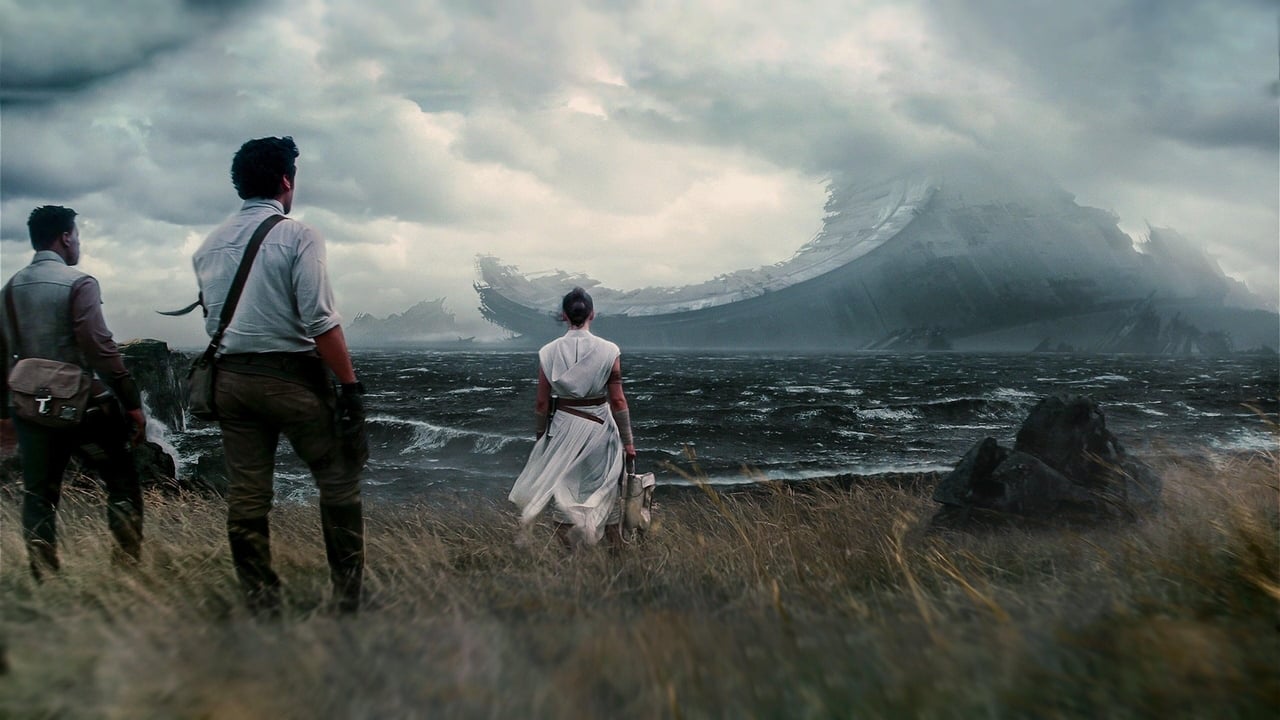
If you look closely during the climactic space battle, the "People’s Fleet" is a goldmine for eagle-eyed fans. Apparently, the production team crammed in models of the Ghost from Star Wars Rebels and even the Colossus from Star Wars Resistance. It’s the ultimate "Where’s Waldo" for the streaming-era fan who has consumed every spin-off on Disney+. Also, listen for the voices of the Jedi during Rey’s final stand; you can hear everyone from Ewan McGregor to Samuel L. Jackson, and even Hayden Christensen, finally making his "return" to the fold. Even John Williams, the man who defined the sound of my childhood, makes a charming on-screen cameo as a droidsmith named Oma Tres (an anagram for "Maestro").
It’s a spectacular mess, but it is spectacular. The film tries to be everything to everyone—a correction for those who disliked The Last Jedi, a tribute to the original trilogy, and a finale for the new kids. By trying to please every faction of the most fractured fandom on earth, it loses its own identity. Yet, when John Williams' score swells and those X-Wings drop into attack position, I still find myself reaching for the bottom of the popcorn bucket. It’s a flawed end to a legendary saga, but in the neon-soaked, franchise-saturated landscape of 2019, it was exactly the loud, beautiful, nonsensical goodbye we probably deserved.
Keep Exploring...
-
Star Wars: The Force Awakens
2015
-
Star Wars: The Last Jedi
2017
-
Star Wars: Episode I - The Phantom Menace
1999
-
Star Wars: Episode II - Attack of the Clones
2002
-

Justice League
2017
-
Terminator Genisys
2015
-
Teenage Mutant Ninja Turtles: Out of the Shadows
2016
-
Power Rangers
2017
-
Transformers: The Last Knight
2017
-
Pacific Rim: Uprising
2018
-
Solo: A Star Wars Story
2018
-

Alita: Battle Angel
2019
-

Dark Phoenix
2019
-
Gemini Man
2019
-
Men in Black: International
2019
-
Terminator: Dark Fate
2019
-
Underwater
2020
-
Black Widow
2021
-
Eternals
2021
-
The Matrix Resurrections
2021