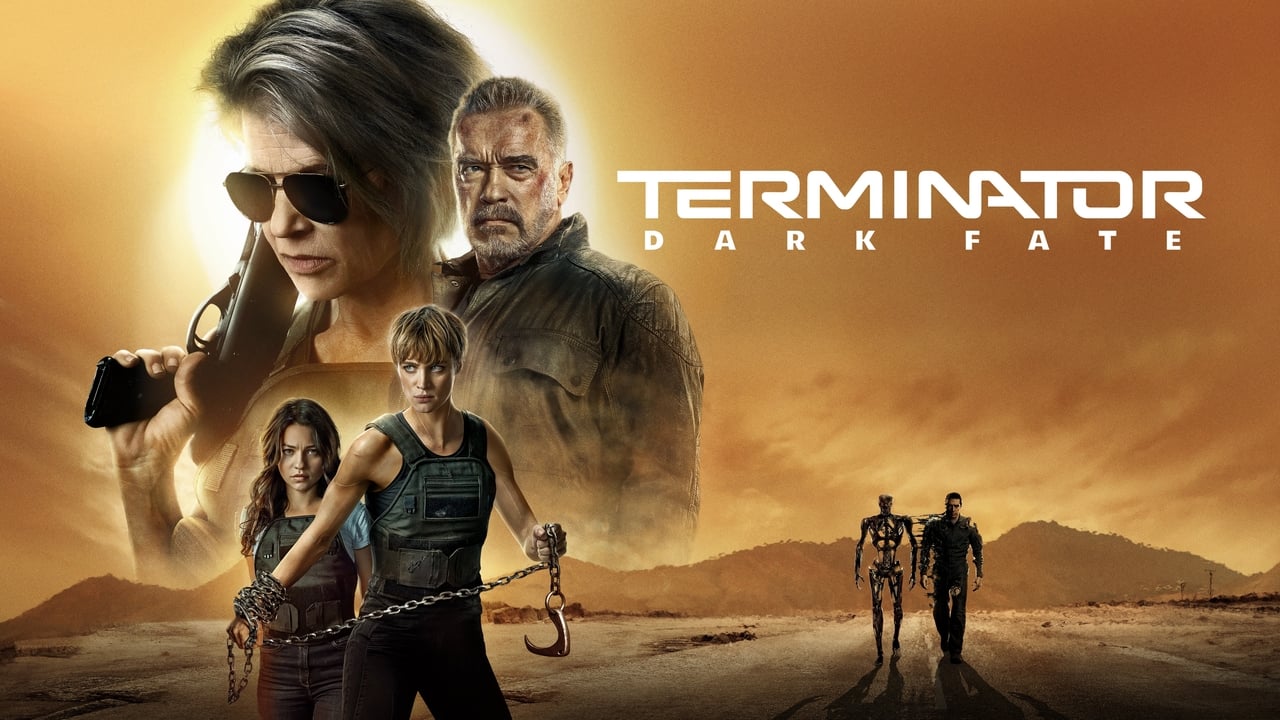
Terminator: Dark Fate
"The future isn't what it used to be."

The moment Linda Hamilton stepped out of that truck, grenade launcher in hand and a snarl that could strip paint, I felt a genuine shiver. It wasn't just nostalgia; it was the realization that we’d been missing the actual DNA of this franchise for twenty-eight years. I watched this film while nursing a mild wisdom tooth ache, and every time the new villain’s liquid-metal exoskeleton "clinked" against a hard surface, I felt a sympathetic throb in my jaw. It was a strange, sensory way to experience a movie about metal hitting bone.
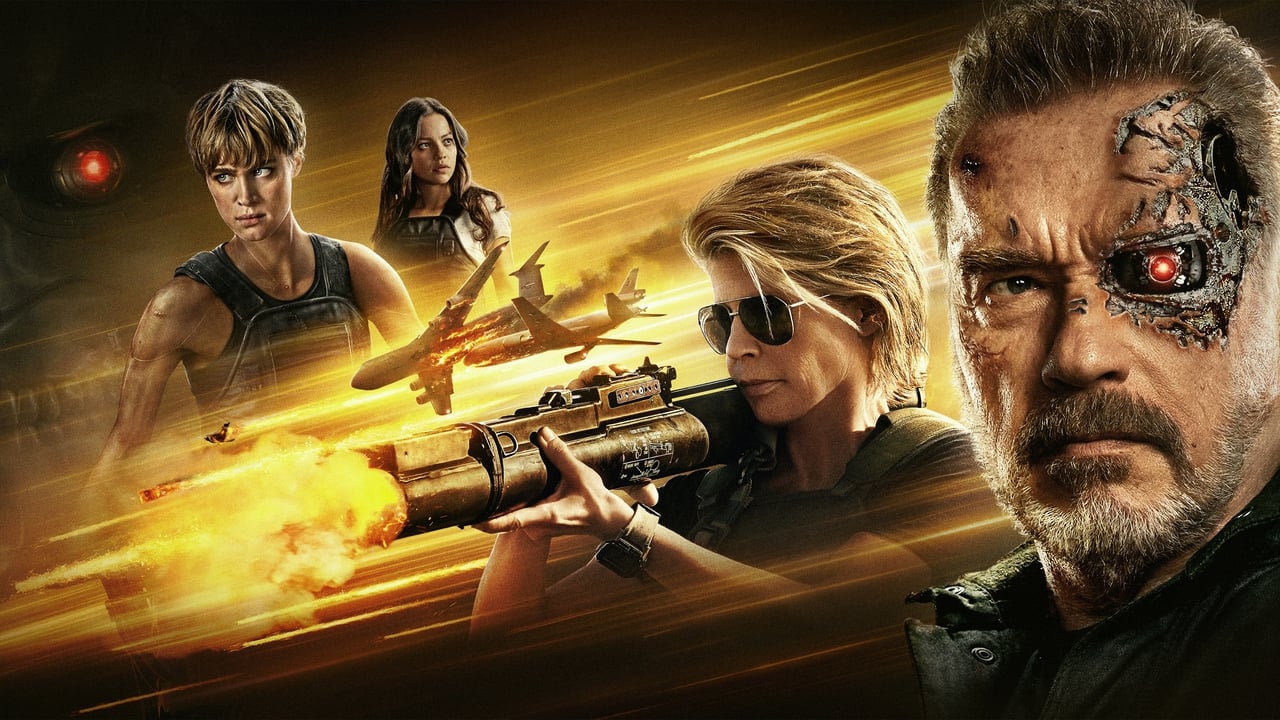
Terminator: Dark Fate arrived in 2019 at a precarious moment for the "legacy sequel." We were right in the thick of Hollywood trying to figure out how to keep aging IPs alive by ignoring the bad sequels and pretending it’s 1991 again. Directed by Tim Miller, who brought that R-rated kineticism to Deadpool, and produced by the creator himself, James Cameron, this was supposed to be the "real" Terminator 3. It’s a film that tries to sprint forward while looking over its shoulder, and while it doesn't always stick the landing, it’s far more interesting than the scrap metal that preceded it.
The Audacity of Franchise Arson
Let’s talk about that opening. The first five minutes of this movie are a calculated act of franchise arson, and I kind of respect it. By digitally de-aging Edward Furlong and Linda Hamilton only to immediately execute the franchise’s "Chosen One," the film tells you it’s done playing by the old rules. It’s a polarizing move—one that James Cameron reportedly insisted on—and it fundamentally shifts the stakes. We aren't protecting John Connor anymore.
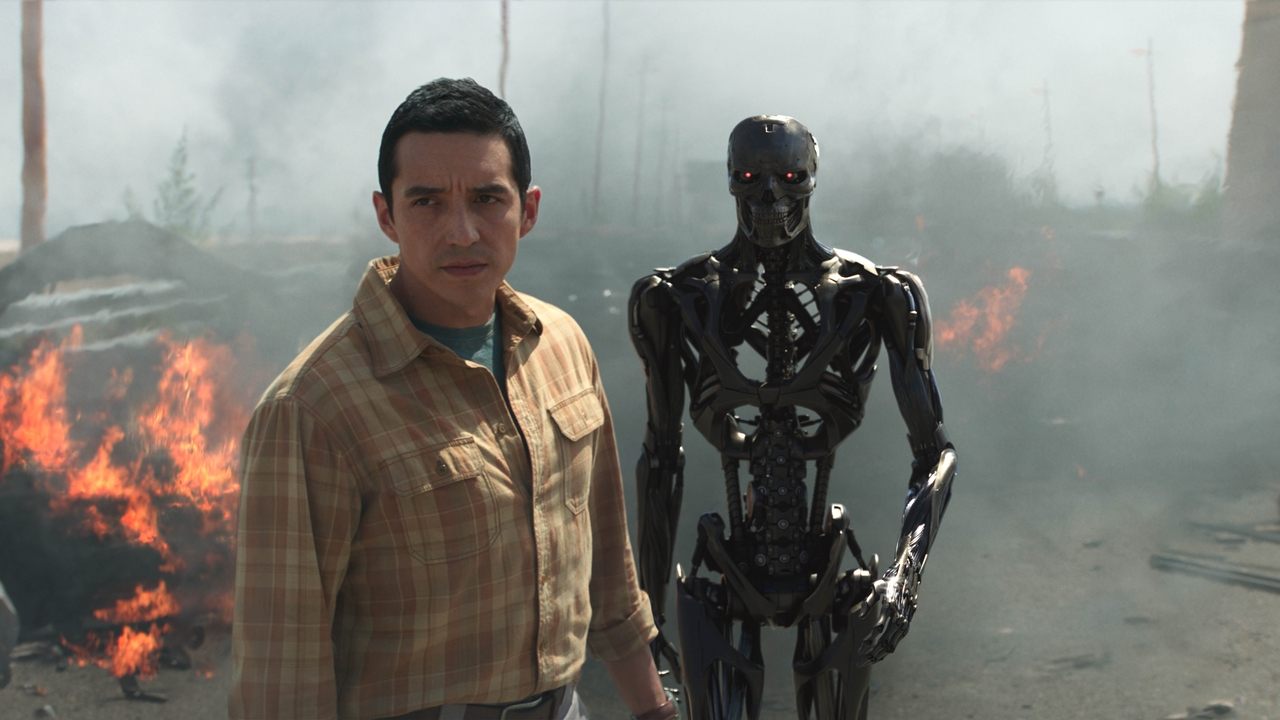
Enter Mackenzie Davis as Grace, an "augmented" soldier from the future. Davis is the standout here; she has this wiry, desperate athleticism that makes her feel like a human being who has been hollowed out and filled with hardware. She’s protecting Dani Ramos (Natalia Reyes), a young woman who is the new target of the REV-9. Gabriel Luna plays the new Terminator, and he’s a terrifying blend of the T-800’s brute force and the T-1000’s fluidity. The REV-9’s ability to split into two separate entities—a solid endoskeleton and a liquid skin—is a clever evolution of the tech, even if the CGI occasionally gets a bit "rubbery" in the high-speed chases.
Heavy Metal and Highway Chases

The action in Dark Fate is massive, loud, and clearly benefits from Tim Miller's background in visual effects. The highway chase early in the film is a masterclass in escalation. Gabriel Luna actually spent weeks learning how to drive a massive construction truck in reverse at high speeds to make those shots feel authentic. It’s that blend of practical stunt work and digital polish that keeps the stakes feeling heavy. When Grace throws a piece of rebar, you feel the weight behind it.
However, the film does fall into the contemporary trap of "bigger is better." There’s a climactic sequence involving a C-5 Galaxy transport plane that eventually ends up underwater. It’s technically impressive, but it loses that grounded, sweaty dread that made James Cameron’s original The Terminator feel so terrifying. I found myself missing the simplicity of a dark hallway and a slow-moving machine. The action works best when it's intimate and desperate, not when it's falling out of the sky.
The "Carl" Conundrum
Then there’s Arnold Schwarzenegger. Seeing him back as a T-800 named "Carl" who has settled down to sell drapes in the woods is either the most brilliant or the most ridiculous thing the series has ever done. I’m leaning toward brilliant. Arnold leans into his age with a dry, comedic weariness that only an icon can pull off. His chemistry with Linda Hamilton is the heart of the film’s second half. Hamilton is just magnificent here; she plays Sarah Connor not as a hero, but as a traumatized, vengeful ghost who has nothing left but her guns and her rage.
Apparently, Hamilton went through a rigorous Green Beret-style training camp at age 62 to get back into "Sarah shape," and it shows in every movement. She doesn't move like a movie star; she moves like someone who hasn't slept soundly since the Bush administration. Behind the scenes, the production was reportedly a bit of a tug-of-war. James Cameron was very hands-on in the editing room, which led to some creative friction with Tim Miller. You can see that tension on screen—a battle between the sleek, modern action sensibilities of the 2010s and the character-driven weight of 80s cinema.
Terminator: Dark Fate is a solid, well-crafted actioner that suffers mostly from the baggage of its own name. If this were a standalone sci-fi film, we’d be hailing it as a breakthrough. As a Terminator film, it’s a noble attempt to fix a broken timeline that ultimately leaves us wondering if the "Fate" of this franchise is just to keep repeating the same loop. It’s a blast to watch in a dark room with the volume cranked, even if it doesn't quite replace the classics in our collective memory. It's a legacy sequel that actually has something to say about trauma, even if it has to shout it over a series of massive explosions.
Keep Exploring...
-
Terminator Genisys
2015
-
Terminator 3: Rise of the Machines
2003
-
Terminator Salvation
2009
-
Gemini Man
2019
-
Greenland
2020
-
Jurassic World
2015
-
Maze Runner: The Scorch Trials
2015
-
Jurassic World: Fallen Kingdom
2018
-
Maze Runner: The Death Cure
2018
-
Batman vs. Robin
2015
-

Kin
2018
-

In the Heart of the Sea
2015
-
Point Break
2015
-
Star Trek Beyond
2016
-
Teenage Mutant Ninja Turtles: Out of the Shadows
2016
-

Geostorm
2017
-

Justice League
2017
-
Power Rangers
2017
-
Pacific Rim: Uprising
2018
-
Skyscraper
2018