The Aeronauts
"Science reaches higher than the clouds."
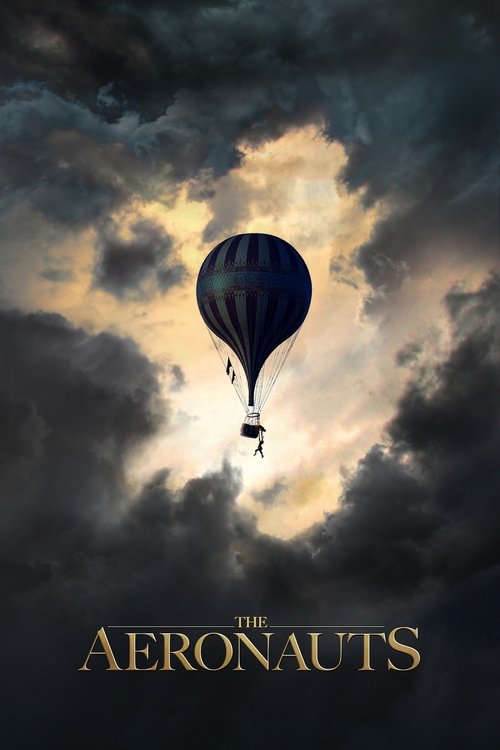
I accidentally spilled half a mug of lukewarm chamomile tea on my slippers during the "climbing the balloon" scene, and I didn't even notice until the credits rolled. That’s the kind of movie The Aeronauts is. It’s a 100-minute exercise in sustained vertigo that somehow manages to be both a sweeping Victorian epic and a claustrophobic survival thriller. It’s also a fascinating casualty of the late-2010s "streaming wars," a film that looked like a blockbuster, cost $40 million, and then essentially evaporated into the Amazon Prime Video cloud after a blink-and-you’ll-miss-it theatrical run.
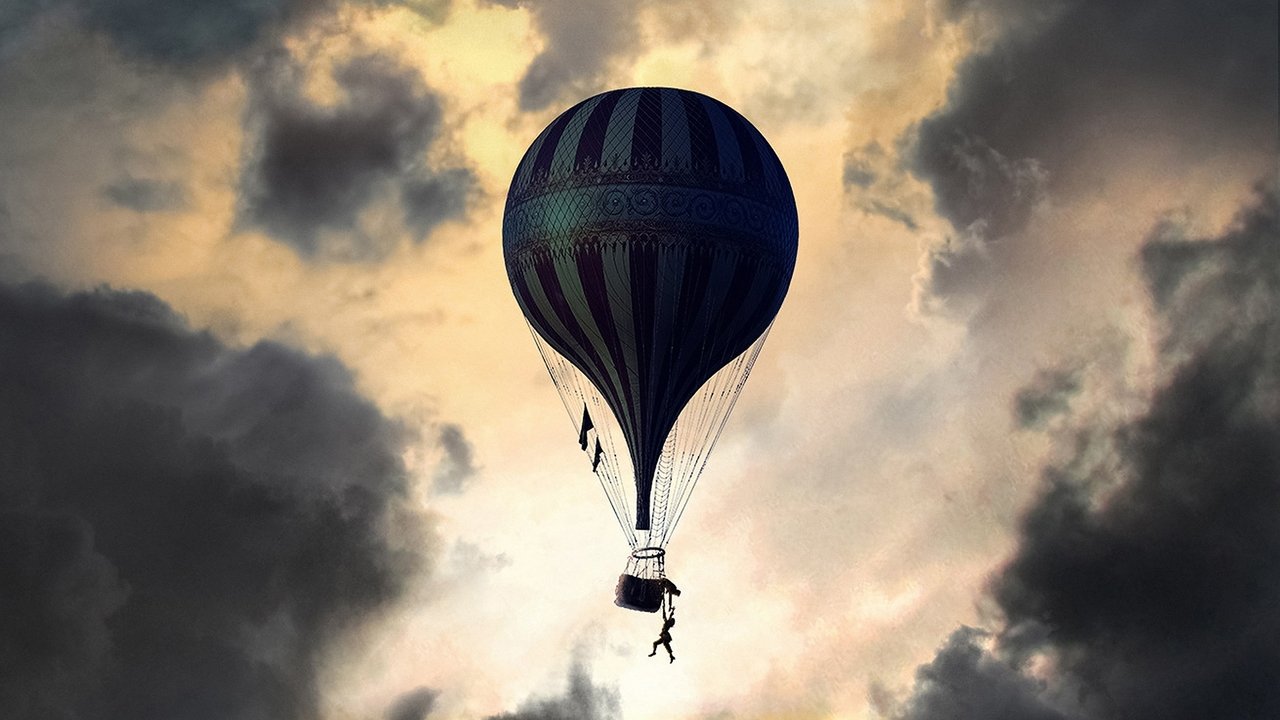
If you missed it, don't feel bad. Most people did. But as I sat there watching Felicity Jones scale the exterior of a frozen gas bag 30,000 feet in the air, I couldn't help but wonder why we aren't talking about this more. It’s a rare beast in the contemporary era: a standalone adventure that isn’t trying to build a cinematic universe or sell you a line of action figures. It just wants to show you how terrifying the sky used to be.
A Masterclass in High-Altitude Anxiety
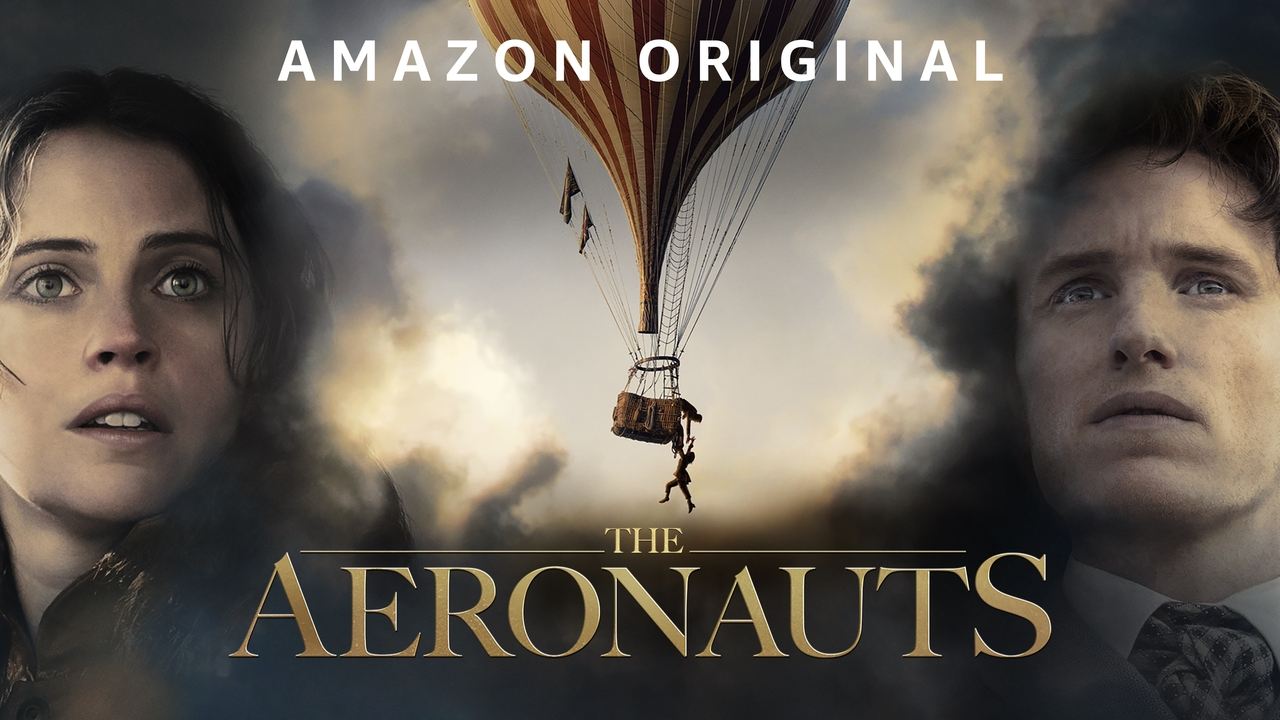
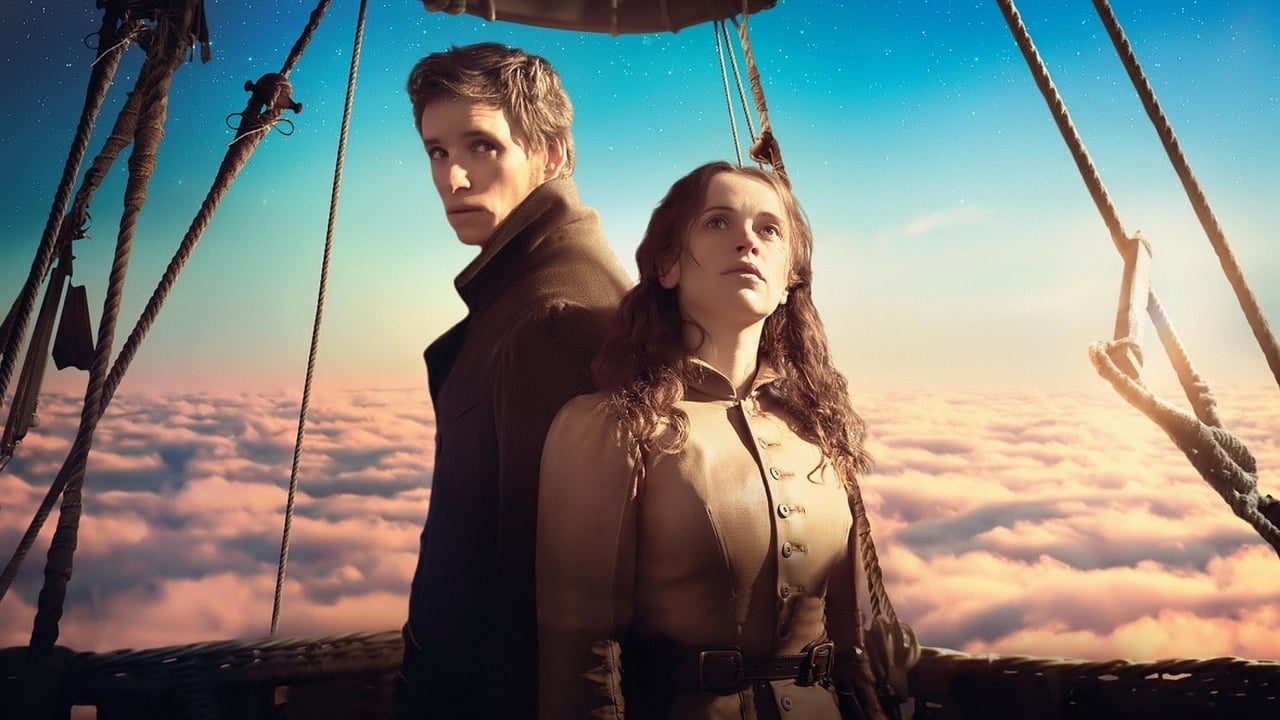
The film reunites Felicity Jones and Eddie Redmayne (who last shared the screen in The Theory of Everything), and their chemistry is the only thing keeping this basket from falling apart. Redmayne plays James Glaisher, a real-life meteorologist who was laughed at by the Royal Society for suggesting that weather could actually be predicted. He’s the "nerd" of the duo—obsessed with barometers and data points—while Jones plays Amelia Wren, a fictionalized daredevil pilot who provides the muscle and the trauma-driven grit.
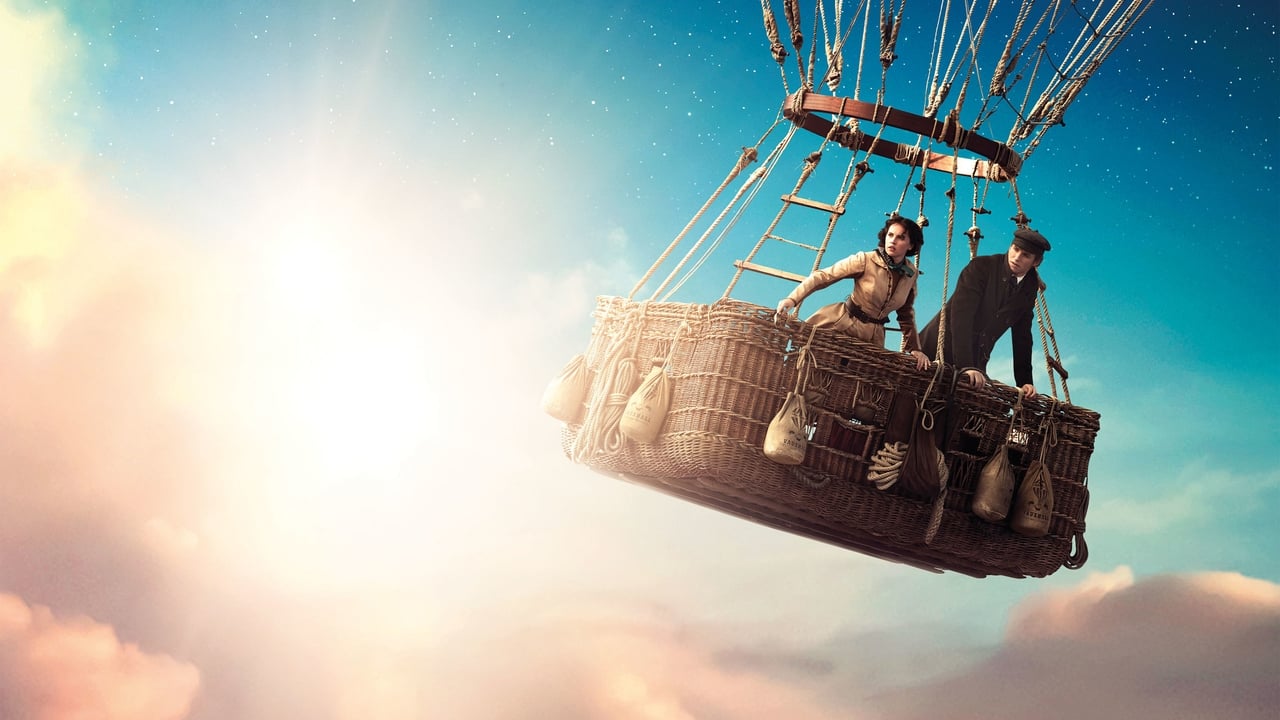
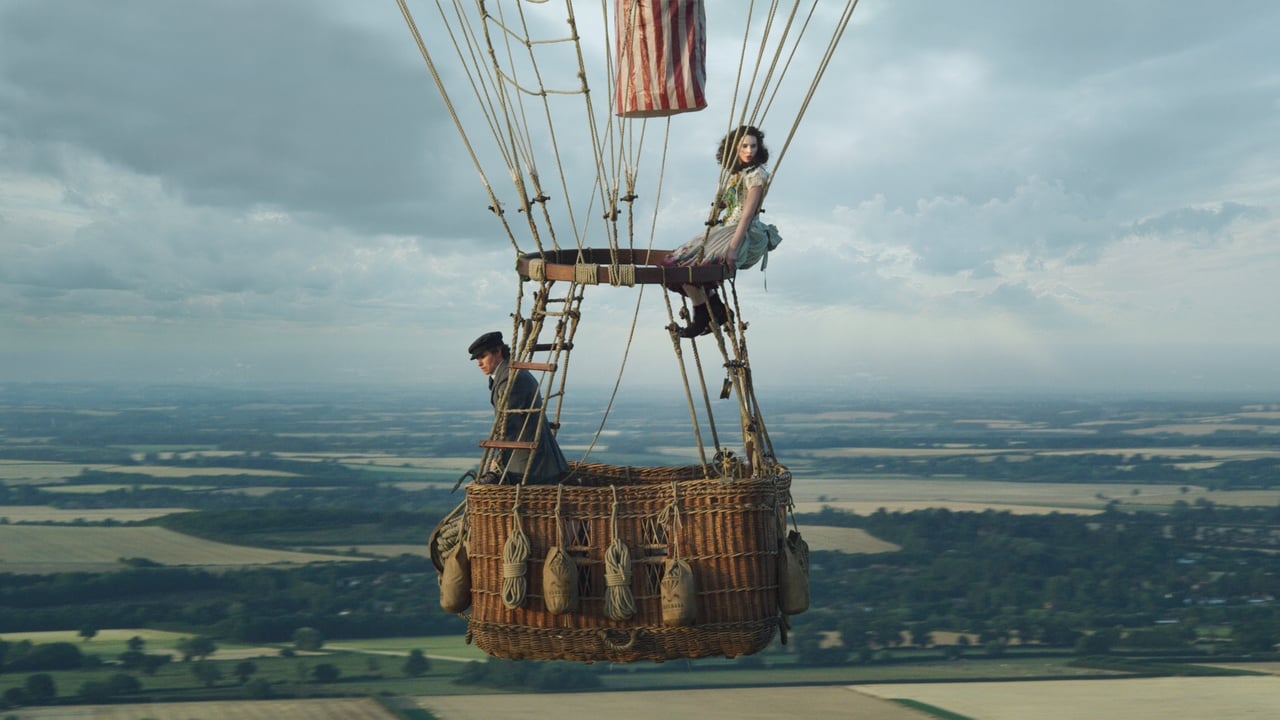
Director Tom Harper (who directed Wild Rose) makes a brilliant choice by spending almost the entire runtime in the air. We get flashbacks to fill in the backstories—Amelia’s lost husband, James’s struggle for legitimacy—but the heart of the movie is that wicker basket. It’s a masterclass in staging. You feel every creak of the ropes and every gust of wind. In an era where "Volume" technology and green screens often make actors look like they’re floating in soup, there’s a refreshing, gritty tangibility here.
Apparently, Jones and Redmayne actually went up in a replica balloon for some of the filming, and it shows. When Jones is gasping for air in the "death zone" where the oxygen is too thin to sustain life, her performance feels less like acting and more like a physiological response to genuine discomfort. Historical accuracy is a boring hill to die on if the movie is this much fun, and while the film takes massive liberties with the truth, it gets the feeling of Victorian discovery exactly right.
The Missing Pilot Controversy
Now, we have to talk about the elephant in the (very small) room. If you look up the real 1862 flight of James Glaisher, you won’t find Amelia Wren. You’ll find Henry Coxwell, a middle-aged man who did the actual heroics, including climbing the rigging to release a frozen valve. The decision by writer Jack Thorne to swap a historical man for a fictional woman caused a minor uproar among history buffs back in 2019.
I understand the frustration, but from a narrative standpoint, Amelia is the soul of the film. Without her, this is just two guys in top hats talking about humidity. By creating Amelia, the film explores the restricted roles of women in Victorian science and gives us a character with a much more compelling emotional arc. Felicity Jones is essentially playing an 1860s action hero, and honestly, I’d rather watch her wrestle a frozen balloon than watch another CGI superhero punch a purple alien.
The film also features solid supporting turns from Himesh Patel (hot off Yesterday) and the legendary Tom Courtenay, but they are firmly tethered to the ground. The movie belongs to the sky. The cinematography by George Steel is breathtaking, capturing the transition from the golden hues of a London morning to the terrifying, desolate white-out of a high-altitude storm. It makes the $40 million budget feel like money well spent, even if the box office returns were virtually non-existent.
The Streaming Vanishing Act
Why did this film earn less than $4 million at the box office? It’s a symptom of the 2019 landscape. Amazon Studios was pivoting away from traditional theatrical releases and toward a "Prime-first" strategy. They knew that a period drama about a balloon wouldn't compete with Avengers: Endgame, so they treated the theater as a marketing tool for the streaming platform.
It’s a shame, because this is a film that screams for the biggest screen possible. Watching it on a TV—or heaven forbid, a phone—robs the wide shots of their scale. It’s one of those "hidden gems" of the streaming era that deserves a second life. It’s a movie about the audacity of looking up, made in a time when we’re all increasingly looking down at our devices.
The Aeronauts isn't a life-changing epic, but it is a superbly crafted, genuinely thrilling adventure that respects your intelligence. It captures that specific human itch to know the unknowable, even if it means freezing your fingers off in the process. If you’ve got a spare evening and a decent-sized screen, give it a watch—just make sure you put your tea in a stable place before the third act kicks in.
Keep Exploring...
-
Attraction
2017
-
The Mountain Between Us
2017
-
The Space Between Us
2017
-
Radioactive
2020
-
Swiss Army Man
2016
-
The Guernsey Literary & Potato Peel Pie Society
2018
-
Anomalisa
2015
-
Equals
2015
-

Far from the Madding Crowd
2015
-
Max
2015
-
Gold
2016
-
Loving
2016
-
Midnight Special
2016
-
Risen
2016
-
The Choice
2016
-

The Light Between Oceans
2016
-
Home Again
2017
-
Professor Marston and the Wonder Women
2017
-
The Discovery
2017
-
Wonder Wheel
2017