The Boy Who Harnessed the Wind
"Hunger doesn't care about your traditions."
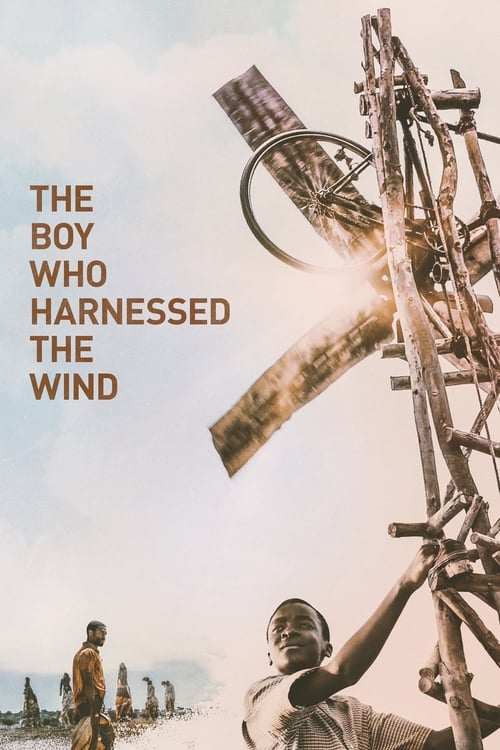
The dust in Wimbe, Malawi, doesn't just sit on the ground; it seems to hang in the air like a physical weight, threatening to coat the lungs of everyone trying to squeeze a living out of the parched earth. When I first sat down to watch The Boy Who Harnessed the Wind on Netflix back in 2019, I was doing that classic modern shuffle—scrolling past endless superhero sequels and true-crime dross, looking for something that felt "important" but didn't feel like homework. I watched this on a Tuesday night when I really should have been filing my taxes, and seeing William’s meticulous accounting of scrap metal made my inability to find a W-2 feel particularly pathetic.
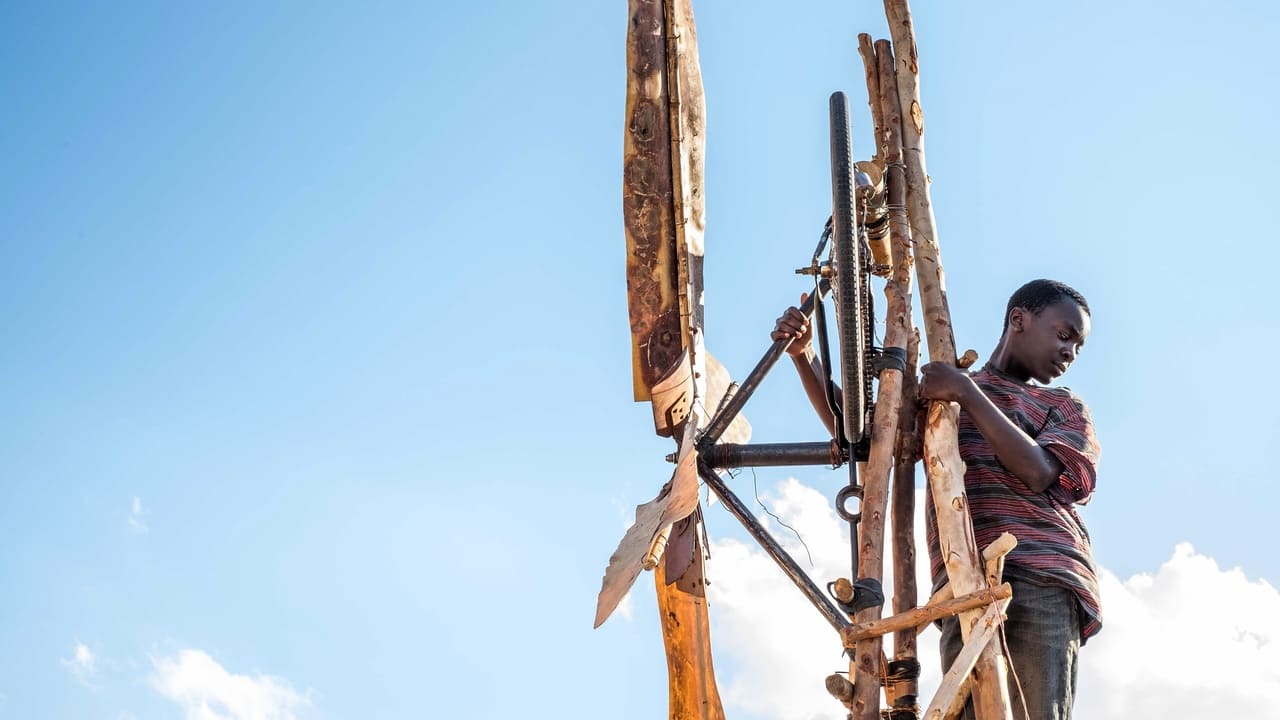
What I found wasn't just another "inspirational true story" designed to make Western audiences feel a fleeting sense of gratitude before ordering Uber Eats. Instead, Chiwetel Ejiofor, making a remarkably assured directorial debut, delivered a film that asks a very contemporary, very difficult question: What happens when the old ways of the world—the traditions, the prayers, the ancestral pride—simply stop working against a changing climate?
The Streaming Era's Window into the World
Released during that sweet spot when Netflix was pivoting from "content aggregator" to "prestige global cinema hub," this film benefited immensely from the streaming model. In a traditional theatrical landscape, a mid-budget drama set in Malawi, spoken largely in Chichewa, might have struggled to find a screen outside of a few art-house pockets in New York or London. But in 2019, it landed directly in millions of living rooms.
It represents a shift in how we consume "representation." It’s not just about seeing different faces on screen; it’s about the specificity of the story. Chiwetel Ejiofor (who also adapted the screenplay from William Kamkwamba’s memoir) doesn't exoticize the struggle. There are no soaring, manipulative strings here. Instead, there is the quiet, terrifying math of a grain bin slowly emptying. This is the drama of the "Current Moment"—where the global reaches into the local, and a boy with a library book becomes a revolutionary because he understands how a bicycle dynamo works.
A Duel of Wills and Eras
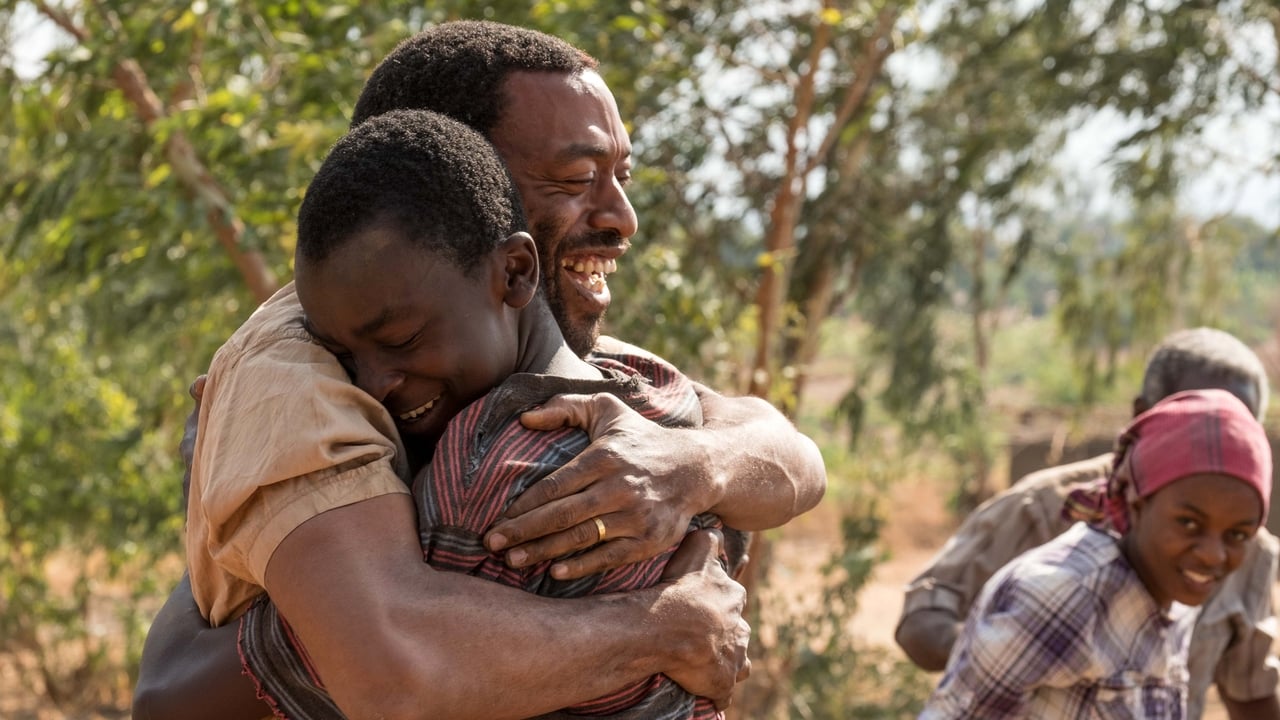
The heart of the film isn't the windmill itself, but the friction between Maxwell Simba, playing the young William, and Chiwetel Ejiofor, playing his father, Trywell. Maxwell Simba is a revelation; he possesses a stillness that suggests an active mind constantly whirring behind his eyes. He isn't playing a "prodigy" in the Hollywood sense—he’s just a kid who is observant enough to realize that the rain isn't coming and the government doesn't care.

The conflict is deeply philosophical. Trywell is a man who believes in the dignity of the plow and the mercy of the clouds. To him, William’s "science" looks like a distraction, or worse, a lack of faith in the family's legacy. Inspiring is usually code for 'boring but I feel guilty saying so,' yet this film avoids that trap by making the stakes feel bone-deep. When Trywell eventually breaks—literally sinking into the dirt he can no longer farm—it isn't a "movie moment." It’s a tragedy of the old world realizing it’s been bypassed.
The Texture of Scarcity
Visually, the film is stunning without being "pretty." The great Dick Pope (the cinematographer behind the lush, painterly Mr. Turner) captures the Malawian landscape with a harsh, golden clarity. You can almost feel the grit on the skin. The camera stays close to the ground, emphasizing the relationship between the people and the soil. There’s a particular sequence involving a grain riot that is shot with such chaotic, claustrophobic energy that it reminded me how fragile our social "contracts" really are when the stomach starts growling.
It’s also worth noting the score by Antonio Pinto (who did the legendary City of God). It’s percussive and rhythmic, mimicking the mechanical clanking of the scrap metal William collects. It underscores the film’s central cerebral hook: the idea that innovation isn't about having the best tools, but about seeing the potential in the trash.
The Logistics of Hope
I’ve seen plenty of films about the "triumph of the human spirit," but few that actually show you the blueprints. Chiwetel Ejiofor spends a lot of time on the how. How does a dynamo work? How do you build a tower out of gum trees? This focus on the intellectual labor of survival is what elevates the movie. It treats the audience like adults who can appreciate the beauty of a circuit diagram.
In an era of cinema often dominated by CGI spectacles where "saving the world" involves glowing blue beams in the sky, there is something profoundly radical about a film where saving the world involves a kid with a wrench and a dream of a breeze. It’s a film that demands you pay attention to the wind, not as a metaphor, but as a source of volts.
This is a film that lingers long after the credits roll, mostly because it refuses to give us the easy, saccharine ending we expect. Even as the blades of the windmill begin to turn, we are left with the knowledge of what was lost to get there—the trees, the cattle, the dignity of a father who had to be taught by his son. It’s a sophisticated, patient piece of filmmaking that proves Chiwetel Ejiofor is as formidable behind the lens as he is in front of it. Seek it out if you want a reminder that the most powerful technology on the planet is still a curious mind.

Keep Exploring...
-

A Taxi Driver
2017
-

One Life
2023
-

The Iron Claw
2023
-

I'm Still Here
2024
-
Spotlight
2015
-

Straight Outta Compton
2015
-

Loving Vincent
2017
-
Ford v Ferrari
2019
-
Little Women
2019
-
Portrait of a Lady on Fire
2019
-
The Trial of the Chicago 7
2020
-

King Richard
2021
-
The Woman King
2022
-

Society of the Snow
2023
-

Colonia
2015
-

Land of Mine
2015
-

Suffragette
2015
-

Race
2016
-
The Man Who Knew Infinity
2016
-

Borg vs McEnroe
2017