The Curse of La Llorona
"Don’t let her hear you cry."
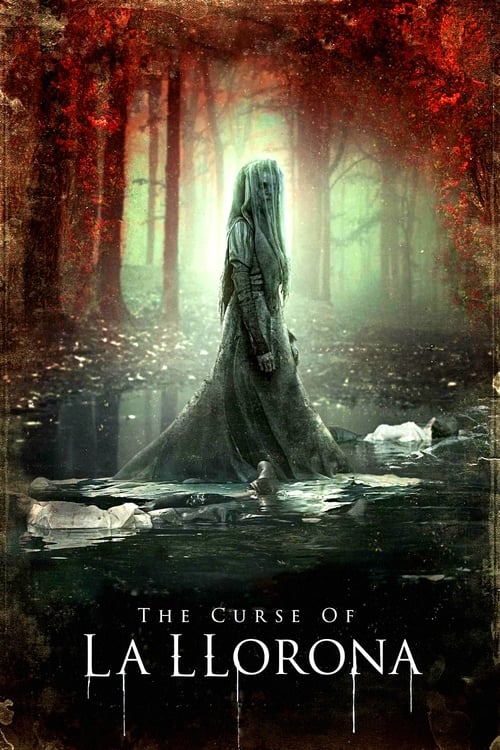
There is a specific kind of dread attached to the stories your grandmother tells you just to make sure you don’t wander too far from the porch after sunset. For generations of Latin American families, the legend of La Llorona—the "Weeping Woman" who drowned her children and now wanders the earth looking for replacements—is the ultimate bedtime deterrent. It’s a primal, heartbreaking piece of folklore that belongs in the pantheon of great ghost stories. So, when Hollywood decided to fold this legend into the massive, high-grossing machinery of The Conjuring universe, the expectations were as high as a mid-summer humidity spike in 1970s Los Angeles.
I watched this film on a Tuesday night while wearing a pair of wool socks that had a hole in the big toe, and honestly, the draft on my foot provided more consistent chills than some of the movie's telegraphed scares.
A Legend Under the Lens
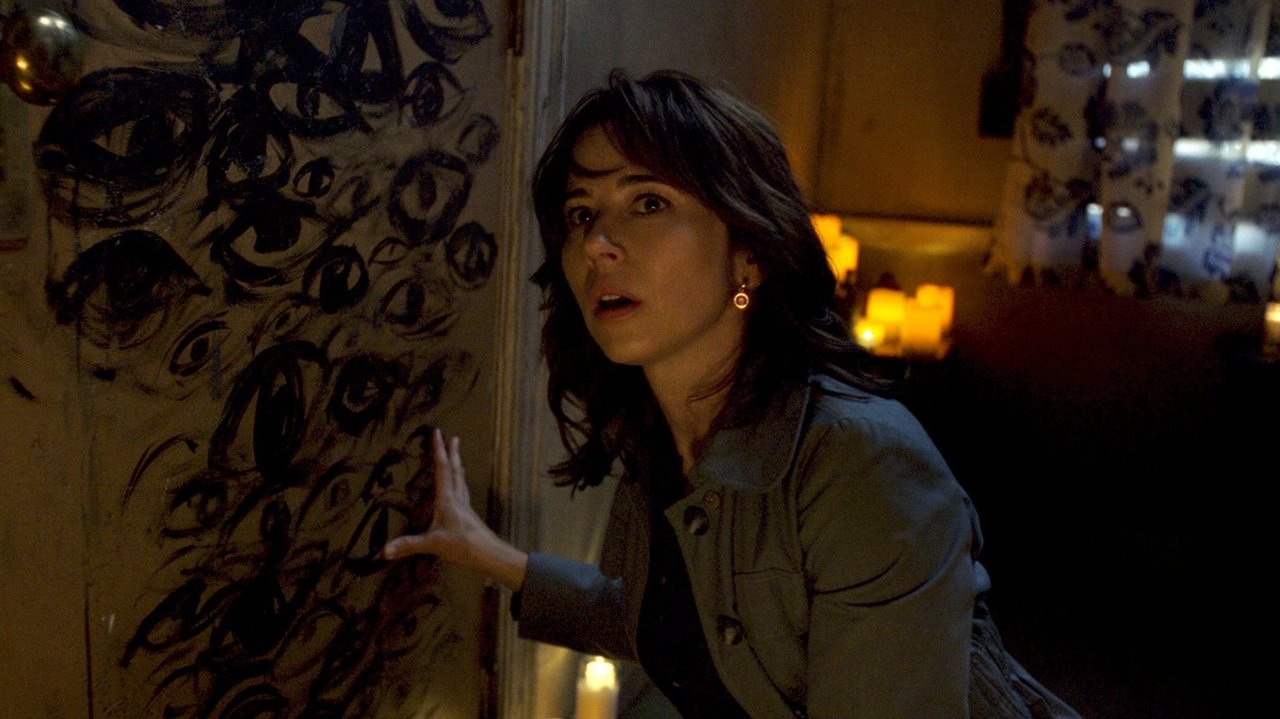
Set in 1973, the film follows Anna Tate-Garcia, played by the perpetually underrated Linda Cardellini. Anna is a social worker and widowed mother of two struggling to balance a heavy caseload with her own family life. When she ignores the cryptic, terrified warnings of a mother whose children she’s trying to "save," she inadvertently invites the legendary spirit into her own home.
Linda Cardellini does the heavy lifting here. She’s an actor who can sell absolute terror while maintaining a grounded, maternal warmth that makes you actually care if she survives. She is joined by Raymond Cruz, who plays Rafael Olvera, a disillusioned priest-turned-shaman. Cruz brings a much-needed deadpan energy to the film, acting as the "expert" who treats supernatural entities with the same weary professionalism a plumber might use on a stubborn drain.
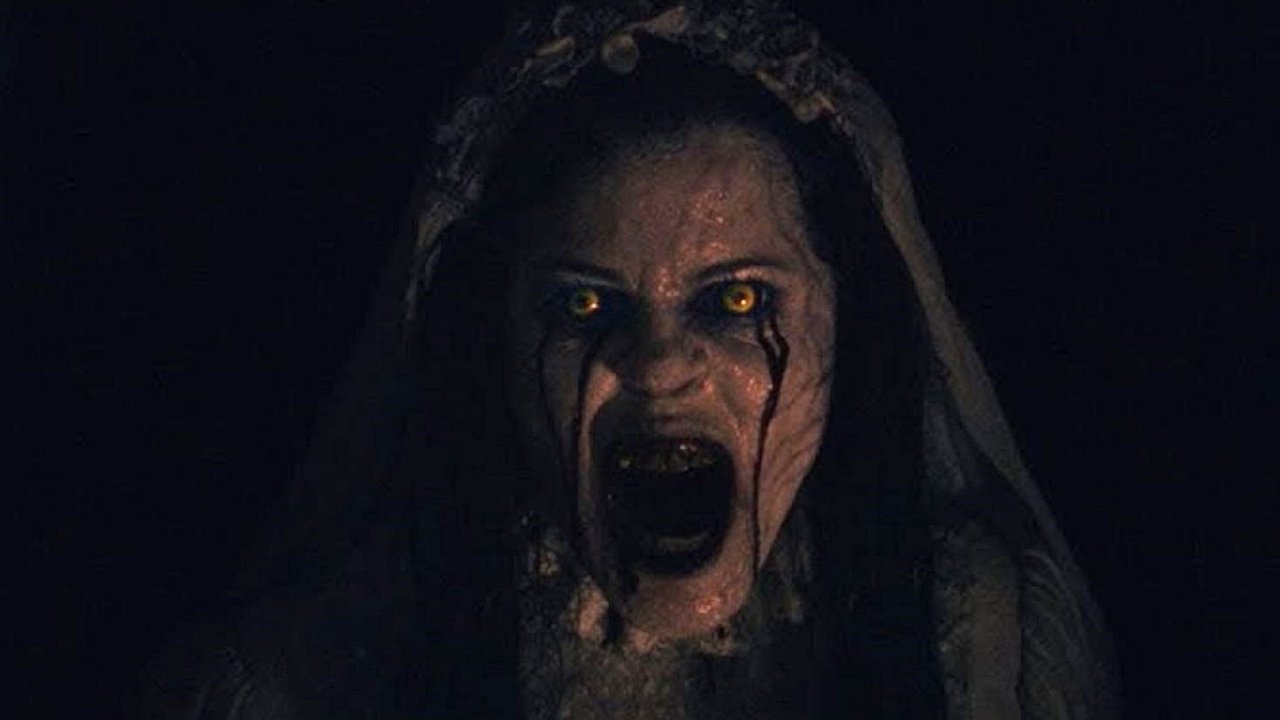
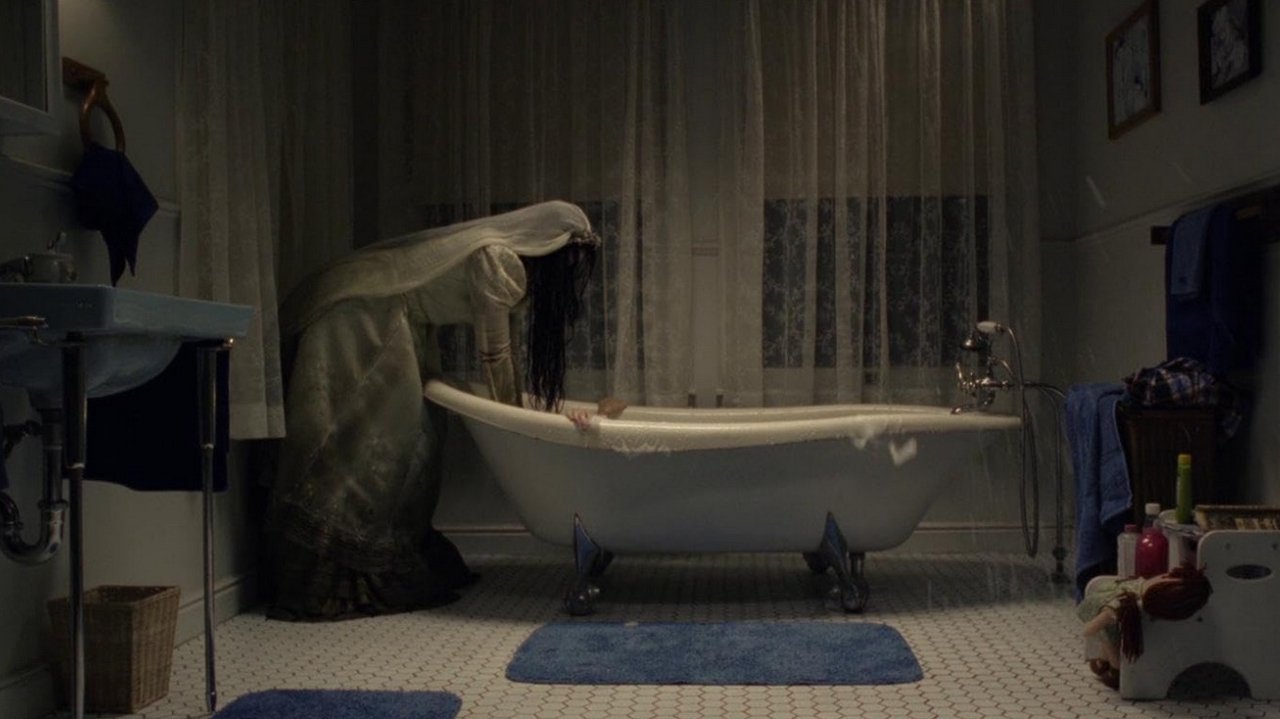
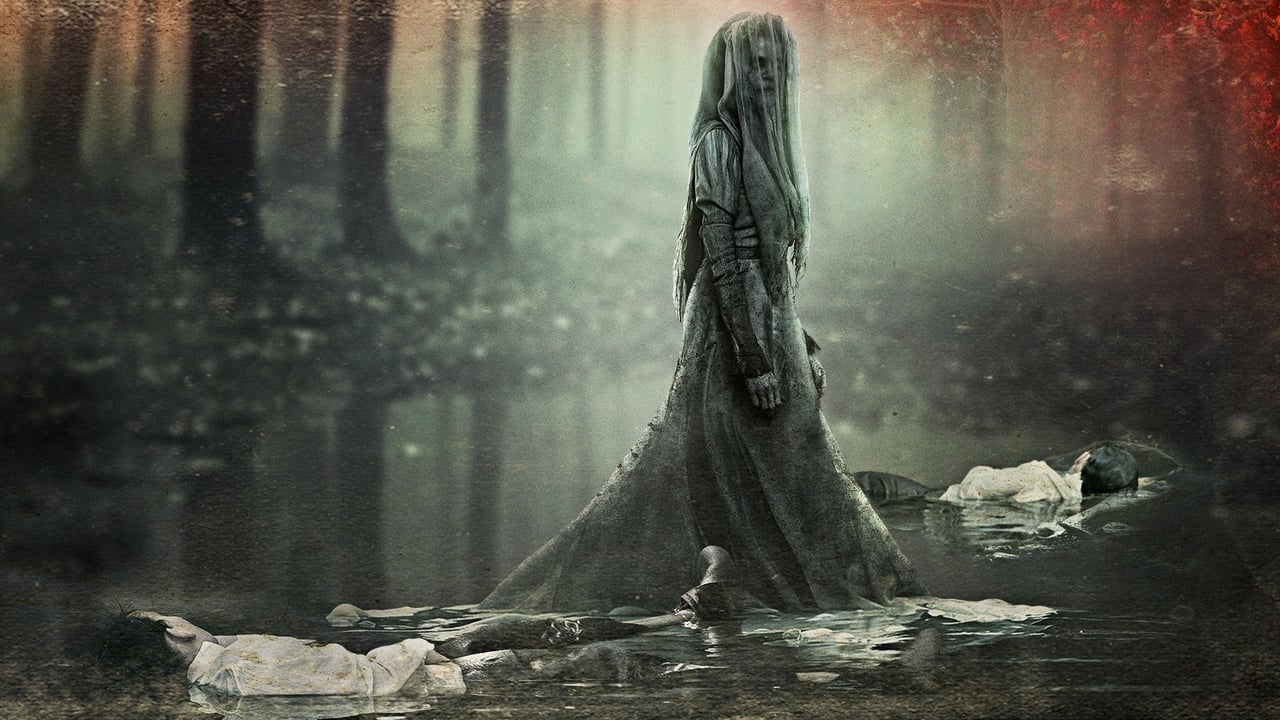
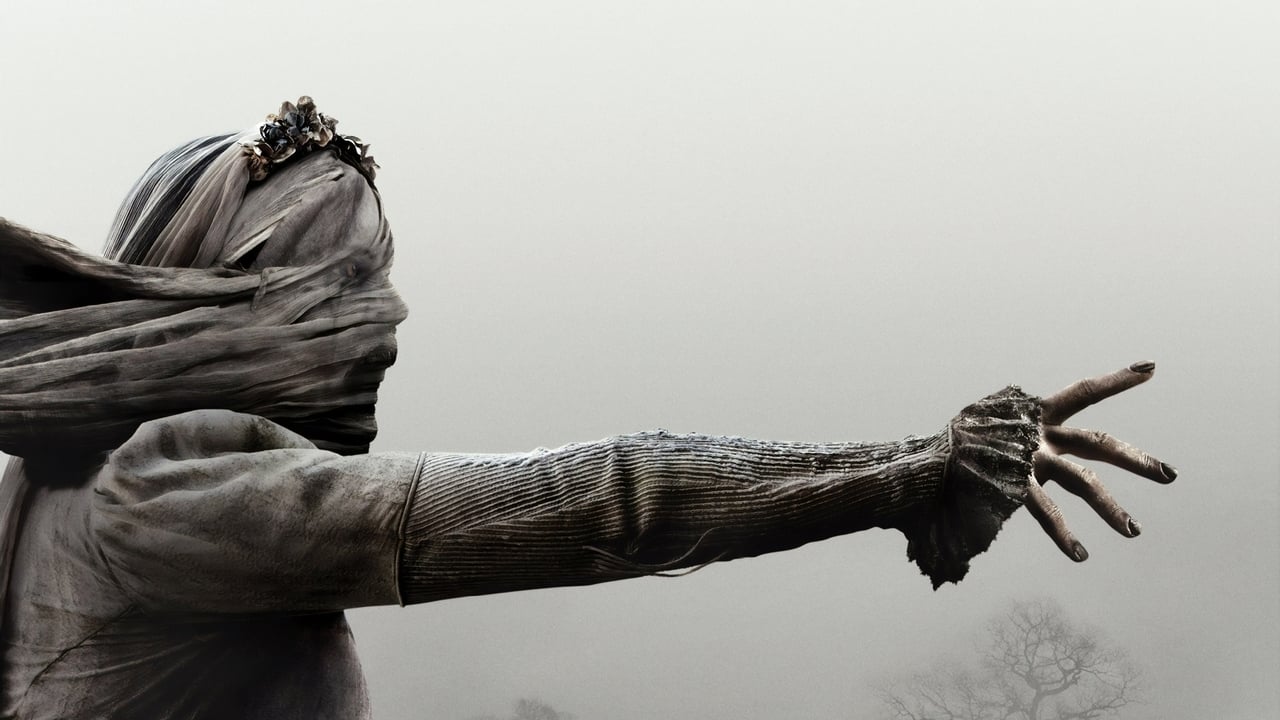
The problem is that for a film titled The Curse of La Llorona, the titular spirit (played by Marisol Ramirez) feels less like an ancient, sorrowful legend and more like a glorified theme park animatronic that’s had too much coffee. The movie relies heavily on the "loud noise + sudden movement" school of horror. In the contemporary era of "elevated horror" where films like Hereditary or The Babadook use grief as a scalpel, La Llorona uses it as a sledgehammer—and a fairly predictable one at that.
The Franchise Formula and Its Frictions
We are living in an era of franchise dominance where every horror movie feels the need to be a "chapter" in something larger. The Curse of La Llorona is technically part of the Conjuring universe—a connection cemented by a brief appearance from Tony Amendola as Father Perez (reprising his role from Annabelle). However, this connection feels more like a marketing checkbox than a narrative necessity.
In the 2010s and early 2020s, the "James Wan style"—pioneered by the director of Saw and Insidious who produced this film—became the industry standard. It’s a style defined by long tracking shots, silence followed by a deafening stinger, and monsters hiding in the corner of the frame. Directed by Michael Chaves (who went on to helm the third Conjuring film), La Llorona follows this blueprint to the letter. It’s technically proficient, but it lacks the soul of the folklore it’s borrowing.
There’s also the contemporary conversation about representation to consider. While it was great to see a story centered on Latin American folklore reach a global audience, it’s hard not to notice that the creative leads—director Michael Chaves and writers Mikki Daughtry and Tobias Iaconis—aren’t from the culture the story originated in. This often results in a film that feels like it’s touring a culture rather than inhabiting it, leaning on tropes rather than the specific, textured nuances that make the La Llorona myth so terrifying in its home context.
The Business of Being Scared
Despite the lukewarm critical reception, you can't ignore the math. With a modest $9 million budget, the film hauled in over $123 million worldwide. In the world of contemporary cinema, that is an absolute grand slam. It’s a testament to the "Atomic Monster" brand and the public’s seemingly bottomless appetite for jump-scare-heavy ghost stories.
The film's success also highlights the shift in how we consume horror. Released in 2019, right on the cusp of the pandemic-driven streaming explosion, La Llorona was one of those films that played perfectly for a Friday night theater crowd looking for a collective jolt. It’s a "popcorn" movie in the truest sense—designed to be consumed quickly, enjoyed for the adrenaline spikes, and forgotten by the time you reach the parking lot.
While Michael Burgess’s cinematography manages to capture some eerie, rain-soaked 1970s vibes, the film ultimately feels like it’s playing it safe. It’s horror by committee, checking off the boxes of "creepy kid," "mysterious priest," and "woman in white" without ever taking a real risk. If you’re looking for a film that explores the deep psychological trauma of the original myth, you might be disappointed. But if you want to watch Linda Cardellini fight a ghost with holy water and a heavy-duty umbrella, it’s a perfectly functional way to spend 90 minutes.
The Curse of La Llorona is a competent, if uninspired, entry into the modern horror canon. It excels at the mechanics of the jump scare but fails to capture the haunting, cultural weight of its source material. Linda Cardellini is the standout, providing a human anchor to a film that often feels like a collection of loud bangs in search of a plot. It’s a solid rental for a spooky night, but it won’t be the movie that keeps you awake wondering what’s crying in the hallway.
Keep Exploring...
-
The Conjuring: The Devil Made Me Do It
2021
-
The Nun II
2023
-
The Conjuring: Last Rites
2025
-
Insidious: Chapter 3
2015
-

Resident Evil: The Final Chapter
2016
-
The Purge: Election Year
2016
-

The Shallows
2016
-
Annabelle: Creation
2017
-

Jigsaw
2017
-

Insidious: The Last Key
2018
-

The First Purge
2018
-
The Nun
2018
-
Annabelle Comes Home
2019
-
Escape Room
2019
-
Pet Sematary
2019
-
Halloween Kills
2021
-
Halloween Ends
2022
-
Insidious: The Red Door
2023
-
The Exorcist: Believer
2023
-
Lights Out
2016