The Farewell
"The kindest lie you’ll ever tell."
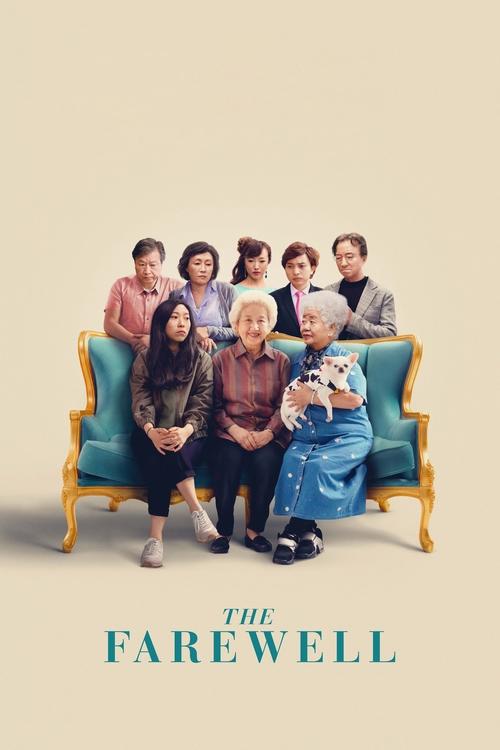
If you’ve ever sat through a family dinner where the air was thick with things nobody is allowed to say, you’ve already lived half of The Farewell. It’s a film built on a premise that feels like a high-concept comedy pitch but plays out with the quiet, devastating precision of a home movie. I watched this while trying to peel a very stubborn clementine, and the frustration of the fruit skin felt weirdly synonymous with Billi’s inability to speak her mind throughout the entire runtime.
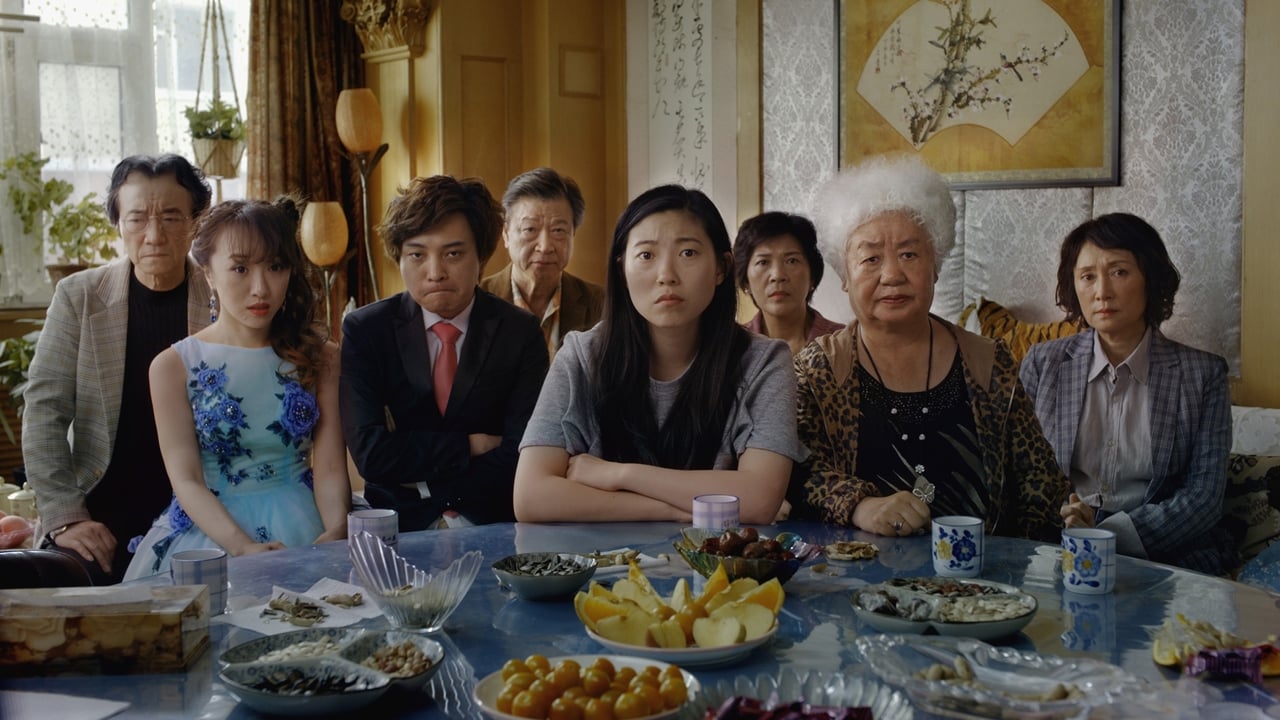
In our current era of "representation" often being treated like a corporate checklist, Lulu Wang (who also directed the upcoming Expats) gives us something far more valuable: specificity. This isn’t a "Chinese Movie" for a Western audience; it’s a story about a very particular family dealing with a very particular, very "actual" lie.
The Art of the Emotional Poker Game
The setup is simple but agonizing. Nai Nai (Zhao Shuzhen) has Stage IV lung cancer. She doesn't know. Her family, adhering to a cultural belief that the burden of the diagnosis is what actually kills the patient, decides to keep her in the dark. To gather everyone for a final goodbye without tipping her off, they stage a frantic, impromptu wedding for a cousin who looks like he’d rather be anywhere else.
Enter Billi, played by Awkwafina. At the time, we mostly knew her as the loud, hilarious sidekick from Crazy Rich Asians or the fast-talking thief in Ocean’s 8. Here, she’s a revelation. She spends most of the movie slouching—a physical manifestation of the grief she’s being told to hide. Her face is a constant battleground between American individualism and Chinese collectivism, and she sells the internal rot of keeping a secret better than most veteran dramatic actors.
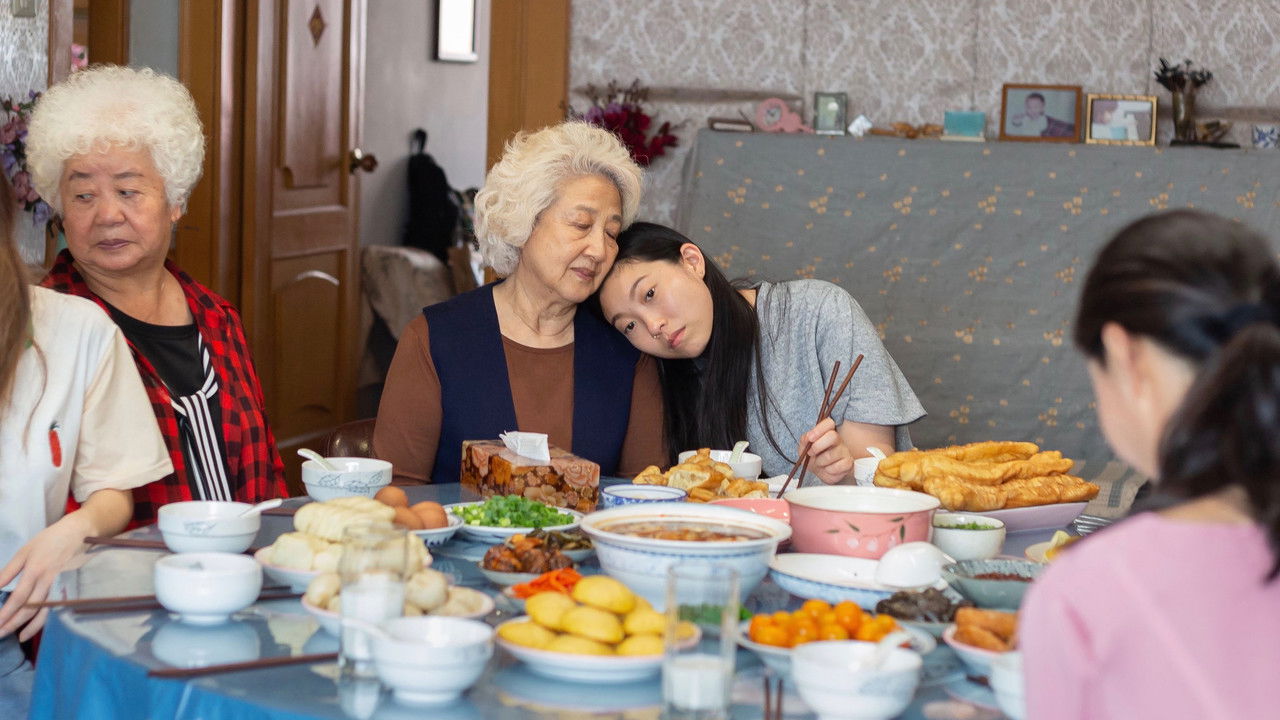
The film excels in the "in-between" moments. It’s in the way the family bickers over who pays the bill at a restaurant, or the way Nai Nai insists Billi eats more even as the world is ending. It’s a drama, sure, but it’s funny because it’s true. The humor isn't found in punchlines; it’s found in the absurdity of trying to stage a celebratory banquet while everyone is mentally rehearsing a funeral.
An Indie David in a Superhero Goliath World
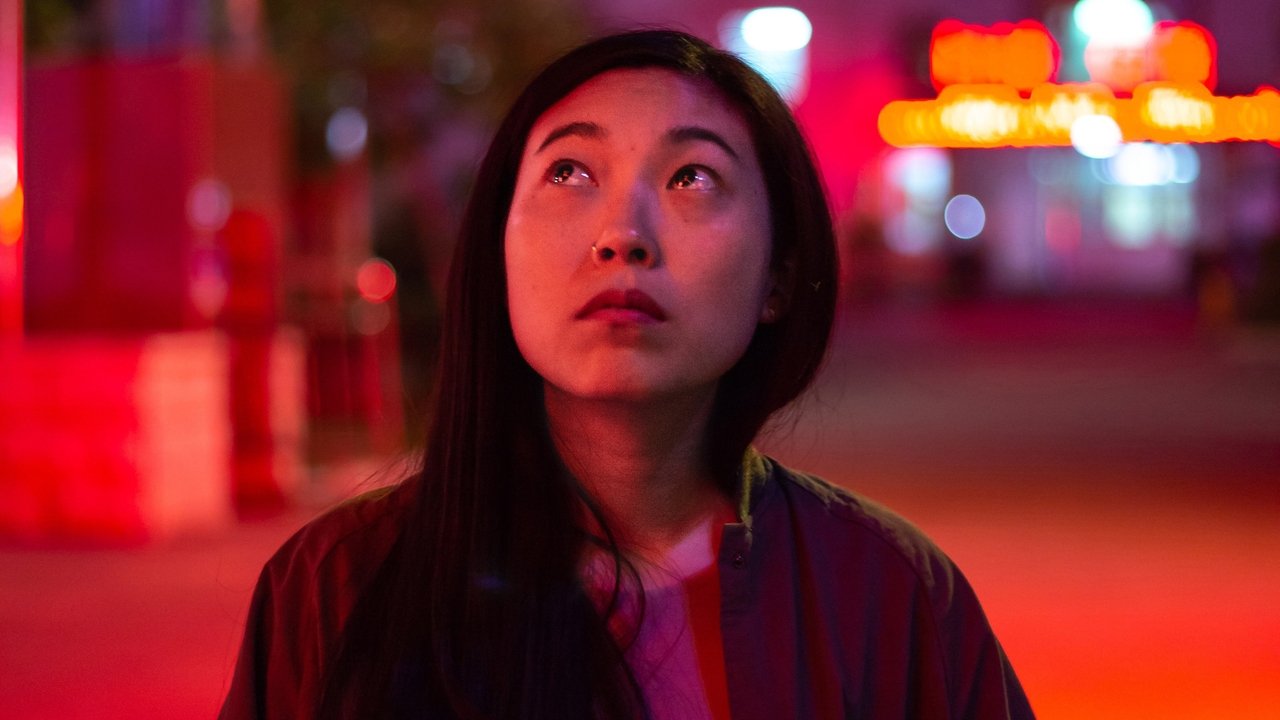
Released in 2019, The Farewell arrived during the absolute peak of the "franchise fatigue" conversation. While the MCU was busy snapping half the universe out of existence, Lulu Wang was proving that you could command a room with nothing but a dinner table and a heavy secret.
The production history of this film is the stuff of indie legend. The prompt mentions a budget of roughly $250,000—which, in Hollywood terms, is essentially the coffee budget for a Marvel movie—and it went on to gross over $23 million. That kind of return is the dream for any independent creator, but it didn't come easily. Lulu Wang famously had to turn down financiers who wanted to insert a prominent white character into the story or turn the whole thing into a broad, wedding-centric rom-com. She held her ground, and the result is a film that feels lived-in rather than manufactured.
Adding to that "lived-in" feel is a bit of meta-casting that still blows my mind: Hong Lu, who plays "Little Nai Nai" (the sister of the grandmother), is actually the real-life great-aunt of the director. She is playing herself, reenacting the actual lie she helped tell years prior. Talk about commitment to the bit. That’s the kind of authentic "human friction" that big studio movies usually polish away in the third draft.
Why It Matters Right Now
We live in a hyper-polarized moment where "the truth" is treated as the ultimate, unassailable good. The Farewell complicates that. It asks if a lie can be an act of grace. It explores the "hyphenated" experience—the feeling of being "too Chinese for America and too American for China"—without ever becoming a dry sociology lecture.
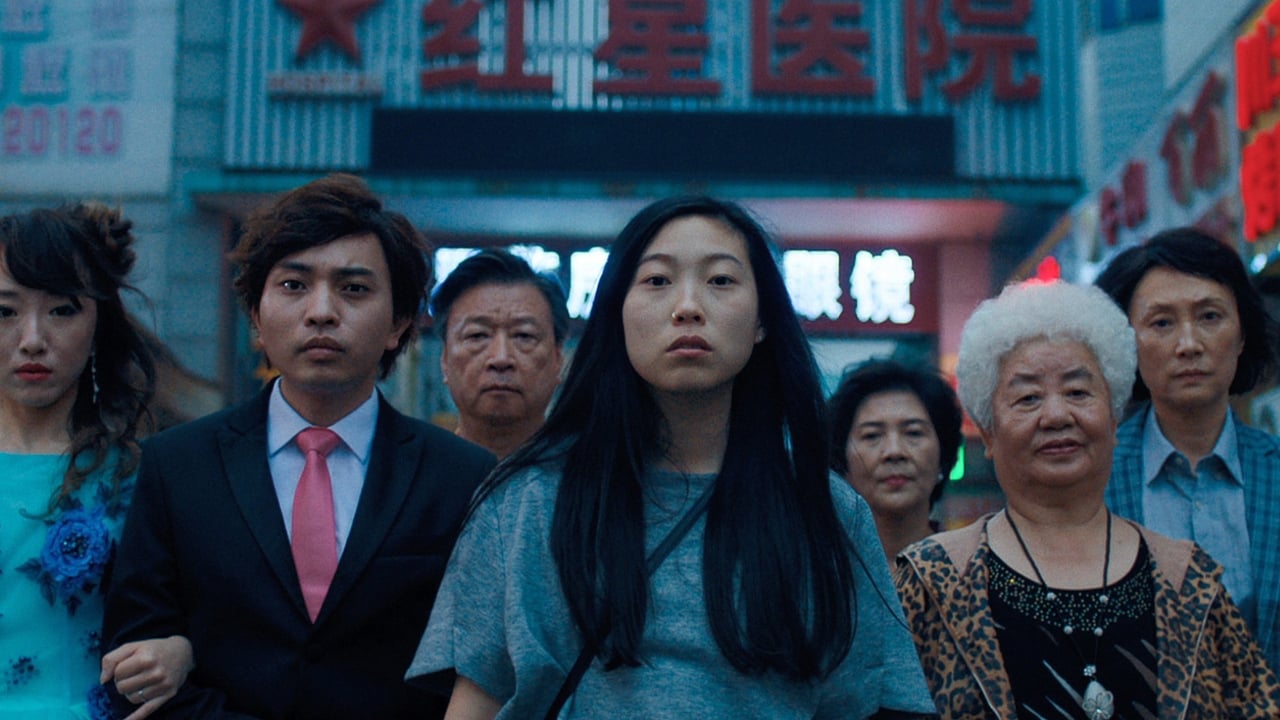
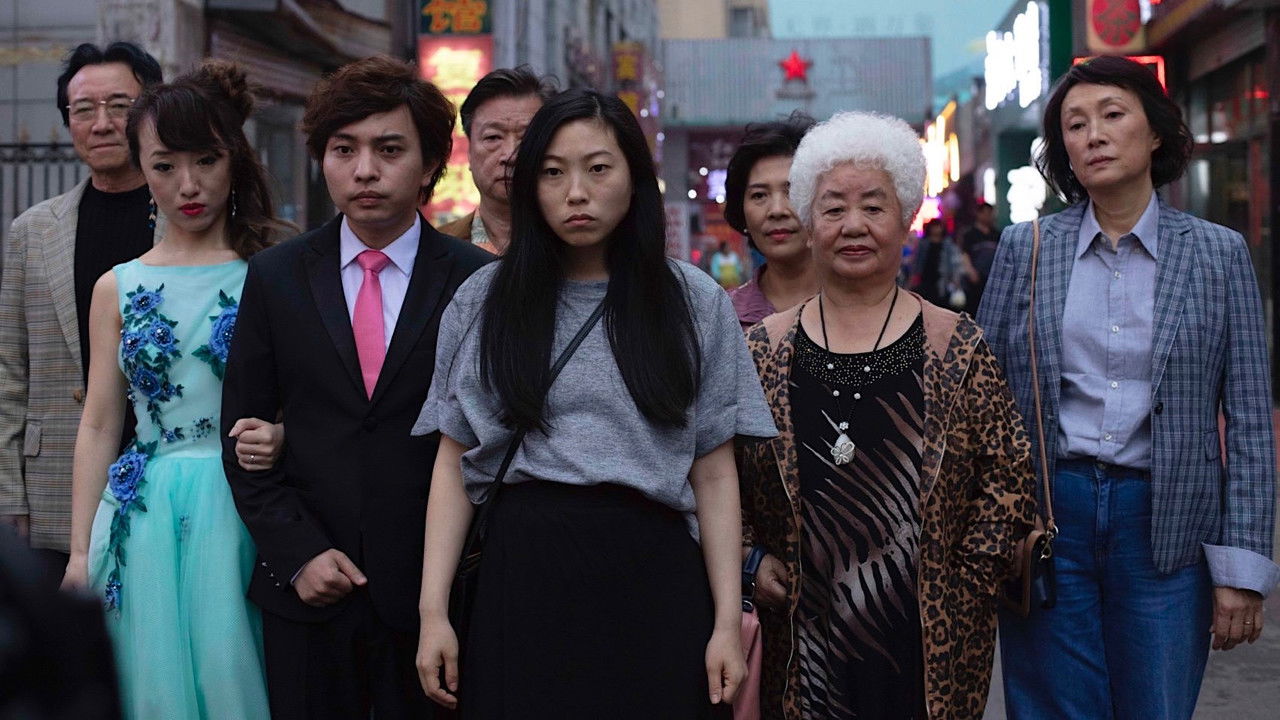
The cinematography by Anna Franquesa-Solano uses a lot of wide shots that emphasize the group over the individual. Even when Billi is crying, she’s often framed within the context of her family. It’s a visual reminder that her grief isn't just hers; it’s a shared weight. The "fake wedding" is the most stressful party since the Red Wedding, just with more dumplings and fewer crossbows.
Tzi Ma and Diana Lin, playing Billi’s parents, offer a masterclass in repressed emotion. There’s a scene where Tzi Ma (who you’ve seen in everything from Mulan to The Man in the High Castle) tries to justify the lie to his daughter, and you can see the toll it’s taking on him. It’s not that these people are cold; it’s that they believe love is a sacrifice of the self for the sake of the whole.
The Farewell is one of those rare contemporary films that feels like it will actually age well. It doesn't rely on technology or trendy dialogue; it relies on the oldest story in the book: how we say goodbye to the people who made us who we are. It’s a quiet, beautiful, and occasionally hilarious look at the masks we wear for the people we love. If you haven't seen it yet, grab some tissues and maybe a clementine—just be careful with the peel.
Keep Exploring...
-

Hunt for the Wilderpeople
2016
-
Swiss Army Man
2016
-
Eighth Grade
2018
-
mid90s
2018
-
A Real Pain
2024
-

The Lobster
2015
-
Sing Street
2016
-
One Cut of the Dead
2017
-
The Greatest Beer Run Ever
2022
-
Late Night
2019
-
Anomalisa
2015
-
Dope
2015
-
Inside Out
2015
-
Joy
2015
-
Me and Earl and the Dying Girl
2015
-

The Big Short
2015
-
Café Society
2016
-
Demolition
2016
-

Eddie the Eagle
2016
-

La La Land
2016